'%3E%3Cpath d='M16.3574 35.6519H12.9537L15.0491 18.8873L16.3574 35.6519ZM30.4229 54.0093L22.309 0.994385H7.91795L0 54.0093H10.6634L11.5802 46.3855H17.4014L17.9914 54.0093H30.4229Z' fill='%23971B20'/%3E%3Cpath d='M48.2073 41.8813C48.2073 43.4049 47.4892 44.0011 46.1144 44.0011H43.7595V11.0687H46.1144C47.4892 11.0687 48.2073 11.6636 48.2073 13.1885V41.8813ZM59.5273 43.6695V11.3326C59.5273 3.71323 53.5729 0.994385 47.8157 0.994385H31.7213V54.0093H47.8157C53.5729 54.0093 59.5273 51.29 59.5273 43.6695Z' fill='%23971B20'/%3E%3Cpath d='M90.183 0.994385H78.6039L75.0711 30.6157L71.9955 0.994385H59.4346L69.2474 54.0093H80.373L90.183 0.994385Z' fill='%23971B20'/%3E%3Cpath d='M107.063 42.3448C107.063 43.7359 105.951 44.5974 104.643 44.5974C103.269 44.5974 102.157 43.7359 102.157 42.3448V12.658C102.157 11.2676 103.269 10.4058 104.643 10.4058C105.951 10.4058 107.063 11.2676 107.063 12.658V42.3448ZM119.233 43.2723V11.7312C119.233 6.36384 112.952 -3.8147e-06 104.643 -3.8147e-06C96.2667 -3.8147e-06 89.9867 6.36384 89.9867 11.7312V43.2723C89.9867 48.6393 96.2667 55 104.643 55C112.952 55 119.233 48.6393 119.233 43.2723Z' fill='%23971B20'/%3E%3Cpath d='M150.976 43.9349V33.7309H139.069V42.3448C139.069 43.7359 137.957 44.5974 136.582 44.5974C135.076 44.5974 133.964 43.7359 133.964 42.3448V12.658C133.964 11.2676 135.076 10.4058 136.582 10.4058C137.957 10.4058 139.069 11.2676 139.069 12.658V21.2723H150.976V11.0687C150.976 5.70107 145.283 -3.8147e-06 136.582 -3.8147e-06C127.75 -3.8147e-06 121.796 5.70107 121.796 11.0687V43.9349C121.796 49.3022 127.75 55 136.582 55C145.283 55 150.976 49.3022 150.976 43.9349Z' fill='%23971B20'/%3E%3Cpath d='M167.478 35.6519H164.076L166.17 18.8873L167.478 35.6519ZM181.544 54.0093L173.432 0.994385H159.037L151.123 54.0093H161.785L162.704 46.3855H168.523L169.114 54.0093H181.544Z' fill='%23971B20'/%3E%3Cpath d='M205.412 10.4058V0.994385H177.081V10.4058H185.392V54.0093H197.428V10.4058H205.412Z' fill='%23971B20'/%3E%3Cpath d='M230.002 54.0093V43.9349H218.914V31.8746H226.635V21.8028H218.914V10.4058H230.002V0.994385H206.875V54.0093H230.002Z' fill='%23971B20'/%3E%3C/g%3E%3Cdefs%3E%3CclipPath id='clip0_260_7080'%3E%3Crect width='230' height='55' fill='white'/%3E%3C/clipPath%3E%3C/defs%3E%3C/svg%3E)

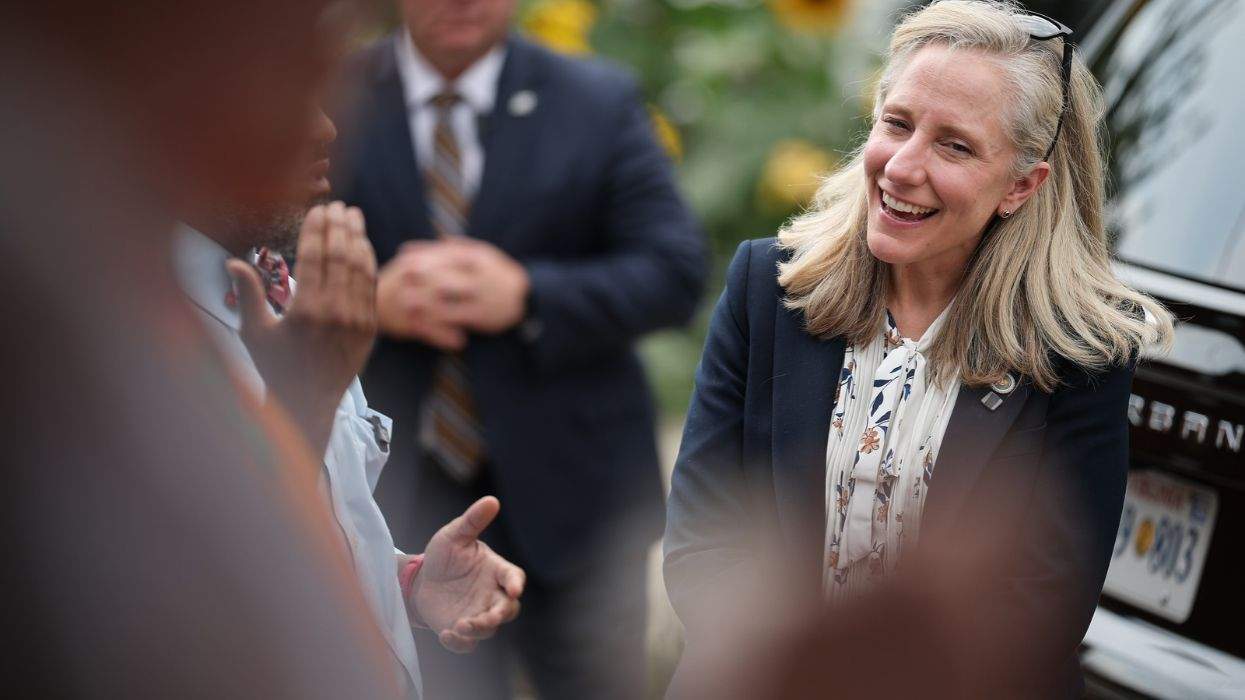
With no news release and little ceremony, Virginia Gov. Abigail Spanberger’s administration has killed an anti-transgender regulatory effort launched during the waning months of former Republican Gov. Glenn Youngkin’s term.
The proposal would have used the Virginia Board of Health to bar transgender women and girls from women’s-only athletic teams and competitions, bathrooms, locker rooms, and other spaces where people may be undressed. The state’s regulatory docket records the outcome in bureaucratic language: “Withdrawn.” The action was terminated July 30, after its public comment period had ended and 321 comments had been submitted. No preliminary regulation was ever drafted.
WHRO radio first reported the withdrawal Monday, two days after Spanberger appeared before thousands of LGBTQ+ people and allies at Virginia PrideFest in Richmond.
Related: A Virginia school board bent over backward to block an LGBTQ+ club. One mom explains why she’s suing
“There’s no legal authority to move forward with rulemaking and prior administrations may have tried to create lanes, and we’re not doing that,” Spanberger told the outlet following her PrideFest appearance. People familiar with the administration’s decision told WHRO that Spanberger consulted with Democratic Attorney General Jay Jones’ office, which determined that the Board of Health did not have the authority to impose the restrictions.
The rulemaking effort began after the board unanimously approved a petition in August 2025 seeking to exclude transgender people from women’s sports and certain sex-separated facilities. Youngkin directed the board to proceed that October, casting the restrictions as a public health measure intended to protect “women and girls.”
The proposal offered Youngkin another route for pursuing a political project that had already defined much of his administration: turning the machinery of state government against transgender Virginians, particularly children.
Related: Virginia school board adopts anti-transgender policy and blocks LGBTQ+ club
Youngkin’s administration spent years dismantling protections for transgender students. Its 2023 model school policies restrict which names and pronouns school employees may use for students and direct schools to assign restrooms, locker rooms, and other sex-separated activities according to sex assigned at birth.
The policies replaced affirming guidance issued under Democratic Gov. Ralph Northam. They prompted student walkouts across Virginia and resistance from several large school divisions. Arlington’s superintendent, for example, refused to implement what he called discriminatory rules, saying transgender, nonbinary, and gender fluid students belonged in the district.
Spanberger’s latest action does not rescind those education policies. The Virginia Department of Education still identifies the 2023 guidance as the state’s current model policy, leaving local school boards to determine how aggressively to apply it.
The consequences have continued into Spanberger’s administration.
Days before she took office in January, the King George County School Board, southeast of Washington, D.C., adopted a sweeping policy targeting transgender students. It restricts the names and pronouns staff may use, bathroom access, overnight accommodations, and participation in sex-separated activities. The board also blocked middle school students from forming a Gay-Straight Alliance after conservative backlash erupted online.
Two students and their families sued in federal court. On September 11, as the case approached trial, the board reversed its club restrictions and restored middle school students’ ability to organize noncurricular groups. Its separate anti-transgender policy remains in place.
Equality Virginia Executive Director Narissa Rahaman welcomed Spanberger’s withdrawal of the health regulations, telling WHRO that transgender Virginians deserve to use public facilities without fear or discrimination.