'%3E%3Cpath d='M16.3574 35.6519H12.9537L15.0491 18.8873L16.3574 35.6519ZM30.4229 54.0093L22.309 0.994385H7.91795L0 54.0093H10.6634L11.5802 46.3855H17.4014L17.9914 54.0093H30.4229Z' fill='%23971B20'/%3E%3Cpath d='M48.2073 41.8813C48.2073 43.4049 47.4892 44.0011 46.1144 44.0011H43.7595V11.0687H46.1144C47.4892 11.0687 48.2073 11.6636 48.2073 13.1885V41.8813ZM59.5273 43.6695V11.3326C59.5273 3.71323 53.5729 0.994385 47.8157 0.994385H31.7213V54.0093H47.8157C53.5729 54.0093 59.5273 51.29 59.5273 43.6695Z' fill='%23971B20'/%3E%3Cpath d='M90.183 0.994385H78.6039L75.0711 30.6157L71.9955 0.994385H59.4346L69.2474 54.0093H80.373L90.183 0.994385Z' fill='%23971B20'/%3E%3Cpath d='M107.063 42.3448C107.063 43.7359 105.951 44.5974 104.643 44.5974C103.269 44.5974 102.157 43.7359 102.157 42.3448V12.658C102.157 11.2676 103.269 10.4058 104.643 10.4058C105.951 10.4058 107.063 11.2676 107.063 12.658V42.3448ZM119.233 43.2723V11.7312C119.233 6.36384 112.952 -3.8147e-06 104.643 -3.8147e-06C96.2667 -3.8147e-06 89.9867 6.36384 89.9867 11.7312V43.2723C89.9867 48.6393 96.2667 55 104.643 55C112.952 55 119.233 48.6393 119.233 43.2723Z' fill='%23971B20'/%3E%3Cpath d='M150.976 43.9349V33.7309H139.069V42.3448C139.069 43.7359 137.957 44.5974 136.582 44.5974C135.076 44.5974 133.964 43.7359 133.964 42.3448V12.658C133.964 11.2676 135.076 10.4058 136.582 10.4058C137.957 10.4058 139.069 11.2676 139.069 12.658V21.2723H150.976V11.0687C150.976 5.70107 145.283 -3.8147e-06 136.582 -3.8147e-06C127.75 -3.8147e-06 121.796 5.70107 121.796 11.0687V43.9349C121.796 49.3022 127.75 55 136.582 55C145.283 55 150.976 49.3022 150.976 43.9349Z' fill='%23971B20'/%3E%3Cpath d='M167.478 35.6519H164.076L166.17 18.8873L167.478 35.6519ZM181.544 54.0093L173.432 0.994385H159.037L151.123 54.0093H161.785L162.704 46.3855H168.523L169.114 54.0093H181.544Z' fill='%23971B20'/%3E%3Cpath d='M205.412 10.4058V0.994385H177.081V10.4058H185.392V54.0093H197.428V10.4058H205.412Z' fill='%23971B20'/%3E%3Cpath d='M230.002 54.0093V43.9349H218.914V31.8746H226.635V21.8028H218.914V10.4058H230.002V0.994385H206.875V54.0093H230.002Z' fill='%23971B20'/%3E%3C/g%3E%3Cdefs%3E%3CclipPath id='clip0_260_7080'%3E%3Crect width='230' height='55' fill='white'/%3E%3C/clipPath%3E%3C/defs%3E%3C/svg%3E)
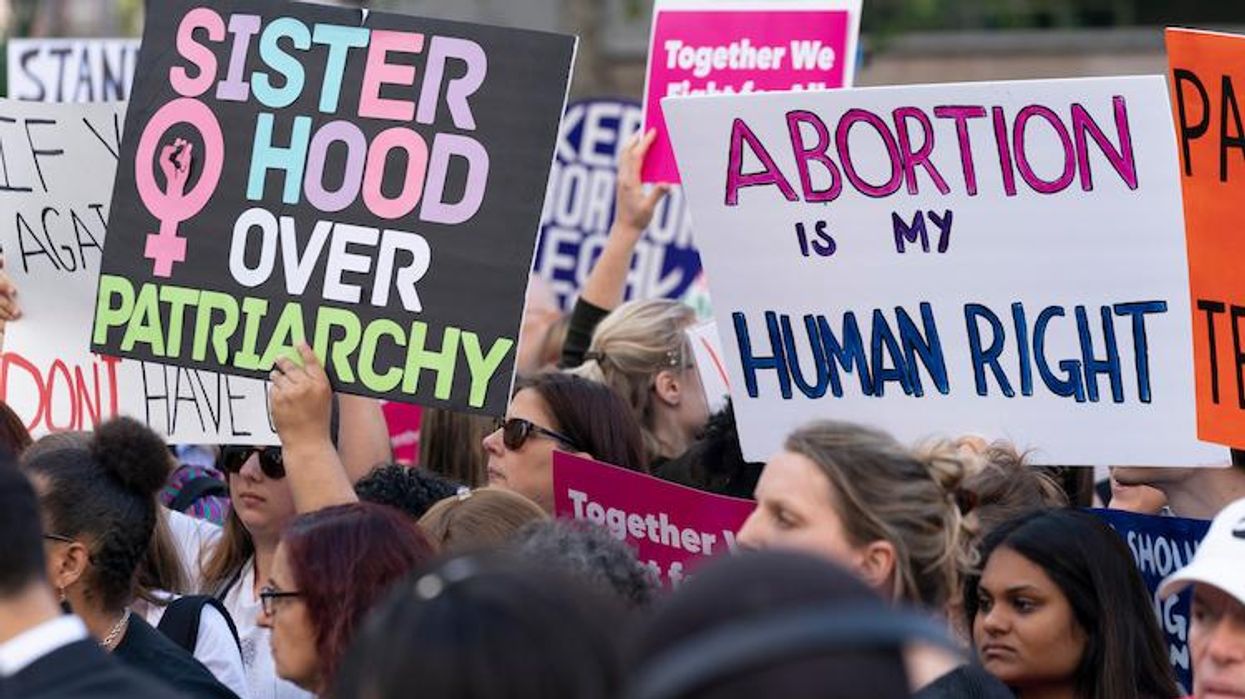

The Wyoming Supreme Court has struck down two laws prohibiting abortion, including the state's ban on abortion medication.
The court ruled 4-1 Tuesday that the laws are unconstitutional, as they violate a 2012 state amendment that solidified the right for residents make their own health care decisions. The state legislature passed the laws in spite of the amendment after the U.S. Supreme Court overturned Roe v. Wade on the basis that abortion somehow does not constitute health care.
"The State did not present enough evidence to show the restrictions (and exceptions) on performing abortions and the ban on medications (and exceptions) are no more restrictive than necessary to serve the State’s interest in protecting prenatal life," Chief Justice Lynne Boomgaarden wrote in the majority opinion. "Therefore, the majority held that those laws are unconstitutional."
Wyoming's general abortion ban prohibited abortion at any stage with limited exceptions for incest, sexual assault, or cases when the pregnant person's life is in danger, threatening penalties of up to five years in prison and a $20,000 fine. A separate 2023 law specifically targeted abortion medication, making it a felony to prescribe, sell, or use "any drug for the purpose of procuring or performing an abortion."
Related: Wyoming's abortion ban has been overturned, including its ban on abortion medication
Teton County District Judge Melissa Owens struck both laws down in November 2024, marking the third instance she ruled against them since the legal battle began in 2022. Owens determined that the laws violated women's rights by harming their health, well-being and livelihoods, while also violating the constitutional amendment.
While the state attempted to argue that abortion is not health care, the Wyoming Supreme Court disagreed. Boomgaarden wrote that because the decision to end a pregnancy includes considering one's "physical and mental health, finances, educational and career plans, personal relationships with her existing children and/or partner, and religious beliefs," it is impossible to separate the two.
"A pregnant woman’s decision to continue or terminate a pregnancy is influenced by many considerations, all of them personal to the pregnant woman and her individual circumstances," Boomgaarden wrote, adding, "Although a woman’s decision to have an abortion ends the fetal life, the decision is, nevertheless, one she makes concerning her own healthcare."
Florida and Texas filed a lawsuit against the Food and Drug Administration in December over its approval of the abortion pill mifepristone, joining two other lawsuits filed by Missouri and Louisiana last year. The suits challenge not only the FDA's approval of the medication but also its policies allowing it to be delivered via mail.
The U.S. Supreme Court in June 2024 unanimously rejected a similar lawsuit brought by doctors and anti-abortion groups but left the door open for future cases. Brett Kavanaugh wrote in the opinion that "citizens and doctors do not have standing to sue simply because others are allowed to engage in certain activities — at least without the plaintiffs demonstrating how they would be injured by the government’s alleged under-regulation of others.” A lawsuit from states will likely have stronger standing.
Related: Florida and Texas launch 'legal attack' in push to restrict abortion medication nationally
Mifepristone is used in two-thirds (63 percent) of U.S. abortions, according to a 2024 study from the Guttmacher Institute. A separate report from the Society of Family Planning found that as of June 2025, more than one-fourth (27 percent) of abortions in the U.S. were provided through telemedicine using mifepristone.
Wyoming's law was the first in the nation to explicitly ban abortion medication. Chelsea's Fund, a nonprofit that helps pay for abortion and contraceptive services for people in Wyoming, celebrated the ruling as a "landmark victory for reproductive freedom."
"Today's ruling affirms what we have always known: that abortion is essential healthcare, and Wyoming women have the constitutional right and the freedom to make their own healthcare decisions without government interference," the group said in a statement. "This decision supports our vision to realize a time when abortion is safe, legal, accessible and recognized as healthcare for the people of Wyoming."