'%3E%3Cpath d='M16.3574 35.6519H12.9537L15.0491 18.8873L16.3574 35.6519ZM30.4229 54.0093L22.309 0.994385H7.91795L0 54.0093H10.6634L11.5802 46.3855H17.4014L17.9914 54.0093H30.4229Z' fill='%23971B20'/%3E%3Cpath d='M48.2073 41.8813C48.2073 43.4049 47.4892 44.0011 46.1144 44.0011H43.7595V11.0687H46.1144C47.4892 11.0687 48.2073 11.6636 48.2073 13.1885V41.8813ZM59.5273 43.6695V11.3326C59.5273 3.71323 53.5729 0.994385 47.8157 0.994385H31.7213V54.0093H47.8157C53.5729 54.0093 59.5273 51.29 59.5273 43.6695Z' fill='%23971B20'/%3E%3Cpath d='M90.183 0.994385H78.6039L75.0711 30.6157L71.9955 0.994385H59.4346L69.2474 54.0093H80.373L90.183 0.994385Z' fill='%23971B20'/%3E%3Cpath d='M107.063 42.3448C107.063 43.7359 105.951 44.5974 104.643 44.5974C103.269 44.5974 102.157 43.7359 102.157 42.3448V12.658C102.157 11.2676 103.269 10.4058 104.643 10.4058C105.951 10.4058 107.063 11.2676 107.063 12.658V42.3448ZM119.233 43.2723V11.7312C119.233 6.36384 112.952 -3.8147e-06 104.643 -3.8147e-06C96.2667 -3.8147e-06 89.9867 6.36384 89.9867 11.7312V43.2723C89.9867 48.6393 96.2667 55 104.643 55C112.952 55 119.233 48.6393 119.233 43.2723Z' fill='%23971B20'/%3E%3Cpath d='M150.976 43.9349V33.7309H139.069V42.3448C139.069 43.7359 137.957 44.5974 136.582 44.5974C135.076 44.5974 133.964 43.7359 133.964 42.3448V12.658C133.964 11.2676 135.076 10.4058 136.582 10.4058C137.957 10.4058 139.069 11.2676 139.069 12.658V21.2723H150.976V11.0687C150.976 5.70107 145.283 -3.8147e-06 136.582 -3.8147e-06C127.75 -3.8147e-06 121.796 5.70107 121.796 11.0687V43.9349C121.796 49.3022 127.75 55 136.582 55C145.283 55 150.976 49.3022 150.976 43.9349Z' fill='%23971B20'/%3E%3Cpath d='M167.478 35.6519H164.076L166.17 18.8873L167.478 35.6519ZM181.544 54.0093L173.432 0.994385H159.037L151.123 54.0093H161.785L162.704 46.3855H168.523L169.114 54.0093H181.544Z' fill='%23971B20'/%3E%3Cpath d='M205.412 10.4058V0.994385H177.081V10.4058H185.392V54.0093H197.428V10.4058H205.412Z' fill='%23971B20'/%3E%3Cpath d='M230.002 54.0093V43.9349H218.914V31.8746H226.635V21.8028H218.914V10.4058H230.002V0.994385H206.875V54.0093H230.002Z' fill='%23971B20'/%3E%3C/g%3E%3Cdefs%3E%3CclipPath id='clip0_260_7080'%3E%3Crect width='230' height='55' fill='white'/%3E%3C/clipPath%3E%3C/defs%3E%3C/svg%3E)
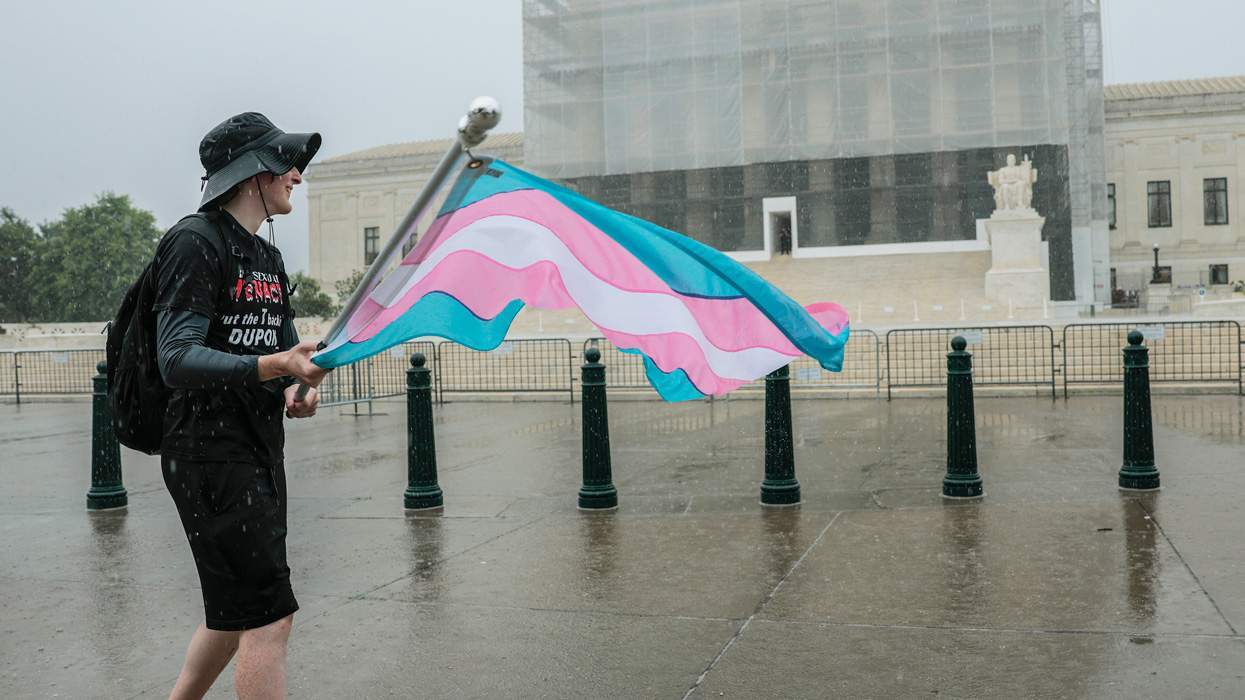

On Tuesday, the U.S. 4th Circuit Court of Appeals went a step further in the ongoing attacks on gender-affirming care for transgender individuals in this country.
While more than a dozen U.S. states currently prohibit or limit Medicaid coverage for gender-affirming care, the 4th Circuit became the first federal appeals court to enforce this type of law, according to a report by Reuters. The decision follows last year’s Supreme Court ruling in the United States v. Skrmetti case, which rejected a challenge to a Tennessee ban on gender-affirming treatment for minors.
The unanimous decision came from a three-judge panel of the 4th U.S. Circuit Court of Appeals in Richmond, Virginia, overturning a prior judge's ruling in 2024 that the statute violated anti-discrimination protections under federal law as well as the Constitution. In defense of the first-of-its-kind ruling, the 4th Circuit panel stated that since the law applies to specific procedures, not specific individuals, it does not illegally discriminate against transgender people.
The three judges on the panel — who’d all been appointed by Republican presidents (two by Trump and one by George Bush Sr.) — had dissented in 2024 when the majority of the 4th Circuit declared the West Virginia law invalid. In the 35-page documentation of the ruling, the panel expressed similar justifications for the decision as they had in the 2024 case.
"It is not irrational for a legislature to encourage citizens to appreciate their sex and not become disdainful of their sex by refusing to fund experimental procedures that may have the opposite effect," wrote Judge Julius Richardson, a Trump appointee.
The specific types of surgeries that the West Virginia law seeks to remove from Medicaid coverage include altering physical characteristics in order to align with one's gender identity, including chest reconstruction, genital alteration, and facial procedures. This is the first time that such restrictions have been enforced on Medicaid coverage for any transgender individuals, not just minors.
Republican West Virginia Attorney General John McCuskey added that the state should not have to foot the bill for "unproven, non-essential medical procedures."
"Every dollar spent on these unproven procedures takes away funding that could be used to treat cancer, heart disease, and diabetes," stated McCuskey.
Official legal opposition to this decision has yet to be filed in the courts, but is certainly expected. The Advocate will continue to follow this story as it unfolds.