'%3E%3Cpath d='M16.3574 35.6519H12.9537L15.0491 18.8873L16.3574 35.6519ZM30.4229 54.0093L22.309 0.994385H7.91795L0 54.0093H10.6634L11.5802 46.3855H17.4014L17.9914 54.0093H30.4229Z' fill='%23971B20'/%3E%3Cpath d='M48.2073 41.8813C48.2073 43.4049 47.4892 44.0011 46.1144 44.0011H43.7595V11.0687H46.1144C47.4892 11.0687 48.2073 11.6636 48.2073 13.1885V41.8813ZM59.5273 43.6695V11.3326C59.5273 3.71323 53.5729 0.994385 47.8157 0.994385H31.7213V54.0093H47.8157C53.5729 54.0093 59.5273 51.29 59.5273 43.6695Z' fill='%23971B20'/%3E%3Cpath d='M90.183 0.994385H78.6039L75.0711 30.6157L71.9955 0.994385H59.4346L69.2474 54.0093H80.373L90.183 0.994385Z' fill='%23971B20'/%3E%3Cpath d='M107.063 42.3448C107.063 43.7359 105.951 44.5974 104.643 44.5974C103.269 44.5974 102.157 43.7359 102.157 42.3448V12.658C102.157 11.2676 103.269 10.4058 104.643 10.4058C105.951 10.4058 107.063 11.2676 107.063 12.658V42.3448ZM119.233 43.2723V11.7312C119.233 6.36384 112.952 -3.8147e-06 104.643 -3.8147e-06C96.2667 -3.8147e-06 89.9867 6.36384 89.9867 11.7312V43.2723C89.9867 48.6393 96.2667 55 104.643 55C112.952 55 119.233 48.6393 119.233 43.2723Z' fill='%23971B20'/%3E%3Cpath d='M150.976 43.9349V33.7309H139.069V42.3448C139.069 43.7359 137.957 44.5974 136.582 44.5974C135.076 44.5974 133.964 43.7359 133.964 42.3448V12.658C133.964 11.2676 135.076 10.4058 136.582 10.4058C137.957 10.4058 139.069 11.2676 139.069 12.658V21.2723H150.976V11.0687C150.976 5.70107 145.283 -3.8147e-06 136.582 -3.8147e-06C127.75 -3.8147e-06 121.796 5.70107 121.796 11.0687V43.9349C121.796 49.3022 127.75 55 136.582 55C145.283 55 150.976 49.3022 150.976 43.9349Z' fill='%23971B20'/%3E%3Cpath d='M167.478 35.6519H164.076L166.17 18.8873L167.478 35.6519ZM181.544 54.0093L173.432 0.994385H159.037L151.123 54.0093H161.785L162.704 46.3855H168.523L169.114 54.0093H181.544Z' fill='%23971B20'/%3E%3Cpath d='M205.412 10.4058V0.994385H177.081V10.4058H185.392V54.0093H197.428V10.4058H205.412Z' fill='%23971B20'/%3E%3Cpath d='M230.002 54.0093V43.9349H218.914V31.8746H226.635V21.8028H218.914V10.4058H230.002V0.994385H206.875V54.0093H230.002Z' fill='%23971B20'/%3E%3C/g%3E%3Cdefs%3E%3CclipPath id='clip0_260_7080'%3E%3Crect width='230' height='55' fill='white'/%3E%3C/clipPath%3E%3C/defs%3E%3C/svg%3E)
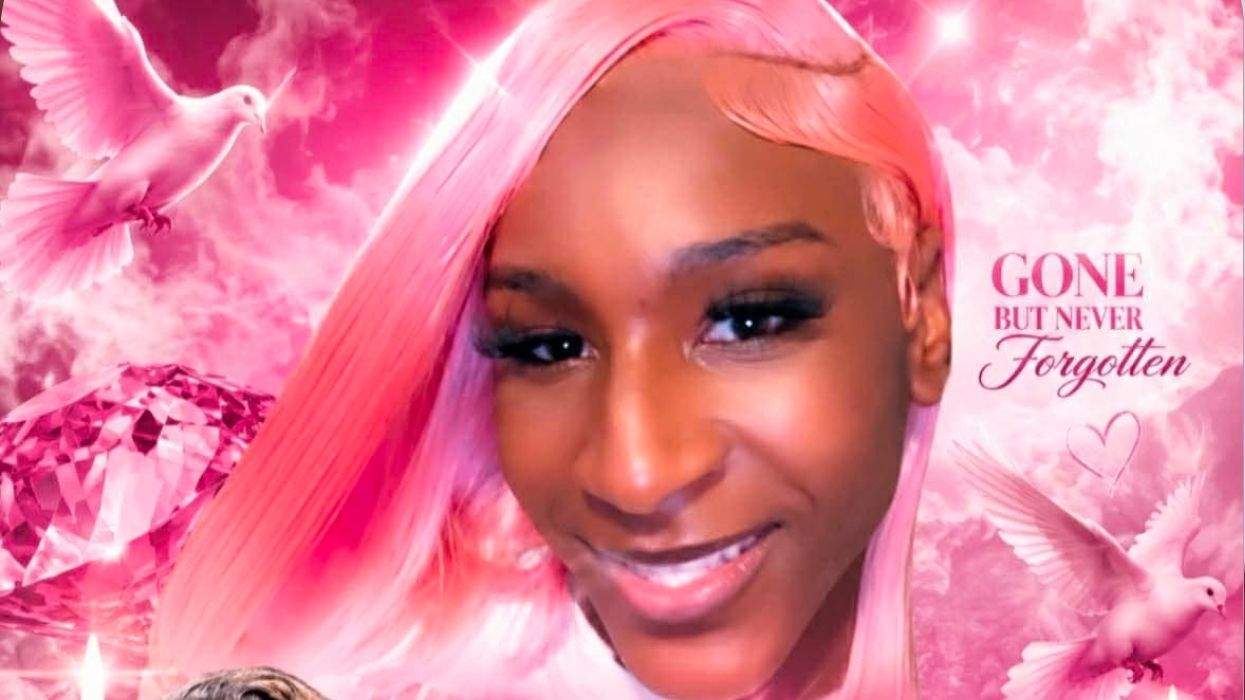

If a Black transgender teenager gets shot and killed in Florida and no one reports it, what does that say about the value of their life? It’s a question trans activists are struggling with after the scant attention paid to the killing of Jayla McGee, a 19-year-old whose death has been barely acknowledged by the media or authorities.
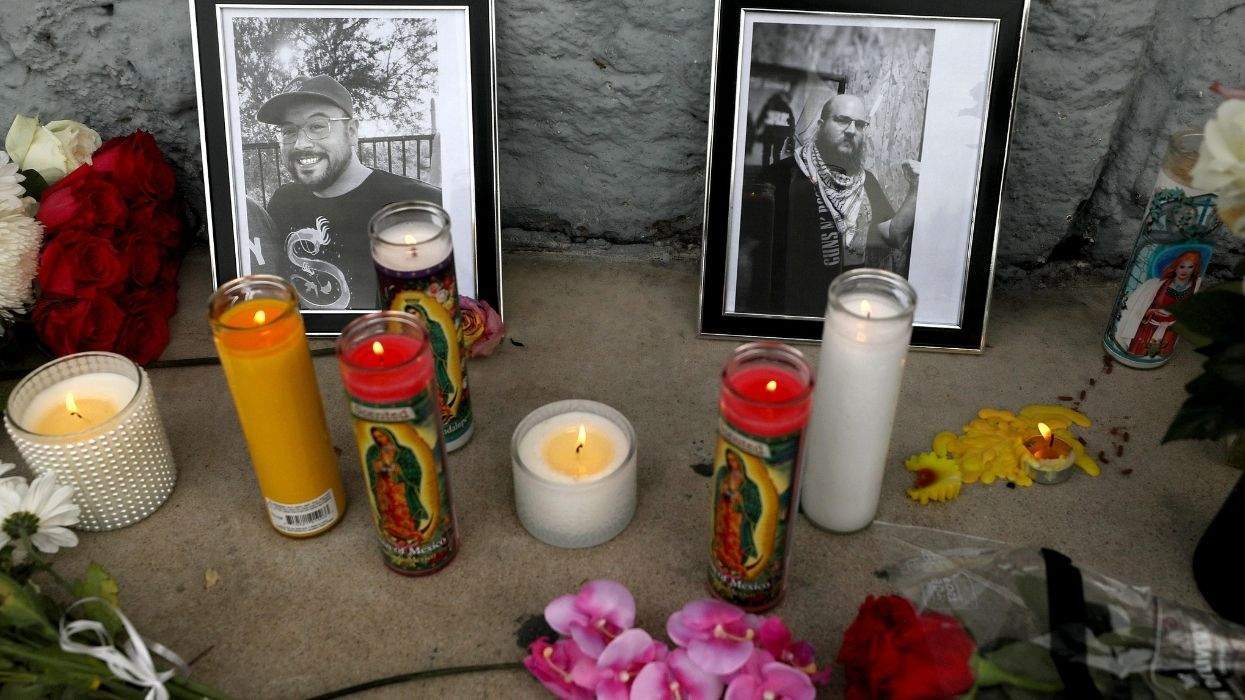
McGee's relatives announced her death on social media after she died on July 5. Posts promoting a candlelight vigil held July 18 identified her as Jayla and Baby Jay, while others used her apparent assigned name. In various posts, her mother, Jameka McGee, referred to McGee while also sharing graphics bearing the name Jayla.
According to social media reports, McGee died from gun violence in Belle Glade, Florida, where she was born and raised.
The Palm Beach Sheriff’s Office confirmed responding to a shooting at 5:28 p.m. on Southwest Avenue B.
“Upon arrival, deputies located an adult male deceased from gunshot wound(s),” a spokesperson for the Sheriff’s Office told The Advocate, which misgendered and deadnamed her. “Detectives are investigating this shooting as a homicide. No motive or suspect information is known at this time.”
But a mysterious fatal shooting, with the killer potentially still at large, has garnered no media attention in the Palm Beach market.
That’s despite South Florida being a major media market. The shooting occurred less than an hour from West Palm Beach and roughly the same distance from President Donald Trump’s Mar-a-Lago estate, in a lower-income inland community near one of the wealthiest coastal regions in the nation.
The death did earn notice from Pittsburgh Lesbian Correspondents, which chronicles the violent deaths of transgender people, particularly transgender people of color. The site notes that McGee was the 15th reported transgender person of color killed in the United States this year.
“I’m a little shocked that we cannot find any information, any acknowledgment that this young person was ripped from this mortal coil by gunshot,” wrote site founder Sue Kerr in a blog post. “There are many reports of violent incidents over that time period, but none match up with the facts that Jayla’s friends are posting.”
Trans United Fund also reported on the death, taking issue with both authorities’ refusal to recognize McGee’s identity and the media’s failure to document the homicide.
“That silence forced Jayla’s family and friends to preserve the record themselves. They documented her face, identity, names, date of death, the gun violence they say ended her life, and the grief that followed,” the site notes. “Without their testimony, a young Black trans person could die violently and then disappear from public understanding because official documentation failed to connect the death to the person her community knew.”
McGee’s erasure fits a broader pattern advocates have documented across the South, where the deaths of Black transgender women can be distorted or obscured by official records that fail to recognize their identities, investigate possible bias or accurately count the violence affecting their communities.
A March report from the social justice organization JULIAN cataloged more than 150 deaths described as "modern-day lynchings," notable hate crimes or suspicious deaths across seven Southern states, including Florida. More than 50 of the cases involved transgender women. The organization argues that the intersection of racism and transphobia is compounded by institutional failures, including incomplete investigations, inaccurate classifications and records that do not reflect the people their families and communities knew.
Federal statistics provide an incomplete picture as well. Hate crime reporting to the FBI is voluntary, and participation varies among law enforcement agencies, leaving gaps that make anti-transgender violence more difficult to recognize and measure. As JULIAN founder Jill Collen Jefferson put it in an interview with The Advocate at the time, “What cannot be fully counted can be more easily dismissed.”
Notably, the McGee family’s previous loss to gun violence did not receive the same lack of attention. Jayla's younger sister, Ronziyah, was killed in a shooting at her home on the same block where McGee died in 2022. That tragedy earned extensive coverage from ABC affiliate WPBF.