'%3E%3Cpath d='M16.3574 35.6519H12.9537L15.0491 18.8873L16.3574 35.6519ZM30.4229 54.0093L22.309 0.994385H7.91795L0 54.0093H10.6634L11.5802 46.3855H17.4014L17.9914 54.0093H30.4229Z' fill='%23971B20'/%3E%3Cpath d='M48.2073 41.8813C48.2073 43.4049 47.4892 44.0011 46.1144 44.0011H43.7595V11.0687H46.1144C47.4892 11.0687 48.2073 11.6636 48.2073 13.1885V41.8813ZM59.5273 43.6695V11.3326C59.5273 3.71323 53.5729 0.994385 47.8157 0.994385H31.7213V54.0093H47.8157C53.5729 54.0093 59.5273 51.29 59.5273 43.6695Z' fill='%23971B20'/%3E%3Cpath d='M90.183 0.994385H78.6039L75.0711 30.6157L71.9955 0.994385H59.4346L69.2474 54.0093H80.373L90.183 0.994385Z' fill='%23971B20'/%3E%3Cpath d='M107.063 42.3448C107.063 43.7359 105.951 44.5974 104.643 44.5974C103.269 44.5974 102.157 43.7359 102.157 42.3448V12.658C102.157 11.2676 103.269 10.4058 104.643 10.4058C105.951 10.4058 107.063 11.2676 107.063 12.658V42.3448ZM119.233 43.2723V11.7312C119.233 6.36384 112.952 -3.8147e-06 104.643 -3.8147e-06C96.2667 -3.8147e-06 89.9867 6.36384 89.9867 11.7312V43.2723C89.9867 48.6393 96.2667 55 104.643 55C112.952 55 119.233 48.6393 119.233 43.2723Z' fill='%23971B20'/%3E%3Cpath d='M150.976 43.9349V33.7309H139.069V42.3448C139.069 43.7359 137.957 44.5974 136.582 44.5974C135.076 44.5974 133.964 43.7359 133.964 42.3448V12.658C133.964 11.2676 135.076 10.4058 136.582 10.4058C137.957 10.4058 139.069 11.2676 139.069 12.658V21.2723H150.976V11.0687C150.976 5.70107 145.283 -3.8147e-06 136.582 -3.8147e-06C127.75 -3.8147e-06 121.796 5.70107 121.796 11.0687V43.9349C121.796 49.3022 127.75 55 136.582 55C145.283 55 150.976 49.3022 150.976 43.9349Z' fill='%23971B20'/%3E%3Cpath d='M167.478 35.6519H164.076L166.17 18.8873L167.478 35.6519ZM181.544 54.0093L173.432 0.994385H159.037L151.123 54.0093H161.785L162.704 46.3855H168.523L169.114 54.0093H181.544Z' fill='%23971B20'/%3E%3Cpath d='M205.412 10.4058V0.994385H177.081V10.4058H185.392V54.0093H197.428V10.4058H205.412Z' fill='%23971B20'/%3E%3Cpath d='M230.002 54.0093V43.9349H218.914V31.8746H226.635V21.8028H218.914V10.4058H230.002V0.994385H206.875V54.0093H230.002Z' fill='%23971B20'/%3E%3C/g%3E%3Cdefs%3E%3CclipPath id='clip0_260_7080'%3E%3Crect width='230' height='55' fill='white'/%3E%3C/clipPath%3E%3C/defs%3E%3C/svg%3E)
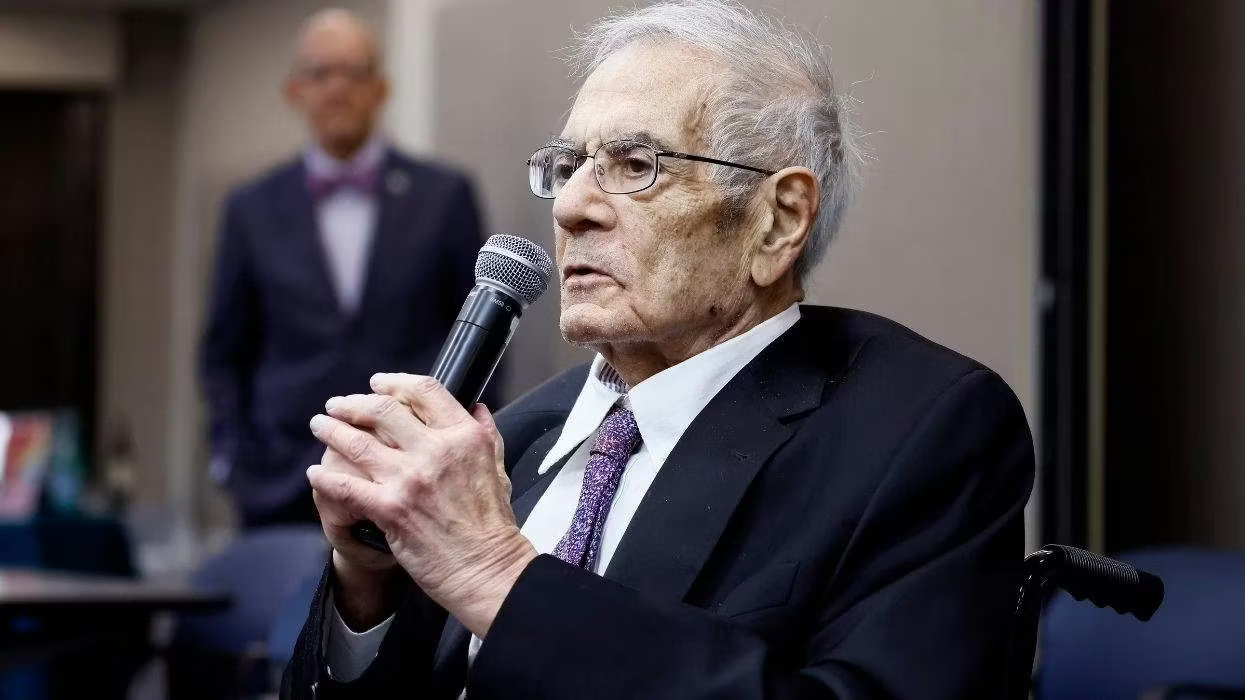

I was heartsick watching Barney Frank being interviewed by Jake Tapper last Sunday. It was haunting to see him: very hard to understand, and he was clearly heavily medicated.
The one thing I kept thinking was, " Why is he doing this?” As a lifelong PR guy, I would have strongly advised against it. Strongly. For a larger-than-life personality like Frank, going out with a whisper felt self-defeating.
I thought about how Ronald Reagan left the public eye, writing a touching letter to the American people about his Alzheimer’s diagnosis in November 1994. That letter went on to define how he lived the last decade of his life, quietly and with dignity.
Tapper was visibly uncomfortable speaking with Frank, which I think reflected how many of us felt watching it.
Then Frank caused even more discomfort by suggesting that Democrats needed to rethink their approach to transgender rights. When he brought it up, I cringed. Then I scrolled through social media and saw the visceral reaction to his comments.
Related: From hospice, Barney Frank urges Democrats to rethink trans rights approach
What Frank said was nothing new. If you know his track record, you know he has long argued for an incremental strategy to secure trans equality. Since the mid-2000s, he has emphasized a “granular” approach to transgender rights.
This was underscored by his controversial 2007 effort to advance the Employment Non-Discrimination Act (ENDA). Believing an inclusive bill lacked the votes to pass the House, Frank intentionally stripped protections based on gender identity, pursuing a “sexual orientation–only” strategy to secure Republican support and pass a narrower bill.
While he introduced a separate gender identity version as a symbolic gesture, he privately acknowledged it was doomed to fail, framing the choice as a pragmatic necessity to achieve incremental progress rather than accepting total defeat.
That was almost 20 years ago, and so much has changed since then as transgender people have stepped forward and become more visible.
Related: ENDA to Be Separated Into Two Bills: Sexual Orientation and Gender Identity
Despite that, Frank’s attitude doesn’t seem to have changed, unless he simply wasn’t explaining himself clearly to Tapper. Frank retired in 2013, so he’s been out of the legislative and political arena for more than a decade. Have his views remained frozen in that time?
Since Frank left Congress, transgender people have moved from the margins of public life to the center of cultural and political dialogue. This “transgender tipping point,” as Time magazine called it in 2014, has been driven by a surge in high-profile visibility across entertainment and government.
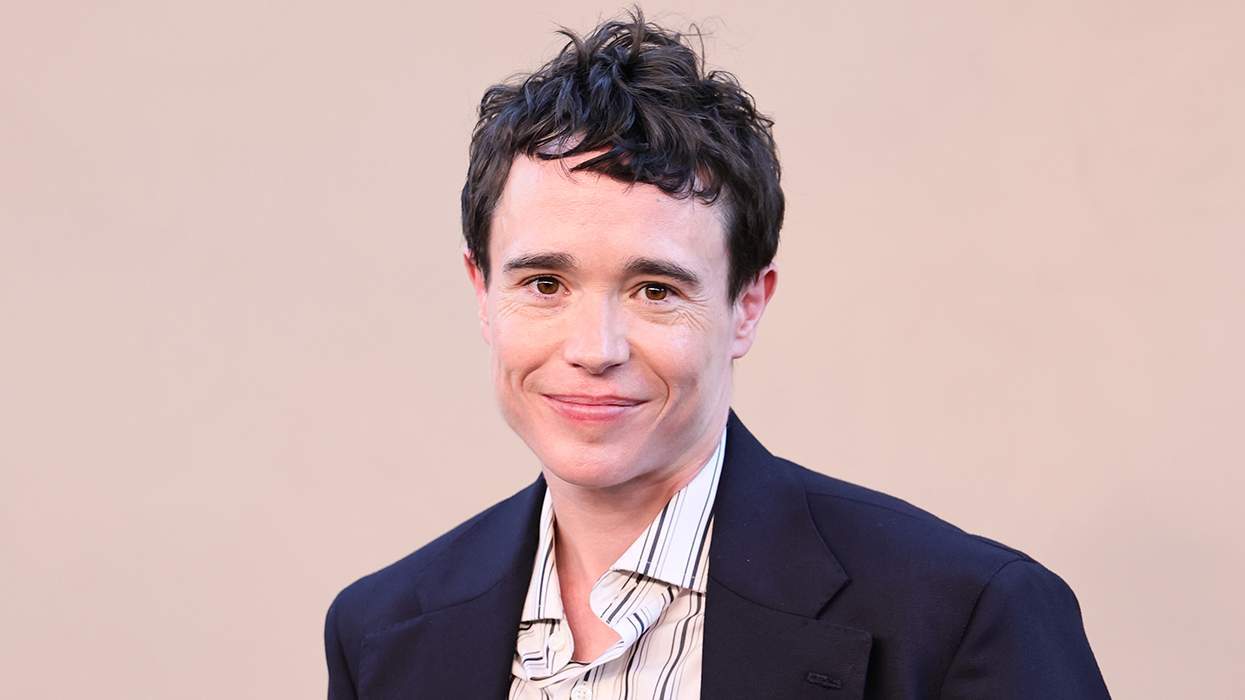
Figures like Laverne Cox and Elliot Page have used their platforms to share authentic narratives, while public servants such as Sarah McBride, the first out transgender person elected to the U.S. House, and Dr. Rachel Levine, the first Senate-confirmed transgender federal official, have demonstrated that transgender people are essential contributors to American governance.
This increased visibility has fostered greater empathy. By 2019, support for transgender rights in the U.S. had climbed to roughly 62 percent.
Despite this progress, the GOP has increasingly used transgender identity as a primary political wedge issue, calling transgender people a threat to women’s sports, privacy, or traditional definitions.
Republican-led legislatures have introduced hundreds of bills aimed at restricting gender-affirming care and public accommodations. This rhetoric often portrays equality not as a civil right but as a “radical” ideology that endangers society—a strategy designed to mobilize conservative voters even when it contradicts broader public support for nondiscrimination.
Related: Experts say that gender-affirming care bans amount to 'abuse.' Why won't lawmakers listen?
What Frank did on Sunday effectively validated those arguments. And that’s what made the interview even more depressing than it already was.
So how should we handle Frank’s comments?
Without making assumptions, and without defending him, Frank is nearly 87 years old and in hospice care. Regardless of how liberal he is, he is also a product of his generation. Conversations I’ve had with LGBTQ+ people over 70 often include the view that transgender issues complicate the broader fight for equality.
That perspective doesn’t apply to everyone. It’s disappointing, and often narrow-minded. But in my experience, the fight for trans rights has been taken up most forcefully by a younger generation, and that’s what gives me hope.
I’ve also spoken with leading Democrats in the House in recent years, and each one has emphasized that supporting the trans community is paramount.
Then there’s the matter of Frank’s health. Watching the interview with my partner, who is a physician, he noted that Frank seemed under the influence of powerful medications to make him more comfortable in his dying days, which might explain why he wasn’t fully lucid. At times during the interview, he couldn’t even keep his eyes open.
He managed a few forced quips, including that he had been “trying to decide…personally, whether it’s better to be an icon or an emoji.” But the interview was clearly laborious and a struggle.
The bottom line is that Frank did so much in his lifetime to advance LGBTQ+ rights and equality. What I will remember most is when he came out in 1987.
I was a closeted and fearful gay man working on the Hill when it happened. The imbroglio exploded with the revelation that Frank had a gay sex worker, Steve Gobie — a name I will always remember because the incident was so shocking at the time — living with him. It was devastating to Frank and to me.
If you were a closeted gay man at that time, you couldn’t come out because of AIDS. The Frank scandal expanded the stigma to include gay prostitution. It was a double blow: if you were gay, you were assumed to be sick, seedy, or both.
I thought he was finished, and so was any hope I had of ever coming out. But Frank handled it masterfully and went on to have a brilliant career. And so did I, as an openly gay man.
Frank’s interview was the opposite of masterful, and that’s what makes it so crushing. There was no reason to do it, and no reason to revive a stale argument about transgender rights.
But Frank is an aging and dying man, and he should be afforded the opportunity to spend his final days in peace and comfort. He should be remembered not for his last days, but for his best ones.
Opinion is dedicated to featuring a wide range of inspiring personal stories and impactful opinions from the LGBTQ+ community and its allies. Visit Advocate.com/submit to learn more about submission guidelines. We welcome your thoughts and feedback on any of our stories. Email us at voices@equalpride.com. Views expressed in Voices stories are those of the guest writers, columnists, and editors, and do not directly represent the views of The Advocate or our parent company, equalpride.