'%3E%3Cpath d='M16.3574 35.6519H12.9537L15.0491 18.8873L16.3574 35.6519ZM30.4229 54.0093L22.309 0.994385H7.91795L0 54.0093H10.6634L11.5802 46.3855H17.4014L17.9914 54.0093H30.4229Z' fill='%23971B20'/%3E%3Cpath d='M48.2073 41.8813C48.2073 43.4049 47.4892 44.0011 46.1144 44.0011H43.7595V11.0687H46.1144C47.4892 11.0687 48.2073 11.6636 48.2073 13.1885V41.8813ZM59.5273 43.6695V11.3326C59.5273 3.71323 53.5729 0.994385 47.8157 0.994385H31.7213V54.0093H47.8157C53.5729 54.0093 59.5273 51.29 59.5273 43.6695Z' fill='%23971B20'/%3E%3Cpath d='M90.183 0.994385H78.6039L75.0711 30.6157L71.9955 0.994385H59.4346L69.2474 54.0093H80.373L90.183 0.994385Z' fill='%23971B20'/%3E%3Cpath d='M107.063 42.3448C107.063 43.7359 105.951 44.5974 104.643 44.5974C103.269 44.5974 102.157 43.7359 102.157 42.3448V12.658C102.157 11.2676 103.269 10.4058 104.643 10.4058C105.951 10.4058 107.063 11.2676 107.063 12.658V42.3448ZM119.233 43.2723V11.7312C119.233 6.36384 112.952 -3.8147e-06 104.643 -3.8147e-06C96.2667 -3.8147e-06 89.9867 6.36384 89.9867 11.7312V43.2723C89.9867 48.6393 96.2667 55 104.643 55C112.952 55 119.233 48.6393 119.233 43.2723Z' fill='%23971B20'/%3E%3Cpath d='M150.976 43.9349V33.7309H139.069V42.3448C139.069 43.7359 137.957 44.5974 136.582 44.5974C135.076 44.5974 133.964 43.7359 133.964 42.3448V12.658C133.964 11.2676 135.076 10.4058 136.582 10.4058C137.957 10.4058 139.069 11.2676 139.069 12.658V21.2723H150.976V11.0687C150.976 5.70107 145.283 -3.8147e-06 136.582 -3.8147e-06C127.75 -3.8147e-06 121.796 5.70107 121.796 11.0687V43.9349C121.796 49.3022 127.75 55 136.582 55C145.283 55 150.976 49.3022 150.976 43.9349Z' fill='%23971B20'/%3E%3Cpath d='M167.478 35.6519H164.076L166.17 18.8873L167.478 35.6519ZM181.544 54.0093L173.432 0.994385H159.037L151.123 54.0093H161.785L162.704 46.3855H168.523L169.114 54.0093H181.544Z' fill='%23971B20'/%3E%3Cpath d='M205.412 10.4058V0.994385H177.081V10.4058H185.392V54.0093H197.428V10.4058H205.412Z' fill='%23971B20'/%3E%3Cpath d='M230.002 54.0093V43.9349H218.914V31.8746H226.635V21.8028H218.914V10.4058H230.002V0.994385H206.875V54.0093H230.002Z' fill='%23971B20'/%3E%3C/g%3E%3Cdefs%3E%3CclipPath id='clip0_260_7080'%3E%3Crect width='230' height='55' fill='white'/%3E%3C/clipPath%3E%3C/defs%3E%3C/svg%3E)
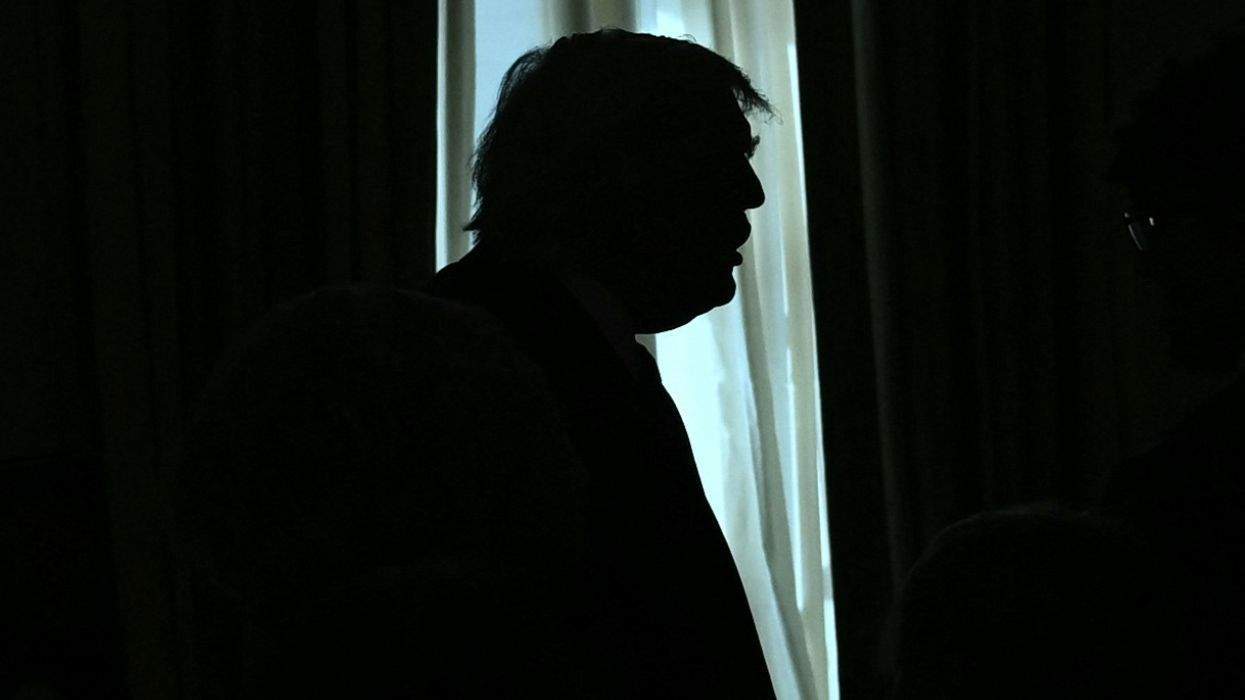

For the first time in his presidency, Donald Trump is set to attend the White House Correspondents’ Dinner, an event meant to celebrate the First Amendment and the role of a free press. The symbolism would be notable under any circumstances. At this moment, it is something closer to jarring.
“Look at the results so far: PBS defunded. NPR defunded… CBS is under new leadership, and soon enough, CNN is going to have new ownership too.”
They are targeting the public’s right to know.
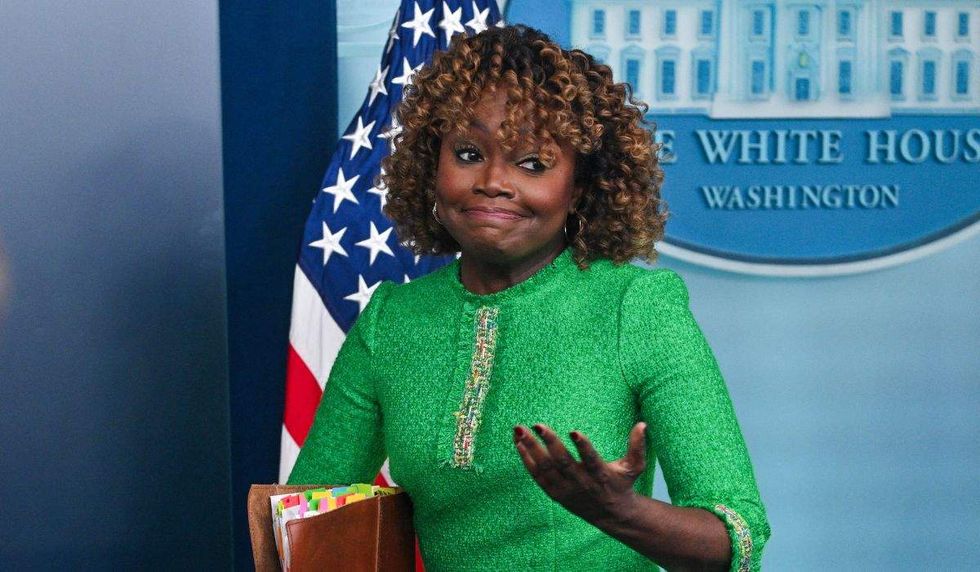 White House press secretary Karine Jean-Pierre reacts at the end of her last press briefing at the White House in Washington, DC, on January 15, 2025. ROBERTO SCHMIDT / AFP) (Photo by ROBERTO SCHMIDT/AFP via Getty Images
That was Federal Communications Commission Chairman Brendan Carr, a Trump appointee who oversees the nation’s communications sector, speaking at a conservative conference last month, ticking through what he views as victories. He continued: “We’re not at the point yet where we’re raising the ‘mission accomplished’ flag. But President Trump is taking on the fake news media, and President Trump is winning.”
Related: Grindr’s White House Correspondents’ Dinner pre-party is the hottest ticket in Washington
It was a striking admission. Not just of hostility toward the press, but of something broader: a project to weaken, reshape, and ultimately control the institutions designed to hold power to account. When a sitting regulator, one tasked with operating independently, frames the erosion of independent journalism as a political scoreboard, it should alarm anyone who values a functioning democracy.
Carr’s comments were not a gaffe. They reflect a sustained effort to delegitimize the press. For years, President Trump has labeled journalists “enemies of the people,” attacked outlets that publish unfavorable coverage, and elevated those that reinforce his narrative. What is new and more concerning is the growing alignment between that rhetoric and the tools of government power.
A free press is not a partisan institution.
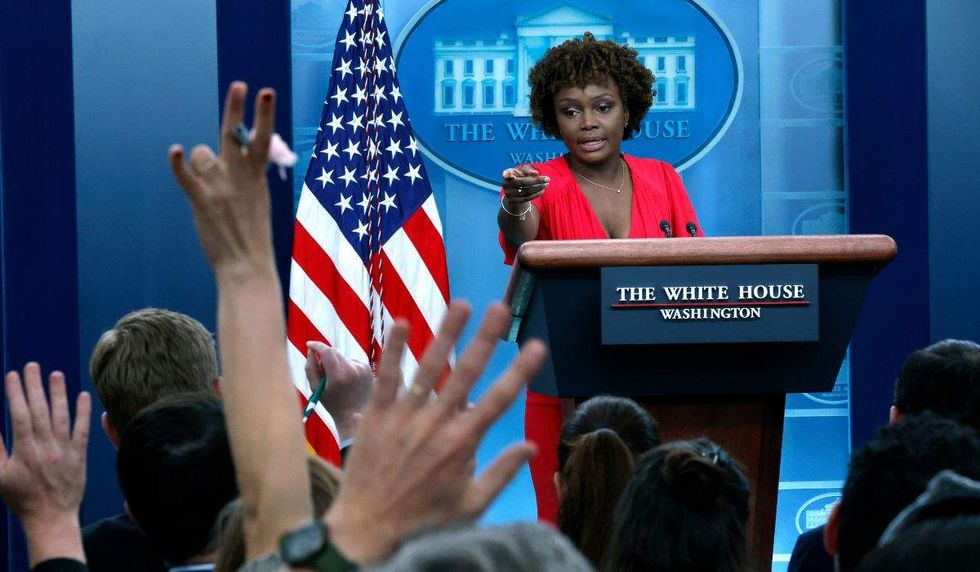 Newly appointed White House Press Secretary Karine Jean-Pierre calls on reporters during her first news conference in the Brady Press Briefing Room at the White House on May 16, 2022 in Washington, DC. Chip Somodevilla/Getty Images
Defunding public broadcasters. Applying pressure to corporate ownership. Signaling regulatory scrutiny. These are not abstract grievances. They are concrete mechanisms that can reshape the media landscape, chilling dissent and narrowing the space for independent reporting.
A free press is not a partisan institution. It is a constitutional safeguard, enshrined in the First Amendment, because the framers understood that democracy cannot function without scrutiny. As a cornerstone of our democracy, it ensures that those in power remain accountable to the people. Journalists investigate corruption, expose abuses, and provide the public with the information needed to make informed decisions. When those in power seek to intimidate or undermine that role, they are not just targeting headlines. They are targeting the public’s right to know.
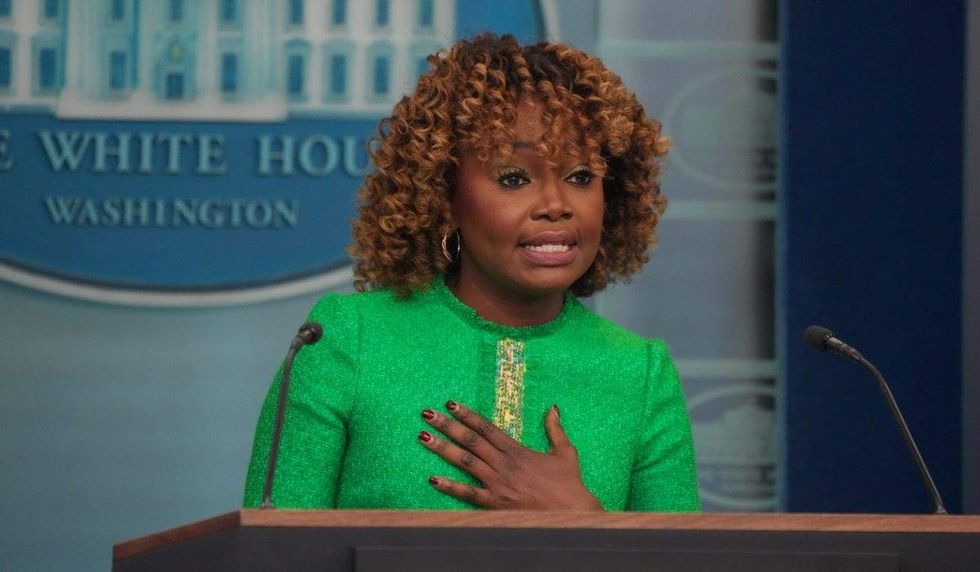 White House Press Secretary Karine Jean-Pierre delivers her last press briefing of the Biden Administration in Washington, D.C., United States, on January 15, 2025.Andrew Leyden/NurPhoto via Getty Images
That is why the symbolism of the White House Correspondents’ Dinner matters. At its best, the dinner is a reaffirmation that even amid tension, the relationship between government and the press is grounded in a shared recognition of the press’s essential role. Which makes this moment feel less like a celebration and more like a contradiction.
Related: Looksmaxxing' influencer Clavicular to attend White House Correspondents' Dinner event
The relationship between government and the press is grounded in a shared recognition of the press’s essential role.
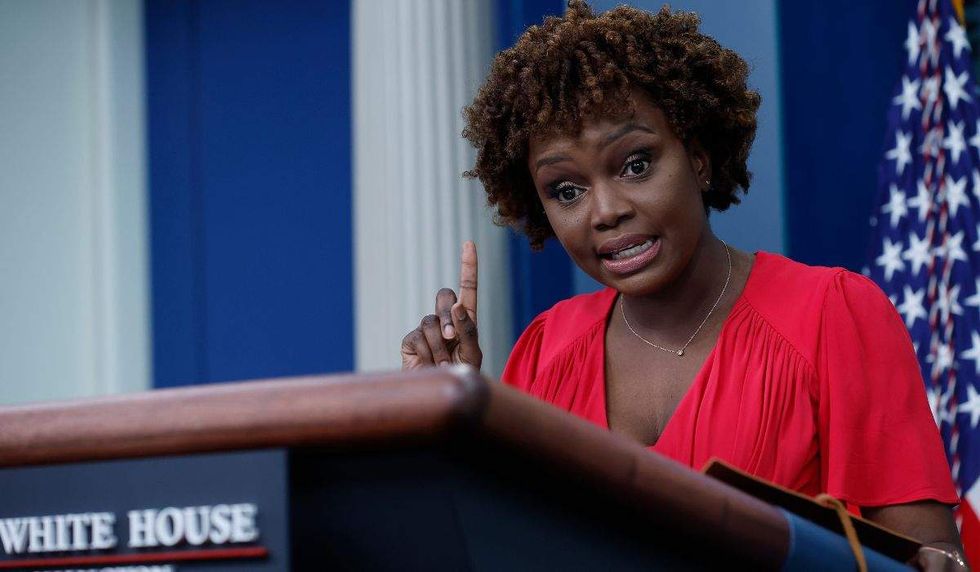 Newly appointed White House Press Secretary Karine Jean-Pierre holds her first news conference in the Brady Press Briefing Room at the White House on May 16, 2022, in Washington, DC. Chip Somodevilla/Getty Images
This is not about media grievance or partisan score settling. It is about whether the United States continues to uphold the norms that sustain democratic accountability. A government that treats independent journalism as an adversary to defeat, rather than a check to respect, risks losing its accountability to the people it serves.
The press is not perfect. No institution is. But the answer to imperfect journalism is not intimidation or control. It is more transparency, more accountability, and a deeper commitment to truth.
Because the stakes are not abstract. When the press is weakened, the public is left in the dark. And in a democracy, darkness is where abuses of power thrive.
That, not the speeches and not the jokes, is what this year’s White House Correspondents’ Dinner should remind us of.
Karine Jean-Pierre served as White House Press Secretary from 2022 to 2025, becoming the first Black woman and the first out LGBTQ+ person to hold the role. She has since left the Democratic Party and identifies as an independent. Jean-Pierre is the author of Moving Forward and Independent: A Look Inside a Broken White House, Outside the Party Lines.
Opinion is dedicated to featuring a wide range of inspiring personal stories and impactful opinions from the LGBTQ+ community and its allies. Visit Advocate.com/submit to learn more about submission guidelines. We welcome your thoughts and feedback on any of our stories. Email us at voices@equalpride.com. Views expressed in Voices stories are those of the guest writers, columnists, and editors, and do not directly represent the views of The Advocate or our parent company, equalpride.