'%3E%3Cpath d='M16.3574 35.6519H12.9537L15.0491 18.8873L16.3574 35.6519ZM30.4229 54.0093L22.309 0.994385H7.91795L0 54.0093H10.6634L11.5802 46.3855H17.4014L17.9914 54.0093H30.4229Z' fill='%23971B20'/%3E%3Cpath d='M48.2073 41.8813C48.2073 43.4049 47.4892 44.0011 46.1144 44.0011H43.7595V11.0687H46.1144C47.4892 11.0687 48.2073 11.6636 48.2073 13.1885V41.8813ZM59.5273 43.6695V11.3326C59.5273 3.71323 53.5729 0.994385 47.8157 0.994385H31.7213V54.0093H47.8157C53.5729 54.0093 59.5273 51.29 59.5273 43.6695Z' fill='%23971B20'/%3E%3Cpath d='M90.183 0.994385H78.6039L75.0711 30.6157L71.9955 0.994385H59.4346L69.2474 54.0093H80.373L90.183 0.994385Z' fill='%23971B20'/%3E%3Cpath d='M107.063 42.3448C107.063 43.7359 105.951 44.5974 104.643 44.5974C103.269 44.5974 102.157 43.7359 102.157 42.3448V12.658C102.157 11.2676 103.269 10.4058 104.643 10.4058C105.951 10.4058 107.063 11.2676 107.063 12.658V42.3448ZM119.233 43.2723V11.7312C119.233 6.36384 112.952 -3.8147e-06 104.643 -3.8147e-06C96.2667 -3.8147e-06 89.9867 6.36384 89.9867 11.7312V43.2723C89.9867 48.6393 96.2667 55 104.643 55C112.952 55 119.233 48.6393 119.233 43.2723Z' fill='%23971B20'/%3E%3Cpath d='M150.976 43.9349V33.7309H139.069V42.3448C139.069 43.7359 137.957 44.5974 136.582 44.5974C135.076 44.5974 133.964 43.7359 133.964 42.3448V12.658C133.964 11.2676 135.076 10.4058 136.582 10.4058C137.957 10.4058 139.069 11.2676 139.069 12.658V21.2723H150.976V11.0687C150.976 5.70107 145.283 -3.8147e-06 136.582 -3.8147e-06C127.75 -3.8147e-06 121.796 5.70107 121.796 11.0687V43.9349C121.796 49.3022 127.75 55 136.582 55C145.283 55 150.976 49.3022 150.976 43.9349Z' fill='%23971B20'/%3E%3Cpath d='M167.478 35.6519H164.076L166.17 18.8873L167.478 35.6519ZM181.544 54.0093L173.432 0.994385H159.037L151.123 54.0093H161.785L162.704 46.3855H168.523L169.114 54.0093H181.544Z' fill='%23971B20'/%3E%3Cpath d='M205.412 10.4058V0.994385H177.081V10.4058H185.392V54.0093H197.428V10.4058H205.412Z' fill='%23971B20'/%3E%3Cpath d='M230.002 54.0093V43.9349H218.914V31.8746H226.635V21.8028H218.914V10.4058H230.002V0.994385H206.875V54.0093H230.002Z' fill='%23971B20'/%3E%3C/g%3E%3Cdefs%3E%3CclipPath id='clip0_260_7080'%3E%3Crect width='230' height='55' fill='white'/%3E%3C/clipPath%3E%3C/defs%3E%3C/svg%3E)

On Grindr, the language is blunt, and the scrolling carousel feels more like a diner menu than anything resembling a human connection, different versions of the same thing, arranged for easy consumption. Like a fast-food joint, it’s designed to keep people moving and coming back. It passes quickly, with little value beyond a brief dopamine hit.
For a platform built on proximity, it can feel curiously distant, less like an encounter and more like a transaction that resets the moment it ends. Want another burger? Just head back to the drive-thru. And just like everything else on and offline these days, if you do want more, it’s going to cost you. With endless Candy Crush Ads and a prohibitive paywall, the enshitification is in full effect.
And what are you paying for, exactly? The slow, sad death of gay bars? A lobbying campaign in deep-red DC? Blunt language that has always veered into dark corners, bigotry dressed up as preference: “no Blacks,” “no Asians,” “no femme,” “white only,”—not isolated incidents. A constant static hiss that you only really hear if you are one of the listed “preferences”. And no matter how keenly the language gets coded, the underlying structure stays put, a sorting mechanism that determines who is ignored or fetishized, and who is rewarded with algorithmic glory.
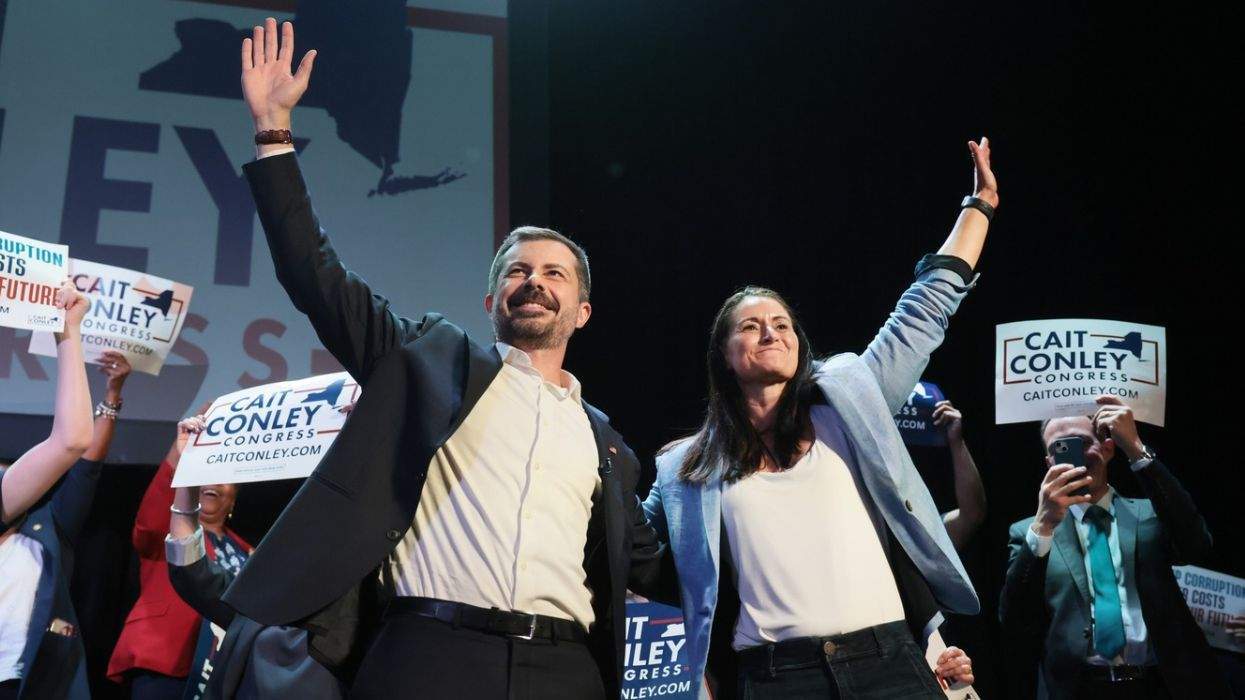
Related: Democrats turn to gay hook-up app Grindr to reach LGBTQ+ voters ahead of the election
The fast-food-ification of sex is a model built less on curiosity than on predictability. It runs on repetition. What works gets surfaced again. What doesn’t quietly fade away. Within this matrix, desire becomes more like a finely tuned Pinterest board and much less like the exciting, surprising, and often horizon-expanding experience of going out on the town and getting laid. Certain bodies appear more often.
Certain expressions are reinforced. Over time, the platform does not simply reflect its users. It begins to shape them. It rewards what keeps the loop intact. Preference starts to trick the user into thinking they’ve arrived at their original desire, rather than being molded into an algorithmic cog in a machine that relies on user addiction.
And at the same time, Donald Trump’s Washington, D.C. is falling prey to a similar style of corporate enshitificationas everything else in American life. What once passed for something respectfully stately is melting into something more artificial—a cosplay of power that resembles other nations, only tackier. Everything gets a logo. Even the food served at the White House to some of the most accomplished athletes in the country comes from a fast-food joint, wrapped in shiny foil and plastic, presented as a special occasion when it’s really just a pile of addictive ingredients packaged to resemble actual food. It looks the part. It performs the ritual. But it’s engineered to excite and hook you. Want to see more of the Lincoln Memorial? Sit through these four ads.
Related: Grindr Faces Boycott After Gay CEO's Right-Wing Tweets Are Revealed
In recent months, Grindr has expanded its activity in Washington, building relationships across party lines—suspiciously more so now that it can navigate a sea full of red—investing in lobbying efforts and positioning itself in conversations that extend far beyond the app. Its presence around the White House Correspondents’ Dinner signals an ambition to operate within the same networks that shape media, policy, and perception.
A hookup app, suddenly fluent in the language of lobbying, rubbing elbows in rooms where closeness to power is its own currency. And in the context of it proactively celebrating and joking about its usage surges during Republican high-saturation convention events, maybe the joke’s on us for sharing the funny memes about Grindr usage surges. Maybe we’re doing their PR and priming the pump for Grindr’s eventual and obvious slide to the right. A place where we’re given so many examples of white gay men being the right gay men. In this city, where championship athletes can be welcomed to the White House with fast food, maybe Grindr has found its perfect and ideal home—a deeply racist place where artificiality overwrites everything else.
Related: HRC uses Grindr to target Washington’s White House Correspondents’ Dinner power crowd
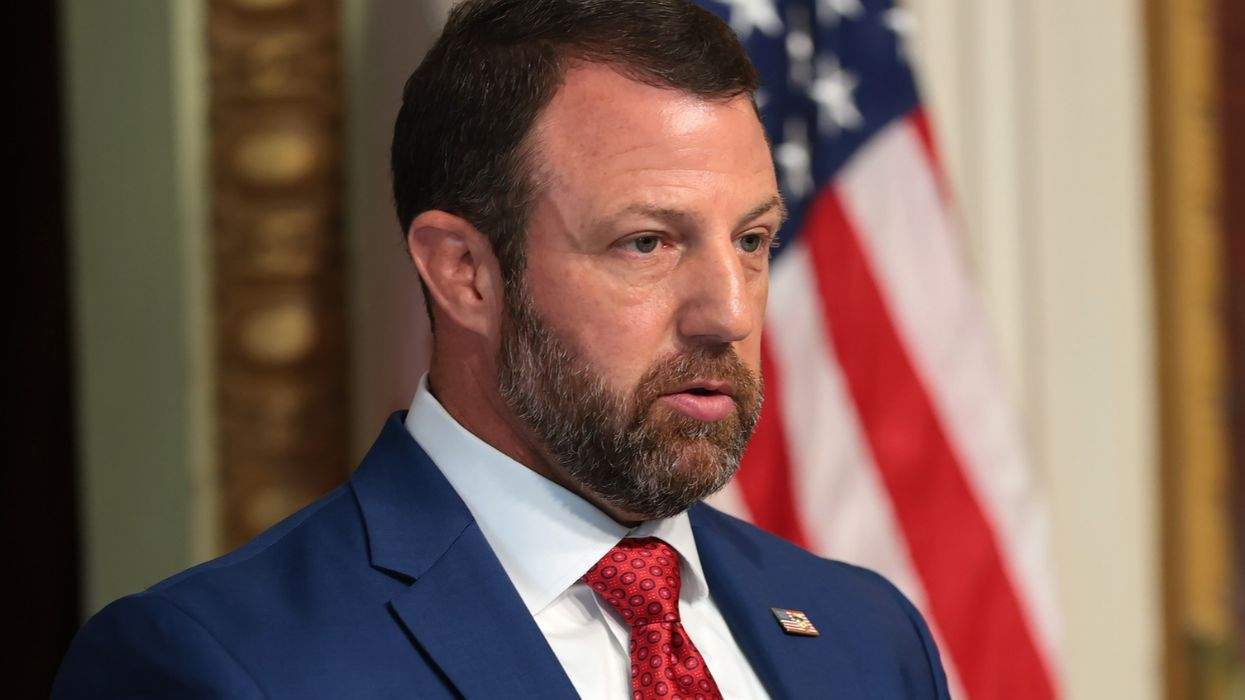
Why would Grindr’s leadership feel so comfortable here? The answer isn’t hiding one level below the surface; it’s in full view when you look at who is running it and how they navigate and manipulate the world. As reported by The Advocate and others, the company is not just casually brushing up against politics. It is staffed, at key levels, by people who are fluent in it. Its CEO, George Arison, has described himself as a conservative, someone who agrees with at least some of Donald Trump’s policies, even as he distances himself from the man himself. The distinction feels less meaningful when you look at Grindr’s presence in DC this week. Hard to keep a distance, when you’ve been described as the hottest ticket in town—a town that has slid into deep red fascism as of late. Funded by the dopamine hit addiction of its users, who will probably not leave the app, Grindr now gets to show its true colors and lobby on behalf of its richest stakeholders.
Grindr’s head of global government affairs, Joe Hack, spent years working inside Republican political circles before stepping into his current role. Since then, the company has poured significant resources into lobbying, building relationships on Capitol Hill, and inserting itself into policy conversations that extend well beyond anything resembling a hookup app. The issues themselves—HIV prevention, privacy, access to care—are real, and in many cases extremely necessary.
But when you are working within a government that routinely slashes AIDS care funding, limits access to AIDS-related drugs, has signaled it wants to make PrEP entirely unaffordable to most, is deeply entrenched in the anti-trans movement, actively puts white gay people on a pedestal away from everyone else, and legislates against the community as a whole—what good could you possibly be doing? None.
Related: Grindr’s White House Correspondents’ Dinner pre-party is the hottest ticket in Washington
A platform built on optimizing behavior learns over time how to commodify usage for the benefit of the few at the very top of its pyramid. Even the contradictions are useful. Grindr’s well-documented usage spikes during major Republican events have long been treated as a punchline, a kind of cultural irony that circulates easily online. Closeted desire meeting public conservatism. The joke writes itself. Attention is attention, and engagement is worth its weight in gold. Now that we’re all used to talking about conservatism and Grindr in the same sentence, we’ve done the heavy lifting for them. A platform built on repetition does not need to resolve any contradiction. It only needs to keep it in motion.
Now that Grindr is comfortably slithering around the murkiest swamp to ever exist in Washington, D.C., which version of queer life is it bringing with it? How will its politics be expressed? Quietly. Through access. While we all laugh and share the jokes, the easy punchlines about closet cases and other sad men who exist in the margins. Maybe that’s what Grindr wants. People online, not an in-person community, are slowly creeping out of public view and back into closets and shadows.
Who and what is Grindr really lobbying for?
Opinion is dedicated to featuring a wide range of inspiring personal stories and impactful opinions from the LGBTQ+ community and its allies. Visit Advocate.com/submit to learn more about submission guidelines. We welcome your thoughts and feedback on any of our stories. Email us at voices@equalpride.com. Views expressed in Voices stories are those of the guest writers, columnists, and editors, and do not directly represent the views of The Advocate or our parent company, equalpride.