'%3E%3Cpath d='M16.3574 35.6519H12.9537L15.0491 18.8873L16.3574 35.6519ZM30.4229 54.0093L22.309 0.994385H7.91795L0 54.0093H10.6634L11.5802 46.3855H17.4014L17.9914 54.0093H30.4229Z' fill='%23971B20'/%3E%3Cpath d='M48.2073 41.8813C48.2073 43.4049 47.4892 44.0011 46.1144 44.0011H43.7595V11.0687H46.1144C47.4892 11.0687 48.2073 11.6636 48.2073 13.1885V41.8813ZM59.5273 43.6695V11.3326C59.5273 3.71323 53.5729 0.994385 47.8157 0.994385H31.7213V54.0093H47.8157C53.5729 54.0093 59.5273 51.29 59.5273 43.6695Z' fill='%23971B20'/%3E%3Cpath d='M90.183 0.994385H78.6039L75.0711 30.6157L71.9955 0.994385H59.4346L69.2474 54.0093H80.373L90.183 0.994385Z' fill='%23971B20'/%3E%3Cpath d='M107.063 42.3448C107.063 43.7359 105.951 44.5974 104.643 44.5974C103.269 44.5974 102.157 43.7359 102.157 42.3448V12.658C102.157 11.2676 103.269 10.4058 104.643 10.4058C105.951 10.4058 107.063 11.2676 107.063 12.658V42.3448ZM119.233 43.2723V11.7312C119.233 6.36384 112.952 -3.8147e-06 104.643 -3.8147e-06C96.2667 -3.8147e-06 89.9867 6.36384 89.9867 11.7312V43.2723C89.9867 48.6393 96.2667 55 104.643 55C112.952 55 119.233 48.6393 119.233 43.2723Z' fill='%23971B20'/%3E%3Cpath d='M150.976 43.9349V33.7309H139.069V42.3448C139.069 43.7359 137.957 44.5974 136.582 44.5974C135.076 44.5974 133.964 43.7359 133.964 42.3448V12.658C133.964 11.2676 135.076 10.4058 136.582 10.4058C137.957 10.4058 139.069 11.2676 139.069 12.658V21.2723H150.976V11.0687C150.976 5.70107 145.283 -3.8147e-06 136.582 -3.8147e-06C127.75 -3.8147e-06 121.796 5.70107 121.796 11.0687V43.9349C121.796 49.3022 127.75 55 136.582 55C145.283 55 150.976 49.3022 150.976 43.9349Z' fill='%23971B20'/%3E%3Cpath d='M167.478 35.6519H164.076L166.17 18.8873L167.478 35.6519ZM181.544 54.0093L173.432 0.994385H159.037L151.123 54.0093H161.785L162.704 46.3855H168.523L169.114 54.0093H181.544Z' fill='%23971B20'/%3E%3Cpath d='M205.412 10.4058V0.994385H177.081V10.4058H185.392V54.0093H197.428V10.4058H205.412Z' fill='%23971B20'/%3E%3Cpath d='M230.002 54.0093V43.9349H218.914V31.8746H226.635V21.8028H218.914V10.4058H230.002V0.994385H206.875V54.0093H230.002Z' fill='%23971B20'/%3E%3C/g%3E%3Cdefs%3E%3CclipPath id='clip0_260_7080'%3E%3Crect width='230' height='55' fill='white'/%3E%3C/clipPath%3E%3C/defs%3E%3C/svg%3E)
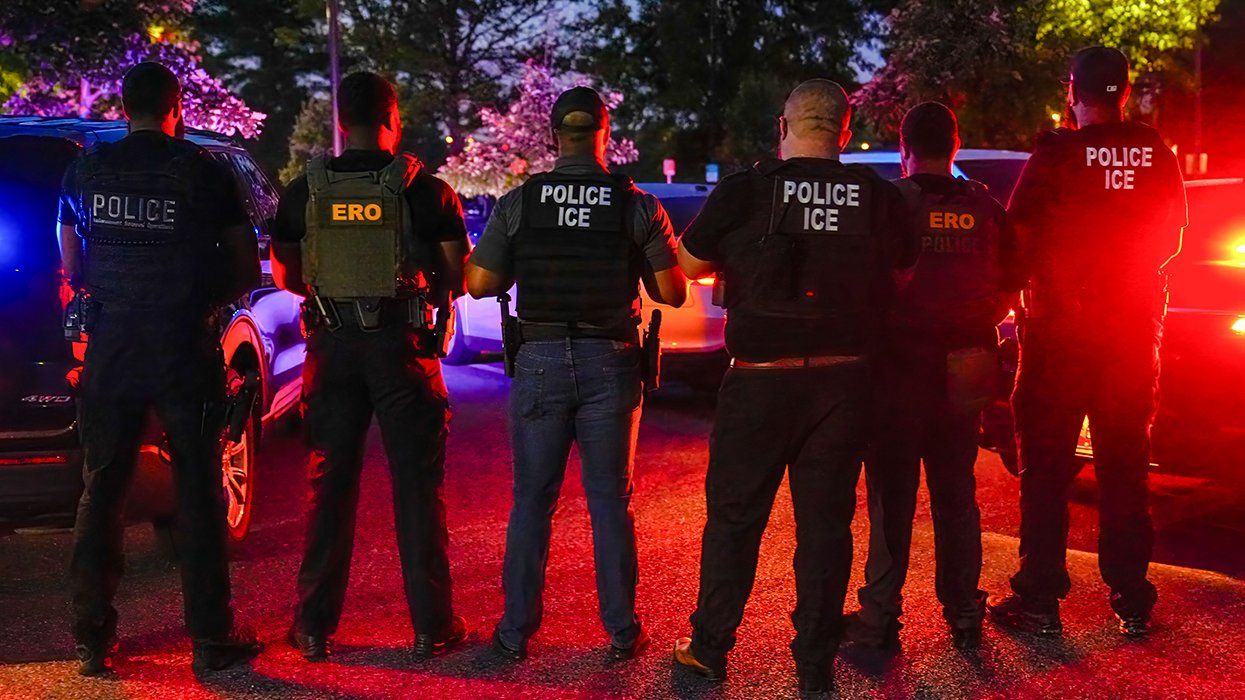

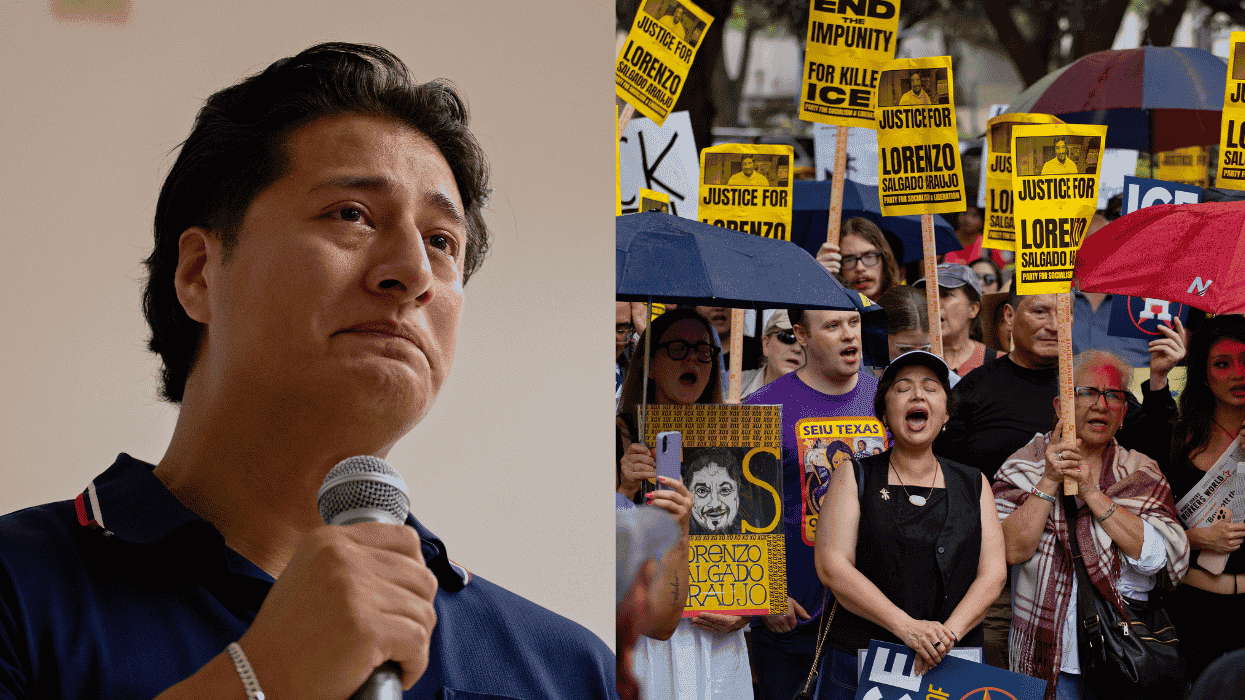
Mass deportation efforts under President Donald Trump are growing in scale and frequency. These campaigns create new safety risks for immigrants and non-immigrants alike — especially as encounters with federal agents have proven deadly.
Federal agents shot and killed Keith Porter Jr. in Los Angeles on December 31, and Renee Nicole Good in Minneapolis on January 7. Over the weekend, a Border Patrol agent killed intensive care nurse Alex Pretti just miles from the site of Good’s killing.
These escalations come as roughly 70,000 people face active detention by Immigration and Customs Enforcement, according to NBC News. To ensure residents stay safe during encounters with immigration agents, The Advocate has gathered a list of legal rights held by both citizens and undocumented immigrants during deportation campaigns.
Your rights as a U.S. citizen
As protests over deportation efforts continue nationwide, a growing number of U.S. citizens may encounter immigration officials face-to-face. PolitiFact, a nonprofit fact-checking website, has compiled a list of rights that protesters, bystanders, and observers have when interacting with immigration agents.
- You are protected from undue searches. The Fourth Amendment protects all people, citizens and non-citizens included, from unreasonable search and seizure.
- Law enforcement cannot enter private homes freely. To enter a private residence, the Supreme Court generally holds that officials must receive a warrant signed by a judge or permission from someone who lives there. That means residents are not legally obliged to let immigration agents in who knock on their door.
- Agents need a reason to arrest or detain you. Officers can ask you questions, but detaining you requires reasonable suspicion you have committed a crime. For arrests, agents must have probable cause, a stricter evaluation that generally means there is evidence to suggest someone committed a crime.
- You can retain a lawyer when your rights are violated, but legal pathways may be limited. For decades, the Supreme Court has placed narrow restrictions on the lawsuits civilians can raise against federal officials. While you have the right to a lawyer, legal experts generally say options for compensation are limited through the court.
To learn more, visit PolitiFact’s website.
Your rights as an undocumented immigrant
U.S. residents have protections under the Constitution regardless of their immigration status. Organizations like the American Civil Liberties Union and Immigration Equality provide informational and legal resources to ensure immigrants are aware of these protections. Key rights to keep in mind are as follows.
- You can stay quiet and avoid discussing your immigration status. Non-citizens must show immigration agents their immigration papers if they have them available when asked. But you also have the right to remain silent, and to refuse being searched. If you do not have your papers handy, tell the agent you would like to remain silent or speak with a lawyer before answering questions.
- You can request a lawyer. If ICE or Border Patrol detain you, you have the right to hire a lawyer, though the government does not need to provide you one itself. If you are arrested by police officers, you should immediately request a government-appointed lawyer. You have the right to call them privately soon after your arrest.
- You can challenge a deportation order in court. Unless you waive your right to a hearing by agreeing to voluntary departure, you can request a hearing to challenge your deportation order.
- If your case is already underway, you can be released on bond. If an immigration agent detains you while your immigration case is already underway, you generally have the right to be released on bond or with certain reporting conditions. If you are denied release, you can ask for a bond hearing with an immigration judge to seek release or a lower bond.
For more information and a longer list of protections, visit the ACLU website.
This article was written as part of the Future of Queer Media fellowship program at The Advocate, which is underwritten by a generous gift from Morrison Media Group. The program helps support the next generation of LGBTQ+ journalists.