'%3E%3Cpath d='M16.3574 35.6519H12.9537L15.0491 18.8873L16.3574 35.6519ZM30.4229 54.0093L22.309 0.994385H7.91795L0 54.0093H10.6634L11.5802 46.3855H17.4014L17.9914 54.0093H30.4229Z' fill='%23971B20'/%3E%3Cpath d='M48.2073 41.8813C48.2073 43.4049 47.4892 44.0011 46.1144 44.0011H43.7595V11.0687H46.1144C47.4892 11.0687 48.2073 11.6636 48.2073 13.1885V41.8813ZM59.5273 43.6695V11.3326C59.5273 3.71323 53.5729 0.994385 47.8157 0.994385H31.7213V54.0093H47.8157C53.5729 54.0093 59.5273 51.29 59.5273 43.6695Z' fill='%23971B20'/%3E%3Cpath d='M90.183 0.994385H78.6039L75.0711 30.6157L71.9955 0.994385H59.4346L69.2474 54.0093H80.373L90.183 0.994385Z' fill='%23971B20'/%3E%3Cpath d='M107.063 42.3448C107.063 43.7359 105.951 44.5974 104.643 44.5974C103.269 44.5974 102.157 43.7359 102.157 42.3448V12.658C102.157 11.2676 103.269 10.4058 104.643 10.4058C105.951 10.4058 107.063 11.2676 107.063 12.658V42.3448ZM119.233 43.2723V11.7312C119.233 6.36384 112.952 -3.8147e-06 104.643 -3.8147e-06C96.2667 -3.8147e-06 89.9867 6.36384 89.9867 11.7312V43.2723C89.9867 48.6393 96.2667 55 104.643 55C112.952 55 119.233 48.6393 119.233 43.2723Z' fill='%23971B20'/%3E%3Cpath d='M150.976 43.9349V33.7309H139.069V42.3448C139.069 43.7359 137.957 44.5974 136.582 44.5974C135.076 44.5974 133.964 43.7359 133.964 42.3448V12.658C133.964 11.2676 135.076 10.4058 136.582 10.4058C137.957 10.4058 139.069 11.2676 139.069 12.658V21.2723H150.976V11.0687C150.976 5.70107 145.283 -3.8147e-06 136.582 -3.8147e-06C127.75 -3.8147e-06 121.796 5.70107 121.796 11.0687V43.9349C121.796 49.3022 127.75 55 136.582 55C145.283 55 150.976 49.3022 150.976 43.9349Z' fill='%23971B20'/%3E%3Cpath d='M167.478 35.6519H164.076L166.17 18.8873L167.478 35.6519ZM181.544 54.0093L173.432 0.994385H159.037L151.123 54.0093H161.785L162.704 46.3855H168.523L169.114 54.0093H181.544Z' fill='%23971B20'/%3E%3Cpath d='M205.412 10.4058V0.994385H177.081V10.4058H185.392V54.0093H197.428V10.4058H205.412Z' fill='%23971B20'/%3E%3Cpath d='M230.002 54.0093V43.9349H218.914V31.8746H226.635V21.8028H218.914V10.4058H230.002V0.994385H206.875V54.0093H230.002Z' fill='%23971B20'/%3E%3C/g%3E%3Cdefs%3E%3CclipPath id='clip0_260_7080'%3E%3Crect width='230' height='55' fill='white'/%3E%3C/clipPath%3E%3C/defs%3E%3C/svg%3E)
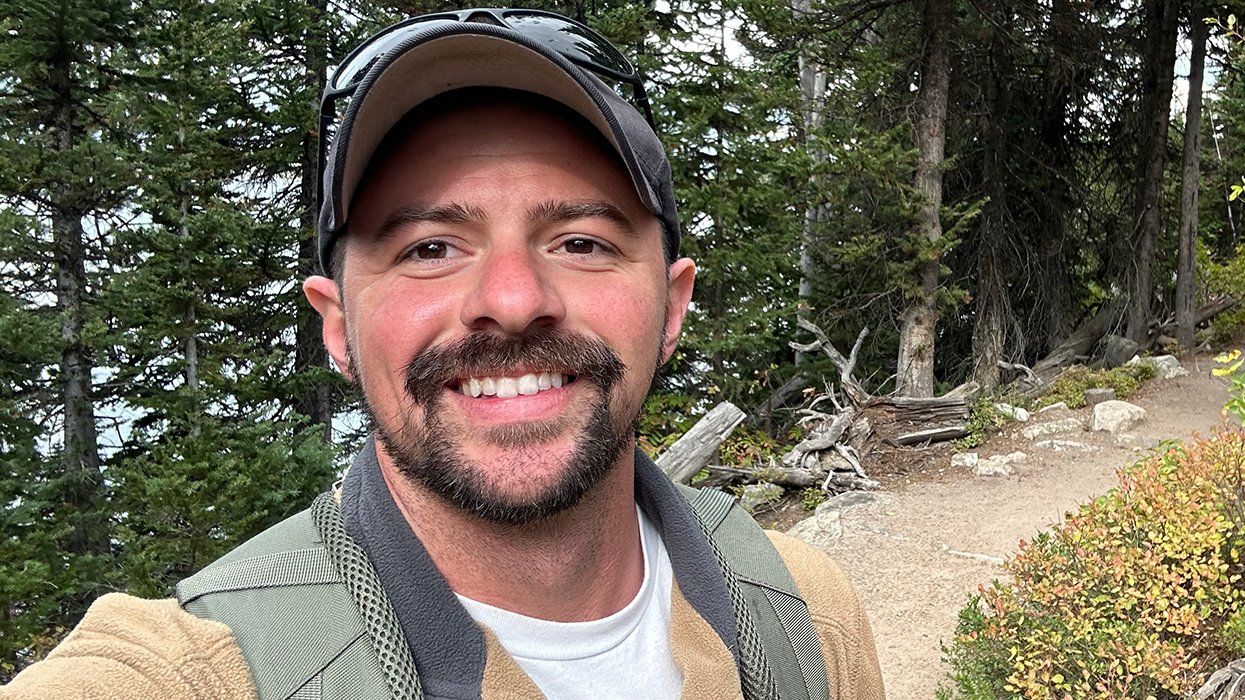
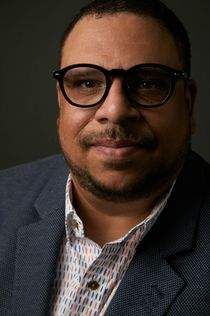
By the time Army Reserve 2nd Lt. Nicolas Talbott arrived at his unit Saturday evening, he had decided that, no matter what happened, he would leave with his head held high.
He had driven nearly two hours to receive paperwork beginning the process of removing him from the military under President Donald Trump’s transgender service ban. Another lieutenant, a close friend, would hand him the documents. His battalion commander would join by video. People he considered family would help carry out a policy he is suing to overturn.
“This is a close personal friend of mine who knows the scope of my situation,” Talbott told The Advocate. “So it was definitely a very emotionally charged moment.”
His commander had warned him that the proceedings were coming. Knowing did little to soften the experience.
“It’s like I’ve been teetering on the edge of a cliff for a while now, and finally somebody came along and pushed me over the edge,” he said.
Talbott, the lead plaintiff in one of the principal challenges to Trump’s ban, is now confronting the separation process while a ruling protecting currently serving plaintiffs remains on hold.
In a Wednesday notice to the court, attorneys in Talbott v. United States identified six plaintiffs facing involuntary separation proceedings and urged the U.S. Court of Appeals for the District of Columbia Circuit to immediately issue its mandate, the procedural step that would make its ruling effective.
For Talbott, the consequences reach beyond his own career. He thinks about the soldiers who will notice his absence, the projects he may have left unfinished, and whether he will be allowed to stay in contact with his unit.
“And my mind right now goes to my soldiers,” he said. “What are they going to think when I don’t show up this month? How are they going to react?”
Related: Meet the transgender Army lieutenant who is challenging Donald Trump's military ban
A ruling on hold, careers on the line
As The Advocate reported in June, a divided appeals court upheld a preliminary injunction protecting currently serving plaintiffs, finding that they were likely to succeed in challenging the policy’s constitutionality. The court did not extend that protection to prospective recruits. The decision addressed temporary relief while the lawsuit proceeds.
The Justice Department then sought to delay the mandate while pursuing Supreme Court review. According to the new filing, the mandate has not yet been issued, and the military continues to initiate separation proceedings against the people who won that appellate ruling.
Alongside Talbott, the filing identifies Army plaintiffs Jackie Gross and Beck Simpson and Navy plaintiffs Samuel Ahearn and Austin Converse as recipients of notices initiating involuntary separation.
The sixth plaintiff, Navy Lt. Clara Winchell, appeared before a board of inquiry on September 23. The board found her disqualified under the policy while stating that, without it, “the board without reservation would recommend retention based on a record of exemplary service.”
The board also recommended that the Navy hold off on separating Winchell pending resolution or a final decision in the case.
“Until this Court issues its mandate, these and other plaintiffs-appellees will continue to be subjected to the unconstitutional harms of the Hegseth Policy,” the plaintiffs’ attorneys wrote. Defense Secretary Pete Hegseth has targeted transgender service members both in policy and with anti-trans rhetoric.
The administration maintains that Hegseth’s policy regulates gender dysphoria and related medical treatment and is justified by military readiness. As The Advocate previously reported, its Supreme Court petition seeks to overturn the appellate ruling before the case reaches trial. The Supreme Court docket lists the plaintiffs’ response as due on November 2.
U.S. District Judge Ana Reyes has certified a broader class of transgender service members and prospective recruits. That trial is scheduled to begin on January 4.
Talbott wants the courts to understand the urgency.
“Now that we’re approaching the date of the trial, suddenly it seems like our dismissals are being expedited,” he said.
Related: ‘Lesser-known D-Day’ strikes as Pentagon purges transgender patriots serving in the U.S. military
‘I am an American soldier’
Talbott intends to demand a board of inquiry and present his service record. He said he would participate even if ordered to wear a uniform inconsistent with his gender or shave his facial hair.
“I am absolutely invoking my right to a board of inquiry,” he said.
That resolve follows years of trying to serve through successive changes in federal policy. The Advocate has chronicled his long effort to enter the military, his March 2024 enlistment, his recognition at basic training, and his eventual commission as an Army Reserve officer.
Now, he wants the military to review his work.
“I have been a good soldier. I have been a good lieutenant. I have been a good leader,” he said, describing what he intends to tell the board.
He rejects the suggestion that transgender troops fighting to remain in uniform are putting themselves ahead of their service.
“I am an American soldier before I am anything else, period, full stop,” he said.
His concerns about leaving are specific. He worries whether colleagues have the information they need, whether someone else can take over his projects, and how his soldiers will manage the approaching holiday season. He recalled instructions to check on soldiers daily during that period because of concerns about their mental health.
“At the end of the day, we’re all people, and we are tight-knit groups in these units,” he said.
The separation meeting required him to sign paperwork and prepare to consult his legal team. It also required him to sit with colleagues whose relationships with him had been built through service, knowing he would no longer return to the unit as he normally did.
“I was going to walk into that room with my head held high, and I was going to walk out the same way because I know at the end of the day that I’ve served my country with pride and with honor and integrity,” he said.
Outside the military, Talbott is keeping busy with his civilian job and a small business he recently started with a friend. His sister had a baby a few months ago, and he is embracing being an uncle.
He is also maintaining his physical fitness, preparing for the possibility that the Army's next call will bring him back.
“All right, LT, you’re back on deck,” he imagined being told. “Boot up and show up.”