'%3E%3Cpath d='M16.3574 35.6519H12.9537L15.0491 18.8873L16.3574 35.6519ZM30.4229 54.0093L22.309 0.994385H7.91795L0 54.0093H10.6634L11.5802 46.3855H17.4014L17.9914 54.0093H30.4229Z' fill='%23971B20'/%3E%3Cpath d='M48.2073 41.8813C48.2073 43.4049 47.4892 44.0011 46.1144 44.0011H43.7595V11.0687H46.1144C47.4892 11.0687 48.2073 11.6636 48.2073 13.1885V41.8813ZM59.5273 43.6695V11.3326C59.5273 3.71323 53.5729 0.994385 47.8157 0.994385H31.7213V54.0093H47.8157C53.5729 54.0093 59.5273 51.29 59.5273 43.6695Z' fill='%23971B20'/%3E%3Cpath d='M90.183 0.994385H78.6039L75.0711 30.6157L71.9955 0.994385H59.4346L69.2474 54.0093H80.373L90.183 0.994385Z' fill='%23971B20'/%3E%3Cpath d='M107.063 42.3448C107.063 43.7359 105.951 44.5974 104.643 44.5974C103.269 44.5974 102.157 43.7359 102.157 42.3448V12.658C102.157 11.2676 103.269 10.4058 104.643 10.4058C105.951 10.4058 107.063 11.2676 107.063 12.658V42.3448ZM119.233 43.2723V11.7312C119.233 6.36384 112.952 -3.8147e-06 104.643 -3.8147e-06C96.2667 -3.8147e-06 89.9867 6.36384 89.9867 11.7312V43.2723C89.9867 48.6393 96.2667 55 104.643 55C112.952 55 119.233 48.6393 119.233 43.2723Z' fill='%23971B20'/%3E%3Cpath d='M150.976 43.9349V33.7309H139.069V42.3448C139.069 43.7359 137.957 44.5974 136.582 44.5974C135.076 44.5974 133.964 43.7359 133.964 42.3448V12.658C133.964 11.2676 135.076 10.4058 136.582 10.4058C137.957 10.4058 139.069 11.2676 139.069 12.658V21.2723H150.976V11.0687C150.976 5.70107 145.283 -3.8147e-06 136.582 -3.8147e-06C127.75 -3.8147e-06 121.796 5.70107 121.796 11.0687V43.9349C121.796 49.3022 127.75 55 136.582 55C145.283 55 150.976 49.3022 150.976 43.9349Z' fill='%23971B20'/%3E%3Cpath d='M167.478 35.6519H164.076L166.17 18.8873L167.478 35.6519ZM181.544 54.0093L173.432 0.994385H159.037L151.123 54.0093H161.785L162.704 46.3855H168.523L169.114 54.0093H181.544Z' fill='%23971B20'/%3E%3Cpath d='M205.412 10.4058V0.994385H177.081V10.4058H185.392V54.0093H197.428V10.4058H205.412Z' fill='%23971B20'/%3E%3Cpath d='M230.002 54.0093V43.9349H218.914V31.8746H226.635V21.8028H218.914V10.4058H230.002V0.994385H206.875V54.0093H230.002Z' fill='%23971B20'/%3E%3C/g%3E%3Cdefs%3E%3CclipPath id='clip0_260_7080'%3E%3Crect width='230' height='55' fill='white'/%3E%3C/clipPath%3E%3C/defs%3E%3C/svg%3E)

One of the hardest parts of keeping a record of transgender life in America is getting the names right. Ahead of Friday’s Transgender Day of Remembrance, Advocates for Trans Equality identified 62 trans people in the United States who died over the past year, including 28 who were killed. The group says the count is incomplete in part because families, police and news outlets sometimes misidentify trans people after they die.
Civil rights attorney Alejandra Caraballo has spent much of this year working on a different part of the public record. When a politician invokes transgender people in a campaign ad, sponsors a bill restricting their rights or votes to pass it, that history can be remarkably hard to piece together. The ad lives in one archive, the bill on a state website, the hearing in hours of committee video. If someone sues, the next chapter unfolds on a court docket.
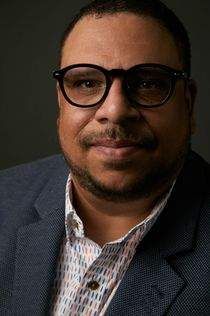
The Trans Data Initiative, announced November 9, brings those records together in a free national archive. Caraballo, a trans woman who teaches at Harvard Law School’s Cyberlaw Clinic, built it with a team that had already spent years tracking LGBTQ+ legislation by hand.
“You can find that legislator and then see every other bill that they’ve sponsored related to trans issues,” Caraballo tells The Advocate. “And then you can also see where they’ve spoken in hearings and what they’ve said.”
How a bill travels
The project began with what Caraballo calls “a glorified spreadsheet.” She and fellow trackers Allison Chapman, Erin Reed and Liz Saila assembled a legislative history stretching back to the fights over marriage equality. Saila, the team’s archivist, still reviews bills individually, recording what each would do and whether it would restrict or expand trans people’s rights, according to Caraballo.
By late October, Caraballo says, the team had cataloged about 8,900 measures dating to 2003. She had matched roughly 1,000 hearing videos to bills and selected more than 500 court cases for the database. She says she covered the project’s expenses herself.
One way to follow a bill is to follow a sentence. The archive compares legislation eight words at a time and flags groups of at least three bills that share substantial passages. A local reporter who recognizes a line in a new bill can compare the wording across states, then ask the sponsor where it came from.
What stays private
The harder question was what to do about the parent who appears at a single hearing. A committee video may have been public for years. Making a parent’s testimony searchable from anywhere changes who can find that family and how much effort it takes.
The public site names lawmakers and experts hired to defend restrictions. Its hearing pages link to official videos but omit searchable transcripts. The team says it withholds private individuals’ names from its own records, checks each release for information that should stay private and accepts requests to take material down.
The invitation-only version gives approved researchers access to a fuller collection. Journalists, academics and advocates can request an invitation by identifying themselves, their affiliation and what they hope to learn. The team decides whom to admit.
“When you collate it and collect it all into one easy, searchable, usable database, suddenly you’ve lowered the barrier of entry for people to use it and then potentially use it in malicious ways,” Caraballo says.