'%3E%3Cpath d='M16.3574 35.6519H12.9537L15.0491 18.8873L16.3574 35.6519ZM30.4229 54.0093L22.309 0.994385H7.91795L0 54.0093H10.6634L11.5802 46.3855H17.4014L17.9914 54.0093H30.4229Z' fill='%23971B20'/%3E%3Cpath d='M48.2073 41.8813C48.2073 43.4049 47.4892 44.0011 46.1144 44.0011H43.7595V11.0687H46.1144C47.4892 11.0687 48.2073 11.6636 48.2073 13.1885V41.8813ZM59.5273 43.6695V11.3326C59.5273 3.71323 53.5729 0.994385 47.8157 0.994385H31.7213V54.0093H47.8157C53.5729 54.0093 59.5273 51.29 59.5273 43.6695Z' fill='%23971B20'/%3E%3Cpath d='M90.183 0.994385H78.6039L75.0711 30.6157L71.9955 0.994385H59.4346L69.2474 54.0093H80.373L90.183 0.994385Z' fill='%23971B20'/%3E%3Cpath d='M107.063 42.3448C107.063 43.7359 105.951 44.5974 104.643 44.5974C103.269 44.5974 102.157 43.7359 102.157 42.3448V12.658C102.157 11.2676 103.269 10.4058 104.643 10.4058C105.951 10.4058 107.063 11.2676 107.063 12.658V42.3448ZM119.233 43.2723V11.7312C119.233 6.36384 112.952 -3.8147e-06 104.643 -3.8147e-06C96.2667 -3.8147e-06 89.9867 6.36384 89.9867 11.7312V43.2723C89.9867 48.6393 96.2667 55 104.643 55C112.952 55 119.233 48.6393 119.233 43.2723Z' fill='%23971B20'/%3E%3Cpath d='M150.976 43.9349V33.7309H139.069V42.3448C139.069 43.7359 137.957 44.5974 136.582 44.5974C135.076 44.5974 133.964 43.7359 133.964 42.3448V12.658C133.964 11.2676 135.076 10.4058 136.582 10.4058C137.957 10.4058 139.069 11.2676 139.069 12.658V21.2723H150.976V11.0687C150.976 5.70107 145.283 -3.8147e-06 136.582 -3.8147e-06C127.75 -3.8147e-06 121.796 5.70107 121.796 11.0687V43.9349C121.796 49.3022 127.75 55 136.582 55C145.283 55 150.976 49.3022 150.976 43.9349Z' fill='%23971B20'/%3E%3Cpath d='M167.478 35.6519H164.076L166.17 18.8873L167.478 35.6519ZM181.544 54.0093L173.432 0.994385H159.037L151.123 54.0093H161.785L162.704 46.3855H168.523L169.114 54.0093H181.544Z' fill='%23971B20'/%3E%3Cpath d='M205.412 10.4058V0.994385H177.081V10.4058H185.392V54.0093H197.428V10.4058H205.412Z' fill='%23971B20'/%3E%3Cpath d='M230.002 54.0093V43.9349H218.914V31.8746H226.635V21.8028H218.914V10.4058H230.002V0.994385H206.875V54.0093H230.002Z' fill='%23971B20'/%3E%3C/g%3E%3Cdefs%3E%3CclipPath id='clip0_260_7080'%3E%3Crect width='230' height='55' fill='white'/%3E%3C/clipPath%3E%3C/defs%3E%3C/svg%3E)
Republicans in Congress have cast the SAVE America Act as a straightforward effort to “protect election integrity,” with Speaker Mike Johnson calling it “commonsense” and saying it is supported by “more than 80 percent of the American people.” But civil rights advocates and voting law experts warn the bill would do far more than tighten verification rules: It would erect new barriers that disproportionately burden marginalized voters whose legal identities do not neatly align with government paperwork, while also blocking millions of eligible Americans from voting.
Keep up with the latest in LGBTQ+ news and politics. Sign up for The Advocate's email newsletter.
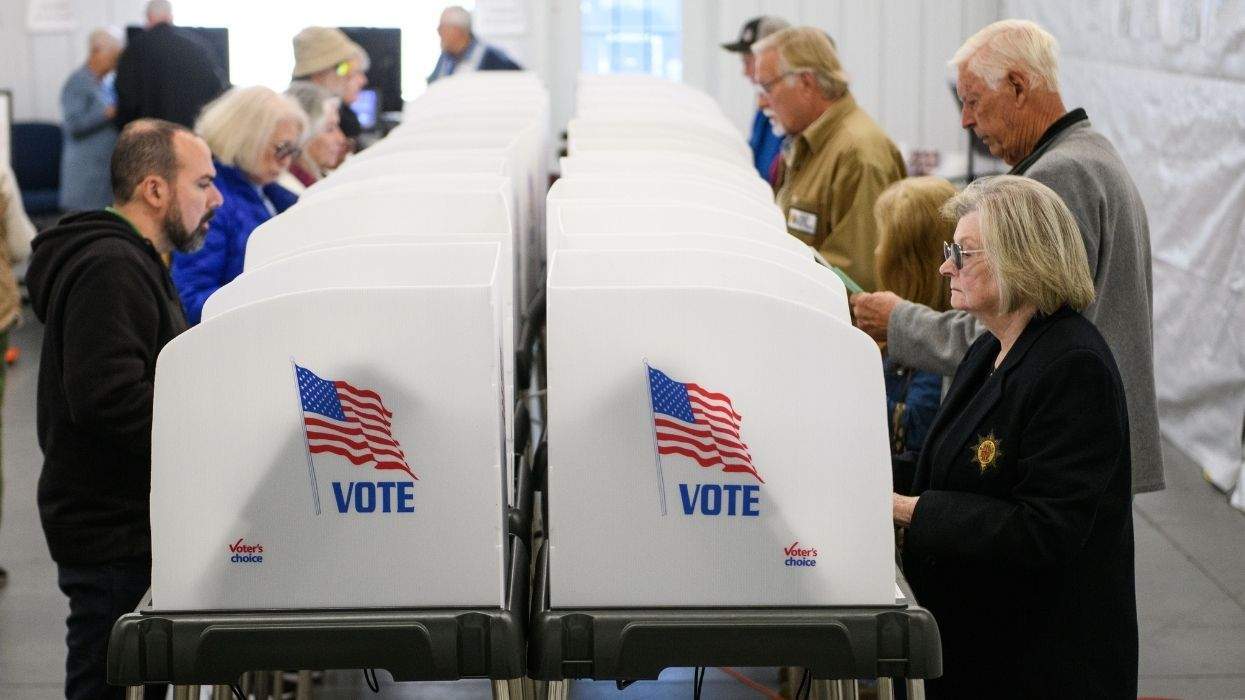
The Safeguard American Voter Eligibility Act, or SAVE Act, would require documentary proof of U.S. citizenship to register to vote in federal elections and impose stricter photo ID requirements at the polls. Supporters argue the measure is necessary to prevent noncitizen voting. But incidents of such voting are exceedingly rare, and the bill’s impact would fall overwhelmingly on eligible voters, according to voting rights researchers.
The bill has also become entangled in a broader political standoff. President Donald TrumpTrump has escalated pressure on Congress to pass the legislationpressure on Congress to pass the legislation, warning that he will refuse to sign other bills until the SAVE Act reaches his desk. In a post on his Truth Social platform, Trump wrote that the measure “must go to the front of the line,” while insisting it include additional provisions targeting transgender people that are unrelated to voting policy.
Trump has pushed for language banning transgender girls and women from participating in women’s sports and restricting gender-affirming medical care for minors. Those proposals were not included in the version of the SAVE Act that passed the House, and adding them would require new amendments if the bill advances in the Senate.
Related: Anti-transgender laws may complicate access to the ballot for trans voters
Related: Transgender people are showing up at the ballot box in spite of significant 'barriers' (exclusive)
According to the American Immigration Council, a review of Heritage Foundation data found just 68 proven cases of noncitizens voting in U.S. elections over more than 40 years, out of more than one billion votes cast in that period. That translates to an incidence below 0.0001 percent.
Under current federal law, voters generally attest to their citizenship under penalty of perjury when registering. The SAVE Act would replace that system with a requirement to present specific documents, such as a passport or birth certificate. That change would be significant. According to the Brennan Center for Justice, more than 21 million eligible U.S. citizens lack ready access to those documents, and roughly half of Americans do not have a passport.
Those gaps are not evenly distributed. According to the Brennan Center, people who have changed their names, including many transgender and nonbinary people and married people who changed their names, are more likely to encounter documentation problems. Young voters, low-income Americans, rural residents, and voters of color are also less likely to have immediate access to the required paperwork, making them more vulnerable to being blocked from registering.
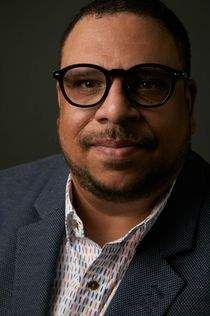
For LGBTQ+ people, the consequences are deeply personal, said Allen Morris, director of policy for the National LGBTQ Task Force, in an interview with The Advocate.
“One of the main points that we have to consider is that a lot of people do not have ready access to documents that may align with their current name and gender identities,” Morris said. “When you are a trans or nonbinary person who has gone through so many life changes, and now you can’t even vote because someone is making it illegal for you to not only exist, but to be able to show up in how you identify, that’s one of our main problems.”
Related: How the SAVE Act would make it harder for trans people, married women, and some men to vote
Related: Protecting the Right to Vote: The Only Way to Safeguard LGBTQ+ Rights
Updating identity documents can involve court filings, fees, and, in some states, a judge’s approval. Some states have passed laws that forbid people from changing the gender on their identity documents. The State Department, under Secretary of State Marco Rubio, has limited how sex is displayed on federal documents like passports. In the current political climate, Morris said, many transgender people are delaying or abandoning that process altogether.
“Right now, because trans communities are so under attack, we are seeing where more people are either pausing that process, or they’re not even going through with the process at all out of fear,” Morris said. “We also have some folks who went through the process of updating their passport to their name, and the government literally said no. They rejected those passport applications.”
That leaves many voters trapped between how they live and how the government recognizes them. That gap, Morris said, would turn into a barrier to the ballot box.
“In the system, your name may be this, but if you identify [some other way], or if you’ve changed your name, you have to be able to meet in the middle,” Morris said.
After the House passed the bill, Johnson framed it as a moral and political necessity. “Proof of citizenship and photo ID to vote; everyone in the country understands the necessity of that and understands how simple it is and how important it is,” he said at a press conference with House Republican leaders. He argued that opponents simply want to “participate in our elections illegally.”
But voting rights experts say the simplicity Johnson describes exists mostly in theory. The Brennan Center notes that the bill would also create new legal risks for election officials, who could face penalties for registering voters without the required documentation, creating incentives to reject registrations and discouraging proactive voter assistance. The result, the group warns, would be confusion, delays, and lower participation, not greater trust in elections.
Related: STUDY: Voter ID Laws in 10 States May Disenfranchise Transgender Citizens
Morris said the danger is compounded by existing policies such as voter roll purges and tighter registration rules, which remove voters from the system with little notice.
“Not everyone knows that there are these systems that are being set into place to push them out of the voting poll,” Morris said. Add new documentation requirements on top of that, he said, and many people will simply give up.
“It’s just going to make people go, ‘What is the point? Why am I voting?' Or, 'It is too much of a hardship for me to vote,'” Morris said. “And I think that’s the goal.”
Supporters of the bill reject the idea that it is meant to suppress turnout, arguing instead that it will restore confidence in elections. But Morris said the central premise driving the legislation — that U.S. elections are plagued by significant voter fraud — is not supported by evidence.
“When you look at the statistics, when you look at the history, when you look at where we are, elections have worked,” he said. “There hasn’t been this outbreak of voter fraud. No one has ever illegally voted in an election with significant numbers. It’s just never occurred, regardless of what the occupant of the White House is saying.”
The bill now heads to the Senate, where it faces an uncertain path and would need bipartisan support to clear procedural hurdles.
Allen said, “We’re going to try our best to consistently give as much information and find the legal ways that folks can know, ‘Hey, this is how you can overcome this task, and this is how you can keep your voter registration valid.’”