'%3E%3Cpath d='M16.3574 35.6519H12.9537L15.0491 18.8873L16.3574 35.6519ZM30.4229 54.0093L22.309 0.994385H7.91795L0 54.0093H10.6634L11.5802 46.3855H17.4014L17.9914 54.0093H30.4229Z' fill='%23971B20'/%3E%3Cpath d='M48.2073 41.8813C48.2073 43.4049 47.4892 44.0011 46.1144 44.0011H43.7595V11.0687H46.1144C47.4892 11.0687 48.2073 11.6636 48.2073 13.1885V41.8813ZM59.5273 43.6695V11.3326C59.5273 3.71323 53.5729 0.994385 47.8157 0.994385H31.7213V54.0093H47.8157C53.5729 54.0093 59.5273 51.29 59.5273 43.6695Z' fill='%23971B20'/%3E%3Cpath d='M90.183 0.994385H78.6039L75.0711 30.6157L71.9955 0.994385H59.4346L69.2474 54.0093H80.373L90.183 0.994385Z' fill='%23971B20'/%3E%3Cpath d='M107.063 42.3448C107.063 43.7359 105.951 44.5974 104.643 44.5974C103.269 44.5974 102.157 43.7359 102.157 42.3448V12.658C102.157 11.2676 103.269 10.4058 104.643 10.4058C105.951 10.4058 107.063 11.2676 107.063 12.658V42.3448ZM119.233 43.2723V11.7312C119.233 6.36384 112.952 -3.8147e-06 104.643 -3.8147e-06C96.2667 -3.8147e-06 89.9867 6.36384 89.9867 11.7312V43.2723C89.9867 48.6393 96.2667 55 104.643 55C112.952 55 119.233 48.6393 119.233 43.2723Z' fill='%23971B20'/%3E%3Cpath d='M150.976 43.9349V33.7309H139.069V42.3448C139.069 43.7359 137.957 44.5974 136.582 44.5974C135.076 44.5974 133.964 43.7359 133.964 42.3448V12.658C133.964 11.2676 135.076 10.4058 136.582 10.4058C137.957 10.4058 139.069 11.2676 139.069 12.658V21.2723H150.976V11.0687C150.976 5.70107 145.283 -3.8147e-06 136.582 -3.8147e-06C127.75 -3.8147e-06 121.796 5.70107 121.796 11.0687V43.9349C121.796 49.3022 127.75 55 136.582 55C145.283 55 150.976 49.3022 150.976 43.9349Z' fill='%23971B20'/%3E%3Cpath d='M167.478 35.6519H164.076L166.17 18.8873L167.478 35.6519ZM181.544 54.0093L173.432 0.994385H159.037L151.123 54.0093H161.785L162.704 46.3855H168.523L169.114 54.0093H181.544Z' fill='%23971B20'/%3E%3Cpath d='M205.412 10.4058V0.994385H177.081V10.4058H185.392V54.0093H197.428V10.4058H205.412Z' fill='%23971B20'/%3E%3Cpath d='M230.002 54.0093V43.9349H218.914V31.8746H226.635V21.8028H218.914V10.4058H230.002V0.994385H206.875V54.0093H230.002Z' fill='%23971B20'/%3E%3C/g%3E%3Cdefs%3E%3CclipPath id='clip0_260_7080'%3E%3Crect width='230' height='55' fill='white'/%3E%3C/clipPath%3E%3C/defs%3E%3C/svg%3E)

Every Vote Counts

Every election is crucial in its way -- but the one this November is particularly so, with pro-equality forces (read: Democrats) holding razor-thin majorities in the U.S. House and Senate, with LGBTQ+ rights, reproductive freedom, gun regulations, access to voting, and more hanging in the balance.
As Democrats try to maintain or expand those majorities, there are also chances to flip control of some state legislatures and to make history by electing the nation's first lesbian governors.
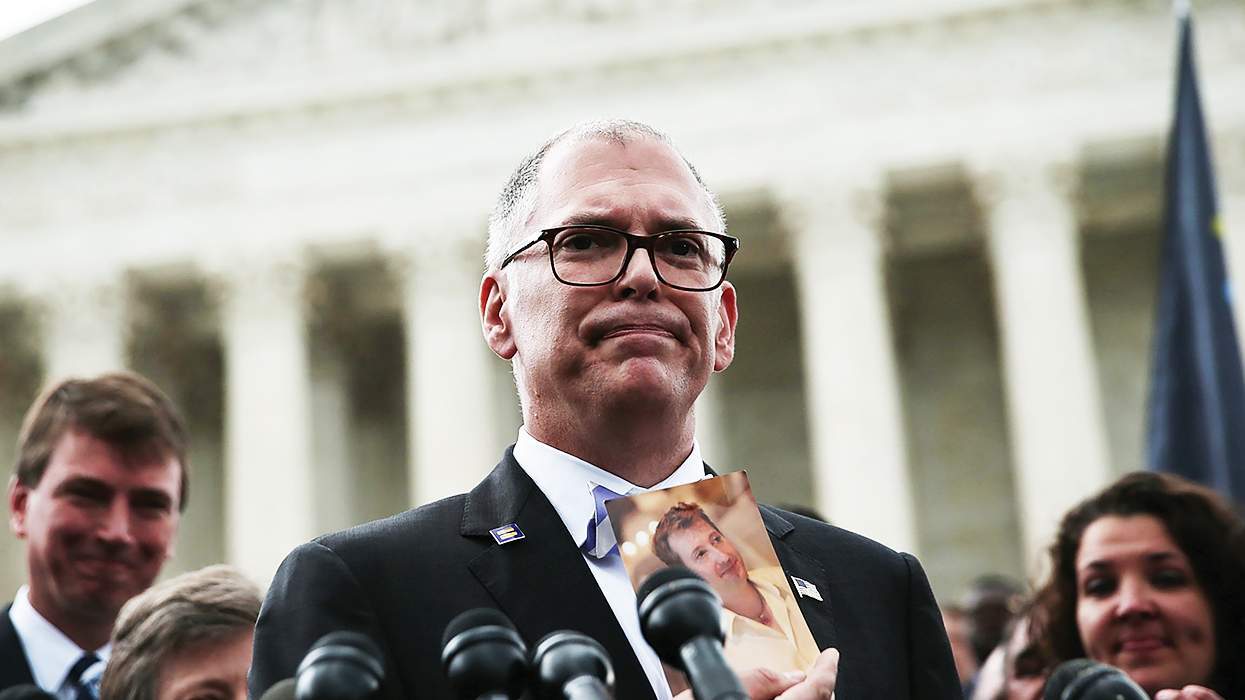
This midterm election calls for major engagement by LGBTQ+ voters and their supporters, activists say. "Staying home and sitting on the sidelines is not an option," says Geoff Wetrosky, national campaign director for the Human Rights Campaign.
"We know that the LGBTQ community is one of the fastest-growing voting blocs and will be critical to our success in the midterm elections, and that is why Democrats are working hard to mobilize and earn their votes," adds Democratic National Committee LGBTQ+ Coalitions Director Sam Alleman.
Here are some key races and why they matter.
This story is part of The Advocate's 2022 Advocacy and Politics issue, which is out on newsstands July 18, 2022. To get your own copy directly, support queer media and subscribe -- or download yours for Amazon, Kindle, Nook, or Apple News.
U.S. Senator From Georgia

Democratic incumbent Raphael Warnock is being challenged by homophobic Republican Herschel Walker, a former pro football player backed by Donald Trump. Keeping the seat in Democratic hands is key to maintaining the Dems' slim majority. In the Senate, "we need to maintain every pro-equality seat or pick up some seats that are currently not held by pro-equality folks," Wetrosky says.
U.S. Senator from Ohio

This is another possible Democratic pickup. Rob Portman, a moderate Republican who has been somewhat LGBTQ-friendly (he has a gay son), is not seeking reelection. Democrat Tim Ryan, currently a House member, is facing Republican J.D. Vance, the Hillbilly Elegy author, who is shifting ever rightward.
U.S. Senator from Pennsylvania

Democrats could pick up a seat here. Republican Pat Toomey is retiring, and Democrat John Fetterman, who has been a popular lieutenant governor, is facing celebrity doctor Mehmet Oz, who won a close Republican primary. Oz was also endorsed by Trump.
U.S. Senator from Florida

This is more of a long shot for a pickup, but House member Val Demings, the likely Democratic nominee (the primary hasn't been held yet), could potentially defeat anti-LGBTQ+ incumbent Marco Rubio. "She will give him more of a race than anybody else probably could have," Wetrosky says.
Other key U.S. Senate races

Arizona's Mark Kelly and Nevada's Catherine Cortez Masto, both Dems, are expected to have close races. Wisconsin Republican Ron Johnson is considered vulnerable; his Democratic challenger has yet to be chosen.
Governor of Oregon

Democrat Tina Kotek could become the first out lesbian governor in the U.S. Kotek, who was also the first lesbian speaker of the Oregon House, easily won the Democratic primary for governor. She will face Republican Christine Drazan and possibly independent Betsy Johnson, who is still gathering signatures in hopes of making the November ballot. Incumbent Kate Brown, who was the nation's first out bisexual governor, cannot run again due to term limits. Oregon is a largely liberal state, but polls indicate the race will be close.
Governor of Massachusetts

Maura Healey, currently the state's attorney general, could also be the nation's first out lesbian governor. The primary isn't until September, but Healey is likely to be the Democratic nominee. Several Republicans and independents are seeking the governor's office as well now that moderate Republican Gov. Charlie Baker is retiring.
Gubernatorial races are expected to be close in Arizona, Georgia, Kansas, Michigan, Nevada, Pennsylvania, and Wisconsin, Wetrosky adds, encouraging support for Dems there.
U.S. House

Several Democratic LGBTQ+ incumbents are in close reelection races, including Sharice Davids in Kansas, Angie Craig in Minnesota, and Chris Pappas in New Hampshire. The party is prioritizing the closest races for incumbents -- about 30 in all -- and nearly 40 districts where there's a chance to flip a seat from Republican to Democratic.
State legislatures

The DNC is hoping to flip the Minnesota Senate and both houses in Michigan and New Hampshire. In several other states, the DNC is focused on cutting into GOP majorities or defending vulnerable Democratic majorities.
Electing Other Out Candidates

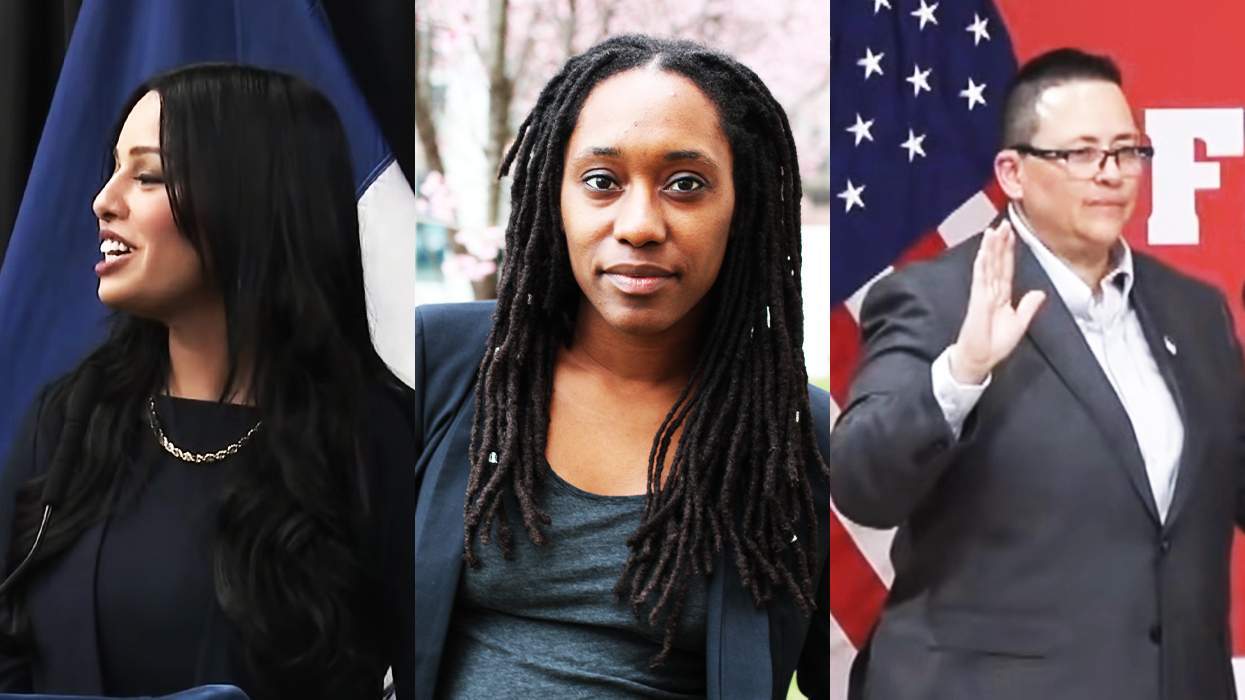
The LGBTQ Victory Fund works to elect out candidates at all levels of government (visit VictoryFund.org). LPAC (TeamLPAC.com) focuses on electing candidates committed to LGBTQ+ and women's equality, with an emphasis on women candidates who are members of the LGBTQ+ community.
Electing Other Allies

Find HRC-endorsed candidates at HRC.org. Check out Democratic priority races at DSCC.org (U.S. Senate), DCCC.org (U.S. House), and DLCC.org (state legislatures).