'%3E%3Cpath d='M16.3574 35.6519H12.9537L15.0491 18.8873L16.3574 35.6519ZM30.4229 54.0093L22.309 0.994385H7.91795L0 54.0093H10.6634L11.5802 46.3855H17.4014L17.9914 54.0093H30.4229Z' fill='%23971B20'/%3E%3Cpath d='M48.2073 41.8813C48.2073 43.4049 47.4892 44.0011 46.1144 44.0011H43.7595V11.0687H46.1144C47.4892 11.0687 48.2073 11.6636 48.2073 13.1885V41.8813ZM59.5273 43.6695V11.3326C59.5273 3.71323 53.5729 0.994385 47.8157 0.994385H31.7213V54.0093H47.8157C53.5729 54.0093 59.5273 51.29 59.5273 43.6695Z' fill='%23971B20'/%3E%3Cpath d='M90.183 0.994385H78.6039L75.0711 30.6157L71.9955 0.994385H59.4346L69.2474 54.0093H80.373L90.183 0.994385Z' fill='%23971B20'/%3E%3Cpath d='M107.063 42.3448C107.063 43.7359 105.951 44.5974 104.643 44.5974C103.269 44.5974 102.157 43.7359 102.157 42.3448V12.658C102.157 11.2676 103.269 10.4058 104.643 10.4058C105.951 10.4058 107.063 11.2676 107.063 12.658V42.3448ZM119.233 43.2723V11.7312C119.233 6.36384 112.952 -3.8147e-06 104.643 -3.8147e-06C96.2667 -3.8147e-06 89.9867 6.36384 89.9867 11.7312V43.2723C89.9867 48.6393 96.2667 55 104.643 55C112.952 55 119.233 48.6393 119.233 43.2723Z' fill='%23971B20'/%3E%3Cpath d='M150.976 43.9349V33.7309H139.069V42.3448C139.069 43.7359 137.957 44.5974 136.582 44.5974C135.076 44.5974 133.964 43.7359 133.964 42.3448V12.658C133.964 11.2676 135.076 10.4058 136.582 10.4058C137.957 10.4058 139.069 11.2676 139.069 12.658V21.2723H150.976V11.0687C150.976 5.70107 145.283 -3.8147e-06 136.582 -3.8147e-06C127.75 -3.8147e-06 121.796 5.70107 121.796 11.0687V43.9349C121.796 49.3022 127.75 55 136.582 55C145.283 55 150.976 49.3022 150.976 43.9349Z' fill='%23971B20'/%3E%3Cpath d='M167.478 35.6519H164.076L166.17 18.8873L167.478 35.6519ZM181.544 54.0093L173.432 0.994385H159.037L151.123 54.0093H161.785L162.704 46.3855H168.523L169.114 54.0093H181.544Z' fill='%23971B20'/%3E%3Cpath d='M205.412 10.4058V0.994385H177.081V10.4058H185.392V54.0093H197.428V10.4058H205.412Z' fill='%23971B20'/%3E%3Cpath d='M230.002 54.0093V43.9349H218.914V31.8746H226.635V21.8028H218.914V10.4058H230.002V0.994385H206.875V54.0093H230.002Z' fill='%23971B20'/%3E%3C/g%3E%3Cdefs%3E%3CclipPath id='clip0_260_7080'%3E%3Crect width='230' height='55' fill='white'/%3E%3C/clipPath%3E%3C/defs%3E%3C/svg%3E)

From arrests during sit-ins at Capitol Hill bathrooms to injecting hormones on the steps of the U.S. Supreme Court, the Gender Liberation Movement’s freshman year has been defined by defiance.
January marks the first anniversary of the launch of GLM, a grassroots and volunteer-run national collective seeking to unite LGBTQ+ people and women with their neighbors in the fight for bodily autonomy. You might have heard of the group already — GLM spearheaded several demonstrations in 2025 that resulted in the arrests of dozens of activists, adding to the great American tradition of causing good trouble.
“In our first year, Gender Liberation Movement championed transgender people, bodily autonomy, and the affirming families and communities who refuse to abandon us,” says cofounder Raquel Willis. “From actions outside the Heritage Foundation to the Supreme Court to the Texas capitol, we’ve built movement infrastructure, supported grassroots leaders, shifted narratives, and hosted culture-defining gatherings.”
Even before Donald Trump’s election, the activists who would become GLM were fighting back against Project 2025. The streets of Washington, D.C., were flooded with protesters on September 14, 2024, when the group led the Gender Liberation March, speaking out against laws restricting abortion and gender-affirming care.
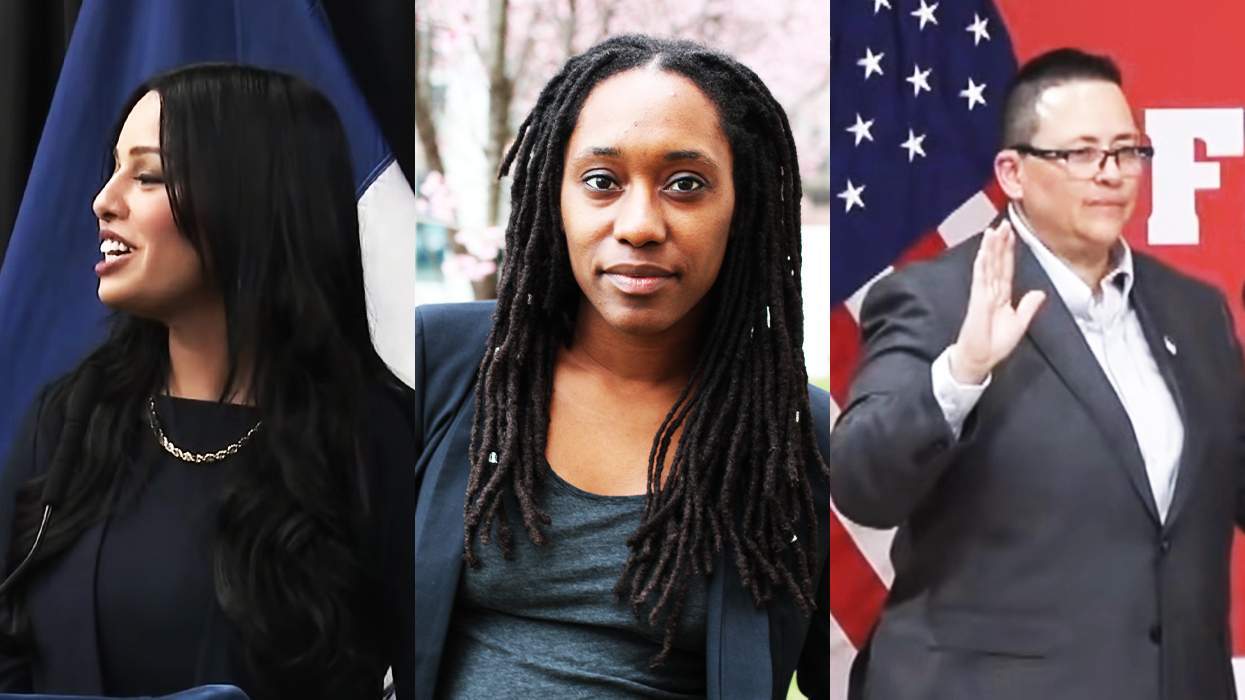
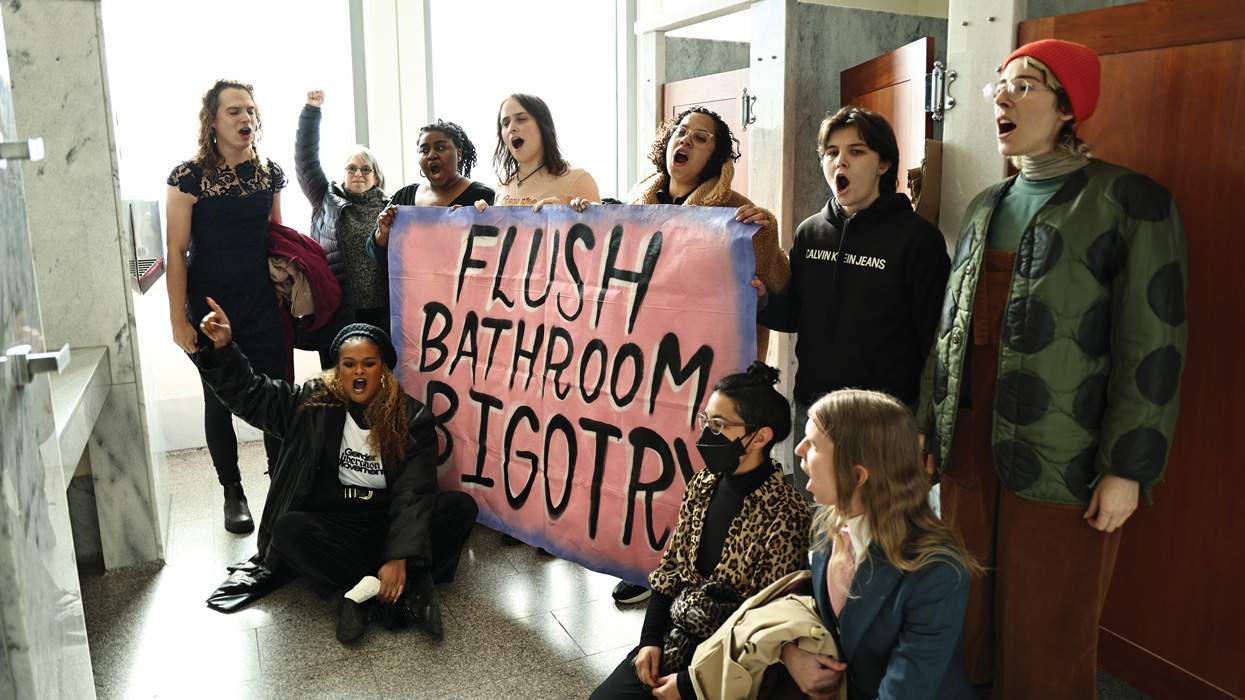
The group made waves again before its official launch with a U.S. Capitol bathroom sit-in in December 2024. Willis and trans whistleblower Chelsea Manning were among 15 activists arrested protesting Republicans’ transgender bathroom ban and treatment of the first out trans member of Congress, U.S. Rep. Sarah McBride of Delaware.
GLM followed its launch with the Rise Up for Trans Youth rally on February 8, which took over New York City’s Union Square. The protest made a strong statement against Trump’s first round of executive orders, which denied the existence of trans people, attempted to ban gender-affirming care for those under 19, barred trans athletes from women’s sports, and revoked civil rights protections dating from the 1960s.
Willis, who is transgender, was again arrested along with eight other activists June 20 while protesting the Supreme Court’s ruling allowing states to ban gender-affirming care for youth, U.S. v. Skrmetti. In a powerful display, nearly a dozen trans people took their hormone replacement therapy in front of the court.
“We met authoritarianism not with fear, but with power and joy,” Willis says. “Year one proved what happens when the most targeted become the most organized. We’re already building a future where gender liberation isn’t negotiable and where every attempt to erase us only grows our power.”
This article is part of The Advocate’s Jan-Feb 2026 issue, which hits newsstands January 27. Support queer media and subscribe — or download the issue through Apple News, Zinio, Nook, or PressReader.