CONTACTAbout UsCAREER OPPORTUNITIESADVERTISE WITH USPRIVACY POLICYPRIVACY PREFERENCESTERMS OF USELEGAL NOTICE
© 2025 Equal Entertainment LLC.
All Rights reserved
All Rights reserved


By continuing to use our site, you agree to our Privacy Policy and Terms of Use.
We need your help
Your support makes The Advocate's original LGBTQ+ reporting possible. Become a member today to help us continue this work.
Your support makes The Advocate's original LGBTQ+ reporting possible. Become a member today to help us continue this work.
Scientists have discovered the first drug that promises to prevent prostate cancer, but deciding who should use it won't be easy because it may actually trigger aggressive tumor growth in some men who do develop the disease. The drug is already sold as a treatment for enlarged prostates under the brand name Proscar and, in a much lower dose, as Propecia for baldness. Men who took Proscar daily for seven years cut their chances of getting prostate cancer by nearly 25% compared with men given a dummy pill, researchers reported Tuesday in the New England Journal of Medicine. The results were strong enough that the study of 18,000 men age 55 and older, originally scheduled to run for another year, was stopped this month. "This trial proves prostate cancer, at least in part, is preventable," said Peter Greenwald, cancer prevention chief at the National Cancer Institute, who participated in the study himself and so far is cancer-free. "It's a huge step forward." Proscar works by preventing testosterone from changing into another hormone that fuels prostate enlargement and cancer growth. In the study, it worked equally well for men at low risk of cancer, and those at high risk--African-American men and those whose fathers and brothers had the disease. But some troubling findings have critics questioning just how often Proscar should be used. Men who developed prostate cancer while taking Proscar were more likely to have high-grade, aggressive tumors--6.4% of Proscar users were diagnosed with aggressive tumors, compared with 5.1% of men given a placebo. Impotence and loss of libido are also common side effects of the medication, particularly among older men. Nearly 220,900 U.S. men each year are diagnosed with prostate cancer. It is the second most common cancer among men after skin malignancies. An estimated 28,900 American men will die from prostate cancer in 2003.


From our Sponsors
Most Popular

Bizarre Epstein files reference to Trump, Putin, and oral sex with ‘Bubba’ draws scrutiny in Congress
November 14 2025 4:08 PM
True

Jeffrey Epstein’s brother says the ‘Bubba’ mentioned in Trump oral sex email is not Bill Clinton
November 16 2025 9:15 AM
True

Watch Now: Pride Today
Latest Stories



Transgender Army vet running for state delegate in red Maryland district is all about showing up
December 03 2025 7:00 AM

7 times Pete Hegseth was the definition of toxic masculinity
December 02 2025 5:46 PM

Man pleads guilty to murder of gay University of Mississippi student Jimmie 'Jay' Lee
December 02 2025 2:32 PM
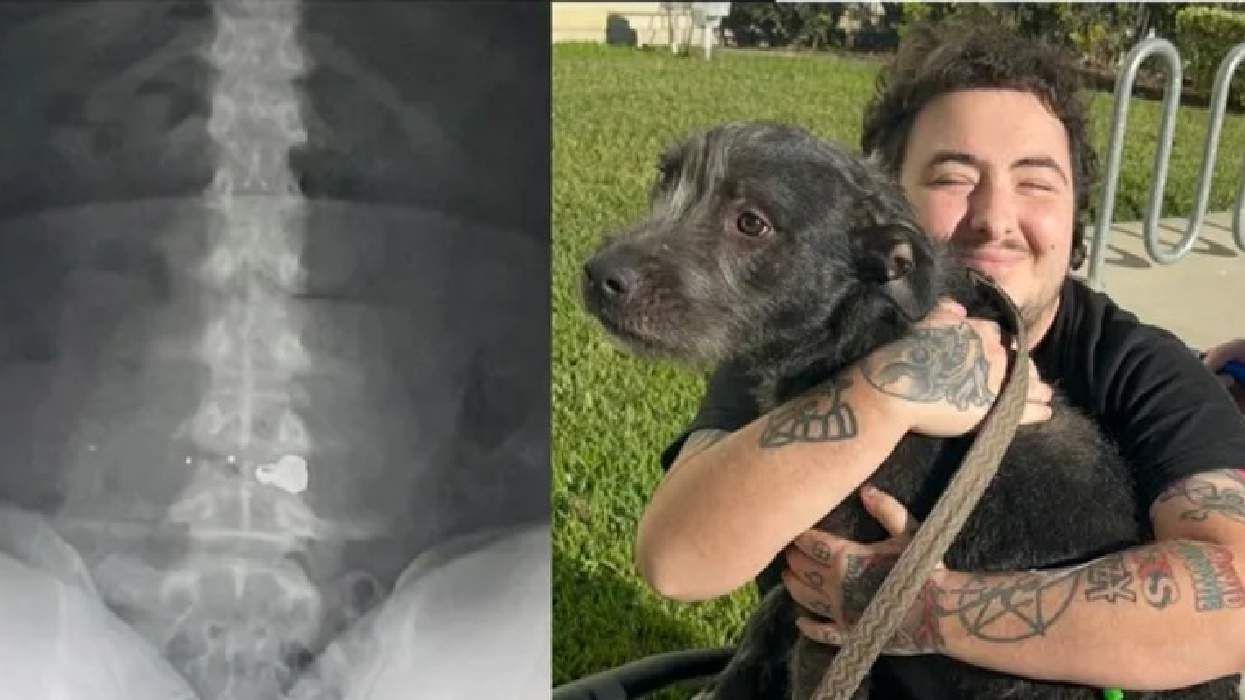
Florida man partially paralyzed after neighbor allegedly shot him and used anti-LGBTQ+ slurs
December 02 2025 1:30 PM

Queer comedian Cameron Esposito has first baby with wife Katy Nishimoto
December 02 2025 12:49 PM

Trans National Guard employee in Illinois sues Trump over restroom ban
December 02 2025 11:59 AM
Oklahoma University instructor suspended for failing student’s unscientific anti-trans psychology essay
December 02 2025 11:03 AM
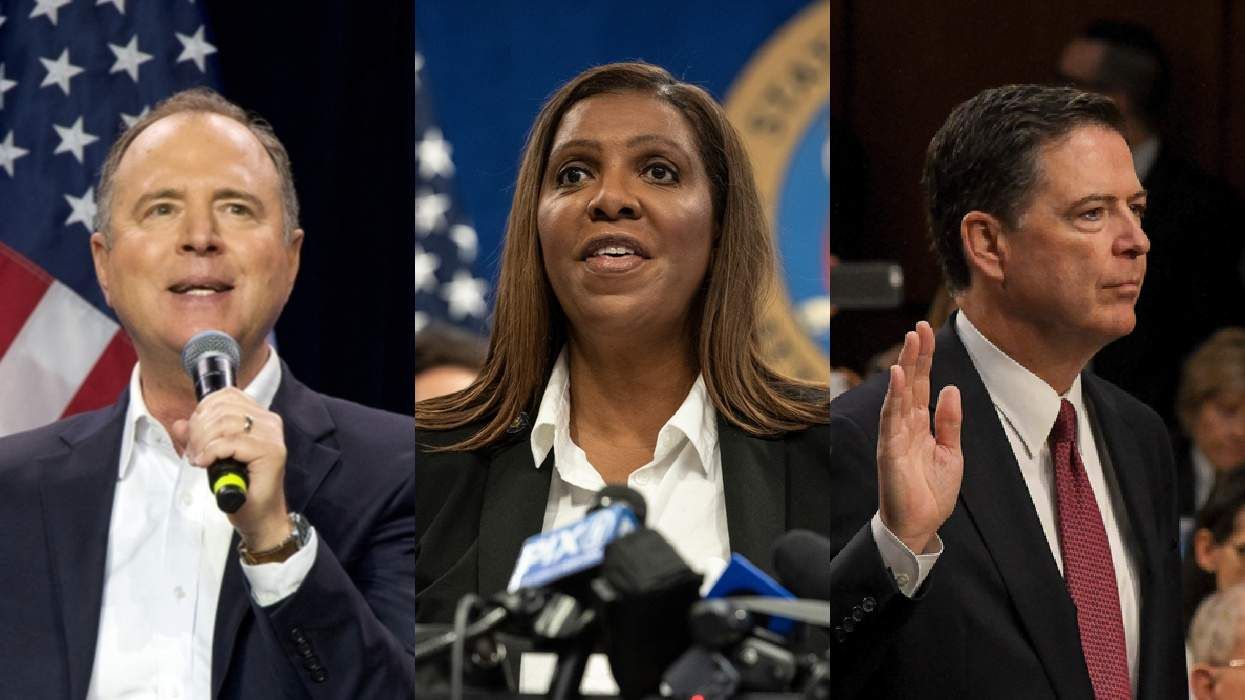
Here are all of Trump's political enemies that have been charged or investigated (so far)
December 02 2025 9:52 AM

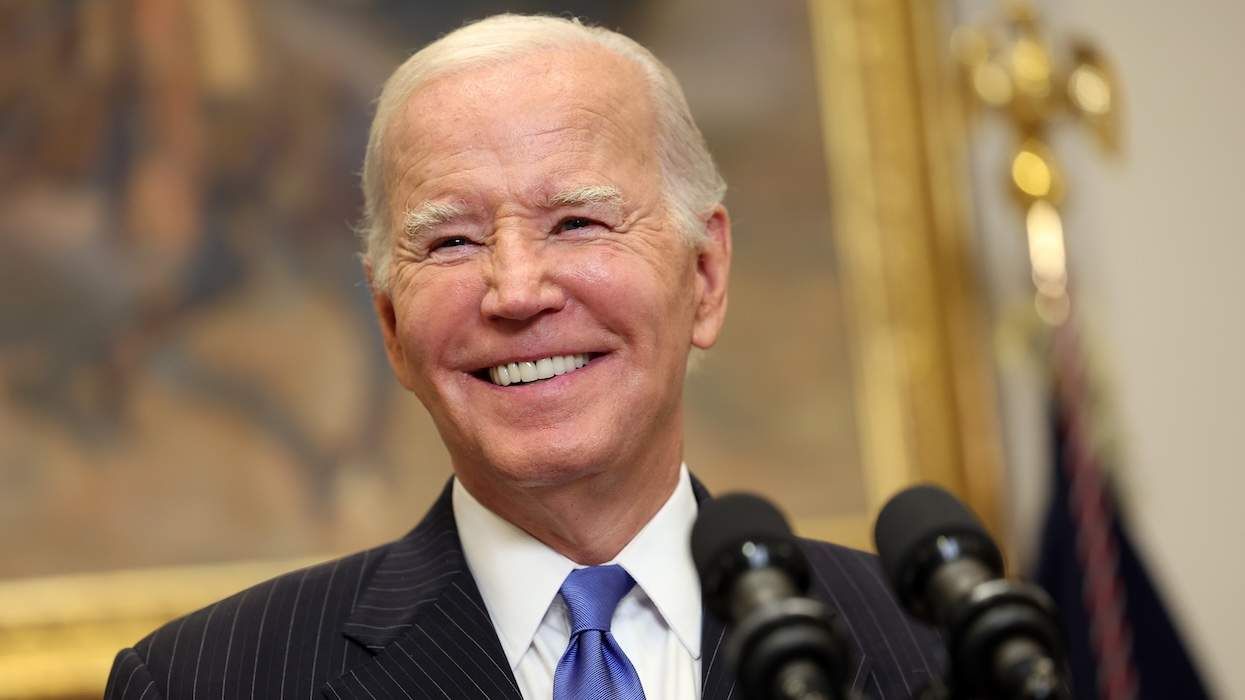
Joe Biden to receive top honor at LGBTQ+ leadership conference for his contributions to equality
December 02 2025 6:00 AM
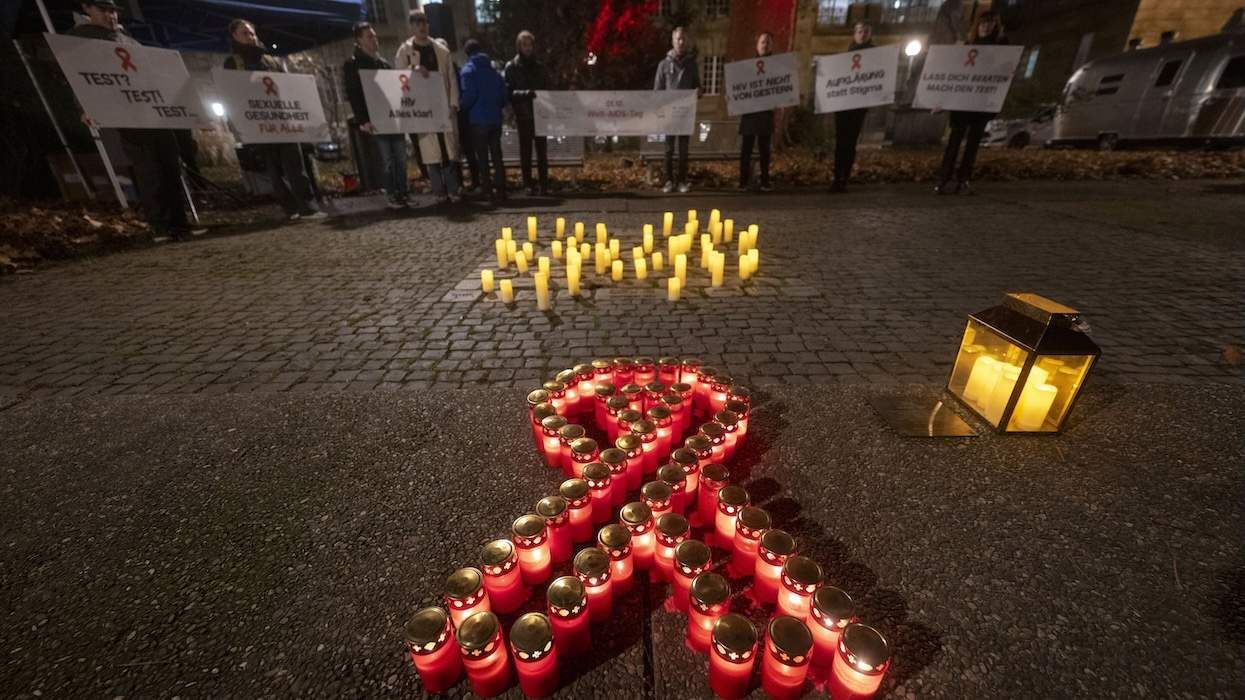
On World AIDS Day, thinking of progress and how to build on it in the face of hostility
December 01 2025 7:47 PM

Ex-Biden White House aide called out for implying Cory Booker’s new marriage is suspicious
December 01 2025 6:04 PM
True
Trending stories














Recommended Stories for You





















Charlie Kirk DID say stoning gay people was the 'perfect law' — and these other heinous quotes