'%3E%3Cpath d='M16.3574 35.6519H12.9537L15.0491 18.8873L16.3574 35.6519ZM30.4229 54.0093L22.309 0.994385H7.91795L0 54.0093H10.6634L11.5802 46.3855H17.4014L17.9914 54.0093H30.4229Z' fill='%23971B20'/%3E%3Cpath d='M48.2073 41.8813C48.2073 43.4049 47.4892 44.0011 46.1144 44.0011H43.7595V11.0687H46.1144C47.4892 11.0687 48.2073 11.6636 48.2073 13.1885V41.8813ZM59.5273 43.6695V11.3326C59.5273 3.71323 53.5729 0.994385 47.8157 0.994385H31.7213V54.0093H47.8157C53.5729 54.0093 59.5273 51.29 59.5273 43.6695Z' fill='%23971B20'/%3E%3Cpath d='M90.183 0.994385H78.6039L75.0711 30.6157L71.9955 0.994385H59.4346L69.2474 54.0093H80.373L90.183 0.994385Z' fill='%23971B20'/%3E%3Cpath d='M107.063 42.3448C107.063 43.7359 105.951 44.5974 104.643 44.5974C103.269 44.5974 102.157 43.7359 102.157 42.3448V12.658C102.157 11.2676 103.269 10.4058 104.643 10.4058C105.951 10.4058 107.063 11.2676 107.063 12.658V42.3448ZM119.233 43.2723V11.7312C119.233 6.36384 112.952 -3.8147e-06 104.643 -3.8147e-06C96.2667 -3.8147e-06 89.9867 6.36384 89.9867 11.7312V43.2723C89.9867 48.6393 96.2667 55 104.643 55C112.952 55 119.233 48.6393 119.233 43.2723Z' fill='%23971B20'/%3E%3Cpath d='M150.976 43.9349V33.7309H139.069V42.3448C139.069 43.7359 137.957 44.5974 136.582 44.5974C135.076 44.5974 133.964 43.7359 133.964 42.3448V12.658C133.964 11.2676 135.076 10.4058 136.582 10.4058C137.957 10.4058 139.069 11.2676 139.069 12.658V21.2723H150.976V11.0687C150.976 5.70107 145.283 -3.8147e-06 136.582 -3.8147e-06C127.75 -3.8147e-06 121.796 5.70107 121.796 11.0687V43.9349C121.796 49.3022 127.75 55 136.582 55C145.283 55 150.976 49.3022 150.976 43.9349Z' fill='%23971B20'/%3E%3Cpath d='M167.478 35.6519H164.076L166.17 18.8873L167.478 35.6519ZM181.544 54.0093L173.432 0.994385H159.037L151.123 54.0093H161.785L162.704 46.3855H168.523L169.114 54.0093H181.544Z' fill='%23971B20'/%3E%3Cpath d='M205.412 10.4058V0.994385H177.081V10.4058H185.392V54.0093H197.428V10.4058H205.412Z' fill='%23971B20'/%3E%3Cpath d='M230.002 54.0093V43.9349H218.914V31.8746H226.635V21.8028H218.914V10.4058H230.002V0.994385H206.875V54.0093H230.002Z' fill='%23971B20'/%3E%3C/g%3E%3Cdefs%3E%3CclipPath id='clip0_260_7080'%3E%3Crect width='230' height='55' fill='white'/%3E%3C/clipPath%3E%3C/defs%3E%3C/svg%3E)
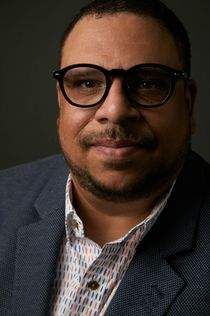
Gregory, a Black gay man from Virginia, remembers the first time clearly, even if the details have the soft blur that good nights tend to acquire over time. He was 18 or 19, at an after-party, surrounded by grown adults with careers and lives. Someone was sitting at a table. Would you like some? A little white powder, a little white line. He said yes. He felt a pleasant buzz while everyone else was dissolving into the floor. "I realized whatever it is, we did the same thing, but it affects me differently," he says now, at 45, laughing at the memory. "I've only had a K-hole maybe once or twice in my life."
For a certain generation of queer people, those who came of age in the late '90s and early 2000s, when gay clubs were their own sovereign nations with their own customs and pharmacopeias, ketamine was simply part of the landscape. You cooked it in the oven, scraped it from the Pyrex dish, and sorted it into little vials. "I loved all that," Gregory says. You did a bump in the bathroom, another on the dance floor, and you felt the music differently. Time stopped meaning anything. Everyone around you, their outfits and their dancing and their whole beautiful existence, became more vivid, more present, more real.
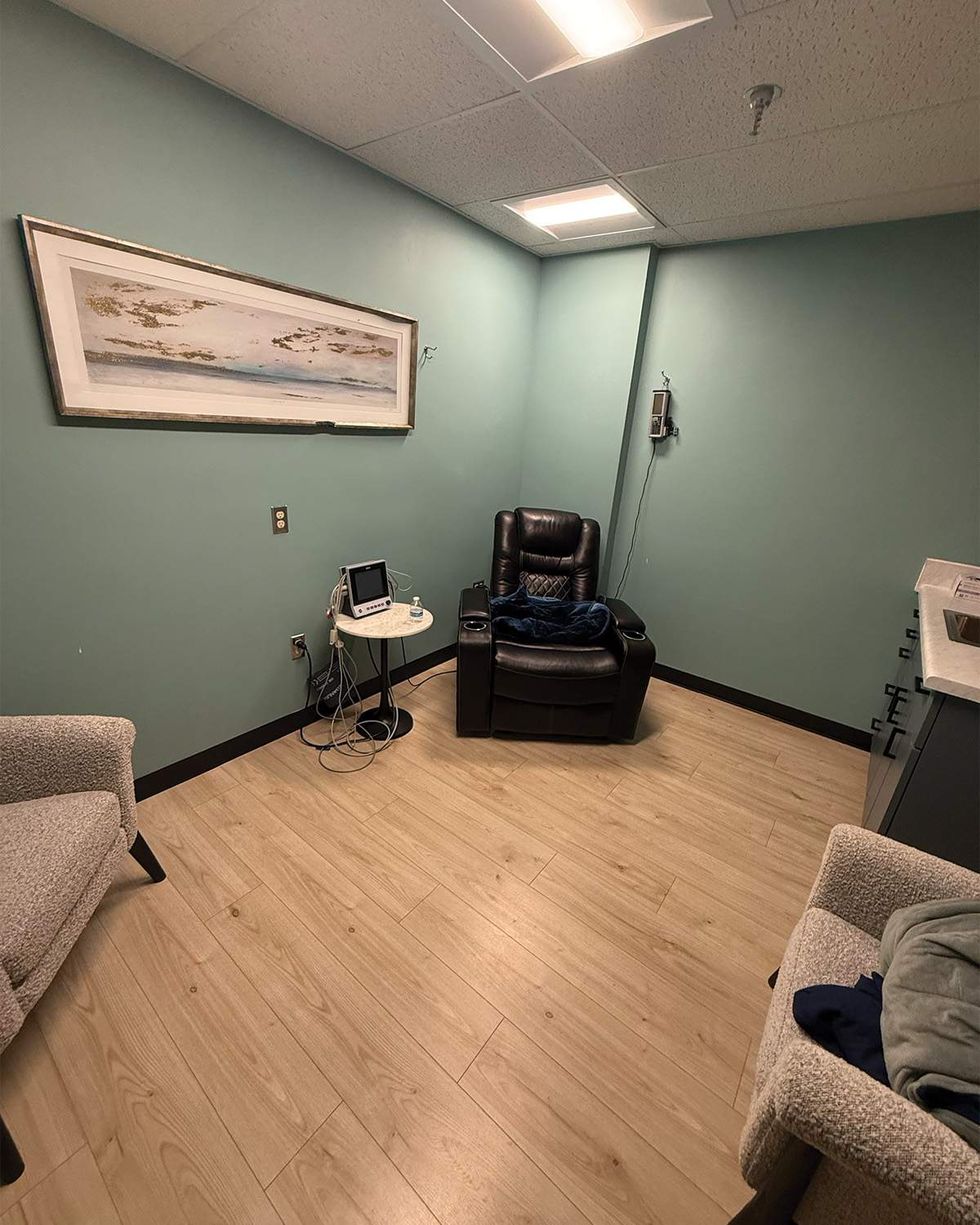 A ketamine therapy room at MindPeace Clinic in Richmond, VirginiaChristopher Wiggins
What nobody on those dance floors was thinking about was neuroplasticity, the brain's ability to rewire itself, to break old patterns and build new ones. Twenty-odd years later, that's exactly what scientists believe ketamine is doing.
The dissociative anesthetic used in operating rooms for more than 50 years has become the subject of genuine clinical excitement as a treatment for depression, anxiety, PTSD, and suicidal ideation. Clinics have proliferated across America. A nasal spray version won FDA approval. And in some of the most stubborn cases of depression, people who have cycled through years of medication and felt nothing but side effects, ketamine is producing results that leave physicians quietly astonished. The queer community didn't invent ketamine, but it got there first.
"One of the things that the LGBTQIA+ queer community has shown us," says Shelby Hartman, co-founder of the psychedelic media company Double Blind and co-author of The Double Blind Guide to Psychedelics, "is that being on the dance floor, being in community, especially with the support of a substance that can help you feel connected to other people and connected to your body, can be a deeply therapeutic experience."
Gregory has his own theory. "I think it plays into when you go to a party, it's a wonderland," he says. "Everyone's at their best. It helps you to be more present and dissociate. The laser lights feel different. The drag performance hits harder." For a community that has long used the dance floor as a place of refuge, the appeal was never just chemical. It was existential. "Pain motivates you to seek relief," says Michael Mancilla, an LGBTQ+-focused therapist with 25 years in the field. The same drive that sent queer people to the dance floor with a vial in their pocket is now sending them to clinics with an IV in their arm.
The stigma around ketamine therapy, clinicians say, remains the worst attached to any drug in medicine. Horse tranquilizer. Rave drug. Special K. What's lost in that stigma is the mechanism, which researchers describe as almost shockingly elegant. Ketamine blocks a receptor in the brain called the NMDA glutamate receptor — think of it as releasing a clutch that's been stuck on a manual transmission — triggering the release of a protein that instructs neurons to regrow connections. The brain's circuitry, worn into rigid grooves by depression and trauma, becomes suddenly, briefly pliable again. New pathways form. Old loops get interrupted.
"Think of it like a hiking trail," says Dr. Jeffrey Leary, a physician who administers ketamine therapy at MindPeace Clinic in Richmond, Virginia. "Our brains get hardwired in certain ways of thinking: depression, anxiety, OCD, and we keep walking the same trail. When you can increase the connectivity between nerves, you're making new pathways that bypass that well-worn circuit."
Gregory had already intuited something like this before he ever heard the clinical explanation. "It numbs my emotions from being extreme either way," he says. He describes using a small amount on days when anxiety about ordinary tasks feels overwhelming. "Just a small thing silences that chattering voice. I just feel myself settle."
Alexis Nock, a registered nurse who administers ketamine infusions alongside Leary, has watched the transformation happen in real time. "The first thing you notice is just their face. They have a light. After two or three infusions, they come in, and they have a smile." Most patients report the same thing first: the mental noise quiets. "They're able to just be in the present moment." Gregory, from the other side of the clinical divide, puts it simply. "When I'm doing K, I don't feel like I'm doing drugs. I feel at peace."
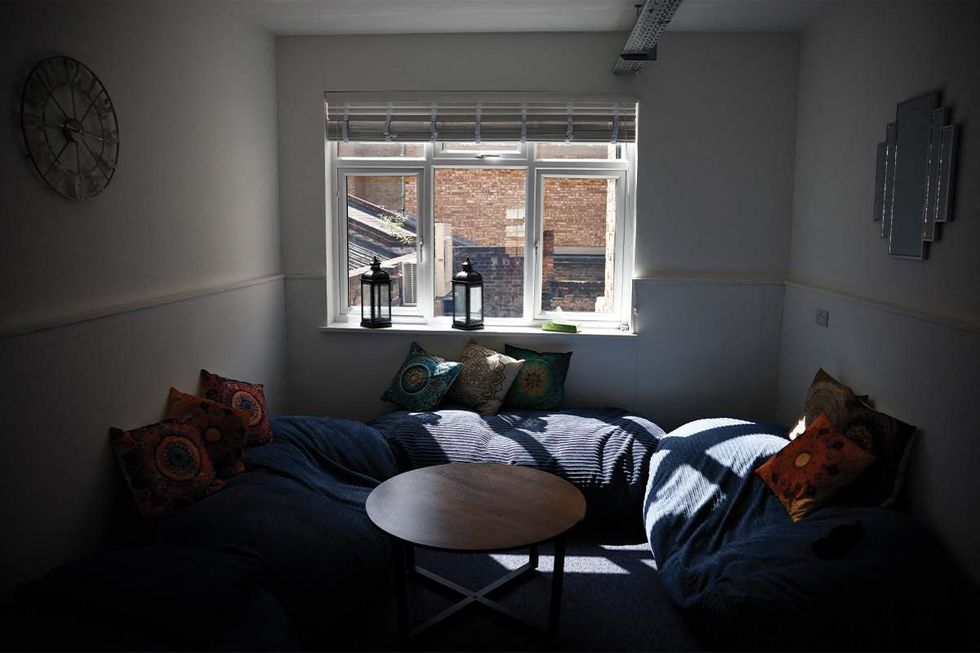 A room in Silva Wellness, a psychedelic therapy center in LondonBenjamin Cremel/AFPTV/AFP via Getty Images
The clinical evidence has grown substantially over the past decade. A 2022 study published in the Journal of Clinical Psychiatry, one of the largest real-world analyses of ketamine infusions to date, tracked outcomes for 424 patients treated at a Virginia clinic between 2017 and 2021. Most had failed multiple prior medications. Nearly half arrived with active thoughts of suicide.
Within six weeks, half of the patients had achieved a meaningful reduction in depressive symptoms, comparable to alternatives including electroconvulsive therapy. After ten infusions, 72 percent had responded, and 38 percent had reached full remission. The suicidal ideation findings were the most striking: of patients who arrived with active suicidal thoughts, half no longer reported them after just six infusions. By fifteen infusions, 85 percent had seen those thoughts resolve. For context, there are currently no FDA-approved oral medications specifically for suicidal ideation, and the largest study of conventional antidepressant treatment ever conducted found that a single medication worked for only 37 percent of patients.
As with all medications, ketamine’s promise comes with potential risks. In the short term, patients can experience dissociation, dizziness, nausea, and temporary spikes in blood pressure or heart rate. Over time, repeated or unsupervised use has been linked to dependence, cognitive changes, and bladder damage. And yet, in clinical settings, ketamine is often considered comparatively safe because it does not suppress breathing like many sedatives, its effects are short-lived and monitored in real time, and it works quickly without requiring weeks of daily dosing.
The effects can fade without maintenance. A 2025 Canadian study found that booster infusions sustained antidepressant effects for months, with suicidality scores remaining significantly reduced throughout the period. Ketamine is a tool, not a switch. And like any powerful tool, it depends enormously on the hands holding it.
David Schlumpf knew he was depressed before he knew what depression actually was, living with it since adolescence, around the same time he realized he was gay. "I never realized I was functioning through life at a different baseline than other people," says the 43-year-old actor, director, and stay-at-home dad who lives in Jersey City, New Jersey, with his husband and their three-year-old son. "I told my husband, 'You can tell me all day long that the sky is blue. I've perceived it as green for 40 years.'"
The last decade was a pharmacological education he never wanted. Zoloft, Celexa, a medication that spiked his anxiety, another that gave him panic attacks on airplanes when he wasn't afraid of flying. By early 2025, suicidal ideation, not an acute crisis, but a constant low voice, had been his companion his entire adult life. He found a clinic in Hoboken that he could walk to and started treatment.
He is now 16 sessions in, receiving Spravato, the FDA-approved nasal spray version of ketamine, once a week. Walking home from his first session, he noticed he was moving more slowly than usual. His brain offered calmly, "Yeah, we're walking at the pace we want to go."
"For me, that's extremely complicated and a huge step forward,” he says. “Because it wasn't complicated or haunted by all the other voices." The shame cycles went quiet. He still has hard weeks, still notices when depression tries to creep back, but now he can see it coming. "It doesn't lead me to the bottomless pit again. I can recognize it."
Gregory never made it to a clinic. He looked at the prices and did the math. IV ketamine infusions are rarely covered by insurance, even as the drug costs a few dollars, but patients are charged hundreds to over a thousand per session. He'd looked into online providers and felt the same wall. "They want an obscene amount of money. I'll just buy a bag and use a tiny spoon."
In Canada, Andrea Kirincic, a ketamine therapist in Montreal, describes a patchwork of coverage that depends on province, insurance, and formulation. "If the setup is not good," she says, "it's not going to have the same result." On both sides of the border, the system is structured less by need than by circumstance, by what you carry, what's been approved, and whether you can afford to wait.
The experience Gregory returns to happened in Washington, D.C., in 2022. Club, laser lights, music. "I felt like a main character," he says. "Everyone else was just background extras." Time warped. Whatever he'd been angry about, stressed about, none of it existed. "I couldn't tell you what I ate earlier or what I was angry about before. This was all that existed."
This is almost exactly how ketamine therapy patients describe the relief they feel.
Hartman is careful about the word "cure." But what queer people sought in 1999 and what patients seek in 2026 are not, at their core, so different. Connection. Presence. Relief from the mental noise that makes ordinary life feel impossible.
Editor’s note: The clinic where the 2022 Virginia study was conducted was founded by Dr. Patrick Oliver, a coauthor and source in this article. In February 2024, the Virginia Board of Medicine temporarily suspended Oliver’s license after determining he had engaged in an unethical intimate relationship with a patient. Oliver acknowledged the relationship occurred but disputed aspects of the investigation to Out. The study has been independently peer reviewed.
This article is part of Out’s May-June 2026 print issue, which hits newsstands May 26. Support queer media and subscribe — or download the issue through Apple News+, Zinio, Nook, or PressReader.
 Marco Calvani and Colman Domingo on the cover of Out magazine's May-June 2026 issue