'%3E%3Cpath d='M16.3574 35.6519H12.9537L15.0491 18.8873L16.3574 35.6519ZM30.4229 54.0093L22.309 0.994385H7.91795L0 54.0093H10.6634L11.5802 46.3855H17.4014L17.9914 54.0093H30.4229Z' fill='%23971B20'/%3E%3Cpath d='M48.2073 41.8813C48.2073 43.4049 47.4892 44.0011 46.1144 44.0011H43.7595V11.0687H46.1144C47.4892 11.0687 48.2073 11.6636 48.2073 13.1885V41.8813ZM59.5273 43.6695V11.3326C59.5273 3.71323 53.5729 0.994385 47.8157 0.994385H31.7213V54.0093H47.8157C53.5729 54.0093 59.5273 51.29 59.5273 43.6695Z' fill='%23971B20'/%3E%3Cpath d='M90.183 0.994385H78.6039L75.0711 30.6157L71.9955 0.994385H59.4346L69.2474 54.0093H80.373L90.183 0.994385Z' fill='%23971B20'/%3E%3Cpath d='M107.063 42.3448C107.063 43.7359 105.951 44.5974 104.643 44.5974C103.269 44.5974 102.157 43.7359 102.157 42.3448V12.658C102.157 11.2676 103.269 10.4058 104.643 10.4058C105.951 10.4058 107.063 11.2676 107.063 12.658V42.3448ZM119.233 43.2723V11.7312C119.233 6.36384 112.952 -3.8147e-06 104.643 -3.8147e-06C96.2667 -3.8147e-06 89.9867 6.36384 89.9867 11.7312V43.2723C89.9867 48.6393 96.2667 55 104.643 55C112.952 55 119.233 48.6393 119.233 43.2723Z' fill='%23971B20'/%3E%3Cpath d='M150.976 43.9349V33.7309H139.069V42.3448C139.069 43.7359 137.957 44.5974 136.582 44.5974C135.076 44.5974 133.964 43.7359 133.964 42.3448V12.658C133.964 11.2676 135.076 10.4058 136.582 10.4058C137.957 10.4058 139.069 11.2676 139.069 12.658V21.2723H150.976V11.0687C150.976 5.70107 145.283 -3.8147e-06 136.582 -3.8147e-06C127.75 -3.8147e-06 121.796 5.70107 121.796 11.0687V43.9349C121.796 49.3022 127.75 55 136.582 55C145.283 55 150.976 49.3022 150.976 43.9349Z' fill='%23971B20'/%3E%3Cpath d='M167.478 35.6519H164.076L166.17 18.8873L167.478 35.6519ZM181.544 54.0093L173.432 0.994385H159.037L151.123 54.0093H161.785L162.704 46.3855H168.523L169.114 54.0093H181.544Z' fill='%23971B20'/%3E%3Cpath d='M205.412 10.4058V0.994385H177.081V10.4058H185.392V54.0093H197.428V10.4058H205.412Z' fill='%23971B20'/%3E%3Cpath d='M230.002 54.0093V43.9349H218.914V31.8746H226.635V21.8028H218.914V10.4058H230.002V0.994385H206.875V54.0093H230.002Z' fill='%23971B20'/%3E%3C/g%3E%3Cdefs%3E%3CclipPath id='clip0_260_7080'%3E%3Crect width='230' height='55' fill='white'/%3E%3C/clipPath%3E%3C/defs%3E%3C/svg%3E)

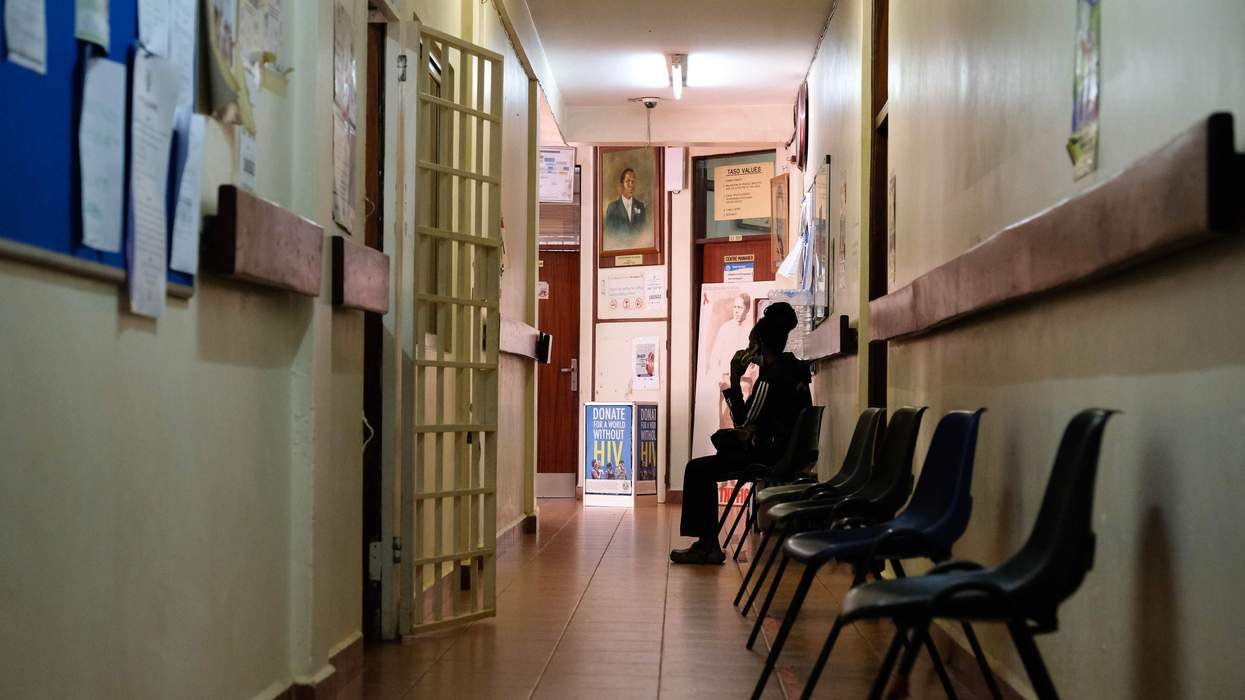
Dr. Carlton Thomas, a gastroenterologist and host of the Butt Honestly podcast, knew something was wrong after having oral sex in the dark room play space of a Fort Lauderdale gay bar last year. Just a few days after returning home from the trip, he had developed diarrhea, dehydration, extreme fatigue, and a 104-degree fever.
As a gay GI doctor, Doctor Carlton, as his social media followers regard him, knew his symptoms could only be one thing: Shigella, an increasingly common bacterial infection that can spread through feces, usually via water contamination, unwashed hands, and, yes, certain types of sexual contact, especially when the anus and mouth are involved. Thomas tells The Advocate that he started having bloody diarrhea and eventually needed IV fluid bags, before getting treated with the antibiotic azithromycin. His symptoms subsided over the next 24 hours, but it left Thomas with a desire to raise awareness about the bacterial infection, especially how to prevent its spread.
“I was very lucky,” he says. “It felt like I was going to die.”
Shigella is the latest emerging sexually transmitted infection to uptick in recent years. Though Shigella has been a known bacterial infection since the 1890s, usually affecting young children in daycare settings, a new drug-resistant strain has been increasingly reported, and the population disproportionately affected has shifted. According to a report published in April in Morbidity and Mortality Weekly Report, the flagship publication of the U.S. Centers for Disease Control and Prevention, drug-resistant cases of Shigella have increasingly been reported by adult men who have sex with men.
While information from the CDC should be taken with a grain of salt these days, given the Trump administration’s effort to dismantle it and the agency’s politicization under Health and Human Services Secretary Robert F. Kennedy, Jr., LGBTQ+ medical experts agree it is a real concern, disproportionately being reported by queer men. Dr. Demetre C. Daskalakis, Chief Medical Officer at Callen-Lorde Community Health Center and former CDC chief vaccine officer, tells The Advocate that Shigella’s disproportionate reports among queer men boil down to several factors.
“We see higher reporting among men who have sex with men largely because certain sexual networks include sexual activities, like rimming, that can facilitate fecal–oral exposure,” Daskalakis says. “Men who have sex with men are also more likely to be tested for bacteria and parasites that cause diarrhea and counted among cases.”
As is the case with many illnesses that have disproportionately impacted queer people, however, this data is only part of the story.
“What’s missing is underdiagnosis in other populations, lack of routine testing, and stigma that keeps people from seeking care,” he continues. “Disease surveillance data often reflects access and trust in healthcare as well as the likelihood of medical providers to order the tests that diagnose Shigella.”
Experts say that this uptick in Shigella does not mean you have to close yourself off from the world or from sex. Rather than panic about the rise of Shigella or stigmatize people who have had it, healthcare professionals like Daskalakis and Thomas say it's important to understand how the bacterial infection spreads, get tested, get treated, and minimize transmission.
“We are in a vibrant era of PrEP and U=U, and now we even have DoxyPEP to reduce chlamydia and syphilis risk,” Thomas says. “People feel more free to have more sex, which is phenomenal! That comes with certain risks, though.”
What is Shigella?
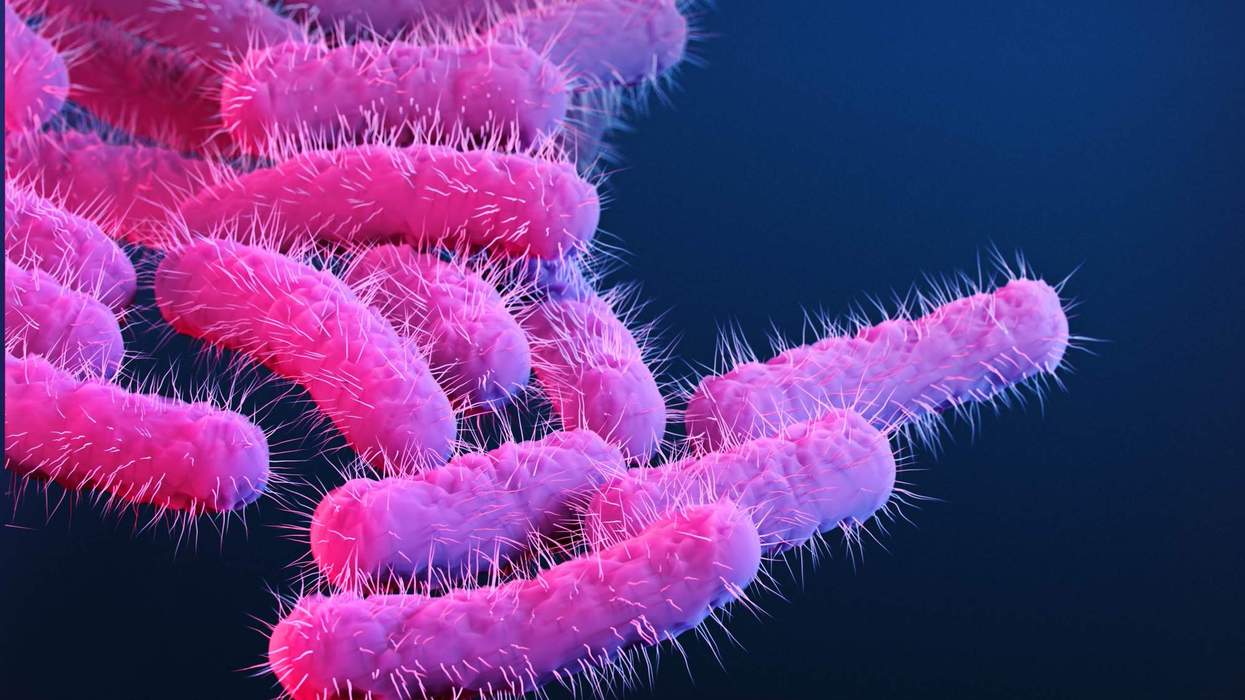
According to Thomas, Shigella is a genus of bacteria that is highly contagious and includes several species, like flexneri, sonnei, and dysenteriae, all of which can cause an infection called Shigellosis and result in diarrhea.
How does Shigella spread?
The infection spreads through microscopic particles of fecal matter, which is why it was once most common in school settings with young children or in regions where clean water is hard to come by. It also means that if you are having sex that involves your mouth and anus, these particles can spread from an infected person to their sexual partner, or their sexual partner’s partner.
“It’s very contagious, and it doesn’t take much exposure to get sick,” Daskalakis says.
According to Thomas, it’s a common misconception that you can only contract Shigella from rimming or being rimmed. He said that he has actually had several gay men come into his office with no history of rimming who have contracted numerous enteric infections, or illnesses caused by microorganisms like bacteria, viruses, and parasites.
“With the rise of group sex in bath houses, dark rooms, and sex parties, I feel that there is a lack of understanding that you can get it from giving head to someone who just plowed someone else without protection and without cleaning off effectively or from being penetrated by someone rectally in the same scenario,” Thomas says. “This happens way more than people think.”
Even after someone receives treatment for Shigella, they can remain contagious for a few weeks, even if they no longer have symptoms.
“I feel that this is probably where most infections are spreading because many people get treated and then have no symptoms and go right back to sex,” he says.
How is Shigella treated?
Because cases of shigellosis can range from mild to life-threatening, treatment protocol greatly depends on what your doctor decides is the best course of treatment for your specific case. Usually, rehydration through oral or IV fluids is necessary, and in severe cases, a course of antibiotics may also be prescribed. Doctors stress that it’s important to start by confirming your diagnosis through testing if you suspect you’ve contracted it.
“Most cases don’t require treatment with antibiotics unless it’s a severe case or the person with the infection has a weakened immune system,” Daskalakis says.
How do you prevent Shigella from spreading?
Prevention begins with an understanding of the basics of how bacteria spread.
“Prevention is really about layering protections,” Daskalakis says. “Handwashing with soap and water, especially after using the bathroom or before eating, matters a lot. Avoiding sex when someone has diarrhea, and washing hands, bodies, and sex toys before and after sex can significantly reduce risk.”
If you’re engaging in group sex or sex in dark rooms, Thomas recommends taking a few extra precautions.
“Don’t bottom (especially in an unprotected group situation) or let someone eat your ass if you recently or are currently having bowel issues or were very recently treated,” he says. “You may be [infectious] for a few weeks after! (At least 2 weeks). At sex parties, if you are a top and penetrate someone (especially bareback), make sure you wash off thoroughly before you put it in the next person’s mouth or ass.”