'%3E%3Cpath d='M16.3574 35.6519H12.9537L15.0491 18.8873L16.3574 35.6519ZM30.4229 54.0093L22.309 0.994385H7.91795L0 54.0093H10.6634L11.5802 46.3855H17.4014L17.9914 54.0093H30.4229Z' fill='%23971B20'/%3E%3Cpath d='M48.2073 41.8813C48.2073 43.4049 47.4892 44.0011 46.1144 44.0011H43.7595V11.0687H46.1144C47.4892 11.0687 48.2073 11.6636 48.2073 13.1885V41.8813ZM59.5273 43.6695V11.3326C59.5273 3.71323 53.5729 0.994385 47.8157 0.994385H31.7213V54.0093H47.8157C53.5729 54.0093 59.5273 51.29 59.5273 43.6695Z' fill='%23971B20'/%3E%3Cpath d='M90.183 0.994385H78.6039L75.0711 30.6157L71.9955 0.994385H59.4346L69.2474 54.0093H80.373L90.183 0.994385Z' fill='%23971B20'/%3E%3Cpath d='M107.063 42.3448C107.063 43.7359 105.951 44.5974 104.643 44.5974C103.269 44.5974 102.157 43.7359 102.157 42.3448V12.658C102.157 11.2676 103.269 10.4058 104.643 10.4058C105.951 10.4058 107.063 11.2676 107.063 12.658V42.3448ZM119.233 43.2723V11.7312C119.233 6.36384 112.952 -3.8147e-06 104.643 -3.8147e-06C96.2667 -3.8147e-06 89.9867 6.36384 89.9867 11.7312V43.2723C89.9867 48.6393 96.2667 55 104.643 55C112.952 55 119.233 48.6393 119.233 43.2723Z' fill='%23971B20'/%3E%3Cpath d='M150.976 43.9349V33.7309H139.069V42.3448C139.069 43.7359 137.957 44.5974 136.582 44.5974C135.076 44.5974 133.964 43.7359 133.964 42.3448V12.658C133.964 11.2676 135.076 10.4058 136.582 10.4058C137.957 10.4058 139.069 11.2676 139.069 12.658V21.2723H150.976V11.0687C150.976 5.70107 145.283 -3.8147e-06 136.582 -3.8147e-06C127.75 -3.8147e-06 121.796 5.70107 121.796 11.0687V43.9349C121.796 49.3022 127.75 55 136.582 55C145.283 55 150.976 49.3022 150.976 43.9349Z' fill='%23971B20'/%3E%3Cpath d='M167.478 35.6519H164.076L166.17 18.8873L167.478 35.6519ZM181.544 54.0093L173.432 0.994385H159.037L151.123 54.0093H161.785L162.704 46.3855H168.523L169.114 54.0093H181.544Z' fill='%23971B20'/%3E%3Cpath d='M205.412 10.4058V0.994385H177.081V10.4058H185.392V54.0093H197.428V10.4058H205.412Z' fill='%23971B20'/%3E%3Cpath d='M230.002 54.0093V43.9349H218.914V31.8746H226.635V21.8028H218.914V10.4058H230.002V0.994385H206.875V54.0093H230.002Z' fill='%23971B20'/%3E%3C/g%3E%3Cdefs%3E%3CclipPath id='clip0_260_7080'%3E%3Crect width='230' height='55' fill='white'/%3E%3C/clipPath%3E%3C/defs%3E%3C/svg%3E)
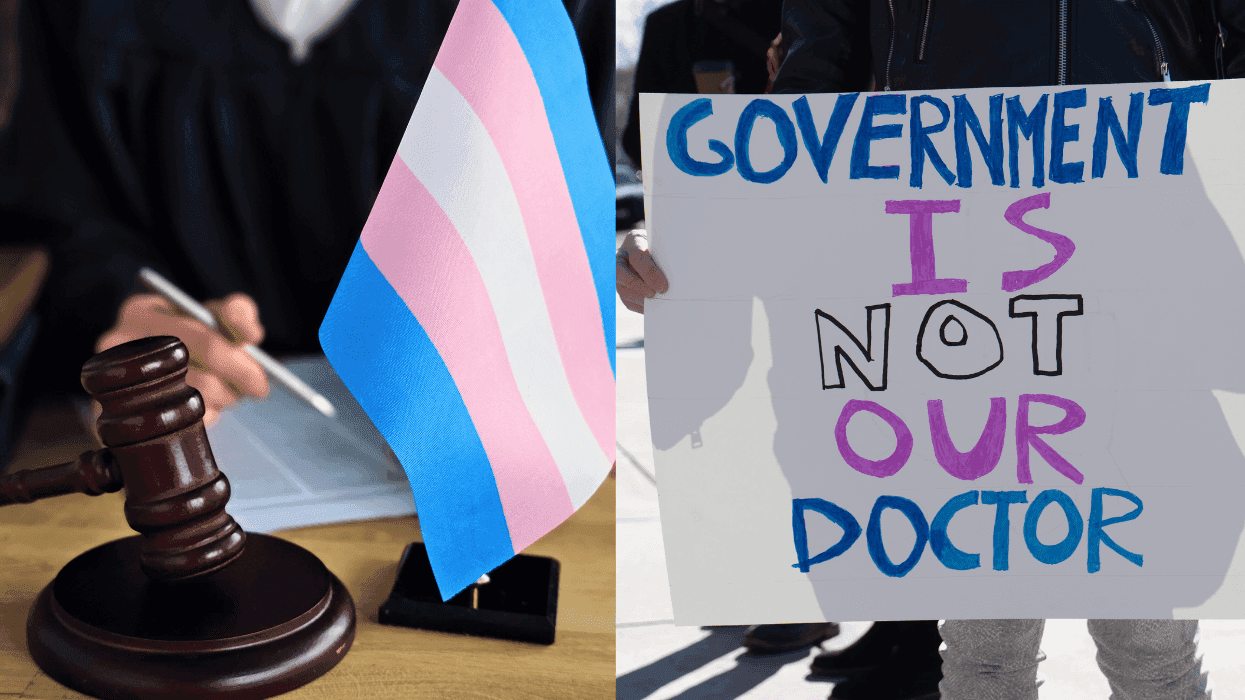

A federal court has denied the Justice Department access to youth medical records from a gender-affirming care provider in the D.C. area.
Last summer, the Justice Department sent subpoenas for medical records to 20 hospitals nationwide that provided minors gender-affirming care, including Children’s National Hospital. The facility stopped prescribing minors gender-affirming medication soon after.
Eight families who accessed medical care through the hospital’s Gender Development Program filed a motion to quash the subpoena last November. The medical records at hand were “deeply private and constitutionally protected,” their motion read.
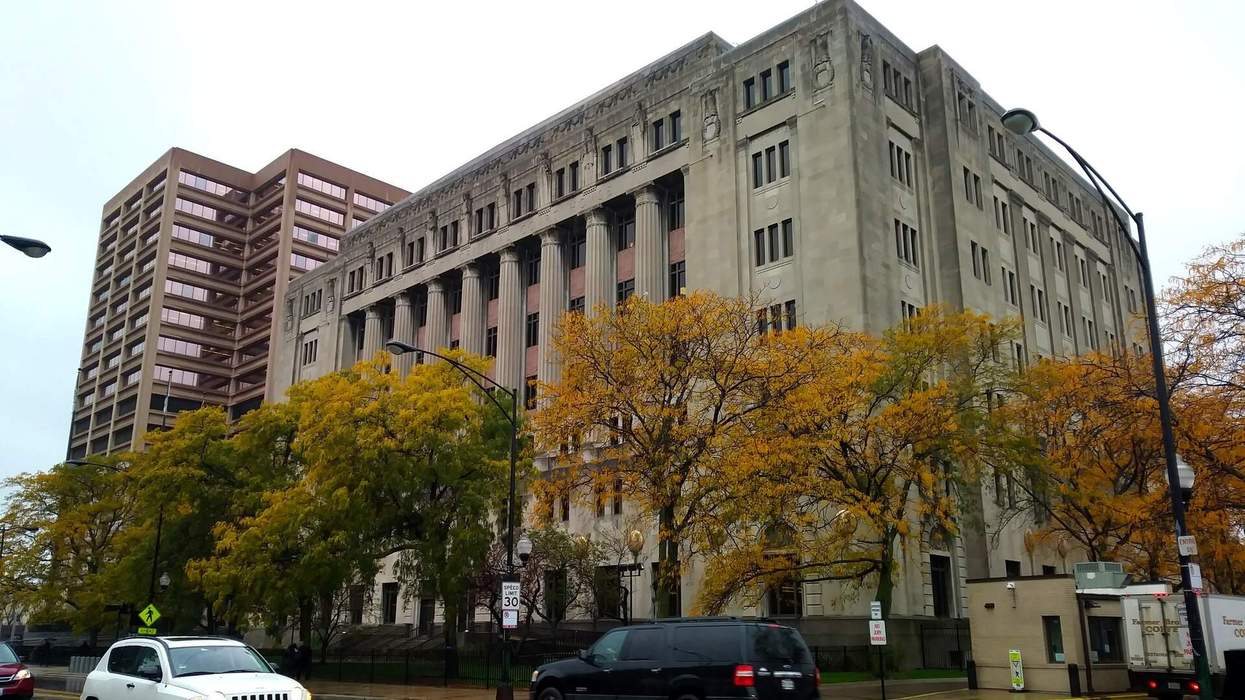
In a January 21 decision, U.S. District Judge Julie Rubin described the department’s effort as “a fishing expedition” and “an overreach,” denying the Justice Department access to plaintiff medical records. Rubin restricted the scope of her decision to those who filed the motion.
“It was just a huge sigh of relief,” said Donovan Bendana, a legal fellow for the Massachusetts-based legal nonprofit GLAD Law, which represented the families. “They had been under immense anxiety and stress.”
Bendana described the Justice Department’s effort as an attack on trans health care, but also health care protections more broadly.
“This was just a vindication of not only our clients, but everyone’s fundamental right to medical privacy,” Bendana told The Advocate. “This is a right that has long been recognized by the courts.”
U.S. Attorney General Pam Bondi said last year that the Justice Department issued the subpoenas as a means of “enforcing the law” against health care providers “that mutilate children under the guise of medical care.”
While other hospitals sued over the subpoenas directly, Children’s National Hospital did not take the Justice Department to court. But the ruling in favor of its patients marks the latest in a string of legal setbacks for the department’s effort.
Subpoenas from at least six of the hospitals targeted last year by the Justice Department have sustained challenges in court, Reuters previously reported.
“What’s most important is that both hospitals and patients are pushing back,” Bendana said. “Patients will not sit idly as their intimate and personal medical records are demanded. That they will step up and vindicate those rights.”
This article was written as part of the Future of Queer Media fellowship program at The Advocate, which is underwritten by a generous gift from Morrison Media Group. The program helps support the next generation of LGBTQ+ journalists.