'%3E%3Cpath d='M16.3574 35.6519H12.9537L15.0491 18.8873L16.3574 35.6519ZM30.4229 54.0093L22.309 0.994385H7.91795L0 54.0093H10.6634L11.5802 46.3855H17.4014L17.9914 54.0093H30.4229Z' fill='%23971B20'/%3E%3Cpath d='M48.2073 41.8813C48.2073 43.4049 47.4892 44.0011 46.1144 44.0011H43.7595V11.0687H46.1144C47.4892 11.0687 48.2073 11.6636 48.2073 13.1885V41.8813ZM59.5273 43.6695V11.3326C59.5273 3.71323 53.5729 0.994385 47.8157 0.994385H31.7213V54.0093H47.8157C53.5729 54.0093 59.5273 51.29 59.5273 43.6695Z' fill='%23971B20'/%3E%3Cpath d='M90.183 0.994385H78.6039L75.0711 30.6157L71.9955 0.994385H59.4346L69.2474 54.0093H80.373L90.183 0.994385Z' fill='%23971B20'/%3E%3Cpath d='M107.063 42.3448C107.063 43.7359 105.951 44.5974 104.643 44.5974C103.269 44.5974 102.157 43.7359 102.157 42.3448V12.658C102.157 11.2676 103.269 10.4058 104.643 10.4058C105.951 10.4058 107.063 11.2676 107.063 12.658V42.3448ZM119.233 43.2723V11.7312C119.233 6.36384 112.952 -3.8147e-06 104.643 -3.8147e-06C96.2667 -3.8147e-06 89.9867 6.36384 89.9867 11.7312V43.2723C89.9867 48.6393 96.2667 55 104.643 55C112.952 55 119.233 48.6393 119.233 43.2723Z' fill='%23971B20'/%3E%3Cpath d='M150.976 43.9349V33.7309H139.069V42.3448C139.069 43.7359 137.957 44.5974 136.582 44.5974C135.076 44.5974 133.964 43.7359 133.964 42.3448V12.658C133.964 11.2676 135.076 10.4058 136.582 10.4058C137.957 10.4058 139.069 11.2676 139.069 12.658V21.2723H150.976V11.0687C150.976 5.70107 145.283 -3.8147e-06 136.582 -3.8147e-06C127.75 -3.8147e-06 121.796 5.70107 121.796 11.0687V43.9349C121.796 49.3022 127.75 55 136.582 55C145.283 55 150.976 49.3022 150.976 43.9349Z' fill='%23971B20'/%3E%3Cpath d='M167.478 35.6519H164.076L166.17 18.8873L167.478 35.6519ZM181.544 54.0093L173.432 0.994385H159.037L151.123 54.0093H161.785L162.704 46.3855H168.523L169.114 54.0093H181.544Z' fill='%23971B20'/%3E%3Cpath d='M205.412 10.4058V0.994385H177.081V10.4058H185.392V54.0093H197.428V10.4058H205.412Z' fill='%23971B20'/%3E%3Cpath d='M230.002 54.0093V43.9349H218.914V31.8746H226.635V21.8028H218.914V10.4058H230.002V0.994385H206.875V54.0093H230.002Z' fill='%23971B20'/%3E%3C/g%3E%3Cdefs%3E%3CclipPath id='clip0_260_7080'%3E%3Crect width='230' height='55' fill='white'/%3E%3C/clipPath%3E%3C/defs%3E%3C/svg%3E)

This story was originally reported by Orion Rummler of The 19th. Meet Orion and read more of their reporting on gender, politics and policy.
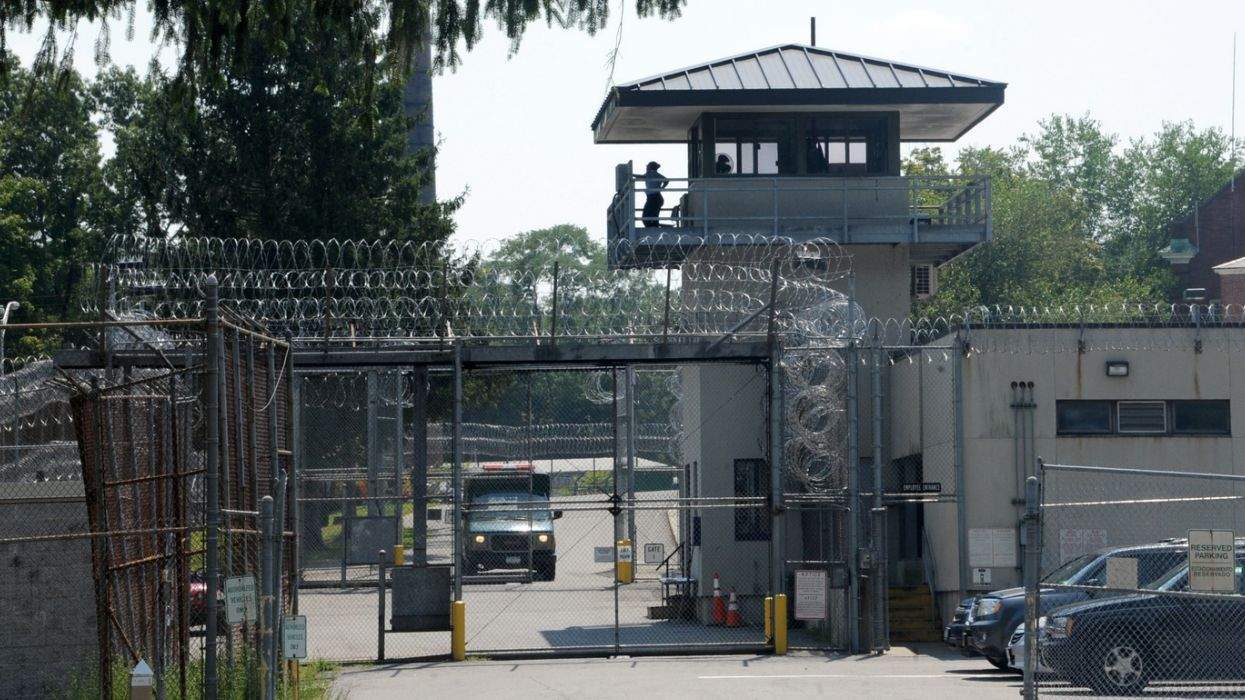
Larissa Godfrey-Smith, a therapist living and working in Washington, D.C., recently spent 12 hours in a jail cell with five other people. There was no running water, since the sink wasn’t working. There was one toilet. They were fed once: a baloney sandwich per person. One guard also gave them a few peanut butter crackers.
By the end of the day, she just missed her kid.
“I was like, oh, I don't get to do bath and bedtime with my 4-year-old the way that I thought I was going to be able to,” she said. There was no clock in the cell — she snuck peeks at the time whenever the cell door was open. As the hours went by, she realized she wouldn’t pick him up from school or read to him before bed. Her husband would take care of their kid, of course. But she also knew he would be anxious.
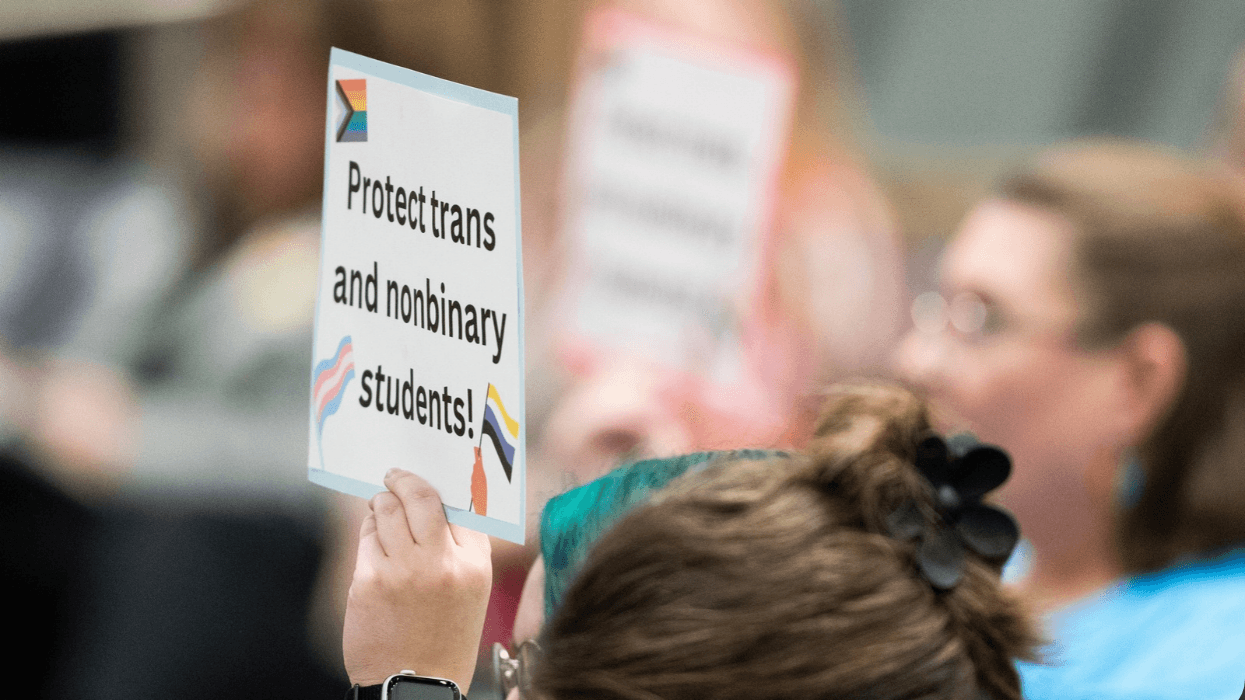
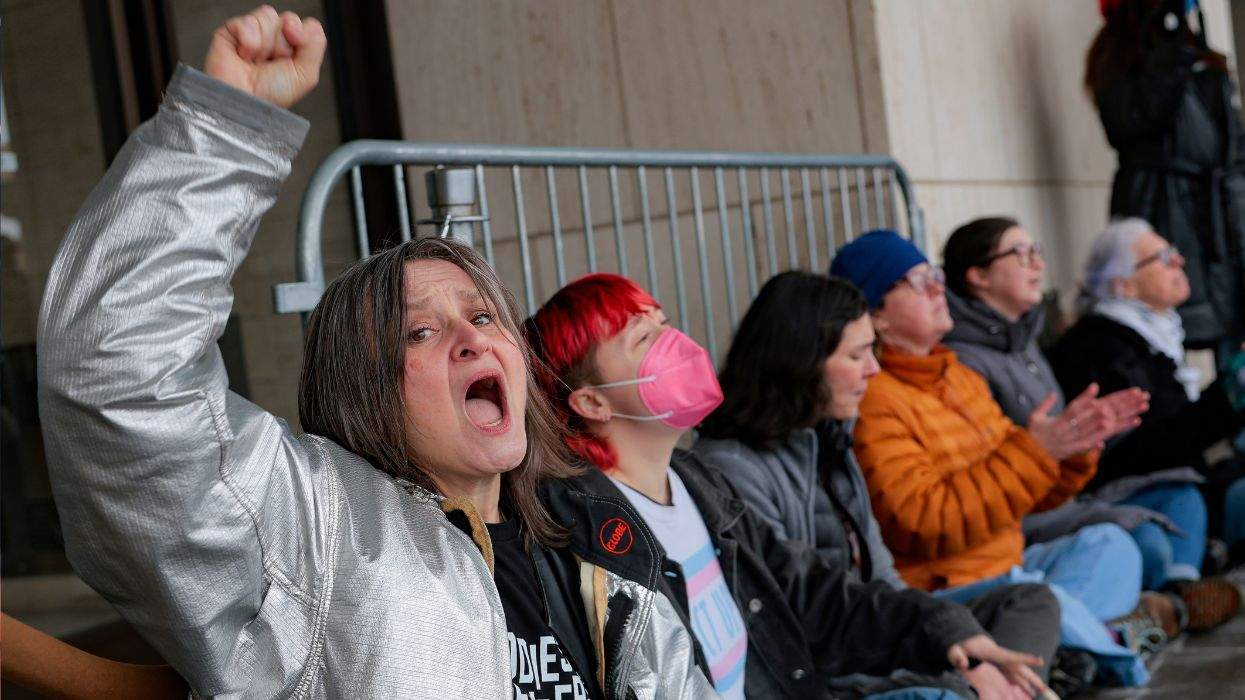
Godfrey-Smith was one of over 50 people who joined a protest last month against the Trump administration’s plans to ban gender-affirming care for trans youth. They blocked the entrance to the Health and Human Services Department headquarters to demand that the government stop blocking medical care for transgender kids. Godfrey-Smith was among the 25 protesters arrested.
Parents and grandparents of trans youth, plus their therapists and medical providers, are fed up after years of health care bans and hostile rhetoric. Those feelings are driving them to do things they’ve never done before — like plan to get arrested at a protest.
Godfrey-Smith and her husband had decided, together, that participating in a little civil disobedience was worth risking her arrest. But they hadn’t expected that she would be held for so long.
As a licensed professional counselor who specializes in LGBTQ+ mental health, Godfrey-Smith, who uses she and they pronouns, works with trans kids and their families as they navigate the complexities of gender changing over time. They answer nervous parents’ questions. They talk about concerns regarding medical transition. They also work with trans adults who are well into their 30s and 40s and figuring it all out for the first time.
The Trump administration is not helping those patients, she said; bans and rhetoric are just making everything worse. Families are confused about what they can access and what to believe. Financial costs to find knowledgeable providers are rising. And parents are scared about the world their trans children are growing up in.
“I’m so angry and so frustrated. I’m just so exhausted at the misinformation,” they said.
As a mental health provider, they know that families feel abandoned. She wants those families to see people standing up for them.
The protest was organized by the Gender Liberation Movement, which advocates for bodily autonomy and trans rights. The volunteer-run group has been active in response to the second Trump administration: marching against Project 2025, the conservative policy blueprint from the Heritage Foundation; facing arrest through a bathroom sit-in on Capitol Hill; and protesting outside the Supreme Court.
Raquel Willis, co-founder of the group, said that families and allies of trans youth increasingly want to get involved and push back against the Trump administration. They don’t want to feel powerless, she said.
“We had affirming grandparents with us. We had trans parents with us,” she said. “We are seeing more and more people say that they have trans and nonbinary kids, or young people, in their lives.”
Now, the organization is getting ready to fight the next challenge to trans youth and gender-affirming care.
The government wants to block Medicaid and Medicare funds from hospitals that provide gender-affirming care to minors. This is a serious deterrent, since hospitals rely on these federal programs to cover their spending. The administration also wants to prevent hospitals from using federal Medicaid reimbursement to cover gender-affirming treatments. Taken together, these regulations would essentially ban the care nationwide.
In response, 21 states and Washington, D.C., have sued, asking a court to block enforcement of these policies. States say the government is restricting their ability to administer Medicaid plans in accordance with local laws. Their lawsuit has halted attempts by the Trump administration to investigate and punish hospitals that provide gender-affirming treatments to minors. Until a court decision comes — or 30 days after a March 19 hearing, whichever comes first — the government cannot take action against these hospitals.
But, faced with the ire of the federal government, hospitals have been shutting down treatment anyway. Christen Clifford, a mom of two trans kids living in New York City, knows that’s happening because she’s lived it.
“I got out of jail last Tuesday to a message from my pediatrician, saying ‘call me.’ Then, as I’m looking at other messages, I find out that NYU had closed down their youth gender clinic,” Clifford said. As she was protesting federal threats to her children’s health care, the hospital where her 17-year-old son currently gets treatment shuttered its transgender youth health program. NYU Langone Health cited “the current regulatory environment” as a key reason why it made the decision.
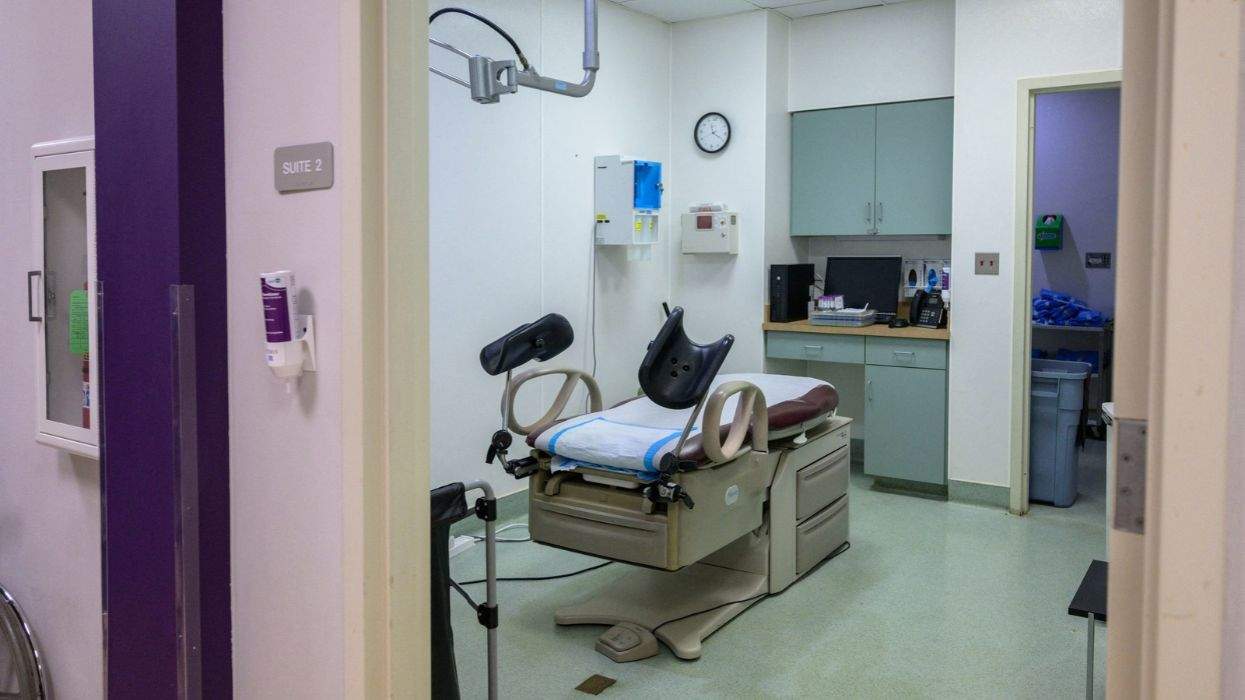
Gender-affirming care is not only legal in New York — it’s protected by a state shield law. The New York attorney general’s office has ordered the hospital to resume treatment, but the hospital has not publicly responded.
Luckily, Clifford had just filled a prescription for her son’s hormone replacement therapy, so he still had some medication. Suddenly stopping testosterone would be painful: side effects of an abrupt stop include fatigue, brain fog and headaches. But they still have to come up with a Plan B for where to get his medication now.
The care her son and her 22-year-old daughter received at NYU Langone made a huge difference in their lives, she said. Now, her children do better in school — they eat better, they sleep better, she said. They’re both happier. The loss of the hospital’s transgender youth health program in New York is devastating to families, she said.
“I have seen firsthand that gender-affirming care is life saving for teenagers,” she said. “I really believe it saved my children’s lives.”
The February protest wasn’t Clifford’s first rodeo. She’s been protesting since 1989, primarily for bodily autonomy and abortion access. But what motivated her to risk arrest this time is her kids. That day, the protesters were given a few warnings before agents with the Department of Homeland Security — not local enforcement — arrested members of their group one by one. Eventually, the officers ran out of zip ties. Clifford was the last person arrested. She was taken to a different district from Godfrey-Smith, the local therapist.
Over in Godfrey-Smith’s shared cell at MPD first precinct headquarters, conditions were rough. They had to bang on the door to ask for water, since the sink wasn’t working, and were given small cups of water sporadically after. None of them slept during those 12 hours. DHS and D.C. police did not respond to requests for comment for this story.
Another mom waited in the cell with Godfrey-Smith: a Latina who risked arrest as Immigration and Customs Enforcement cracks down on families across the country. She is a nurse practitioner who worries what will happen to her daughter if she can’t access gender-affirming care anymore. She spoke with The 19th on condition of anonymity, since her young daughter’s trans identity is not public.
“For my kid, if she has to stop care, I fear for her mental well-being. That’s why I went to D.C.,” she said. “And I just felt like when I look at my kid in the eyes, years from now, I can say I did everything that I could.”
As of now, her daughter’s next appointment at the Lurie Children’s Hospital in Chicago hasn’t been canceled. But that feels like it could change at any moment. Getting arrested at this protest was terrifying, she said; but so is being a parent of a trans kid right now.
Her daughter, who is 14, started socially transitioning at 5 years old. There were early signs: growing up, she would pretend her mother’s scarves were hair and try on her heels. She got upset when she couldn’t wear princess dresses at Halloween. She seemed weighed down by some kind of sadness. When they asked if their child wanted to be a girl, she glowed. Since then, she hasn’t wavered in those feelings, her mom said.
Along the way, her parents relied on a robust medical support system. Their daughter started seeing a therapist. And through the Lurie Children’s Hospital, she saw endocrinologists and psychiatrists that advised on major decisions that came later, like whether she should start hormone replacement therapy. Repeatedly, doctors and therapists checked if this was what their daughter really wanted. And it was.
“Nobody’s ever pushed for or discussed surgery or anything like that,” her mom said. “I think there’s a lot of fear mongering when it comes to Republicans saying that, ‘we’re trying to do surgeries on little kids.’ That’s not the case.”
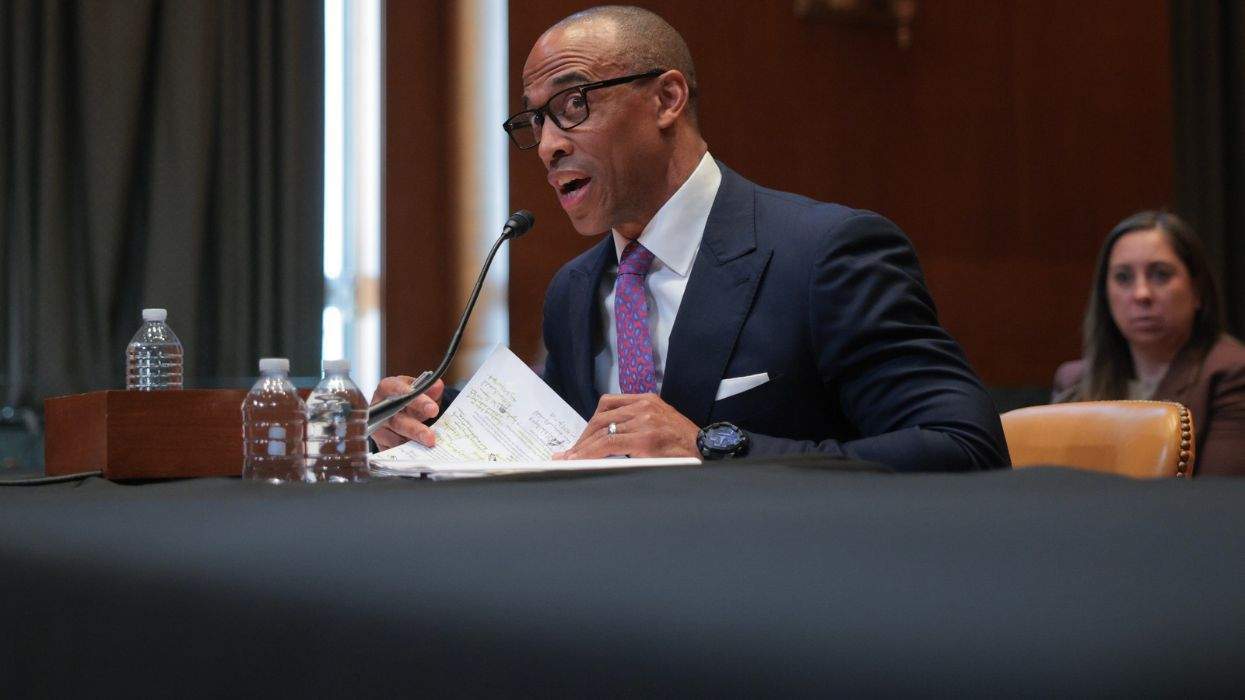
When HHS Secretary Robert F. Kennedy Jr. announced the federal rules restricting youth gender-affirming care in December, he described the practice as “chemical and surgical sex-rejecting procedures” that endanger patients’ lives.
“This is not medicine. It is malpractice,” Kennedy said. “We’re done with junk science driven by ideological pursuits, not the well-being of children.”
Parents of transgender kids disagree. They argue that without medical intervention at a young age, their children would grow up in bodies changing in unwanted ways. They worry that, without treatment, puberty mixed with gender dysphoria could lead to suicide. Multiple studies have found that access to medical treatment lowers suicidality rates for trans youth. And gender dysphoria, the distress experienced by trans people when their body doesn’t align with their gender, is a medical condition — a diagnosis.
Families of trans kids fear what happens when they can’t get treatment for that diagnosis anymore. That fear is driving them to action.