'%3E%3Cpath d='M16.3574 35.6519H12.9537L15.0491 18.8873L16.3574 35.6519ZM30.4229 54.0093L22.309 0.994385H7.91795L0 54.0093H10.6634L11.5802 46.3855H17.4014L17.9914 54.0093H30.4229Z' fill='%23971B20'/%3E%3Cpath d='M48.2073 41.8813C48.2073 43.4049 47.4892 44.0011 46.1144 44.0011H43.7595V11.0687H46.1144C47.4892 11.0687 48.2073 11.6636 48.2073 13.1885V41.8813ZM59.5273 43.6695V11.3326C59.5273 3.71323 53.5729 0.994385 47.8157 0.994385H31.7213V54.0093H47.8157C53.5729 54.0093 59.5273 51.29 59.5273 43.6695Z' fill='%23971B20'/%3E%3Cpath d='M90.183 0.994385H78.6039L75.0711 30.6157L71.9955 0.994385H59.4346L69.2474 54.0093H80.373L90.183 0.994385Z' fill='%23971B20'/%3E%3Cpath d='M107.063 42.3448C107.063 43.7359 105.951 44.5974 104.643 44.5974C103.269 44.5974 102.157 43.7359 102.157 42.3448V12.658C102.157 11.2676 103.269 10.4058 104.643 10.4058C105.951 10.4058 107.063 11.2676 107.063 12.658V42.3448ZM119.233 43.2723V11.7312C119.233 6.36384 112.952 -3.8147e-06 104.643 -3.8147e-06C96.2667 -3.8147e-06 89.9867 6.36384 89.9867 11.7312V43.2723C89.9867 48.6393 96.2667 55 104.643 55C112.952 55 119.233 48.6393 119.233 43.2723Z' fill='%23971B20'/%3E%3Cpath d='M150.976 43.9349V33.7309H139.069V42.3448C139.069 43.7359 137.957 44.5974 136.582 44.5974C135.076 44.5974 133.964 43.7359 133.964 42.3448V12.658C133.964 11.2676 135.076 10.4058 136.582 10.4058C137.957 10.4058 139.069 11.2676 139.069 12.658V21.2723H150.976V11.0687C150.976 5.70107 145.283 -3.8147e-06 136.582 -3.8147e-06C127.75 -3.8147e-06 121.796 5.70107 121.796 11.0687V43.9349C121.796 49.3022 127.75 55 136.582 55C145.283 55 150.976 49.3022 150.976 43.9349Z' fill='%23971B20'/%3E%3Cpath d='M167.478 35.6519H164.076L166.17 18.8873L167.478 35.6519ZM181.544 54.0093L173.432 0.994385H159.037L151.123 54.0093H161.785L162.704 46.3855H168.523L169.114 54.0093H181.544Z' fill='%23971B20'/%3E%3Cpath d='M205.412 10.4058V0.994385H177.081V10.4058H185.392V54.0093H197.428V10.4058H205.412Z' fill='%23971B20'/%3E%3Cpath d='M230.002 54.0093V43.9349H218.914V31.8746H226.635V21.8028H218.914V10.4058H230.002V0.994385H206.875V54.0093H230.002Z' fill='%23971B20'/%3E%3C/g%3E%3Cdefs%3E%3CclipPath id='clip0_260_7080'%3E%3Crect width='230' height='55' fill='white'/%3E%3C/clipPath%3E%3C/defs%3E%3C/svg%3E)
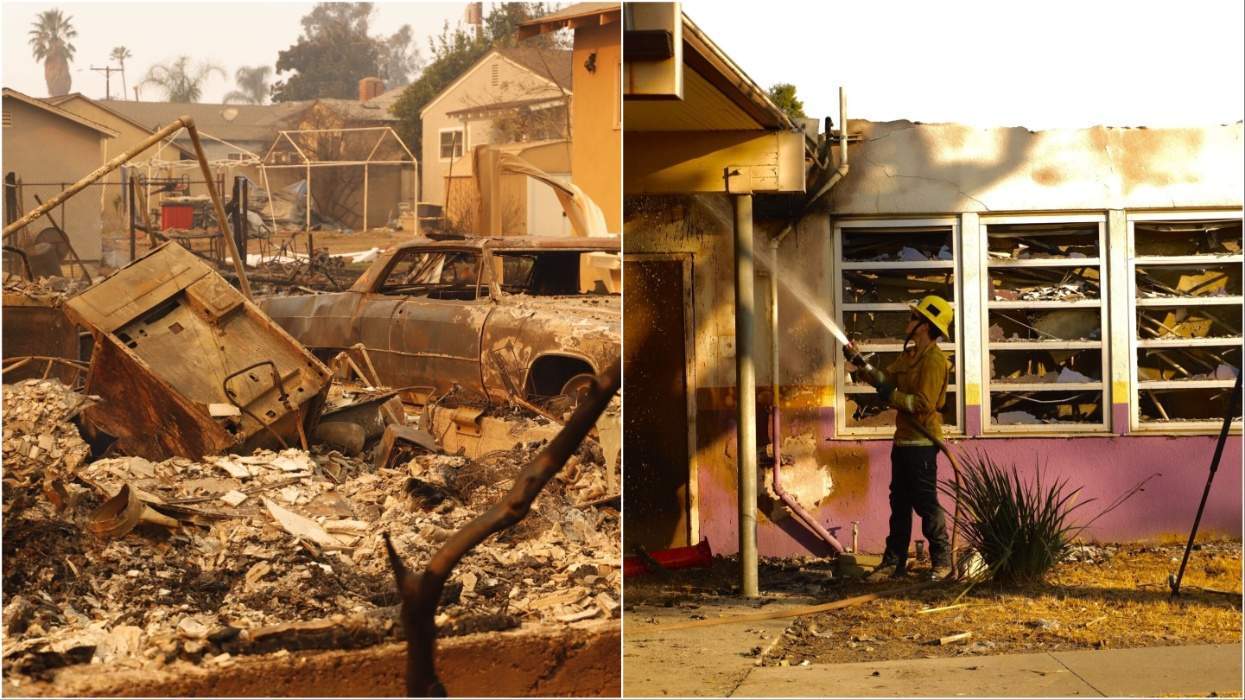
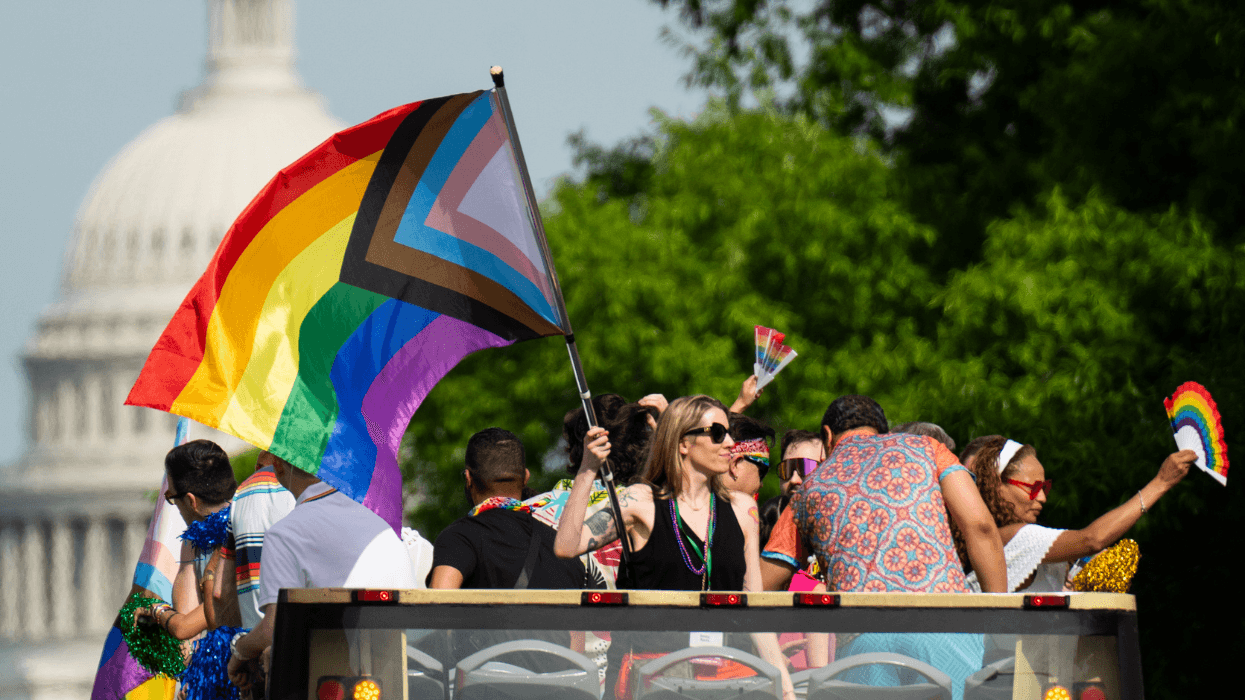
The Williams Institute at the University of California Los Angeles School of Law and the Los Angeles County Department of Public Health released a report highlighting the impact of the fires that burned through LGBTQ+ households and businesses for the one-year mark since the fires.
The report reveals that LGBTQ+ survivors entered the disaster with greater vulnerabilities and less immediate support from community organizations, friends, and family. LGBTQ+ residents also faced additional barriers during recovery due to discrimination and bias from service providers, survivors told report authors.
“When the fires [were finally] under control, [LGBTQ+ residents] faced recovery services led by a federal administration hostile to LGBTQ+ people, and local service providers, including some faith-based service providers, that were not fully inclusive of their families,” said lead author Brad Sears, distinguished senior scholar of law and policy at the Williams Institute.
The Williams Institute and the LA County Department of Public Health conducted a wildfire rapid needs assessment survey following the Eaton Canyon Fire to collect data for the latest report. They also held a listening session to collect data on the experiences faced by those affected.
The key findings point to a major disparity in housing vulnerability – LGBTQ+ residents were more likely to be renters than they were to be homeowners. This disparity leads to an added layer of vulnerability in available housing and housing programs designed to help homeowners over renters. The survey also found that LGBTQ+ residents were three to four times more likely than non-LGBTQ+ residents to require legal assistance to navigate tenants' rights in resolving disputes with landlords.
Some participants of the listening session told researchers, "They believed their claims or needs were taken less seriously once their sexual orientation or gender identity became apparent."
Though the Federal Emergency Management Agency (FEMA), states that ‘FEMA treats all people equally regardless of an individual’s race, color, religion, national origin, sex, age or disability,’ the participants of this survey claim otherwise. Some participants of the study hit barriers in accessing FEMA assistance due to their preferred name, sex-at-birth not matching federal paperwork, or after mentioning that they had a same-sex domestic partner.
According to the report, participants “described being misgendered, having their partnerships dismissed, and encountering skepticism or discomfort from service providers unfamiliar with LGBTQ+ family structures.” Trans and nonbinary participants reported feeling discriminated against when seeking temporary housing and anticipated mistreatment and deadnaming during the rental search.
Some participants of the survey also noted that FEMA removed civil rights protections for sexual orientation and gender identity during this time.
The report notes that LGBTQ+ community members were more likely to have mental health conditions than non-LGBTQ+ people.
"Participants in the listening sessions described profound grief, feelings of disorientation, and difficulty reestablishing stability in the months following displacement. Sensory reminders such as construction noise, ash, and smoke residue triggered ongoing distress, preventing many from feeling grounded or comfortable in their environment," it states.
Queer respondents also told researchers that the loss of LGBTQ-inclusive spaces had negatively affected them. Something echoed by a local business owner to The Advocate.
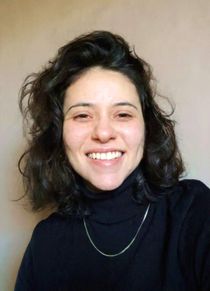
June Bug Tattoos, an LGBTQ+ and woman-owned business designed as an intentional safe space for LGBTQ+ people and people on the autism spectrum, was originally based in Altadena. The fires burned down the shop in that location and forced Isabela Livingstone, the owner, to relocate her business to Eagle Rock. This inclusive space is just one now gone from the Altadena area.
“We definitely got the majority of our assistance through our GoFund Me campaign,” Livingstone told The Advocate. “So specifically the Altadena community and the queer community, and the tattoo community were the people that helped us rebuild.”
She says that though they have reopened, they are still in the process of rebuilding and that "some things are taking longer than others."
This article was written as part of the Future of Queer Media fellowship program at The Advocate, which is underwritten by a generous gift from Morrison Media Group. The program helps support the next generation of LGBTQ+ journalists.