'%3E%3Cpath d='M16.3574 35.6519H12.9537L15.0491 18.8873L16.3574 35.6519ZM30.4229 54.0093L22.309 0.994385H7.91795L0 54.0093H10.6634L11.5802 46.3855H17.4014L17.9914 54.0093H30.4229Z' fill='%23971B20'/%3E%3Cpath d='M48.2073 41.8813C48.2073 43.4049 47.4892 44.0011 46.1144 44.0011H43.7595V11.0687H46.1144C47.4892 11.0687 48.2073 11.6636 48.2073 13.1885V41.8813ZM59.5273 43.6695V11.3326C59.5273 3.71323 53.5729 0.994385 47.8157 0.994385H31.7213V54.0093H47.8157C53.5729 54.0093 59.5273 51.29 59.5273 43.6695Z' fill='%23971B20'/%3E%3Cpath d='M90.183 0.994385H78.6039L75.0711 30.6157L71.9955 0.994385H59.4346L69.2474 54.0093H80.373L90.183 0.994385Z' fill='%23971B20'/%3E%3Cpath d='M107.063 42.3448C107.063 43.7359 105.951 44.5974 104.643 44.5974C103.269 44.5974 102.157 43.7359 102.157 42.3448V12.658C102.157 11.2676 103.269 10.4058 104.643 10.4058C105.951 10.4058 107.063 11.2676 107.063 12.658V42.3448ZM119.233 43.2723V11.7312C119.233 6.36384 112.952 -3.8147e-06 104.643 -3.8147e-06C96.2667 -3.8147e-06 89.9867 6.36384 89.9867 11.7312V43.2723C89.9867 48.6393 96.2667 55 104.643 55C112.952 55 119.233 48.6393 119.233 43.2723Z' fill='%23971B20'/%3E%3Cpath d='M150.976 43.9349V33.7309H139.069V42.3448C139.069 43.7359 137.957 44.5974 136.582 44.5974C135.076 44.5974 133.964 43.7359 133.964 42.3448V12.658C133.964 11.2676 135.076 10.4058 136.582 10.4058C137.957 10.4058 139.069 11.2676 139.069 12.658V21.2723H150.976V11.0687C150.976 5.70107 145.283 -3.8147e-06 136.582 -3.8147e-06C127.75 -3.8147e-06 121.796 5.70107 121.796 11.0687V43.9349C121.796 49.3022 127.75 55 136.582 55C145.283 55 150.976 49.3022 150.976 43.9349Z' fill='%23971B20'/%3E%3Cpath d='M167.478 35.6519H164.076L166.17 18.8873L167.478 35.6519ZM181.544 54.0093L173.432 0.994385H159.037L151.123 54.0093H161.785L162.704 46.3855H168.523L169.114 54.0093H181.544Z' fill='%23971B20'/%3E%3Cpath d='M205.412 10.4058V0.994385H177.081V10.4058H185.392V54.0093H197.428V10.4058H205.412Z' fill='%23971B20'/%3E%3Cpath d='M230.002 54.0093V43.9349H218.914V31.8746H226.635V21.8028H218.914V10.4058H230.002V0.994385H206.875V54.0093H230.002Z' fill='%23971B20'/%3E%3C/g%3E%3Cdefs%3E%3CclipPath id='clip0_260_7080'%3E%3Crect width='230' height='55' fill='white'/%3E%3C/clipPath%3E%3C/defs%3E%3C/svg%3E)
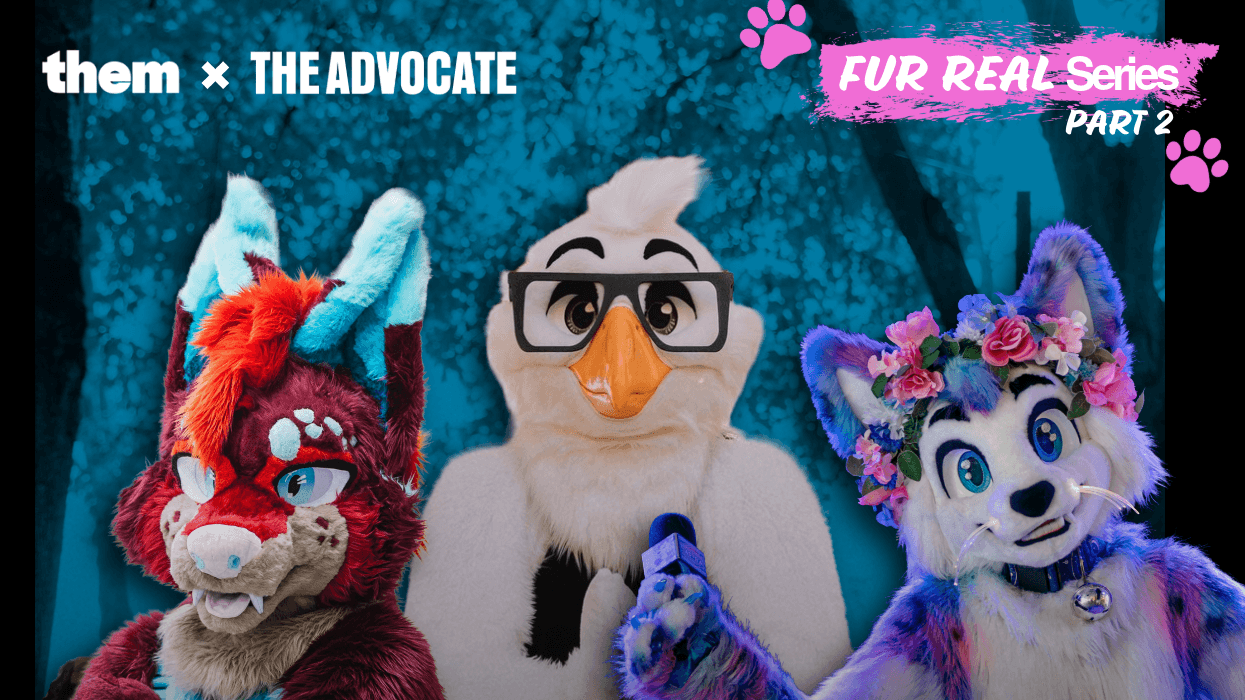
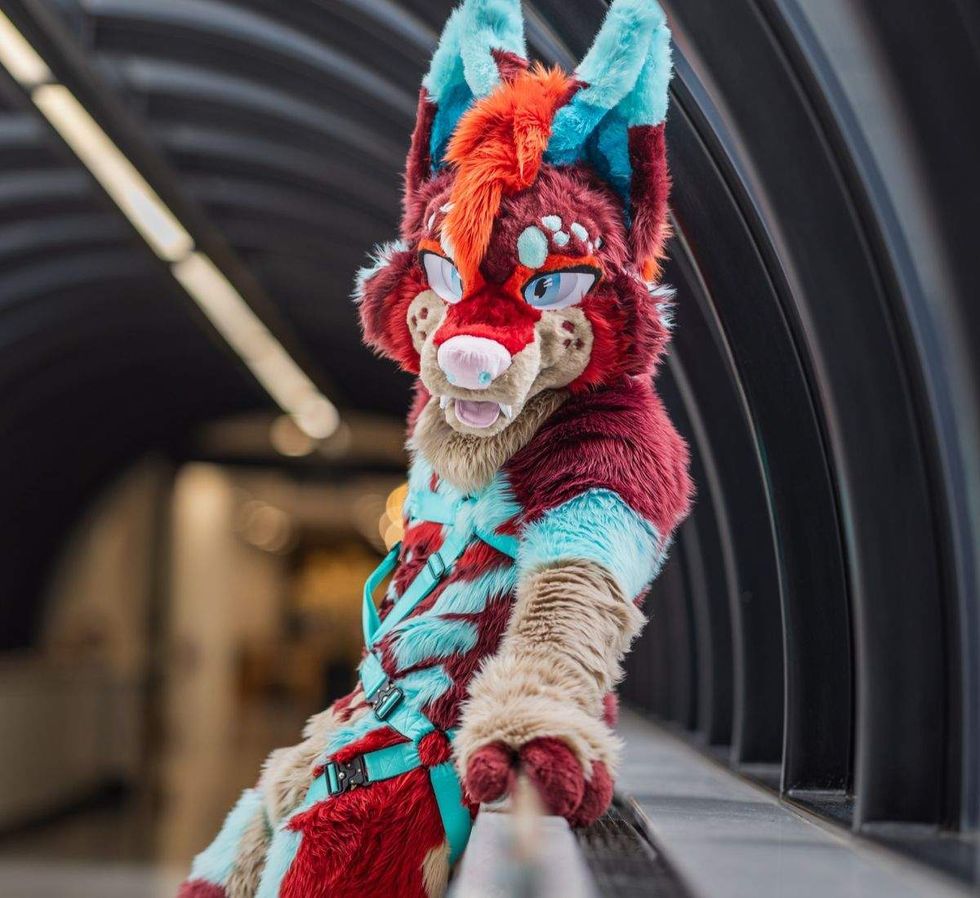
Astra is pretty hard to miss at a furry convention. The Florida content creator wears an enormous feline mix costume with pointed ears, oversized blue eyes, and white fur splashed with pink, purple, and turquoise. Con badges dangle across his chest.
Microphone in hand, Astra approaches other people dressed as animals with a simple question: What do people get wrong about furries?
The answers might surprise you. Some push back against the idea that furries don’t have jobs or responsibilities. Others talk about the friendships they’ve made and why they look forward to spending weekends dressed as their favorite characters.
Astra, a 29-year-old bisexual cybersecurity professional who goes publicly by his fursona’s name, wasn’t always a fan himself.
In 2022, a friend visiting from Sweden convinced him to attend a furry convention in Florida. Astra wasn’t particularly interested, so he showed up in a Guy Fieri Halloween costume, hoping nobody would mistake him for an actual furry.
When he saw people walking around in animal costumes, he turned to his friend and made an observation.
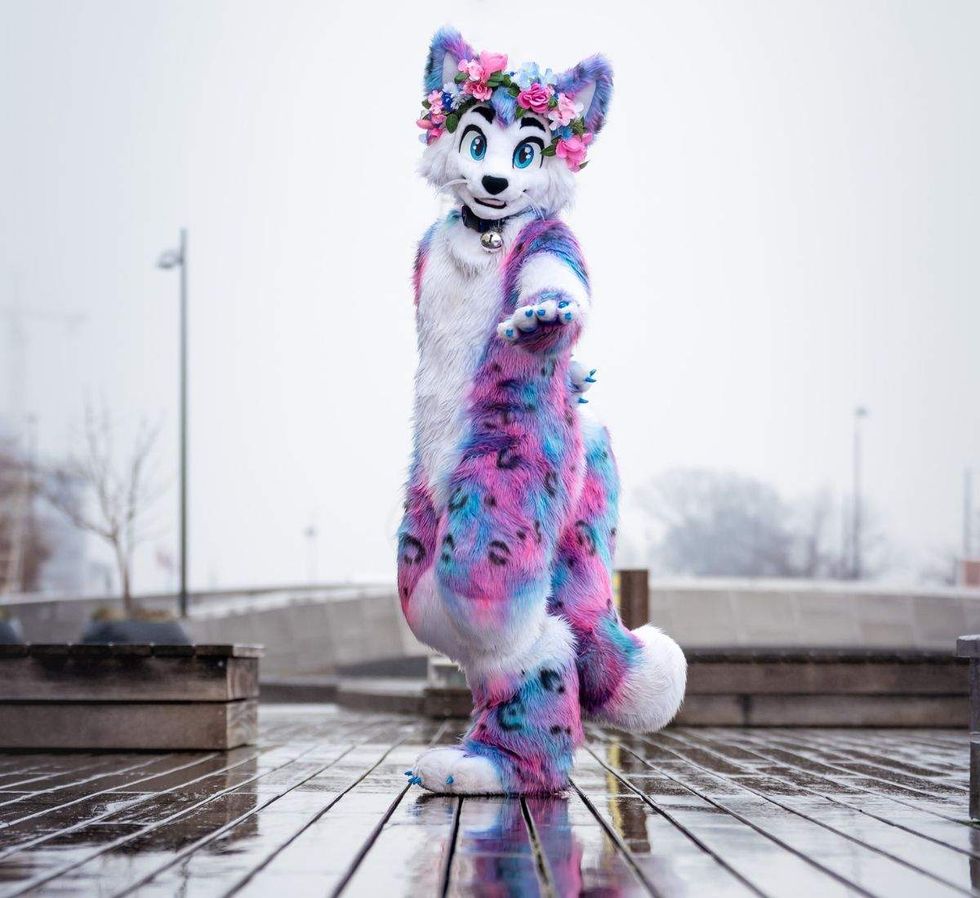 Astravlaaacek
“Wow, you guys didn’t get bullied enough in high school,” he recalls saying.
But things changed as the night went on. Astra watched a woman in a feline fursuit dancing like nobody was watching. Then came a comedy show and hours of conversation with people he’d only just met.
By the end of the night, the community he’d been so quick to dismiss had started to feel like somewhere he belonged. It also left him with questions about his own identity.
Hundreds of miles away in Pennsylvania, another furry has found a rather different use for an animal costume: teaching people about money.
Brian, a 45-year-old gay man who agreed to be identified by his first name, is better known to car enthusiasts as Mr. Regular. He co-created Regular Car Reviews, a YouTube channel with nearly 970,000 subscribers and more than 415 million views. The channel mixes car reviews with absurdist humor and observations about American culture.
These days, Brian also appears as Finance Bird, a fluffy, pale-feathered character named Remote. The bird wears thick black glasses, has an enormous orange-yellow beak, and gestures with oversize feathered hands. Brian, a former teacher, uses him to explain financial decisions, including investing and whether that expensive car is really worth buying.
What do a cybersecurity professional, a successful YouTuber, and thousands of people wearing animal costumes have in common?
So, what exactly makes someone a furry?
At its simplest, furry fandom is about enjoying fictional animals that have human characteristics. The term is anthropomorphism, but you’ve probably encountered it throughout your life.
Think Disney’s Robin Hood or Zootopia, where animals talk, wear clothes, hold jobs, and deal with recognizably human problems.
The difference is that furry fandom isn’t devoted to a particular movie, cartoon, or franchise. Its participants create their own characters, draw artwork, write stories, make videos, and build friendships around them.
Elizabeth Nickrenz, an associate professor of psychology at Duquesne University in Pittsburgh, works with Furscience, the public-facing name of the International Anthropomorphic Research Project. It’s a team of academics who study furry fandom through surveys, interviews, and scholarly research.
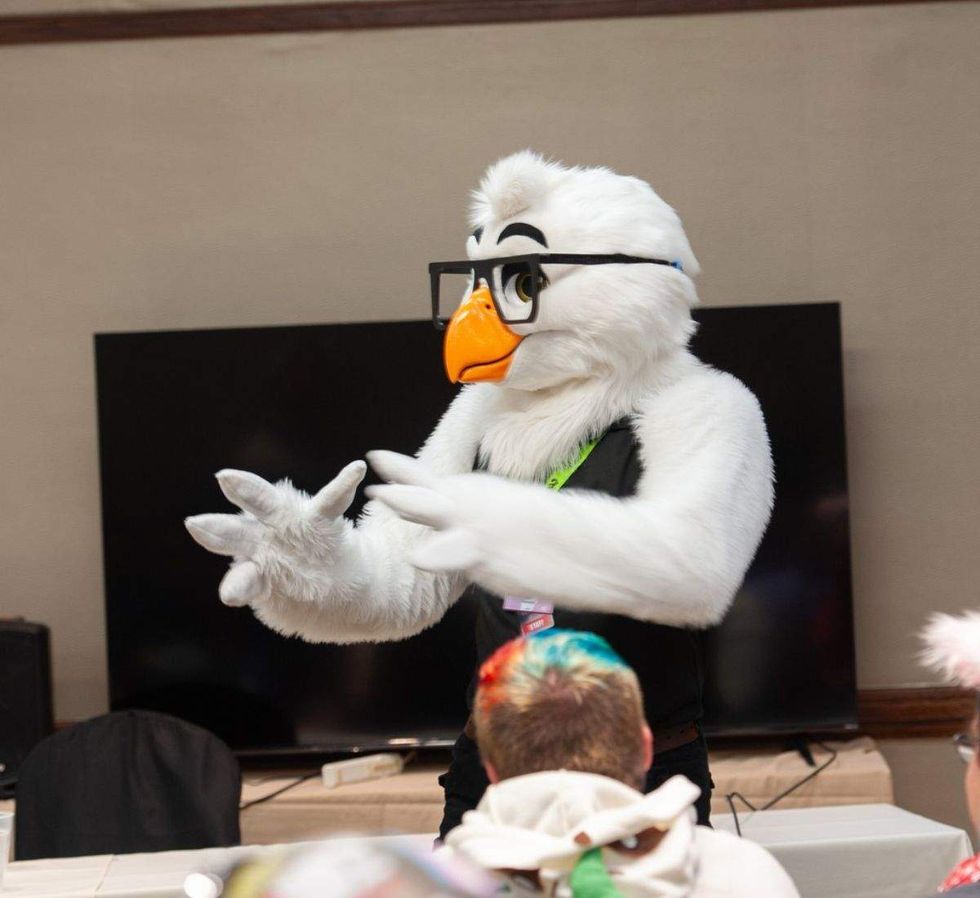 Remote the Finance Bird.eberra
Nickrenz says there’s really only one requirement for being a furry: an interest in humanlike animals.
“And that’s it,” she tells The Advocate.
Many furries create a fursona, an original animal character that represents them. Some use their characters as online avatars, while others give them elaborate personalities and backstories.
“That’s the nice thing about the fursona,” Nickrenz explains. “It’s sort of you, but it’s also not you at the same time.”
For Rorschach Fox, the gay Las Vegas man featured in Part 1 of The Advocate’s Fur Real series, putting on a fox fursuit has helped him express parts of his personality he once kept hidden.
But you don’t need a fursona, and you certainly don’t need a costume.
Earlier Furscience research found that roughly 10 percent to 15 percent of respondents owned a full fursuit. A 2020 international survey found that 35.2 percent identified as fursuiters, although the studies measured different things.
There’s no membership card or organization to join, either. People discover the fandom through artwork, social media, online communities, and local meetups. You can even attend a convention without owning a costume.
Related: Sen. Tommy Tuberville calls trans people 'deranged' and rants about furry pilots in bizarre speech
Why are so many furries LGBTQ+?
Here’s where the research gets particularly interesting.
In a 2020 Furscience survey of 559 adults from 41 countries, just 10.1 percent identified as heterosexual. Other respondents identified as gay or lesbian, bisexual, pansexual, asexual, or selected other responses.
Other studies have found substantial gender diversity. In three surveys from 2021 and 2022, roughly one-quarter to one-third of respondents did not identify primarily as cisgender.
Nickrenz thinks the opportunity to explore different aspects of yourself is part of the appeal.
“Furry culture provides a broader palette of possibilities and a space for play without commitment,” she says.
Astra knows something about that. Growing up in Florida, he experienced bullying and initially identified as straight. After his first convention, he spent about a week thinking seriously about his sexuality and identity. He later came to identify as bisexual.
A few days after that convention, on his birthday, his Swedish friend helped create the first illustration establishing Astra’s design.
“I just like to say that me and Astra share a birthday because we created it on my birthday,” he recalls.
Of course, the fandom isn’t one big happy family. Astra says it has cliques, conflicts, and people who judge others for interests considered too unusual even by furry standards.
He describes the contradiction as telling people, “Be yourself, be as weird as you want, except this.”
Related: Oklahoma Republican falls for furry conspiracy, proposes bill unleashing animal control on student
What happens at a furry convention?
A lot more than walking around in animal costumes.
Conventions such as Anthrocon in Pittsburgh, Furry Weekend Atlanta, Midwest FurFest near Chicago, and Megaplex in Florida bring together friends who may have known one another online for years. People browse artwork, attend workshops, play games, dance, and socialize.
And the costumes aren’t all alike. Astra interviews people wearing everything from elaborate full-body suits to colorful animal heads paired with everyday clothing.
There’s also a practical problem with spending hours inside layers of synthetic fur: It gets hot.
That’s why conventions often have headless lounges, where people can remove their costume heads, cool down, and take a break from photographers.
Astra sometimes needs a friend to help him get through the crowds. People stop him so frequently for photographs that reaching a cooling area can become a challenge.
OK, but what about the sex stuff?
Yes, sex is part of furry culture. The fandom includes erotic artwork, kink, and adult gatherings. But that doesn’t mean everyone participates in those activities or even wants to.
Scott, the gay Las Vegas man behind Rorschach Fox, thinks outsiders make too much of the sexual side while some furries are reluctant to acknowledge how prominent it can be.
 Rorschach the Fox.infernoawd
He compares it to camping. People sometimes have sex while camping, but that doesn’t make camping inherently sexual.
Research into furry participation found that roughly one-quarter of respondents said sexual attraction had nothing to do with their furry interests. About one-third identified sexual attraction as a motivation, while belonging and entertainment ranked more prominently overall.
Scott enjoys erotic furry artwork, but he and his husband are monogamous, and he says he doesn’t attend conventions looking for sex.
“But in the context of doing stuff at cons and everything, it’s just not for me,” he tells The Advocate. “But I don’t at all judge or begrudge anybody for doing that.”
Wait, do furries actually believe they’re animals?
Generally, no. That’s a common misunderstanding, partly because furry fandom gets confused with therianthropy.
Therians typically identify internally with a nonhuman animal, sometimes through spiritual or psychological experiences. Furries, on the other hand, share an interest in fictional animal characters.
Researchers found that furries talked more often about creativity and entertainment, while therians more frequently discussed spirituality or animal identification.
Neither identity is the same as being transgender, which concerns gender identity.
The confusion helped fuel the persistent rumor that schools installed litter boxes for students who identify as cats.
No credible evidence supports it. PolitiFact documented how the claim continued spreading despite repeated denials and fact-checks.
For Brian, the distinction between playing a character and believing he’s that character is pretty straightforward.
Growing up in rural Pennsylvania, he learned to keep certain interests to himself. He began drawing anthropomorphic characters in 1998 but largely put the hobby aside while building a teaching career. After becoming a full-time content creator, he returned to it.
He misses teaching, and Finance Bird gives him another opportunity to explain subjects people sometimes find intimidating. He says he gets 50 to 100 direct messages daily and selects roughly 10 every three days to answer in videos.
When asked whether wearing a bird costume changes how he sees himself, Brian doesn’t hesitate.
“I don’t think I’m a bird. I realize I’m just wearing a costume,” he tells The Advocate.
NEW! Please make a tax-deductible donation to The Advocate Journalism Project to directly support LGBTQ+ journalism. Help us expand our Washington, D.C., bureau to bring you more breaking news from the nation's capital and fund crucial investigative reporting, compelling video reports, and sustain our 60-year print archive, a history of the queer civil rights movement.