'%3E%3Cpath d='M16.3574 35.6519H12.9537L15.0491 18.8873L16.3574 35.6519ZM30.4229 54.0093L22.309 0.994385H7.91795L0 54.0093H10.6634L11.5802 46.3855H17.4014L17.9914 54.0093H30.4229Z' fill='%23971B20'/%3E%3Cpath d='M48.2073 41.8813C48.2073 43.4049 47.4892 44.0011 46.1144 44.0011H43.7595V11.0687H46.1144C47.4892 11.0687 48.2073 11.6636 48.2073 13.1885V41.8813ZM59.5273 43.6695V11.3326C59.5273 3.71323 53.5729 0.994385 47.8157 0.994385H31.7213V54.0093H47.8157C53.5729 54.0093 59.5273 51.29 59.5273 43.6695Z' fill='%23971B20'/%3E%3Cpath d='M90.183 0.994385H78.6039L75.0711 30.6157L71.9955 0.994385H59.4346L69.2474 54.0093H80.373L90.183 0.994385Z' fill='%23971B20'/%3E%3Cpath d='M107.063 42.3448C107.063 43.7359 105.951 44.5974 104.643 44.5974C103.269 44.5974 102.157 43.7359 102.157 42.3448V12.658C102.157 11.2676 103.269 10.4058 104.643 10.4058C105.951 10.4058 107.063 11.2676 107.063 12.658V42.3448ZM119.233 43.2723V11.7312C119.233 6.36384 112.952 -3.8147e-06 104.643 -3.8147e-06C96.2667 -3.8147e-06 89.9867 6.36384 89.9867 11.7312V43.2723C89.9867 48.6393 96.2667 55 104.643 55C112.952 55 119.233 48.6393 119.233 43.2723Z' fill='%23971B20'/%3E%3Cpath d='M150.976 43.9349V33.7309H139.069V42.3448C139.069 43.7359 137.957 44.5974 136.582 44.5974C135.076 44.5974 133.964 43.7359 133.964 42.3448V12.658C133.964 11.2676 135.076 10.4058 136.582 10.4058C137.957 10.4058 139.069 11.2676 139.069 12.658V21.2723H150.976V11.0687C150.976 5.70107 145.283 -3.8147e-06 136.582 -3.8147e-06C127.75 -3.8147e-06 121.796 5.70107 121.796 11.0687V43.9349C121.796 49.3022 127.75 55 136.582 55C145.283 55 150.976 49.3022 150.976 43.9349Z' fill='%23971B20'/%3E%3Cpath d='M167.478 35.6519H164.076L166.17 18.8873L167.478 35.6519ZM181.544 54.0093L173.432 0.994385H159.037L151.123 54.0093H161.785L162.704 46.3855H168.523L169.114 54.0093H181.544Z' fill='%23971B20'/%3E%3Cpath d='M205.412 10.4058V0.994385H177.081V10.4058H185.392V54.0093H197.428V10.4058H205.412Z' fill='%23971B20'/%3E%3Cpath d='M230.002 54.0093V43.9349H218.914V31.8746H226.635V21.8028H218.914V10.4058H230.002V0.994385H206.875V54.0093H230.002Z' fill='%23971B20'/%3E%3C/g%3E%3Cdefs%3E%3CclipPath id='clip0_260_7080'%3E%3Crect width='230' height='55' fill='white'/%3E%3C/clipPath%3E%3C/defs%3E%3C/svg%3E)

Property costs are still rising in the United States. But some historically queer neighborhoods and LGBTQ+-inclusive areas still boast affordable housing, offering new possibilities for those considering their next move.
Using newly released property value data, The Advocate has compiled an unofficial list of the ten most affordable LGBTQ+-friendly areas in the United States for aspiring homeowners. While they range from bustling town centers to rural sanctuaries, each location provides LGBTQ+ history, culture, and community organizing.
10. Wilton Manors
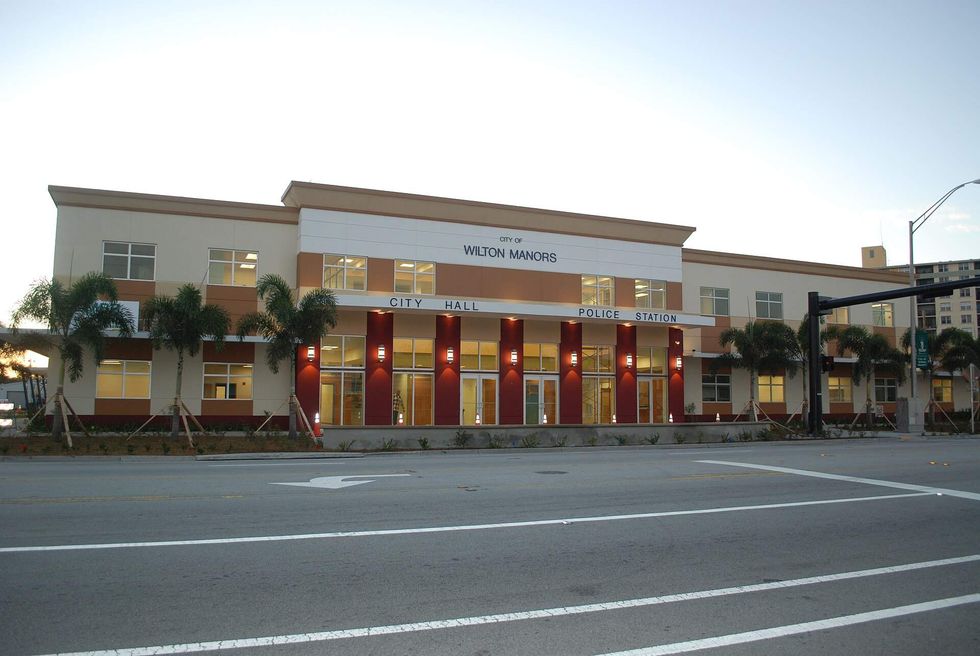
Wilton Manors City Hall, located in Broward County, Florida.
Jessica Chesler/Wikimedia Commons
Location: Broward County, Florida
Average home value: $366,000
Wilton Manors features many local LGBTQ+ touchstones, including a branch of the Stonewall National Museum and Archives, an LGBTQ+ community center, and the World AIDS Museum and Educational Center. Plus, this neighborhood is home to several LGBTQ-friendly businesses and gay bars, and offers quick access to downtown Fort Lauderdale.
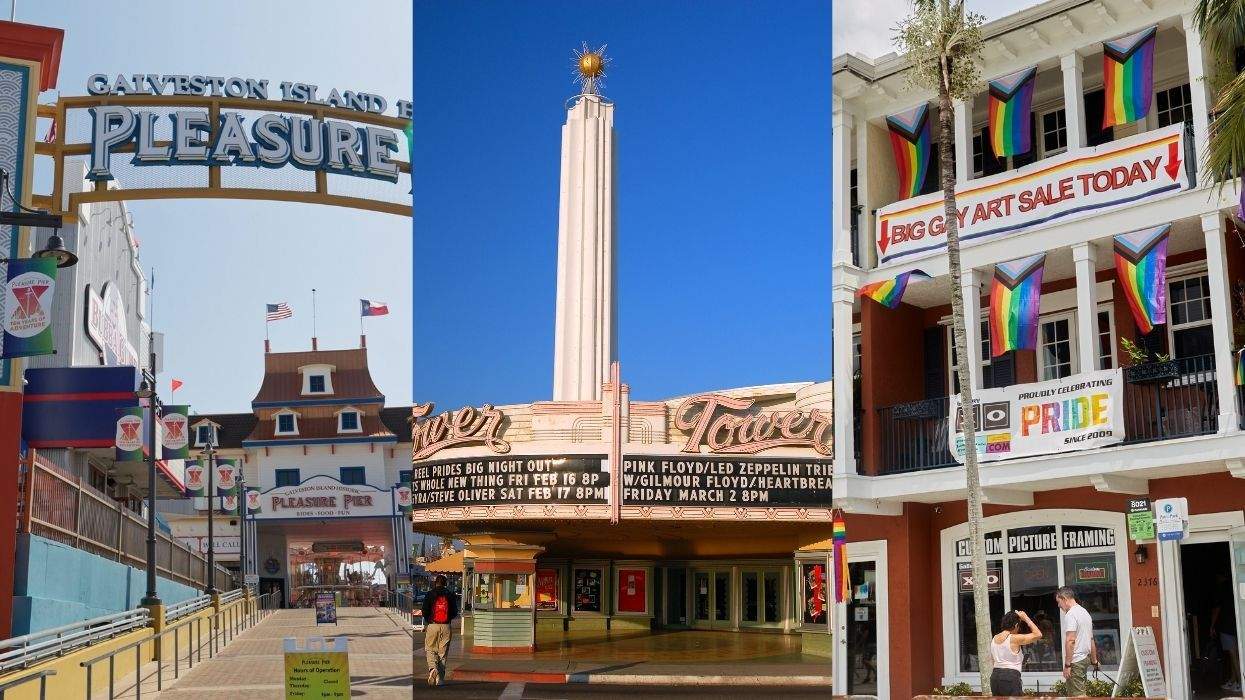
9. Tower District
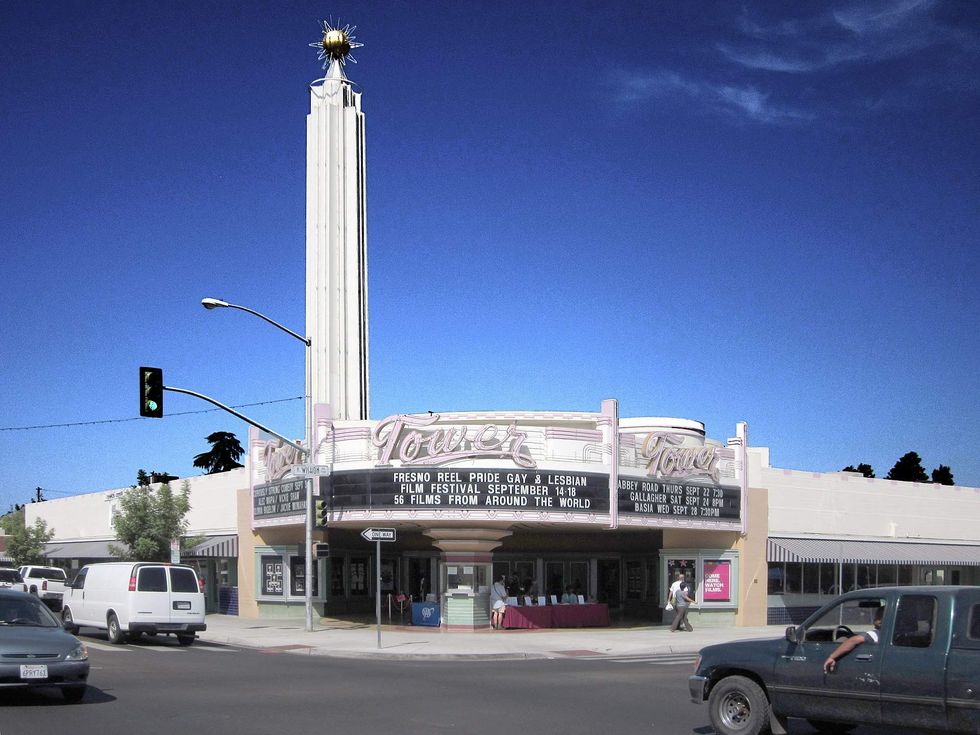
The Tower Theatre, located in Fresno's Tower District.
David Prasad/Wikimedia Commons
Location: Fresno, California
Average home value: $303,000
This neighborhood is a focal point for local LGBTQ+ organizing, queer-friendly businesses, annual Pride festivities, and at least one longstanding gay bar.
While LGBTQ+ programming may be smaller and less pronounced in the Tower District than in other LGBTQ+-friendly areas of California, this neighborhood is a lower-cost option for homebuyers seeking a welcoming suburb in the San Joaquin Valley.
8. Galveston
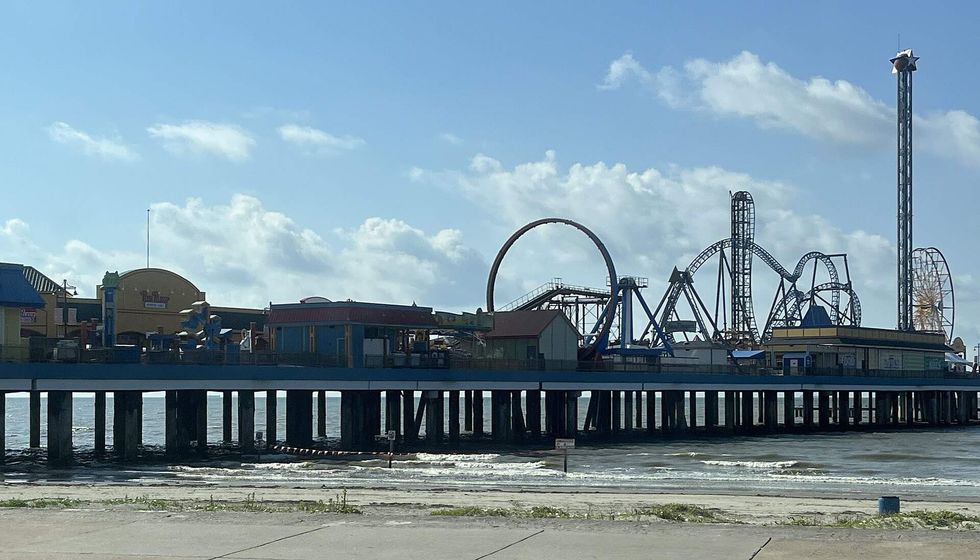
A pier in Galveston County, Texas.
Another Believer/Wikimedia Commons
Location: Galveston County, Texas
Average home value: $293,000
The eastern portion of this Texas resort city is home to several LGBTQ+-friendly bars and beaches, which sets it apart from nearby cities in the conservative state.
Galveston is not too far from Houston, providing residents with the benefits of coastal living without losing access to the cultural opportunities of metropolitan Texas.
7. Edgewater
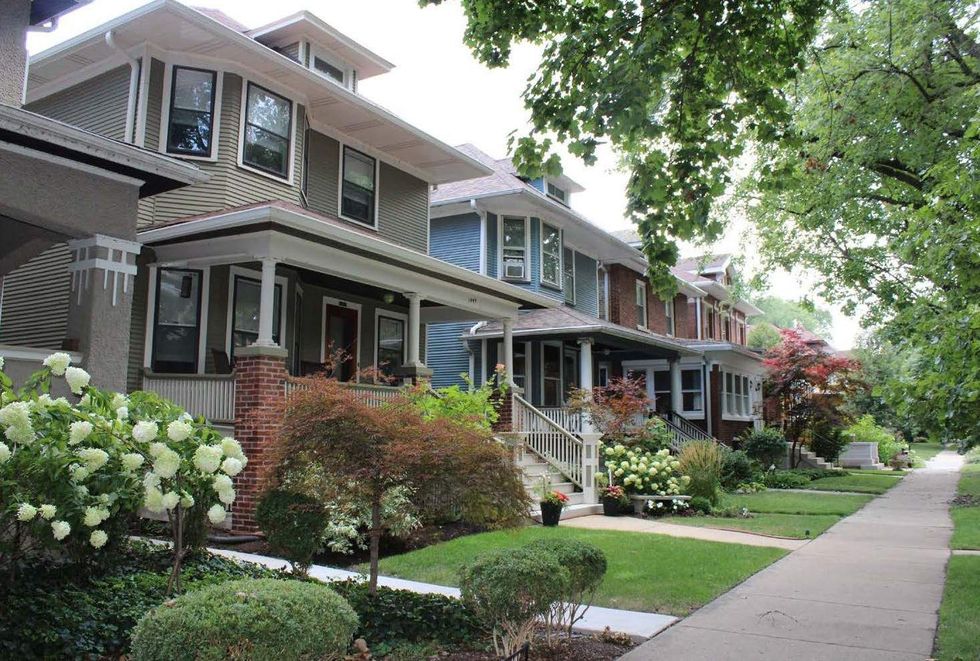
A street in the Edgewater neighborhood of Chicago.
Historywiki80/Wikimedia Commons
Location: Chicago, Illinois
Average home value: $291,000
This Chicago suburb is home to multiple LGBTQ+ bars and reportedly has one of the city’s largest LGBTQ+ populations. Located along Lake Michigan, the neighborhood has beloved beachside views and has previously been named as a hotspot for LGBTQ+ women in the midwestern city.6. Riverside
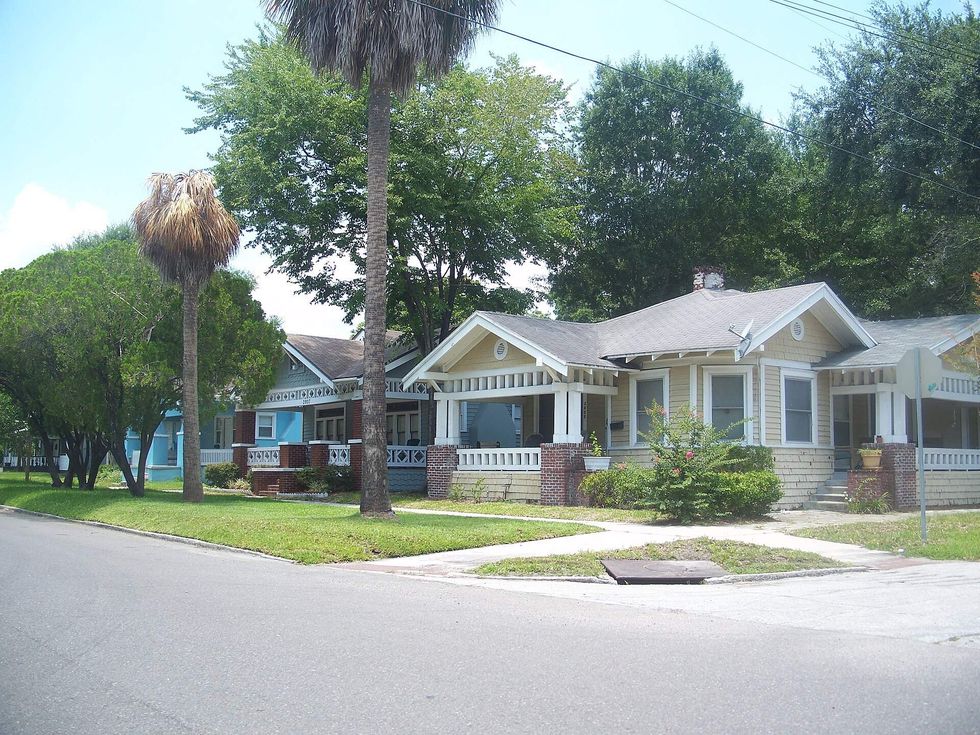
Homes in the Riverside Historic District of Jacksonville, Fla.
Ebyabe/Wikimedia Commons
Location: Jacksonville, Florida
Average home value: $290,000
Local tourism organizations describe the Riverside neighborhood as a haven for LGBTQ+ nightlife, businesses, and cultural programming in coastal Jacksonville.
While attacks on LGBTQ+ rights in Florida have made things harder for the neighborhood’s LGBTQ+ community, this enclave maintains a distinct queer character and hosts an annual Pride celebration.
5. Pine City
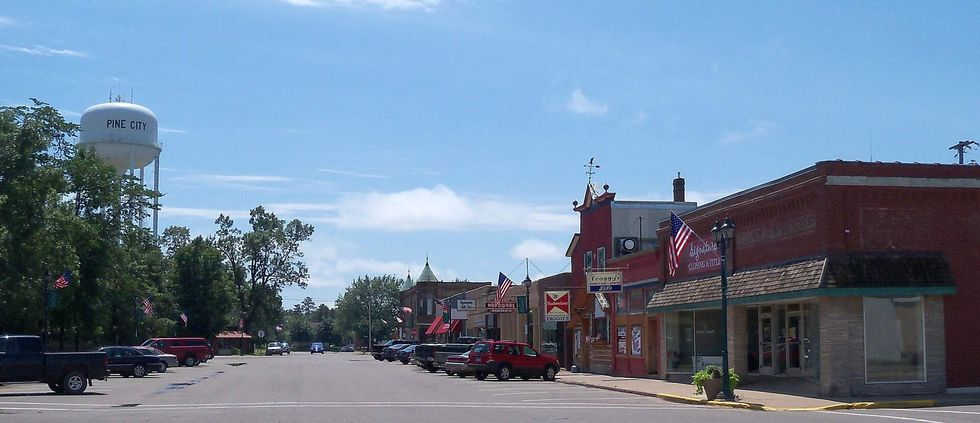
A downtown street in Pine City, Minn.
AlexiusHoratius/Wikimedia Commons
Location: Pine County, Minnesota
Average home value: $288,000
Local LGBTQ+ organizers in Pine City say their community was home to the first rural LGBTQ+ Pride celebration in the country.
The resort town remains a popular destination for LGBTQ+ Minnesotans and is one of the nation’s few rural LGBTQ+ hubs, complemented with local arts programming and outdoor activities.4. Lost River
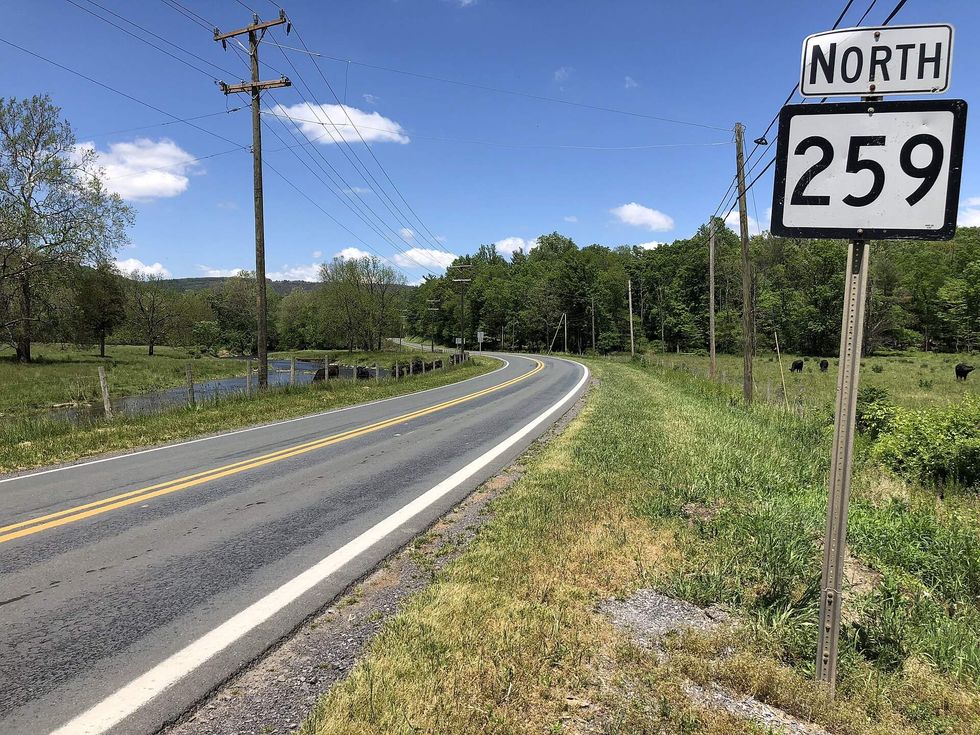
A segment of West Virginia State Route 259 in Lost River, W.Va.
Famartin/Wikimedia Commons
Location: Hardy County, West Virginia
Average home value: $279,000
Lost River is an unincorporated community in West Virginia with a population of fewer than 3,000 residents. But the area gained local prominence as a mountainside LGBTQ+ retreat in a conservative state, partly because of its proximity to Washington, D.C., and East Coast metropolitan areas.
Today, Lost River is home to a small but noteworthy LGBTQ+ community and lots of outdoor recreation activities.3. Ferndale
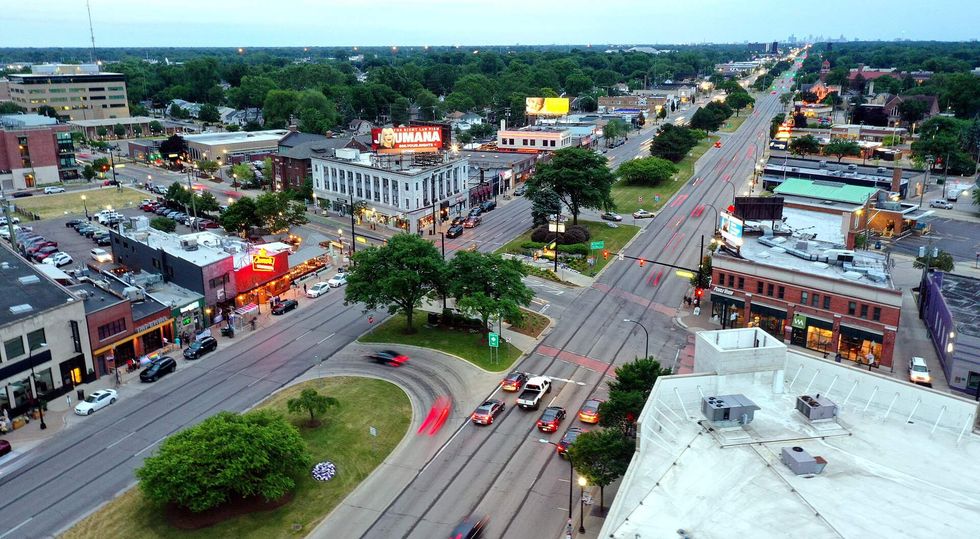
Downtown streets in Ferndale, Mich.
Lrgjr72/Wikimedia Commons
Location: Detroit, Michigan
Average home value: $249,000
This suburb is a long-time hotspot for Detroit’s LGBTQ+ community, featuring an LGBTQ+ community center, various Pride celebrations over the years, and a strong blue track record in elections.
The neighborhood has kept its place in Detroit’s LGBTQ+ history, and remains a popular neighborhood for its shopping, arts opportunities and ongoing LGBTQ+ advocacy.2. Northside
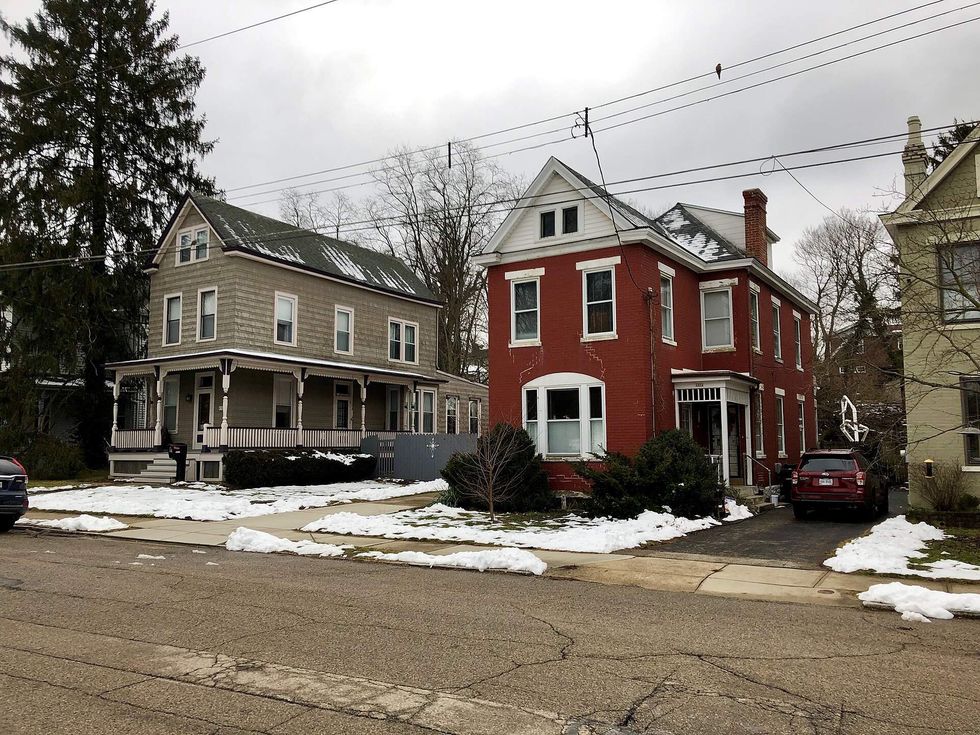
Innes Avenue in the Northside neighborhood of Cincinnati, Ohio.
Warren LeMay/Wikimedia Commons
Location: Cincinnati, Ohio
Average home value: $226,000
Much of Cincinnati’s early LGBTQ+ programming began in the Northside neighborhood. The area previously featured the city’s LGBTQ+ community center and annual Pride parade, the latter of which was shifted downtown.
Today, the community is still known for its inclusivity toward the LGBTQ+ community and for featuring trendy restaurants and bars, according to the Cincinnati Preservation Association.
1. Highland Square
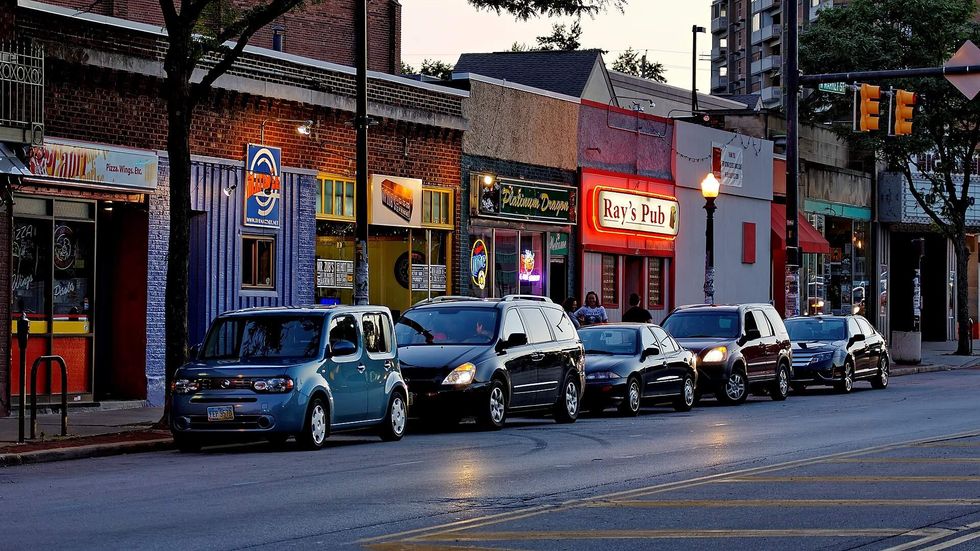
The Highland Square neighborhood of Akron, Ohio.
Mark Turnauckas/Wikimedia Commons
Location: Akron, Ohio
Average home value: $190,000
Highland Square is Akron’s creative hub. Decades ago, it became a haven for LGBTQ+ nightlife venues pushed out of the city’s downtown by developers. While several local LGBTQ+ venues have closed, this neighborhood retains a reputation as an LGBTQ+ enclave.
Today, Highland Square is home to a queer nightclub and regular arts programming. Plus, the city of Akron as a whole has repeatedly earned a perfect score on the Human Rights Campaign’s Municipal Equality Index, which measures how supportive local laws are of the LGBTQ+ community.
About this data
Home value data in this ranking comes from the Zillow Home Values Index. This tool, made by real estate tech company Zillow, estimates average property costs for each zip code based on monthly site data. Some areas on this list include more than one zip code; in such cases, the home values reflect an average across all relevant zip codes.
There is no definitive list of historic LGBTQ+ areas in the United States. Locations reviewed in this ranking came primarily from Wikipedia’s crowdsourced list of LGBTQ+ neighborhoods, with some areas added or removed based on an online review of neighborhood information.
To verify that areas should be included, The Advocate reviewed various external sources. That included news reporting on local LGBTQ+ affairs, data from the Human Rights Campaign on LGBTQ+ inclusivity, and data from the U.S. Census Bureau on same-sex couples. Since there is no definitive list of LGBTQ+ neighborhoods in the United States, some locations may have been omitted from the analysis.
Editor’s note: This piece has been updated with the latest data and information for 2026.