'%3E%3Cpath d='M16.3574 35.6519H12.9537L15.0491 18.8873L16.3574 35.6519ZM30.4229 54.0093L22.309 0.994385H7.91795L0 54.0093H10.6634L11.5802 46.3855H17.4014L17.9914 54.0093H30.4229Z' fill='%23971B20'/%3E%3Cpath d='M48.2073 41.8813C48.2073 43.4049 47.4892 44.0011 46.1144 44.0011H43.7595V11.0687H46.1144C47.4892 11.0687 48.2073 11.6636 48.2073 13.1885V41.8813ZM59.5273 43.6695V11.3326C59.5273 3.71323 53.5729 0.994385 47.8157 0.994385H31.7213V54.0093H47.8157C53.5729 54.0093 59.5273 51.29 59.5273 43.6695Z' fill='%23971B20'/%3E%3Cpath d='M90.183 0.994385H78.6039L75.0711 30.6157L71.9955 0.994385H59.4346L69.2474 54.0093H80.373L90.183 0.994385Z' fill='%23971B20'/%3E%3Cpath d='M107.063 42.3448C107.063 43.7359 105.951 44.5974 104.643 44.5974C103.269 44.5974 102.157 43.7359 102.157 42.3448V12.658C102.157 11.2676 103.269 10.4058 104.643 10.4058C105.951 10.4058 107.063 11.2676 107.063 12.658V42.3448ZM119.233 43.2723V11.7312C119.233 6.36384 112.952 -3.8147e-06 104.643 -3.8147e-06C96.2667 -3.8147e-06 89.9867 6.36384 89.9867 11.7312V43.2723C89.9867 48.6393 96.2667 55 104.643 55C112.952 55 119.233 48.6393 119.233 43.2723Z' fill='%23971B20'/%3E%3Cpath d='M150.976 43.9349V33.7309H139.069V42.3448C139.069 43.7359 137.957 44.5974 136.582 44.5974C135.076 44.5974 133.964 43.7359 133.964 42.3448V12.658C133.964 11.2676 135.076 10.4058 136.582 10.4058C137.957 10.4058 139.069 11.2676 139.069 12.658V21.2723H150.976V11.0687C150.976 5.70107 145.283 -3.8147e-06 136.582 -3.8147e-06C127.75 -3.8147e-06 121.796 5.70107 121.796 11.0687V43.9349C121.796 49.3022 127.75 55 136.582 55C145.283 55 150.976 49.3022 150.976 43.9349Z' fill='%23971B20'/%3E%3Cpath d='M167.478 35.6519H164.076L166.17 18.8873L167.478 35.6519ZM181.544 54.0093L173.432 0.994385H159.037L151.123 54.0093H161.785L162.704 46.3855H168.523L169.114 54.0093H181.544Z' fill='%23971B20'/%3E%3Cpath d='M205.412 10.4058V0.994385H177.081V10.4058H185.392V54.0093H197.428V10.4058H205.412Z' fill='%23971B20'/%3E%3Cpath d='M230.002 54.0093V43.9349H218.914V31.8746H226.635V21.8028H218.914V10.4058H230.002V0.994385H206.875V54.0093H230.002Z' fill='%23971B20'/%3E%3C/g%3E%3Cdefs%3E%3CclipPath id='clip0_260_7080'%3E%3Crect width='230' height='55' fill='white'/%3E%3C/clipPath%3E%3C/defs%3E%3C/svg%3E)
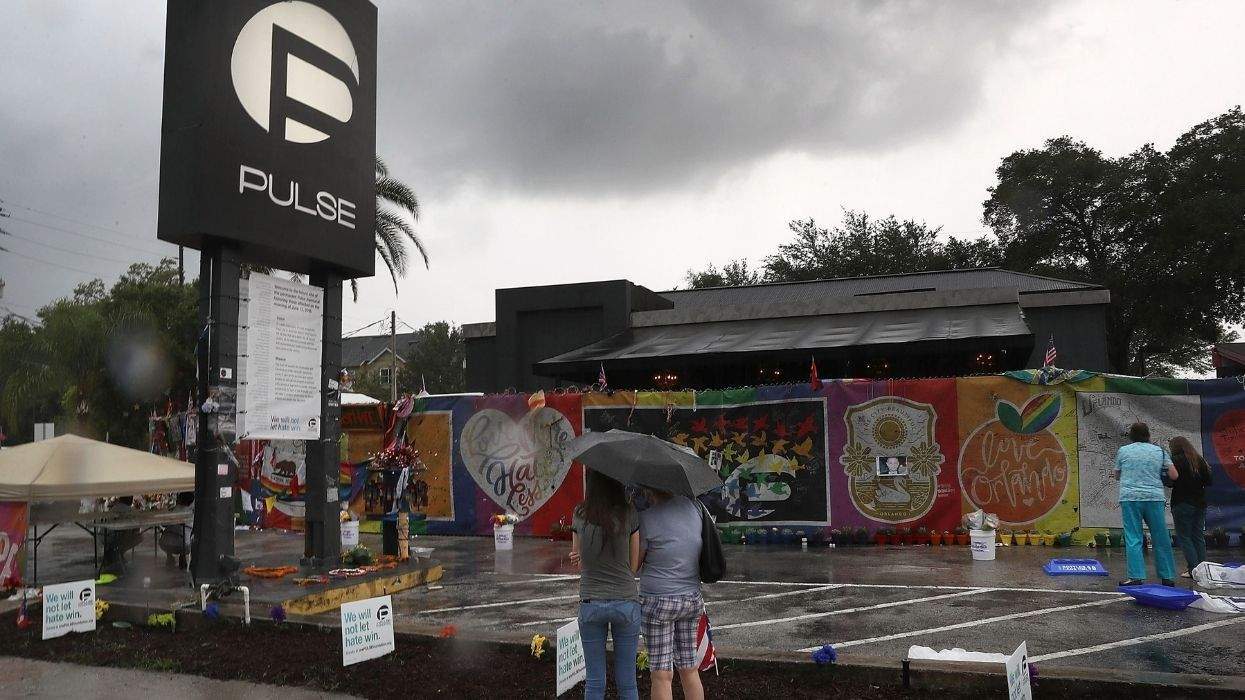

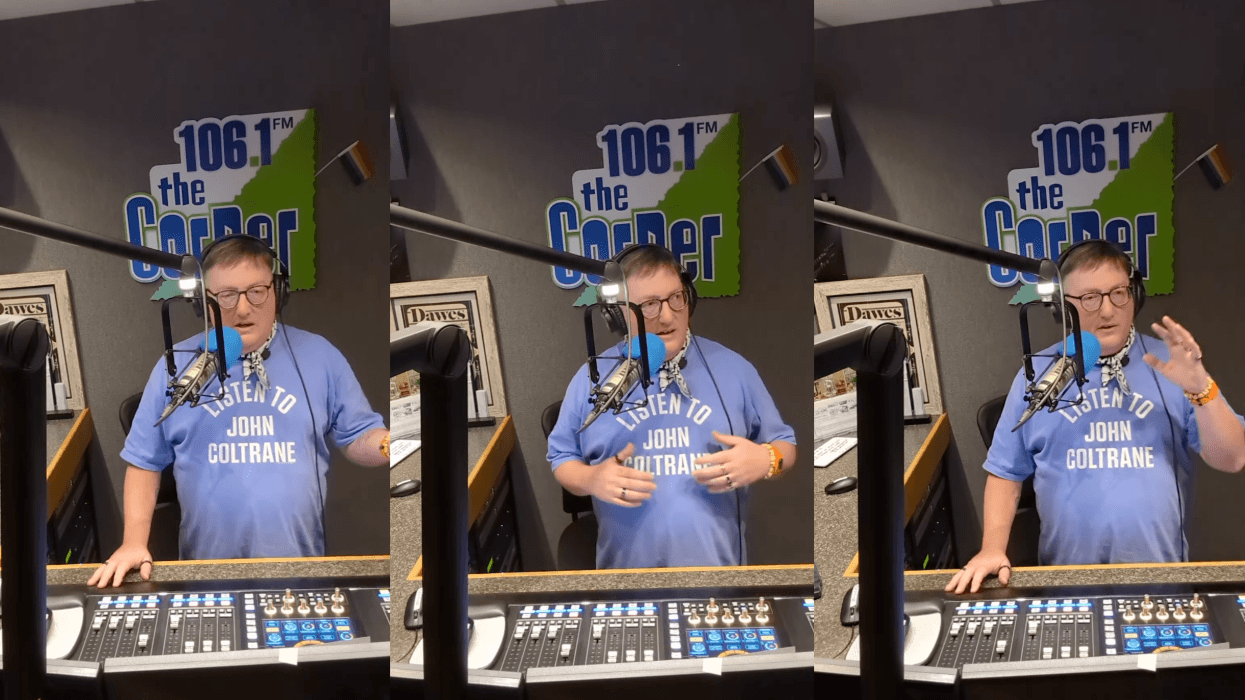
Demolition crews began tearing down the Pulse nightclub in Orlando, Florida, on Wednesday, as a survivor of the 2016 mass shooting stood nearby and streamed the moment in real time.
Keep up with the latest in LGBTQ+ news and politics. Sign up for The Advocate's email newsletter.
Orlando Torres, who survived the attack that killed 49 people, narrated the scene as excavators clawed into the building’s walls, sending debris cascading inward. As the structure came apart, Torres revisited the night he spent trapped inside a bathroom with other patrons, his account moving between observation and memory.
“We're hoping this is for the better, finally. Long overdue. Looking forward to moving on and having peace and tranquility where we can pray inside,” Torres said during the morning livestream around 9:15 a.m. Eastern.
Related: Pulse nightclub demolition set for March to make way for memorial
Related: Orlando tears down ‘horrific’ Pulse sign. Survivor Brandon Wolf says it once meant safety
He described the fear that the gunman would execute those hiding on the floor, the concussive blasts that echoed through the building, and the moment law enforcement breached the wall. Water poured over him as pipes ruptured. “I thought I was going to drown. I couldn’t breathe,” he said, recalling how he struggled for air while pinned in place.
Torres said he remained immobilized after hours on his side, unable to respond when officers urged him to move. “Push yourself up,” they told him, he recalled. “I can’t.” Officers ultimately pulled him through a hole in the wall to safety.
For nearly a decade, the Pulse building has stood as both crime scene and shrine, a physical site where grief settled into ritual after what was then the deadliest mass shooting in U.S. history. Visitors left flowers, photographs, and handwritten notes along its perimeter, transforming the nightclub into a place of pilgrimage even as official plans for a permanent memorial faltered.
Related: New photo from Pulse shooting shows exit blocked by refrigerator, which may have cost lives
The demolition follows a symbolic step taken last week, when the club’s iconic sign was removed. Pulse survivor and advocate Brandon Wolf, who serves as national press secretary for the Human Rights Campaign, described the sign as something that once represented safety and pride for him, a “physical monument to community,” before it became inseparable from the trauma of the attack.
This is a developing story.