'%3E%3Cpath d='M16.3574 35.6519H12.9537L15.0491 18.8873L16.3574 35.6519ZM30.4229 54.0093L22.309 0.994385H7.91795L0 54.0093H10.6634L11.5802 46.3855H17.4014L17.9914 54.0093H30.4229Z' fill='%23971B20'/%3E%3Cpath d='M48.2073 41.8813C48.2073 43.4049 47.4892 44.0011 46.1144 44.0011H43.7595V11.0687H46.1144C47.4892 11.0687 48.2073 11.6636 48.2073 13.1885V41.8813ZM59.5273 43.6695V11.3326C59.5273 3.71323 53.5729 0.994385 47.8157 0.994385H31.7213V54.0093H47.8157C53.5729 54.0093 59.5273 51.29 59.5273 43.6695Z' fill='%23971B20'/%3E%3Cpath d='M90.183 0.994385H78.6039L75.0711 30.6157L71.9955 0.994385H59.4346L69.2474 54.0093H80.373L90.183 0.994385Z' fill='%23971B20'/%3E%3Cpath d='M107.063 42.3448C107.063 43.7359 105.951 44.5974 104.643 44.5974C103.269 44.5974 102.157 43.7359 102.157 42.3448V12.658C102.157 11.2676 103.269 10.4058 104.643 10.4058C105.951 10.4058 107.063 11.2676 107.063 12.658V42.3448ZM119.233 43.2723V11.7312C119.233 6.36384 112.952 -3.8147e-06 104.643 -3.8147e-06C96.2667 -3.8147e-06 89.9867 6.36384 89.9867 11.7312V43.2723C89.9867 48.6393 96.2667 55 104.643 55C112.952 55 119.233 48.6393 119.233 43.2723Z' fill='%23971B20'/%3E%3Cpath d='M150.976 43.9349V33.7309H139.069V42.3448C139.069 43.7359 137.957 44.5974 136.582 44.5974C135.076 44.5974 133.964 43.7359 133.964 42.3448V12.658C133.964 11.2676 135.076 10.4058 136.582 10.4058C137.957 10.4058 139.069 11.2676 139.069 12.658V21.2723H150.976V11.0687C150.976 5.70107 145.283 -3.8147e-06 136.582 -3.8147e-06C127.75 -3.8147e-06 121.796 5.70107 121.796 11.0687V43.9349C121.796 49.3022 127.75 55 136.582 55C145.283 55 150.976 49.3022 150.976 43.9349Z' fill='%23971B20'/%3E%3Cpath d='M167.478 35.6519H164.076L166.17 18.8873L167.478 35.6519ZM181.544 54.0093L173.432 0.994385H159.037L151.123 54.0093H161.785L162.704 46.3855H168.523L169.114 54.0093H181.544Z' fill='%23971B20'/%3E%3Cpath d='M205.412 10.4058V0.994385H177.081V10.4058H185.392V54.0093H197.428V10.4058H205.412Z' fill='%23971B20'/%3E%3Cpath d='M230.002 54.0093V43.9349H218.914V31.8746H226.635V21.8028H218.914V10.4058H230.002V0.994385H206.875V54.0093H230.002Z' fill='%23971B20'/%3E%3C/g%3E%3Cdefs%3E%3CclipPath id='clip0_260_7080'%3E%3Crect width='230' height='55' fill='white'/%3E%3C/clipPath%3E%3C/defs%3E%3C/svg%3E)
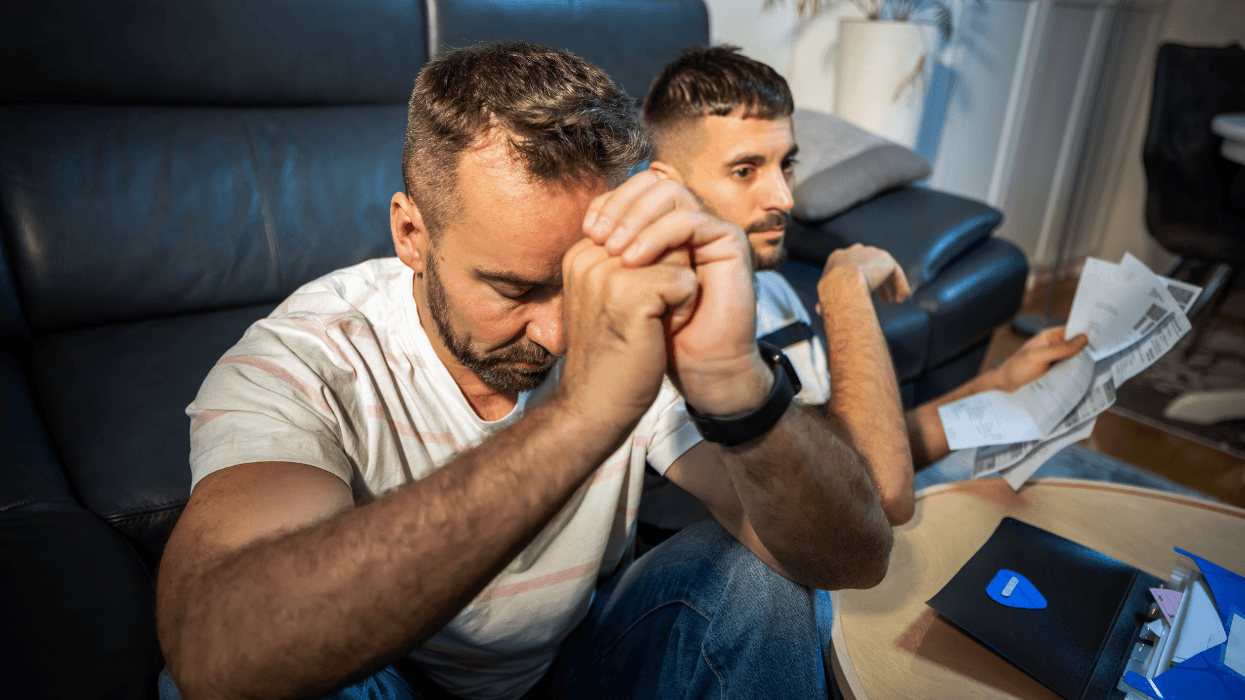
Years ago, I met with a young man who had fallen in love. There was nothing unusual about that fact. Millions of people fall in love every day. What made his situation different was that he had spent years making sure no one knew.
He came from a country where being openly gay could destroy a career, fracture a family, invite violence, or worse. He and his partner rarely appeared together in public. They avoided photographs. They did not post about each other on social media. They did not introduce one another to relatives. They learned to survive by becoming invisible.
Then they found themselves navigating the American immigration system. Suddenly, the very things that had protected them became obstacles. Immigration officials wanted evidence of a real relationship. They wanted photographs, correspondence, shared experiences, and documentation. The couple's challenge was not proving that their relationship was genuine. The challenge was proving a relationship they had spent years trying to hide.
Related: Lawyers alarmed by immigration judge's 'atrocious' questions for gay asylum seekers
After more than three decades as an immigration lawyer, I have come to believe that this is one of the least understood realities facing gay immigrants in America. Most Americans assume that the biggest barriers LGBTQ+ immigrants face exist overseas. They think about countries where homosexuality remains criminalized, where same-sex couples cannot marry, where police harassment is common, or where families reject children because of who they are.
Those barriers are real. For millions of people around the world, they remain devastatingly real. But there are also barriers that emerge after immigrants arrive in the United States—barriers that are often invisible to everyone except those forced to navigate them.
The American immigration system was largely built around assumptions about visibility. When people marry, they are expected to have photographs together. Families meet. Friends celebrate. Leases are signed. Bank accounts are opened. Relationships leave evidence. For many same-sex couples around the world, life simply does not work that way.
In some countries, a photograph can be dangerous. A text message can become evidence. Being seen entering the wrong apartment building can trigger rumors. A family member discovering a relationship can lead to violence, expulsion from the home, or complete estrangement.
Related: U.S. deports gay asylum seeker to country where homosexuality is illegal
As a result, many gay couples become experts at secrecy long before they ever become immigrants. The irony is heartbreaking. The very conduct that helped them survive can later make them look suspicious to a system that expects relationships to be visible.
I have represented clients who possessed years of devotion but very little documentation. They shared histories, memories, sacrifices, and commitments that were unquestionably real. Yet they struggled to produce the kinds of records that many Americans take for granted because creating those records in their home countries could have placed them in danger.
The same dilemma appears in asylum cases.
People often imagine that proving someone is gay should be straightforward. But for many asylum seekers, concealment was a survival strategy. Some spent decades hiding their identities from family members, employers, religious communities, and government authorities. Some entered heterosexual marriages because they believed they had no other choice. Others carefully concealed every aspect of their personal lives.
Then they arrive in the United States seeking protection. Immigration officers and judges understandably require evidence. But how does someone prove a life built around secrecy? How do you document years of fear? How do you demonstrate a relationship that could never safely be photographed?
What makes these challenges especially significant today is the broader immigration environment.
Over the past several years, immigrants have watched a steady stream of executive actions, travel bans, asylum restrictions, refugee cutbacks, heightened vetting procedures, enforcement initiatives, agency memoranda, and shifting adjudication standards. Some policies affect only specific groups. Others affect virtually everyone navigating the immigration system.
For many Americans, these developments are political debates. For immigrants, they are deeply personal. A travel ban is not merely a headline if your spouse lives in one of the affected countries. A change in asylum policy is not an abstract legal question if you are seeking protection from persecution. An increase in enforcement is not a talking point if a misunderstanding, missed deadline, or bureaucratic mistake could jeopardize your future.
Restrictive immigration policies rarely affect all immigrants equally. Those who are already vulnerable often feel the consequences first and most intensely. For gay immigrants, vulnerability can take many forms. Some come from countries where homosexuality remains criminalized. Others have experienced family rejection, social isolation, threats of violence, blackmail, or discrimination. Many have spent years carefully evaluating risks that most Americans never have to consider.
As a result, uncertainty itself becomes a burden. I see this anxiety regularly in my clients. It is not always fear of a specific policy. It is the cumulative effect of living within a system that feels increasingly unpredictable.
The legal protections that transformed the lives of same-sex couples over the past two decades remain enormously important. Same-sex marriages continue to be recognized under U.S. immigration law. Gay spouses remain eligible for green cards. Fiancé visas remain available. Those victories matter.
But legal eligibility and lived experience are not always the same thing. For immigrants who have already spent much of their lives navigating fear and uncertainty, every new policy announcement, travel restriction, enforcement initiative, or procedural change can feel like another reminder that their future remains dependent on forces beyond their control.
What is often missing from our national immigration debate is the human dimension. We talk endlessly about numbers, quotas, court backlogs, border crossings, visa categories, and enforcement statistics. Those discussions matter. Immigration policy is important and complex. But behind every immigration file is a human story.
The gay immigrants I have represented over the years were not seeking special treatment. They wanted many of the same things every American wants: the freedom to build a life, the opportunity to pursue a career, the ability to love openly, and the chance to imagine a future without fear.
Related: Gay CECOT survivor rebuilds his life in Spain while speaking up for voiceless immigrants in America
Some were physicians. Some were students. Some were engineers, entrepreneurs, artists, and researchers. Many had already overcome obstacles that most Americans will never experience. They had survived rejection, isolation, discrimination, and sometimes outright persecution. Yet they remained remarkably optimistic about what America represented.
That optimism is something we should not take lightly. For generations, the United States has attracted people not only because of economic opportunity but because of the promise of freedom. People came here believing they could reinvent themselves, speak more freely, worship more freely, and live more freely than they could elsewhere.
For many LGBTQ+ immigrants, that promise still matters. But understanding their experiences requires looking beyond the headlines and beyond the politics. It requires recognizing that some of the most significant barriers they face are not always the obvious ones. Sometimes the greatest challenge is not escaping persecution. Sometimes it is convincing a bureaucracy that a love story is real when survival requires keeping that story hidden for years.
Those are the barriers most Americans never see. For many gay immigrants, navigating today's immigration system remains among the hardest obstacles of all.
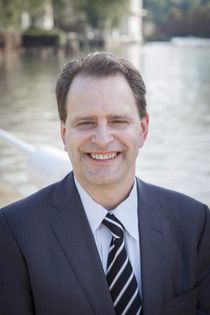
Richard T. Herman is an immigration attorney, entrepreneur, and co-author of Immigrant, Inc.: Why Immigrant Entrepreneurs Are Driving the New Economy.
Opinion is dedicated to featuring a wide range of inspiring personal stories and impactful opinions from the LGBTQ+ community and its allies. Visit Advocate.com/submit to learn more about submission guidelines. We welcome your thoughts and feedback on any of our stories. Email us at voices@equalpride.com. Views expressed in Voices stories are those of the guest writers, columnists, and editors, and do not directly represent the views of The Advocate or our parent company, equalpride.