'%3E%3Cpath d='M16.3574 35.6519H12.9537L15.0491 18.8873L16.3574 35.6519ZM30.4229 54.0093L22.309 0.994385H7.91795L0 54.0093H10.6634L11.5802 46.3855H17.4014L17.9914 54.0093H30.4229Z' fill='%23971B20'/%3E%3Cpath d='M48.2073 41.8813C48.2073 43.4049 47.4892 44.0011 46.1144 44.0011H43.7595V11.0687H46.1144C47.4892 11.0687 48.2073 11.6636 48.2073 13.1885V41.8813ZM59.5273 43.6695V11.3326C59.5273 3.71323 53.5729 0.994385 47.8157 0.994385H31.7213V54.0093H47.8157C53.5729 54.0093 59.5273 51.29 59.5273 43.6695Z' fill='%23971B20'/%3E%3Cpath d='M90.183 0.994385H78.6039L75.0711 30.6157L71.9955 0.994385H59.4346L69.2474 54.0093H80.373L90.183 0.994385Z' fill='%23971B20'/%3E%3Cpath d='M107.063 42.3448C107.063 43.7359 105.951 44.5974 104.643 44.5974C103.269 44.5974 102.157 43.7359 102.157 42.3448V12.658C102.157 11.2676 103.269 10.4058 104.643 10.4058C105.951 10.4058 107.063 11.2676 107.063 12.658V42.3448ZM119.233 43.2723V11.7312C119.233 6.36384 112.952 -3.8147e-06 104.643 -3.8147e-06C96.2667 -3.8147e-06 89.9867 6.36384 89.9867 11.7312V43.2723C89.9867 48.6393 96.2667 55 104.643 55C112.952 55 119.233 48.6393 119.233 43.2723Z' fill='%23971B20'/%3E%3Cpath d='M150.976 43.9349V33.7309H139.069V42.3448C139.069 43.7359 137.957 44.5974 136.582 44.5974C135.076 44.5974 133.964 43.7359 133.964 42.3448V12.658C133.964 11.2676 135.076 10.4058 136.582 10.4058C137.957 10.4058 139.069 11.2676 139.069 12.658V21.2723H150.976V11.0687C150.976 5.70107 145.283 -3.8147e-06 136.582 -3.8147e-06C127.75 -3.8147e-06 121.796 5.70107 121.796 11.0687V43.9349C121.796 49.3022 127.75 55 136.582 55C145.283 55 150.976 49.3022 150.976 43.9349Z' fill='%23971B20'/%3E%3Cpath d='M167.478 35.6519H164.076L166.17 18.8873L167.478 35.6519ZM181.544 54.0093L173.432 0.994385H159.037L151.123 54.0093H161.785L162.704 46.3855H168.523L169.114 54.0093H181.544Z' fill='%23971B20'/%3E%3Cpath d='M205.412 10.4058V0.994385H177.081V10.4058H185.392V54.0093H197.428V10.4058H205.412Z' fill='%23971B20'/%3E%3Cpath d='M230.002 54.0093V43.9349H218.914V31.8746H226.635V21.8028H218.914V10.4058H230.002V0.994385H206.875V54.0093H230.002Z' fill='%23971B20'/%3E%3C/g%3E%3Cdefs%3E%3CclipPath id='clip0_260_7080'%3E%3Crect width='230' height='55' fill='white'/%3E%3C/clipPath%3E%3C/defs%3E%3C/svg%3E)
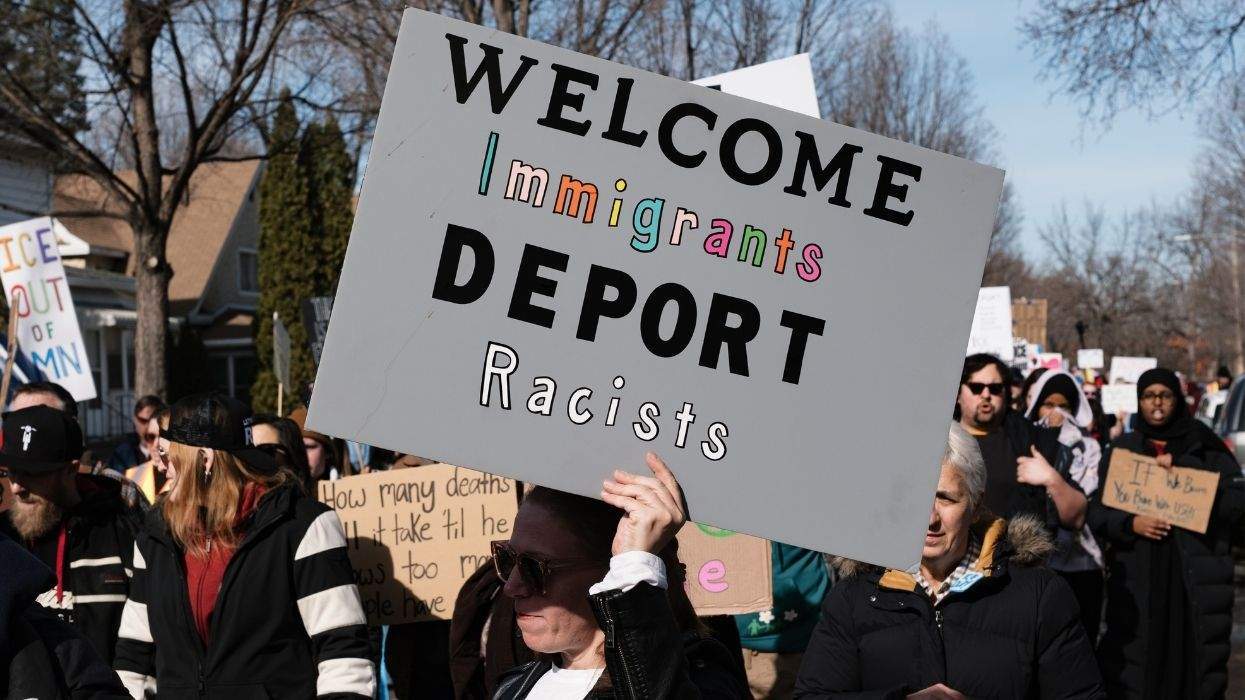
The United States’ immigration enforcement practices are under renewed scrutiny after the Trump administration deported a 21-year-old gay asylum seeker from Morocco to a country where homosexuality is criminalized. The case illustrates what advocates describe as an evolving and dangerous approach to LGBTQ+ asylum claims by the Trump administration.
Keep up with the latest in LGBTQ+ news and politics. Sign up for The Advocate's email newsletter.
The Associated Press reports that the woman, identified as Farah, fled Morocco after suffering family violence tied to her sexual orientation. Morocco criminalizes same-sex relations. After arriving at the U.S. border seeking protection, she was detained for nearly a year and ultimately denied asylum. In August 2025, an immigration judge issued a protection order preventing her deportation to Morocco. Despite that order, federal authorities placed her on a flight to Cameroon, a country where same-sex intimacy is also illegal. Farah told the AP that she is now back in Morocco, living in hiding, fearful for her safety.
Related: LGBTQ+ non-U.S. citizens at risk under Trump’s immigration crackdown: study
Farah is among dozens of migrants confirmed by lawyers to have been deported under so-called third-country removal policies, in which the United States sends people to nations with which they have no meaningful ties. Lawyers told the AP that at least seven African countries, including Cameroon, South Sudan, and Rwanda, have accepted deportees under these arrangements.
Bilateral transfer agreements reviewed by The Advocate enable U.S. officials to seek dismissal of asylum claims in U.S. courts by arguing that another country is willing to assume responsibility for the person’s protection review, even absent enforceable standards for evaluating LGBTQ-related claims.
Critics argue the policy exploits legal loopholes and undermines protections that U.S. law and international agreements are supposed to guarantee.
Related: Gay man says ICE is keeping his husband jailed even though they’ve agreed to leave the U.S.
In January, The Advocate documented how attorneys say new transfer agreements and court tactics could allow the U.S. to sidestep asylum rulings by proposing alternative destinations such as Uganda or Iran, where same-sex relationships and gender nonconformity are criminalized and can be punished by imprisonment, torture, or execution.
The Advocate also reported on cases involving gay Iranian men whose asylum claims were denied and who faced imminent deportation back to Iran, where homosexuality is punishable by death. Their attorney described them as having “textbook asylum cases” because they fled grave danger based on their sexual orientation.
Related: LGBTQ+ immigrants face 'most immediate risk' of ICE raids in Los Angeles
Related: Gay asylum-seeker's lawyer worries for the makeup artist's safety in Salvadoran ‘hellhole’ prison
Human rights groups, immigration lawyers, and LGBTQ+ advocates say these developments reflect systemic problems in the U.S. asylum system, including a lack of guaranteed legal representation, procedural barriers, and policies that prioritize enforcement over protection. They argue that existing immigration law and international refugee protections were designed to shield people fleeing persecution, particularly when based on sexual orientation or gender identity, from being returned to harm.