'%3E%3Cpath d='M16.3574 35.6519H12.9537L15.0491 18.8873L16.3574 35.6519ZM30.4229 54.0093L22.309 0.994385H7.91795L0 54.0093H10.6634L11.5802 46.3855H17.4014L17.9914 54.0093H30.4229Z' fill='%23971B20'/%3E%3Cpath d='M48.2073 41.8813C48.2073 43.4049 47.4892 44.0011 46.1144 44.0011H43.7595V11.0687H46.1144C47.4892 11.0687 48.2073 11.6636 48.2073 13.1885V41.8813ZM59.5273 43.6695V11.3326C59.5273 3.71323 53.5729 0.994385 47.8157 0.994385H31.7213V54.0093H47.8157C53.5729 54.0093 59.5273 51.29 59.5273 43.6695Z' fill='%23971B20'/%3E%3Cpath d='M90.183 0.994385H78.6039L75.0711 30.6157L71.9955 0.994385H59.4346L69.2474 54.0093H80.373L90.183 0.994385Z' fill='%23971B20'/%3E%3Cpath d='M107.063 42.3448C107.063 43.7359 105.951 44.5974 104.643 44.5974C103.269 44.5974 102.157 43.7359 102.157 42.3448V12.658C102.157 11.2676 103.269 10.4058 104.643 10.4058C105.951 10.4058 107.063 11.2676 107.063 12.658V42.3448ZM119.233 43.2723V11.7312C119.233 6.36384 112.952 -3.8147e-06 104.643 -3.8147e-06C96.2667 -3.8147e-06 89.9867 6.36384 89.9867 11.7312V43.2723C89.9867 48.6393 96.2667 55 104.643 55C112.952 55 119.233 48.6393 119.233 43.2723Z' fill='%23971B20'/%3E%3Cpath d='M150.976 43.9349V33.7309H139.069V42.3448C139.069 43.7359 137.957 44.5974 136.582 44.5974C135.076 44.5974 133.964 43.7359 133.964 42.3448V12.658C133.964 11.2676 135.076 10.4058 136.582 10.4058C137.957 10.4058 139.069 11.2676 139.069 12.658V21.2723H150.976V11.0687C150.976 5.70107 145.283 -3.8147e-06 136.582 -3.8147e-06C127.75 -3.8147e-06 121.796 5.70107 121.796 11.0687V43.9349C121.796 49.3022 127.75 55 136.582 55C145.283 55 150.976 49.3022 150.976 43.9349Z' fill='%23971B20'/%3E%3Cpath d='M167.478 35.6519H164.076L166.17 18.8873L167.478 35.6519ZM181.544 54.0093L173.432 0.994385H159.037L151.123 54.0093H161.785L162.704 46.3855H168.523L169.114 54.0093H181.544Z' fill='%23971B20'/%3E%3Cpath d='M205.412 10.4058V0.994385H177.081V10.4058H185.392V54.0093H197.428V10.4058H205.412Z' fill='%23971B20'/%3E%3Cpath d='M230.002 54.0093V43.9349H218.914V31.8746H226.635V21.8028H218.914V10.4058H230.002V0.994385H206.875V54.0093H230.002Z' fill='%23971B20'/%3E%3C/g%3E%3Cdefs%3E%3CclipPath id='clip0_260_7080'%3E%3Crect width='230' height='55' fill='white'/%3E%3C/clipPath%3E%3C/defs%3E%3C/svg%3E)

Having spent half my life in the most liberal city in the U.S. and half my life in one of the most conservative, I’ve learned an important lesson: how Americans talk to each other is as important as what they say.
The San Francisco Bay Area afforded me an incredible college education and a successful 20-year career as a documentary filmmaker. Yet, as the country has grown more polarized, San Francisco’s history as a safe harbor for immigrants, queer people and other outsiders can sometimes feel like an echo chamber. Don’t get me wrong: finding my tribe as a young gay man and a filmmaker in California allowed me to finally say the quiet things out loud, something I could never do growing up in a town famous for its right-wing, anti-gay fundamentalism.
Yet, ten years ago, I left San Francisco and returned to my hometown of Colorado Springs. And nothing has quite been the same.
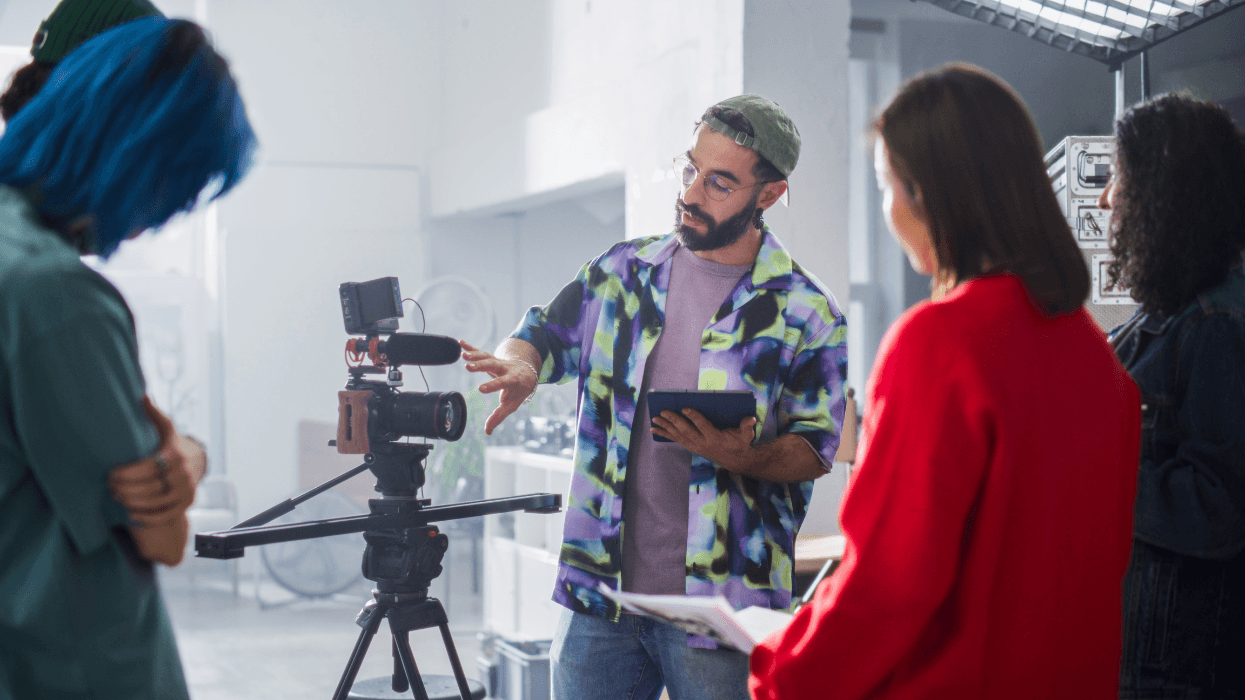
What I assumed would be a year spent caring for my father after his ALS diagnosis led to teaching documentary film classes and, ultimately, founding a tuition-free film academy, the Youth Documentary Academy, for young people in our region, much like the training academies I’d seen that exist mostly on the east and west coasts.
My father had always made the case for living in southern Colorado. A staunch Democrat, a leader in his teachers’ union and a historian of civil rights, he had no desire to move to a more progressive region where many more folks shared his values. He loved the Pikes Peak region, as had his parents and grandparents before him. Perhaps my dad enjoyed being an irritant to the establishment—a perpetual David-versus-Goliath figure—or perhaps he understood something I did not: that living in a place alongside people who don’t share your social and political perspectives isn’t always a bad thing. In fact, it can be quite an American thing.
In the last decade, we’ve witnessed an alarming breakdown in civic engagement. The borders between red and blue America have hardened; so have hearts and minds clamoring to be the loudest, if not meanest, voices in the room. The problem with this paradigm is that the “room” is often a silo – whether Fox News or MS NOW – where nightly pundits and anchors trot out fresh bait, effectively reinforcing our already established enemy lines. Then we wonder, each year, when our families get together for Thanksgiving, why it’s so hard to have a conversation.
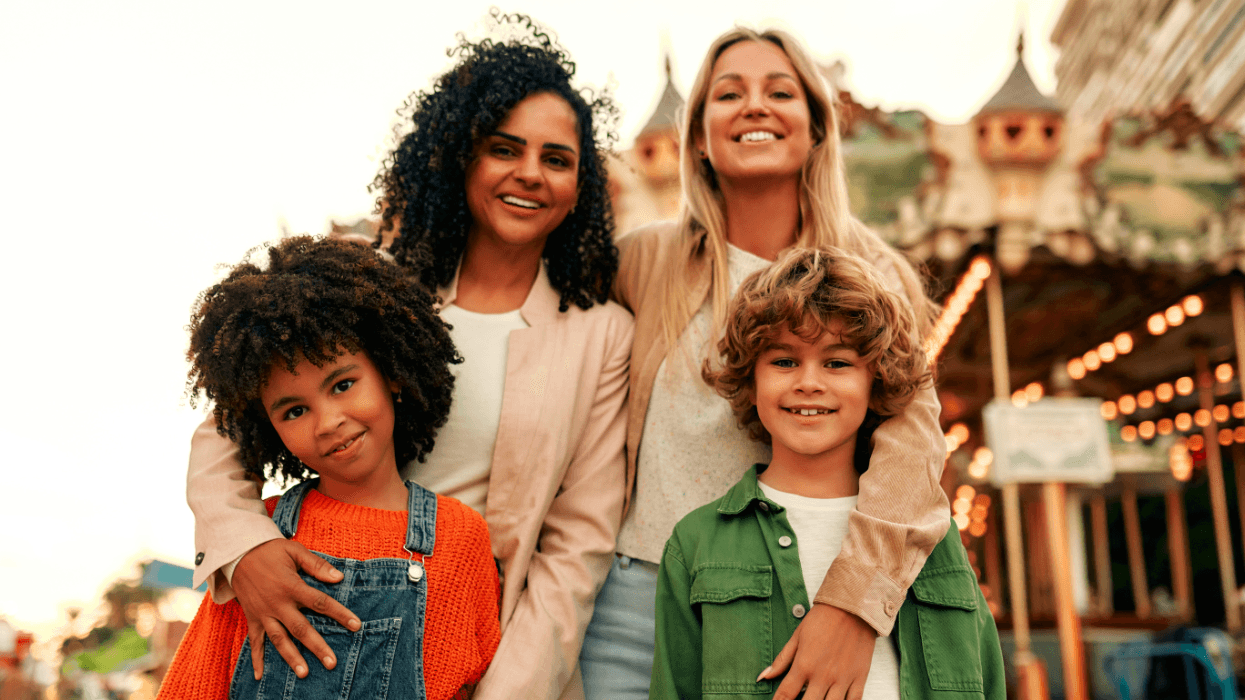
I don’t have to squint hard to see an antidote: the very thing that helped me reconcile with my childhood home, might hold the key. Each summer in our academy, young people and their filmmaking mentors gather daily in a circle as they begin to learn how to transpose first-person storytelling into high impact filmmaking. A daughter of a first-generation immigrant family sits next to a boy whose fourth-generation family has lived in the area since the 1920s. A trans student sits next to a student whose family are active leaders in the evangelical New Life Church. Black and other BIPOC students sit among white and Asian students. Autistic and ADHD students remind their non-neurodivergent peers how they learn differently, while kids from retired Army families share how their dads’ PTSD impacted family life. Kids from civilian families lean in and listen. Talk about pluralism in America.
What these diverse young Americans have in common is a lived access point to a story that matters and a desire to understand each other and their differences more deeply. After all, what is documentary film if not an expansion of our capacity to listen and observe? Cameras and microphones amplify these impulses and force us to stop talking and listen more carefully. These skills are fundamental to becoming a good documentary filmmaker. Turns out, they are also critical for a healthy democracy.
Many of our current leaders could learn a lot from my students, and they can. Graduates of the Youth Documentary Academy now broadcast their films nationally on a public television series called “Our Time.” They regularly go into high schools and organize film festivals that open the door to courageous peer-to-peer conversations. At a time when attacks on public media are unprecedented, young people from the middle of the country—and in historically ultra-conservative zip codes—are driving discourse across red and blue states alike, asking viewers across the nation to stop, listen and be curious.
When I was the age of my students, I believed Story (with a capital S) didn’t exist in my hometown. It existed in more important places like New York and California. Now, I understand that everyone has a story to tell. When young people see themselves and their own lived experiences, or those of their families and communities, as access points to Story, we all benefit. And when adults become more skillful at listening to the young people in their lives, even when the topics are tough, we dare to smash the walls that divide us.
I continue to visit San Francisco often. When I meet someone there for the first time and tell them I am from Colorado Springs, the response is often, “I’m so sorry.” Or, “Gosh, that must be really hard.” On the contrary, I have come to realize what I’ve known all along: being home is good for me. And including my story in the Story of this complicated place matters.
As Americans face the upcoming midterm elections, many are predicting a blue wave. Like many others, I yearn for new and different leadership. But there is a cycle that must be broken, and I want to warn my compatriots in “blue” strongholds: stop treating places like my hometown as “fly-over” America. Fair to say that kind of dismissal of resources and focus is part of the problem and why we find ourselves in the climate we are experiencing now.
The more we can engage and listen closely to our neighbors with curiosity, especially those very different from ourselves, the less dismissive we become. And the more we choose to listen with care and respect to the young people in our lives, the better our chances of finding common ground become.
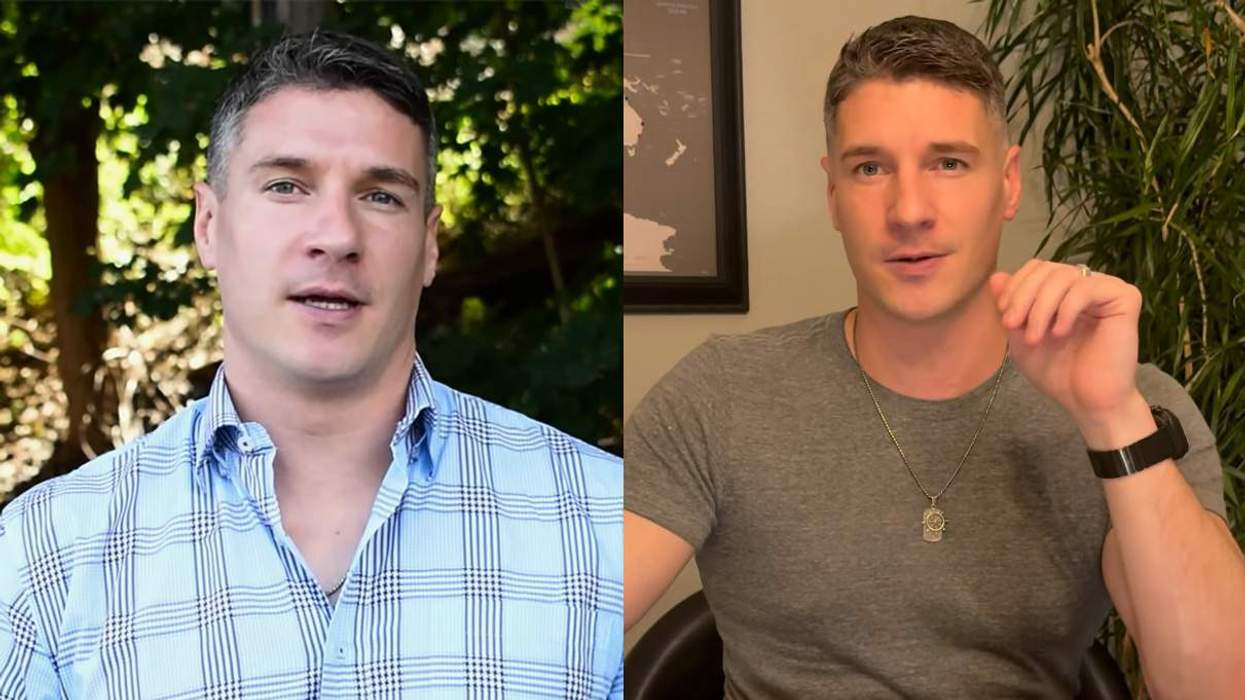
Tom Shepard, a Sundance award-winning documentary filmmaker, is the founding Executive Director of Youth Documentary Academy in Colorado Springs. He is the series Producer of “Our Time,” now broadcasting on PBS stations nationwide and streaming at PBS.org.
Opinion is dedicated to featuring a wide range of inspiring personal stories and impactful opinions from the LGBTQ+ community and its allies. Visit Advocate.com/submit to learn more about submission guidelines. We welcome your thoughts and feedback on any of our stories. Email us at voices@equalpride.com. Views expressed in Voices stories are those of the guest writers, columnists, and editors, and do not directly represent the views of The Advocate or our parent company, equalpride.