'%3E%3Cpath d='M16.3574 35.6519H12.9537L15.0491 18.8873L16.3574 35.6519ZM30.4229 54.0093L22.309 0.994385H7.91795L0 54.0093H10.6634L11.5802 46.3855H17.4014L17.9914 54.0093H30.4229Z' fill='%23971B20'/%3E%3Cpath d='M48.2073 41.8813C48.2073 43.4049 47.4892 44.0011 46.1144 44.0011H43.7595V11.0687H46.1144C47.4892 11.0687 48.2073 11.6636 48.2073 13.1885V41.8813ZM59.5273 43.6695V11.3326C59.5273 3.71323 53.5729 0.994385 47.8157 0.994385H31.7213V54.0093H47.8157C53.5729 54.0093 59.5273 51.29 59.5273 43.6695Z' fill='%23971B20'/%3E%3Cpath d='M90.183 0.994385H78.6039L75.0711 30.6157L71.9955 0.994385H59.4346L69.2474 54.0093H80.373L90.183 0.994385Z' fill='%23971B20'/%3E%3Cpath d='M107.063 42.3448C107.063 43.7359 105.951 44.5974 104.643 44.5974C103.269 44.5974 102.157 43.7359 102.157 42.3448V12.658C102.157 11.2676 103.269 10.4058 104.643 10.4058C105.951 10.4058 107.063 11.2676 107.063 12.658V42.3448ZM119.233 43.2723V11.7312C119.233 6.36384 112.952 -3.8147e-06 104.643 -3.8147e-06C96.2667 -3.8147e-06 89.9867 6.36384 89.9867 11.7312V43.2723C89.9867 48.6393 96.2667 55 104.643 55C112.952 55 119.233 48.6393 119.233 43.2723Z' fill='%23971B20'/%3E%3Cpath d='M150.976 43.9349V33.7309H139.069V42.3448C139.069 43.7359 137.957 44.5974 136.582 44.5974C135.076 44.5974 133.964 43.7359 133.964 42.3448V12.658C133.964 11.2676 135.076 10.4058 136.582 10.4058C137.957 10.4058 139.069 11.2676 139.069 12.658V21.2723H150.976V11.0687C150.976 5.70107 145.283 -3.8147e-06 136.582 -3.8147e-06C127.75 -3.8147e-06 121.796 5.70107 121.796 11.0687V43.9349C121.796 49.3022 127.75 55 136.582 55C145.283 55 150.976 49.3022 150.976 43.9349Z' fill='%23971B20'/%3E%3Cpath d='M167.478 35.6519H164.076L166.17 18.8873L167.478 35.6519ZM181.544 54.0093L173.432 0.994385H159.037L151.123 54.0093H161.785L162.704 46.3855H168.523L169.114 54.0093H181.544Z' fill='%23971B20'/%3E%3Cpath d='M205.412 10.4058V0.994385H177.081V10.4058H185.392V54.0093H197.428V10.4058H205.412Z' fill='%23971B20'/%3E%3Cpath d='M230.002 54.0093V43.9349H218.914V31.8746H226.635V21.8028H218.914V10.4058H230.002V0.994385H206.875V54.0093H230.002Z' fill='%23971B20'/%3E%3C/g%3E%3Cdefs%3E%3CclipPath id='clip0_260_7080'%3E%3Crect width='230' height='55' fill='white'/%3E%3C/clipPath%3E%3C/defs%3E%3C/svg%3E)
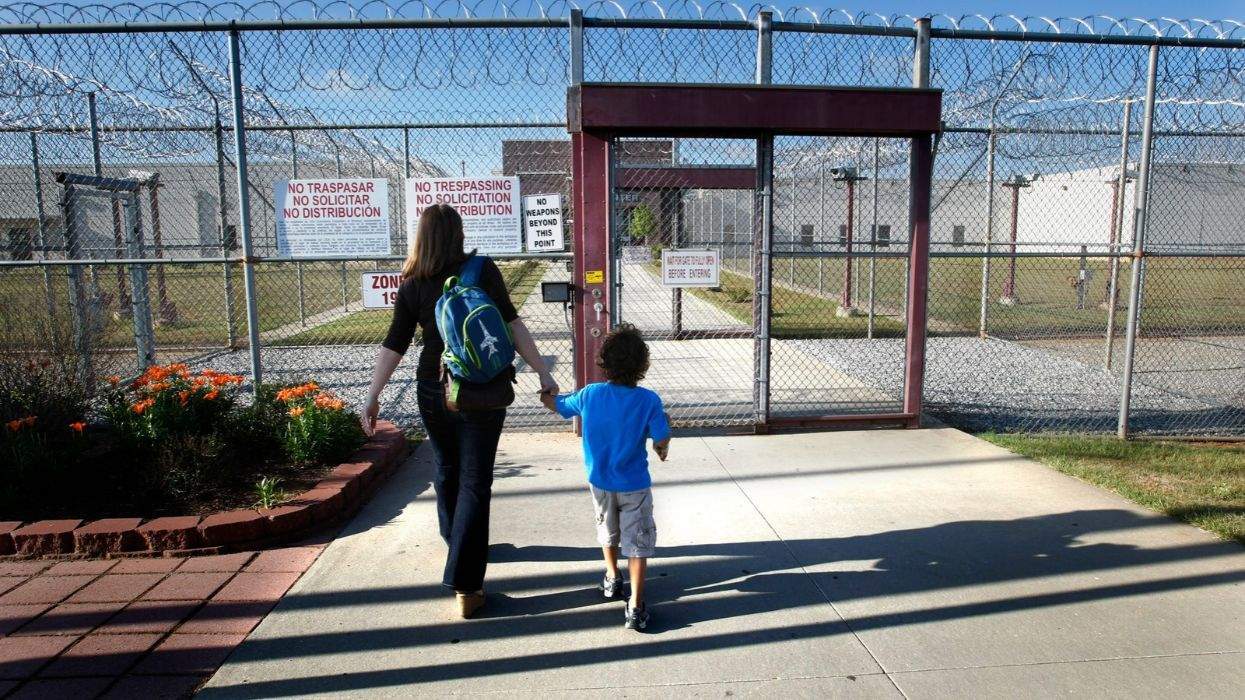
When two Georgia advocates reached Pauline Nadege Binam on the other side of a glass partition Thursday, the queer Cameroonian immigrant appeared exhausted.
“I could tell that she’s very tired,” organizer Noël Heatherland told The Advocate after the visit. “She just seems very exhausted.”
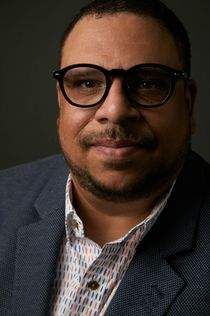
The conversation at Stewart Detention Center in Lumpkin, Georgia, south of Columbus, lasted about 40 minutes and took place through telephone receivers. A third member of the group, Georgia House candidate Bentley Hudgins, never reached Binam.
Hudgins described the CoreCivic-operated facility as bleak from the moment they approached its gates. “As soon as you get there, there is just a feeling of darkness,” Hudgins said. “It is not good.”
Related: Trump administration stops abuse protection for transgender detainees in ICE custody
After entering, staff discovered that Hudgins’ driver’s license had recently expired and ordered them to leave.
“They actually made me leave the premises,” Hudgins said. “I was not able to wait for Noël and Timoria in the waiting room.”
Heatherland and Timoria McQueen Saba, the Democratic nominee for Georgia House District 68 and a maternal health advocate, completed the visit. Heatherland spoke to The Advocate as an independent organizer.
The restrictions largely match Stewart’s published rules. An August 2025 visitor guide from CoreCivic, the private company that operates Stewart for U.S. Immigration and Customs Enforcement, requires a valid photo ID. It also directs visitors to leave cellphones, purses, wallets, and money secured in their vehicles.
Heatherland said staff would not let them pass through the facility’s outer gates until they returned their phones to the car. Meanwhile, staff placed Binam in the visiting room and started the clock before the visitors had finished security.
“We essentially only ended up getting about a 40-minute visit instead of an hour,” Heatherland said.
Stewart permits each detained person one noncontact social visit per week for up to an hour. Its published policy does not say whether security processing counts against that time.
Related: Transgender woman alleges abuse inside Arizona ICE detention
Binam, 36, came to the United States from Cameroon as a toddler and has a teenage U.S. citizen daughter. ICE detained her again in December, beginning her second period in immigration custody, according to local reporting by RoughDraft Atlanta. An active federal habeas case challenges her current detention.
Inside Stewart, Heatherland said, Binam described reading almost one book a day to get through the hours. She has formed several friendships, including with another Cameroonian woman, but remains separated from her family and uncertain about her future.
“Pauline is the humanity in that place,” Heatherland said.
Binam is also afraid to seek medical care in ICE custody, Heatherland said. During an earlier detention at Irwin County Detention Center, she said she consented to a routine gynecological procedure in 2019 but awoke to learn that a doctor had removed one of her fallopian tubes.
Her account was documented in medical records reviewed by journalists and cited during a 2020 congressional debate over unwanted procedures at Irwin. The physician denied performing procedures without consent. Homeland Security stopped using Irwin in 2021 amid abuse allegations and federal investigations.
An online petition with more than 730 signatories calls for Binam's release.
“Pauline was mutilated while in ICE custody. That harm happened under the government's watch and responsibility, and instead of accountability, Pauline has been returned to detention," El Rufugio Executive Director Amilcar Valencia said in a statement. "Now that harm is reaching another generation. Her U.S. citizen daughter is growing up without her mother while ICE continues to detain the very person it failed to protect. How much more is Pauline and her family expected to endure? She should be home with her daughter, not reliving the trauma of detention.”
Binam’s immigration history includes a North Carolina conviction for possession of stolen goods that a federal court found made her ineligible for cancellation of removal. Her supporters say she is pursuing other avenues for relief. They also warn that deportation could endanger her because Cameroon criminalizes consensual same-sex activity.
For now, Heatherland said, Binam is holding on to the knowledge that people beyond Stewart’s fences have not forgotten her.
“She said it gives her hope to know that she’s not alone,” Heatherland said.