'%3E%3Cpath d='M16.3574 35.6519H12.9537L15.0491 18.8873L16.3574 35.6519ZM30.4229 54.0093L22.309 0.994385H7.91795L0 54.0093H10.6634L11.5802 46.3855H17.4014L17.9914 54.0093H30.4229Z' fill='%23971B20'/%3E%3Cpath d='M48.2073 41.8813C48.2073 43.4049 47.4892 44.0011 46.1144 44.0011H43.7595V11.0687H46.1144C47.4892 11.0687 48.2073 11.6636 48.2073 13.1885V41.8813ZM59.5273 43.6695V11.3326C59.5273 3.71323 53.5729 0.994385 47.8157 0.994385H31.7213V54.0093H47.8157C53.5729 54.0093 59.5273 51.29 59.5273 43.6695Z' fill='%23971B20'/%3E%3Cpath d='M90.183 0.994385H78.6039L75.0711 30.6157L71.9955 0.994385H59.4346L69.2474 54.0093H80.373L90.183 0.994385Z' fill='%23971B20'/%3E%3Cpath d='M107.063 42.3448C107.063 43.7359 105.951 44.5974 104.643 44.5974C103.269 44.5974 102.157 43.7359 102.157 42.3448V12.658C102.157 11.2676 103.269 10.4058 104.643 10.4058C105.951 10.4058 107.063 11.2676 107.063 12.658V42.3448ZM119.233 43.2723V11.7312C119.233 6.36384 112.952 -3.8147e-06 104.643 -3.8147e-06C96.2667 -3.8147e-06 89.9867 6.36384 89.9867 11.7312V43.2723C89.9867 48.6393 96.2667 55 104.643 55C112.952 55 119.233 48.6393 119.233 43.2723Z' fill='%23971B20'/%3E%3Cpath d='M150.976 43.9349V33.7309H139.069V42.3448C139.069 43.7359 137.957 44.5974 136.582 44.5974C135.076 44.5974 133.964 43.7359 133.964 42.3448V12.658C133.964 11.2676 135.076 10.4058 136.582 10.4058C137.957 10.4058 139.069 11.2676 139.069 12.658V21.2723H150.976V11.0687C150.976 5.70107 145.283 -3.8147e-06 136.582 -3.8147e-06C127.75 -3.8147e-06 121.796 5.70107 121.796 11.0687V43.9349C121.796 49.3022 127.75 55 136.582 55C145.283 55 150.976 49.3022 150.976 43.9349Z' fill='%23971B20'/%3E%3Cpath d='M167.478 35.6519H164.076L166.17 18.8873L167.478 35.6519ZM181.544 54.0093L173.432 0.994385H159.037L151.123 54.0093H161.785L162.704 46.3855H168.523L169.114 54.0093H181.544Z' fill='%23971B20'/%3E%3Cpath d='M205.412 10.4058V0.994385H177.081V10.4058H185.392V54.0093H197.428V10.4058H205.412Z' fill='%23971B20'/%3E%3Cpath d='M230.002 54.0093V43.9349H218.914V31.8746H226.635V21.8028H218.914V10.4058H230.002V0.994385H206.875V54.0093H230.002Z' fill='%23971B20'/%3E%3C/g%3E%3Cdefs%3E%3CclipPath id='clip0_260_7080'%3E%3Crect width='230' height='55' fill='white'/%3E%3C/clipPath%3E%3C/defs%3E%3C/svg%3E)
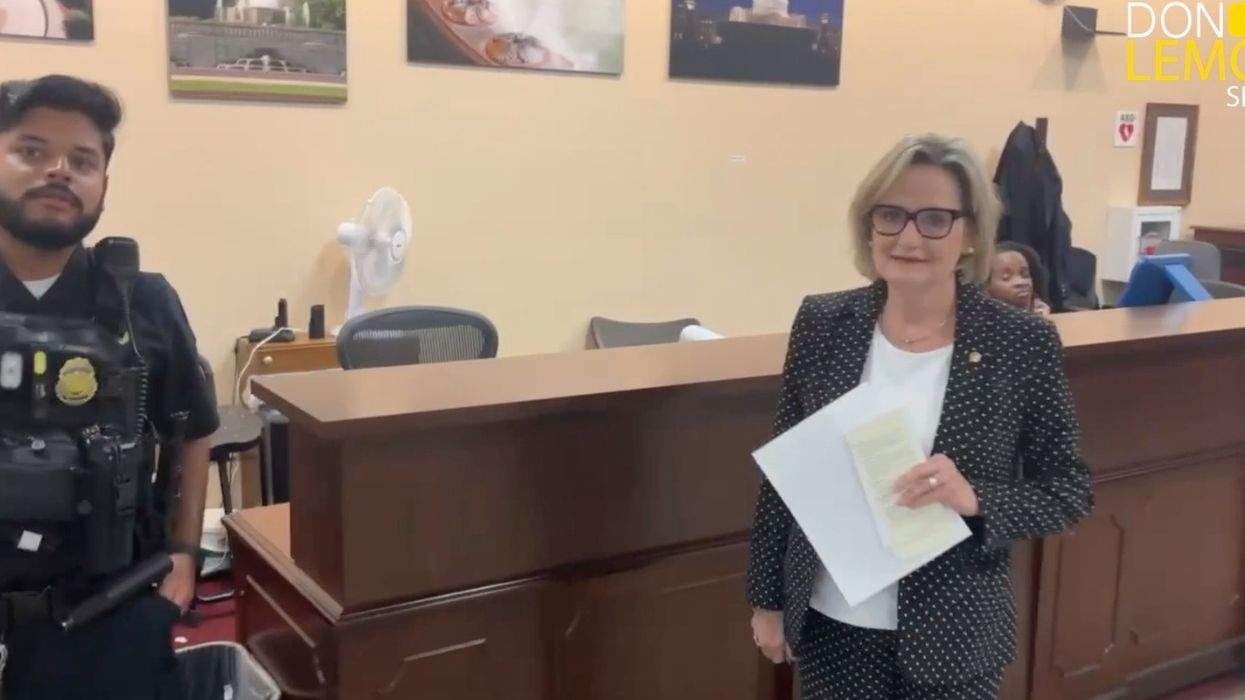
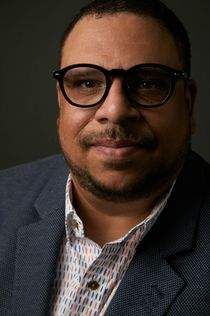
Republican Mississippi Sen. Cindy Hyde-Smith appeared to motion toward Capitol Police officers Wednesday as Daniel Grimes, a correspondent for The Don Lemon Show, tried to ask her about the death of Nolan Wells, a Black 18-year-old from her state. One officer rose from a desk and approached Grimes. Moments later, a second stepped between the journalist and the senator.
“I don’t do hallway interviews,” Hyde-Smith told Grimes in a publicly accessible place where press can ask questions near doors marked “Subway to Dirksen & Capitol” in the Hart Senate Office Building, according to the video his newsroom provided. She repeated the line as Grimes tried to ask about a Mississippi grand jury’s decision not to indict anyone in Wells’ death.
“She’s not willing to give you an interview,” an officer told Grimes. When Grimes replied that he could still ask a question, the officer said, “You can’t keep harassing her, okay?”
Grimes, a credentialed journalist, disputed that characterization. He told The Advocate that one officer put a hand on his shoulder, then let go when he backed up. “I don’t want to make it seem more intense than it actually was,” he said. “So it was primarily them using their bodies to box me in.”
Footage taken by Grimes shows Hyde-Smith moving toward the officers, followed by their approach to Grimes. It does not establish what, if anything, she said. The Advocate asked her office whether she requested police intervention and asked Capitol Police why the officers approached Grimes. Neither responded to multiple requests for comment.
The Senate Radio-TV Correspondents Gallery’s published rules say restrictions on filming in Capitol subways vary by location and that some coverage requires approval. A Capitol Police memo reproduced on the same page says journalists may enter areas open to the public if they comply with applicable rules and do not block passage. The gallery’s published guidance does not establish which filming or interview rule applied at the doors where Grimes approached Hyde-Smith.
Related: The racist, homophobic, and frightening arrest of Don Lemon
The question Grimes wanted to ask
Wells disappeared during a July Fourth outing on Horn Island, off the Mississippi coast. His body was found two days later. The grand jury concluded that the evidence did not support criminal charges and that the circumstances in which his body was found were consistent with drowning. Its report also acknowledged that both the state’s chief medical examiner and an independent pathologist hired by Wells’ family classified the cause and manner of death as undetermined.
Grimes said he expected Hyde-Smith might offer condolences to Wells’ family or address the grand jury’s decision. “I genuinely thought that it was a softball question,” he told The Advocate. Wells and his family were her constituents, he said, and the senator had previously indicated she might speak once the investigation advanced.
The family continues to press for answers. At a Thursday news conference, digital forensic examiner Andrew Garrett, whose firm Wells’ family hired, said Snapchat data had been deleted from Wells’ phone between the last time Wells used it and when his parents recovered it. Garrett said he could not determine who deleted the material or why. He presented location data tracing the phone off Horn Island without Wells.
Garrett said his team provided its findings to the district attorney’s office. The grand jury report says the panel reviewed cellphone and other digital evidence.
Grimes said the encounter ended after Hyde-Smith boarded the subway. He has not filed a complaint against the officers. His priority, he said, remains an answer from the senator: “What I want to happen is for her to answer the question.”
Related: Journalist Don Lemon arrested by federal agents after his coverage of Minneapolis protests
A wider fight over access
Don Lemon told The Advocate in a phone call that Hyde-Smith’s refusal to engage was “insulting” to people in Mississippi. “She should feel as a public servant an obligation to inform people and also to try to comfort the people of her own state,” he said. “Quite frankly, because this has been such a huge story in the African American community, I find it insulting to Black people.”
Lemon sees the encounter against a backdrop of increasing pressure on journalists. He said he worries that the White House’s treatment of reporters will encourage lawmakers to believe they can avoid questions by restricting access. “They are indeed public servants,” he said. The press, he added, is a principal way constituents learn “what they’re doing and what’s going on.”
Lemon has himself been charged with a crime by the Trump Justice Department over his coverage of a January protest inside a Minnesota church where demonstrators interrupted a service. Prosecutors allege that Lemon and independent journalist Georgia Fort joined an effort to interfere with worshippers’ religious rights. Both have pleaded not guilty and say they were reporting. As The Advocate previously reported, press organizations have urged a judge to dismiss the charges, warning that the prosecution could treat routine protest coverage as participation. The case remains pending.
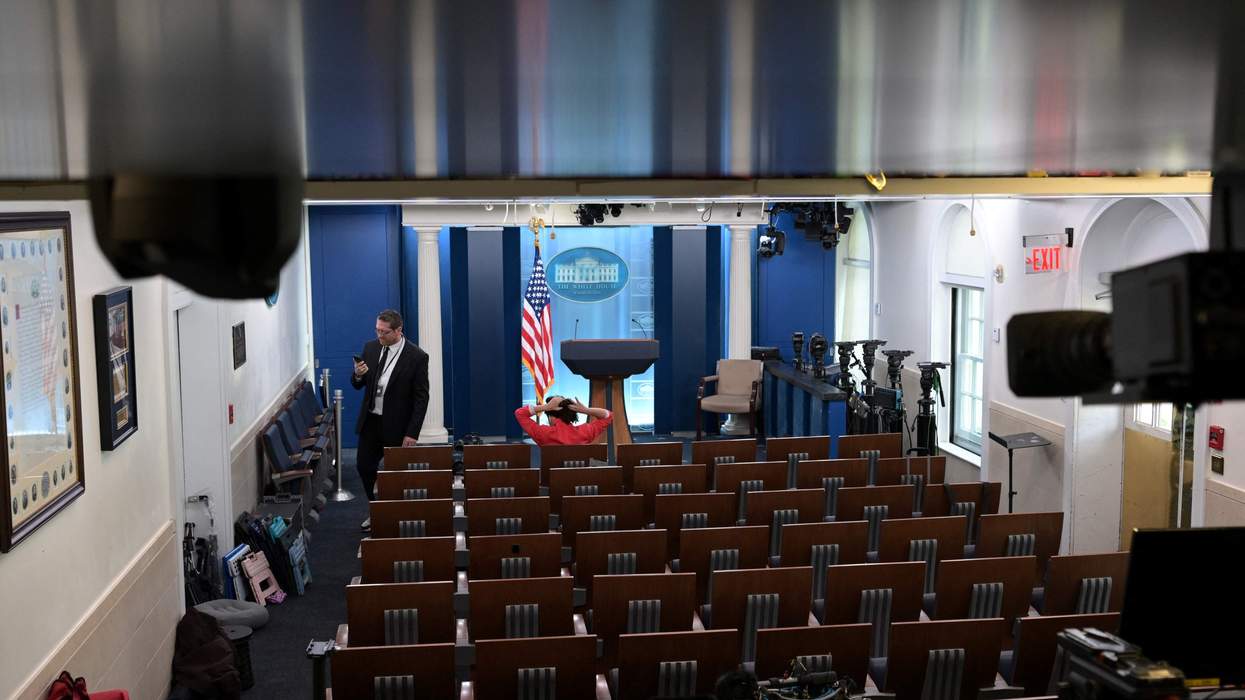
The Capitol encounter also came during a dispute over President Donald Trump’s decision to bar CNN, MS NOW, and Politico journalists from the White House. After the outlets sued, U.S. District Judge Timothy J. Kelly issued a 14-day temporary restraining order early Thursday requiring the restoration of their press passes. He found they were likely to succeed on their claim that the credentials had been revoked without constitutionally adequate due process.
Journalists from the three outlets regained entry Thursday after initially being turned away despite the order. Lemon said he hopes news organizations continue to stand together when access is threatened: “If one of us goes, we all go.”