'%3E%3Cpath d='M16.3574 35.6519H12.9537L15.0491 18.8873L16.3574 35.6519ZM30.4229 54.0093L22.309 0.994385H7.91795L0 54.0093H10.6634L11.5802 46.3855H17.4014L17.9914 54.0093H30.4229Z' fill='%23971B20'/%3E%3Cpath d='M48.2073 41.8813C48.2073 43.4049 47.4892 44.0011 46.1144 44.0011H43.7595V11.0687H46.1144C47.4892 11.0687 48.2073 11.6636 48.2073 13.1885V41.8813ZM59.5273 43.6695V11.3326C59.5273 3.71323 53.5729 0.994385 47.8157 0.994385H31.7213V54.0093H47.8157C53.5729 54.0093 59.5273 51.29 59.5273 43.6695Z' fill='%23971B20'/%3E%3Cpath d='M90.183 0.994385H78.6039L75.0711 30.6157L71.9955 0.994385H59.4346L69.2474 54.0093H80.373L90.183 0.994385Z' fill='%23971B20'/%3E%3Cpath d='M107.063 42.3448C107.063 43.7359 105.951 44.5974 104.643 44.5974C103.269 44.5974 102.157 43.7359 102.157 42.3448V12.658C102.157 11.2676 103.269 10.4058 104.643 10.4058C105.951 10.4058 107.063 11.2676 107.063 12.658V42.3448ZM119.233 43.2723V11.7312C119.233 6.36384 112.952 -3.8147e-06 104.643 -3.8147e-06C96.2667 -3.8147e-06 89.9867 6.36384 89.9867 11.7312V43.2723C89.9867 48.6393 96.2667 55 104.643 55C112.952 55 119.233 48.6393 119.233 43.2723Z' fill='%23971B20'/%3E%3Cpath d='M150.976 43.9349V33.7309H139.069V42.3448C139.069 43.7359 137.957 44.5974 136.582 44.5974C135.076 44.5974 133.964 43.7359 133.964 42.3448V12.658C133.964 11.2676 135.076 10.4058 136.582 10.4058C137.957 10.4058 139.069 11.2676 139.069 12.658V21.2723H150.976V11.0687C150.976 5.70107 145.283 -3.8147e-06 136.582 -3.8147e-06C127.75 -3.8147e-06 121.796 5.70107 121.796 11.0687V43.9349C121.796 49.3022 127.75 55 136.582 55C145.283 55 150.976 49.3022 150.976 43.9349Z' fill='%23971B20'/%3E%3Cpath d='M167.478 35.6519H164.076L166.17 18.8873L167.478 35.6519ZM181.544 54.0093L173.432 0.994385H159.037L151.123 54.0093H161.785L162.704 46.3855H168.523L169.114 54.0093H181.544Z' fill='%23971B20'/%3E%3Cpath d='M205.412 10.4058V0.994385H177.081V10.4058H185.392V54.0093H197.428V10.4058H205.412Z' fill='%23971B20'/%3E%3Cpath d='M230.002 54.0093V43.9349H218.914V31.8746H226.635V21.8028H218.914V10.4058H230.002V0.994385H206.875V54.0093H230.002Z' fill='%23971B20'/%3E%3C/g%3E%3Cdefs%3E%3CclipPath id='clip0_260_7080'%3E%3Crect width='230' height='55' fill='white'/%3E%3C/clipPath%3E%3C/defs%3E%3C/svg%3E)
A reporter follows protesters into a church, keeps the camera rolling, and asks questions. Is that journalism, or participation in a crime?
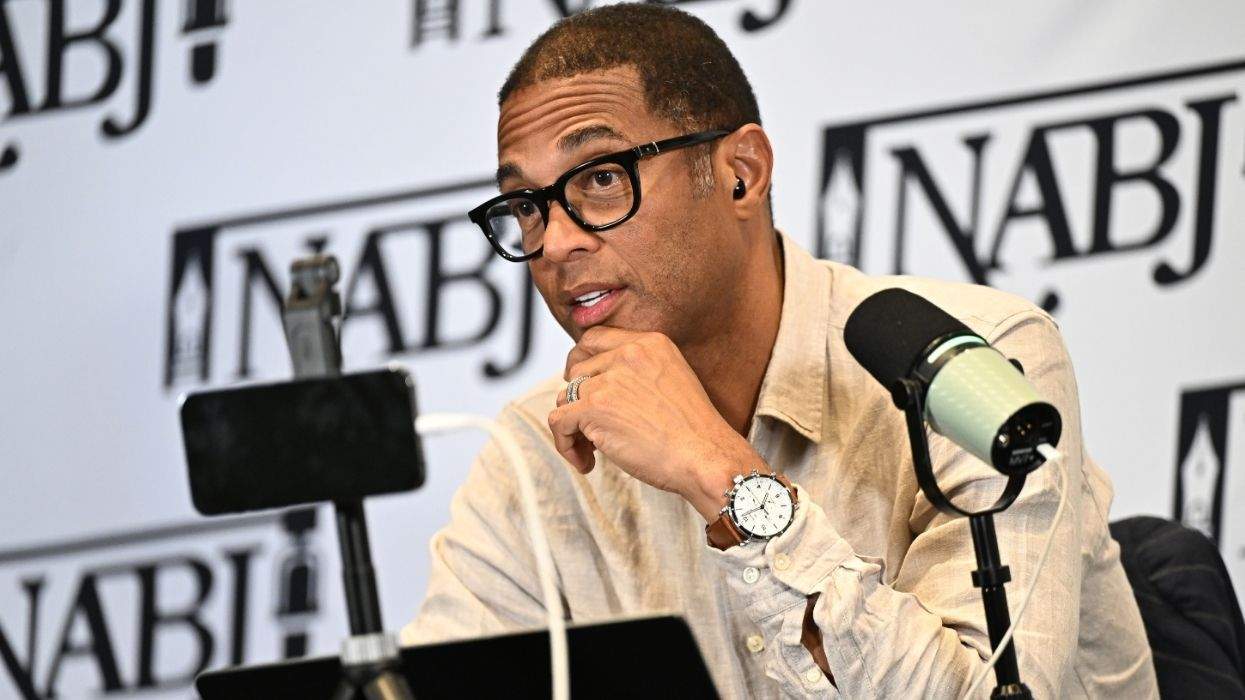
That distinction is at the center of the federal prosecution of independent journalists Don Lemon and Georgia Fort. The Reporters Committee for Freedom of the Press and 45 news and media organizations are urging a Minnesota judge to dismiss the charges, warning that the Justice Department’s case could make reporters criminally responsible for the people they cover.
The coalition includes The Associated Press, The Atlantic, The New York Times, The Washington Post, ProPublica, Dow Jones, Vox Media, MS NOW, the National Press Club, and the NewsGuild-CWA.
Related: Don Lemon was written off. Then everything changed
“This is a case of clear government overreach, with the Justice Department attempting to deploy two highly potent civil rights laws to target journalists,” Reporters Committee President Bruce D. Brown said in a statement to The Advocate. “On-the-ground news coverage is essential to the public’s ability to stay informed about important issues, and federal prosecutors cannot be allowed to misuse the law to punish such vital reporting.”
Lemon, who is gay, and Fort were covering a January 18 protest at Cities Church in St. Paul. Days after ICE officer Jonathan Ross shot and killed queer mother Renee Nicole Good in her car, demonstrators interrupted a worship service after learning that one of the church’s pastors was serving as an acting director of an Immigration and Customs Enforcement field office.
Lemon livestreamed the protest and interviewed demonstrators, congregants, and a pastor. Fort separately documented the event. Prosecutors allege that they were not simply covering the protest but knowingly joined an effort to interfere with worshippers’ religious rights. Both journalists have pleaded not guilty.
The Justice Department charged them under the Freedom of Access to Clinic Entrances Act, or FACE Act, and a Reconstruction-era law prohibiting conspiracies to deprive people of federally protected rights.
The friend-of-the-court brief, filed Wednesday, argues that both laws require proof that Lemon and Fort specifically intended to stop people from worshipping. Their purpose, the coalition says, was to report the news.
“Reporters and demonstrators may walk through the same door, but they have entirely diverging objectives when they get inside,” the brief says.
The filing warns that the government’s theory could allow prosecutors to treat filming, livestreaming, or interviewing people near a protest as evidence of a criminal conspiracy. Reporters routinely stand close to unlawful conduct precisely because their job is to document it.
Related: Defiant Don Lemon says ‘the process is the punishment’ after lawyers reveal feds took his phone
The prosecution has followed an unusual path. As The Advocate previously reported, a federal magistrate initially declined to approve charges against Lemon after finding that prosecutors had not established probable cause. The Justice Department then went to a grand jury.
Then-Attorney General Pam Bondi announced that the arrests occurred “at my direction.” Less than an hour later, the White House celebrated Lemon’s arrest with a meme, before officials had publicly explained the legal basis for the case.
Lemon and Fort filed their own dismissal motions earlier this month, arguing that the prosecution violates the First Amendment and was designed to punish reporting the administration disliked.
The new brief asks U.S. District Judge Laura M. Provinzino to draw a clear line that says being close enough to document a protest does not make a journalist part of it. If that line disappears, the coalition argues, reporters will have to choose between showing the public what happened and protecting themselves from prosecution.