'%3E%3Cpath d='M16.3574 35.6519H12.9537L15.0491 18.8873L16.3574 35.6519ZM30.4229 54.0093L22.309 0.994385H7.91795L0 54.0093H10.6634L11.5802 46.3855H17.4014L17.9914 54.0093H30.4229Z' fill='%23971B20'/%3E%3Cpath d='M48.2073 41.8813C48.2073 43.4049 47.4892 44.0011 46.1144 44.0011H43.7595V11.0687H46.1144C47.4892 11.0687 48.2073 11.6636 48.2073 13.1885V41.8813ZM59.5273 43.6695V11.3326C59.5273 3.71323 53.5729 0.994385 47.8157 0.994385H31.7213V54.0093H47.8157C53.5729 54.0093 59.5273 51.29 59.5273 43.6695Z' fill='%23971B20'/%3E%3Cpath d='M90.183 0.994385H78.6039L75.0711 30.6157L71.9955 0.994385H59.4346L69.2474 54.0093H80.373L90.183 0.994385Z' fill='%23971B20'/%3E%3Cpath d='M107.063 42.3448C107.063 43.7359 105.951 44.5974 104.643 44.5974C103.269 44.5974 102.157 43.7359 102.157 42.3448V12.658C102.157 11.2676 103.269 10.4058 104.643 10.4058C105.951 10.4058 107.063 11.2676 107.063 12.658V42.3448ZM119.233 43.2723V11.7312C119.233 6.36384 112.952 -3.8147e-06 104.643 -3.8147e-06C96.2667 -3.8147e-06 89.9867 6.36384 89.9867 11.7312V43.2723C89.9867 48.6393 96.2667 55 104.643 55C112.952 55 119.233 48.6393 119.233 43.2723Z' fill='%23971B20'/%3E%3Cpath d='M150.976 43.9349V33.7309H139.069V42.3448C139.069 43.7359 137.957 44.5974 136.582 44.5974C135.076 44.5974 133.964 43.7359 133.964 42.3448V12.658C133.964 11.2676 135.076 10.4058 136.582 10.4058C137.957 10.4058 139.069 11.2676 139.069 12.658V21.2723H150.976V11.0687C150.976 5.70107 145.283 -3.8147e-06 136.582 -3.8147e-06C127.75 -3.8147e-06 121.796 5.70107 121.796 11.0687V43.9349C121.796 49.3022 127.75 55 136.582 55C145.283 55 150.976 49.3022 150.976 43.9349Z' fill='%23971B20'/%3E%3Cpath d='M167.478 35.6519H164.076L166.17 18.8873L167.478 35.6519ZM181.544 54.0093L173.432 0.994385H159.037L151.123 54.0093H161.785L162.704 46.3855H168.523L169.114 54.0093H181.544Z' fill='%23971B20'/%3E%3Cpath d='M205.412 10.4058V0.994385H177.081V10.4058H185.392V54.0093H197.428V10.4058H205.412Z' fill='%23971B20'/%3E%3Cpath d='M230.002 54.0093V43.9349H218.914V31.8746H226.635V21.8028H218.914V10.4058H230.002V0.994385H206.875V54.0093H230.002Z' fill='%23971B20'/%3E%3C/g%3E%3Cdefs%3E%3CclipPath id='clip0_260_7080'%3E%3Crect width='230' height='55' fill='white'/%3E%3C/clipPath%3E%3C/defs%3E%3C/svg%3E)


Earlier this week, a Texas judge ruled that the State Commission on Judicial Conduct could not enforce disciplinary action against a Waco justice of the peace for refusing to perform same-sex wedding ceremonies, as reported by NPR/PBS affiliate Kera News.
Travis County Judge Maya Guerra Gamble, a Democrat, awarded McLennan County Justice of the Peace Dianne Hensley $10,000 in damages and $630,000 in attorney’s fees on the grounds that the commission infringed on Hensley’s religious liberty rights. Gamble’s ruling stated the state agency did not have a right to “investigate, sanction, or discipline” her for refusing to officiate same-sex weddings due to her Christian beliefs.
Hensley argued that her decision not to perform the ceremonies for LGBTQ+ couples did not truly affect their right to get married, since other local judges would still do so, and also noted that justices of the peace in Texas aren’t required to officiate weddings.
“I was just accommodating people who called needing a low-cost wedding, and it's been long enough now we don't get many calls anymore,” Hensley said. “So, unless we start getting a lot of demand, I may not.”
She also expressed she was satisfied with Gamble’s ruling. “I think the agency overstepped itself, and what we saw was their bias on the issue and not the law.”
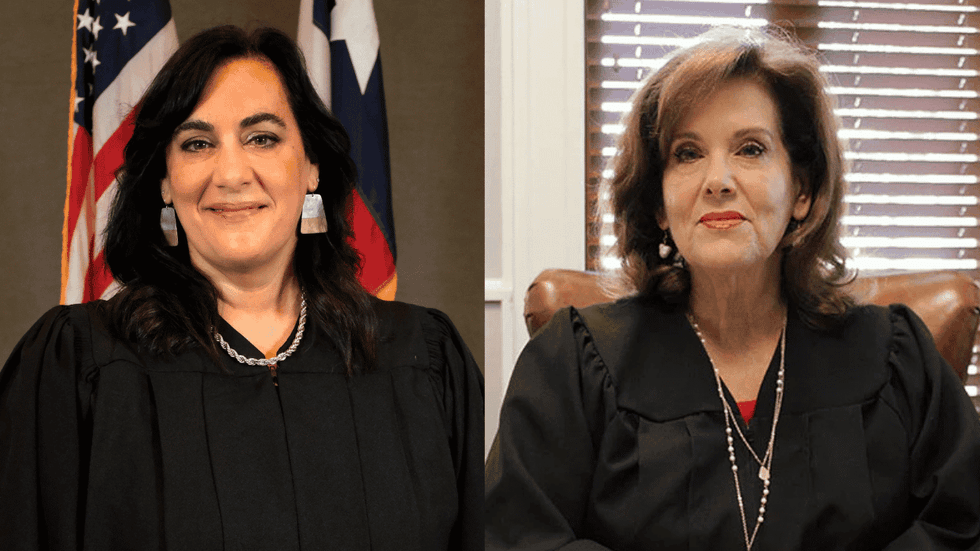 Judge Maya Guerra Gamble and Justice of the Peace Dianne HensleyMayaGuerraGamble.com; First Liberty Institute
The case actually dates back to 2015, when the U.S. Supreme Court’s decision on the Obergefell v. Hodges case made same-sex marriage legal throughout the nation. After the landmark ruling, some judges chose to officiate all marriages, regardless of the couples’ sexual orientation, or not to officiate any.
Initially, Hensley chose not to continue officiating weddings at all, but then in 2016 decided to perform weddings again – but for straight couples only. According to court documents, Hensley did refer same-sex couples to another judge or other local officiants.
After the judicial conduct commission discovered this, it launched an official inquiry into Hensley’s policy and issued a public warning to her. In response, Hensley filed a lawsuit against the commission over the disciplinary action, arguing that her actions were protected by the Texas Religious Freedom Restoration Act, which prohibits restrictions that substantially affect an individual’s right to religious freedom.
In 2024, the commission dismissed Hensley’s sanction, noting that none of its current commissioners were employed at the agency when she was reprimanded, and therefore should not be financially responsible for paying damages. In May 2025, Austin’s Third Court of Appeals ruled Hensley’s suit could move forward in Travis County District Court, which ultimately concluded with Gamble’s ruling this week.
"People cannot be made — cannot be forced into participating in things that they have a religious disagreement with," said attorney Hiram Sasser of First Liberty Institute, a conservative law firm that helped represent Hensley.