'%3E%3Cpath d='M16.3574 35.6519H12.9537L15.0491 18.8873L16.3574 35.6519ZM30.4229 54.0093L22.309 0.994385H7.91795L0 54.0093H10.6634L11.5802 46.3855H17.4014L17.9914 54.0093H30.4229Z' fill='%23971B20'/%3E%3Cpath d='M48.2073 41.8813C48.2073 43.4049 47.4892 44.0011 46.1144 44.0011H43.7595V11.0687H46.1144C47.4892 11.0687 48.2073 11.6636 48.2073 13.1885V41.8813ZM59.5273 43.6695V11.3326C59.5273 3.71323 53.5729 0.994385 47.8157 0.994385H31.7213V54.0093H47.8157C53.5729 54.0093 59.5273 51.29 59.5273 43.6695Z' fill='%23971B20'/%3E%3Cpath d='M90.183 0.994385H78.6039L75.0711 30.6157L71.9955 0.994385H59.4346L69.2474 54.0093H80.373L90.183 0.994385Z' fill='%23971B20'/%3E%3Cpath d='M107.063 42.3448C107.063 43.7359 105.951 44.5974 104.643 44.5974C103.269 44.5974 102.157 43.7359 102.157 42.3448V12.658C102.157 11.2676 103.269 10.4058 104.643 10.4058C105.951 10.4058 107.063 11.2676 107.063 12.658V42.3448ZM119.233 43.2723V11.7312C119.233 6.36384 112.952 -3.8147e-06 104.643 -3.8147e-06C96.2667 -3.8147e-06 89.9867 6.36384 89.9867 11.7312V43.2723C89.9867 48.6393 96.2667 55 104.643 55C112.952 55 119.233 48.6393 119.233 43.2723Z' fill='%23971B20'/%3E%3Cpath d='M150.976 43.9349V33.7309H139.069V42.3448C139.069 43.7359 137.957 44.5974 136.582 44.5974C135.076 44.5974 133.964 43.7359 133.964 42.3448V12.658C133.964 11.2676 135.076 10.4058 136.582 10.4058C137.957 10.4058 139.069 11.2676 139.069 12.658V21.2723H150.976V11.0687C150.976 5.70107 145.283 -3.8147e-06 136.582 -3.8147e-06C127.75 -3.8147e-06 121.796 5.70107 121.796 11.0687V43.9349C121.796 49.3022 127.75 55 136.582 55C145.283 55 150.976 49.3022 150.976 43.9349Z' fill='%23971B20'/%3E%3Cpath d='M167.478 35.6519H164.076L166.17 18.8873L167.478 35.6519ZM181.544 54.0093L173.432 0.994385H159.037L151.123 54.0093H161.785L162.704 46.3855H168.523L169.114 54.0093H181.544Z' fill='%23971B20'/%3E%3Cpath d='M205.412 10.4058V0.994385H177.081V10.4058H185.392V54.0093H197.428V10.4058H205.412Z' fill='%23971B20'/%3E%3Cpath d='M230.002 54.0093V43.9349H218.914V31.8746H226.635V21.8028H218.914V10.4058H230.002V0.994385H206.875V54.0093H230.002Z' fill='%23971B20'/%3E%3C/g%3E%3Cdefs%3E%3CclipPath id='clip0_260_7080'%3E%3Crect width='230' height='55' fill='white'/%3E%3C/clipPath%3E%3C/defs%3E%3C/svg%3E)
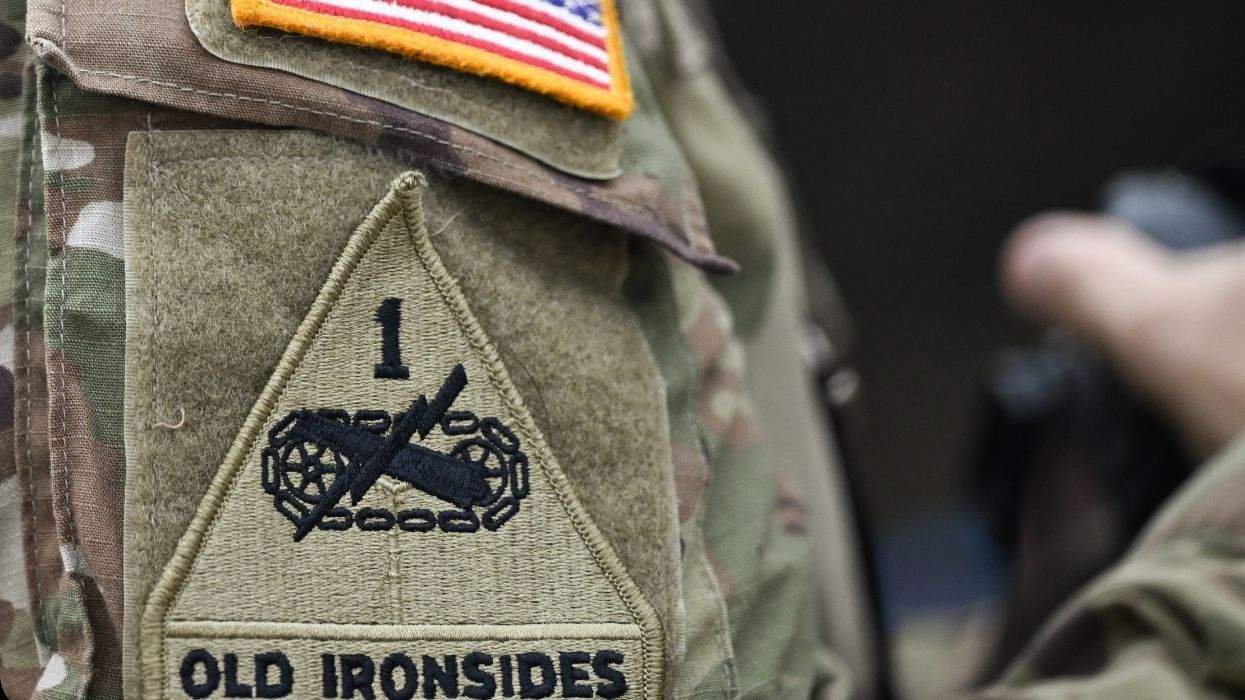

House Republicans tried to turn President Donald Trump’s ban on transgender military service into something harder to undo. They failed narrowly, and not before approving two measures targeting transgender troops and their families.
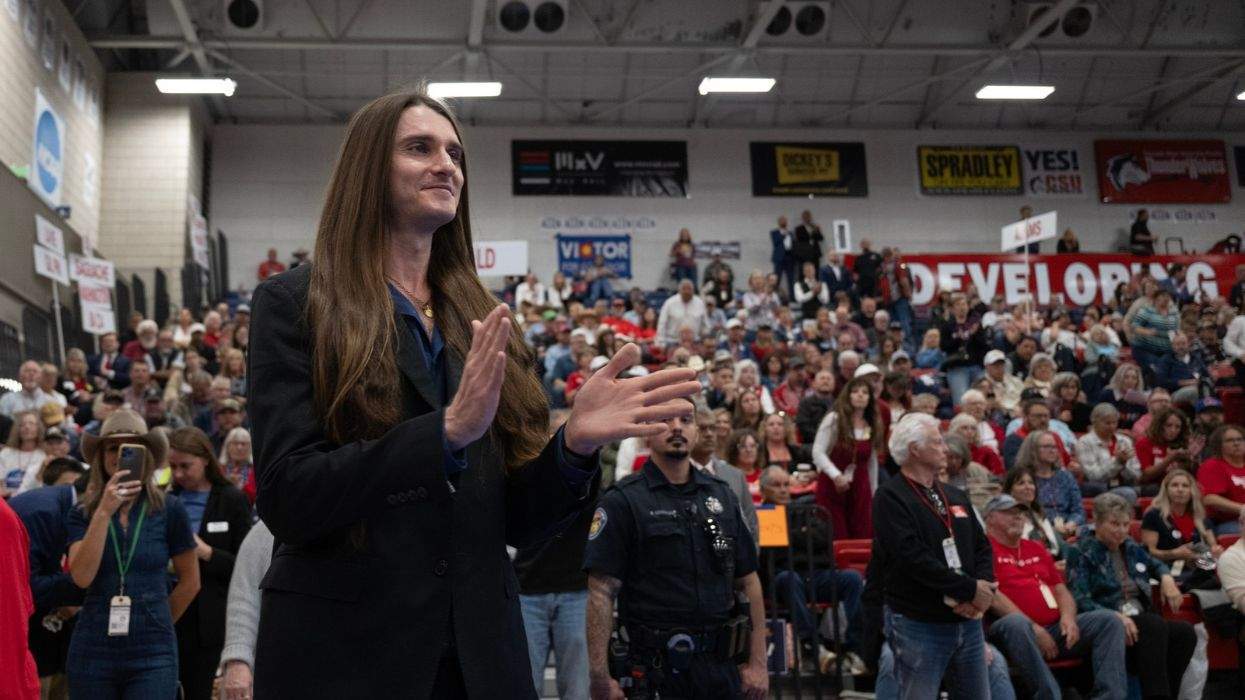
An amendment from Rep. Lauren Boebert of Colorado that would have given Trump’s executive order “the force and effect of law” failed Tuesday, 212-217. Four Republicans joined every voting Democrat in opposing it.
The vote leaves the administration’s ban in place while preserving a path for courts, Congress or a future president to reverse it.
"Republicans tried to codify Trump’s trans military ban into law, but my fellow members of the Congressional Equality Caucus and I put in countless hours of work in order to kill this amendment—and we were successful. I’m grateful for the bipartisan vote to defeat this discriminatory amendment,” Rep. Mark Takano, chair of the Congressional Equality Caucus, said in a statement.
Related: Judge in trans military ban case demands Pentagon explain Hegseth’s testosterone double standard
Advocates also celebrated the amendment's failure. “At SPARTA Pride, we welcome the House’s rejection of an effort to permanently codify the transgender military ban into federal law,” Kara Corcoran, executive director of SPARTA Pride, told The Advocate in an email.
Trump’s policy bars transgender people from serving openly and has forced service members to fight for their careers in federal court. Corcoran said lawmakers’ refusal to cement the ban into statute matters because executive action can be reversed. “Congress chose not to make discrimination permanent,” she said. “We are grateful that transgender troops will continue to have the ability to fight for their right to serve.”
That relief came with a warning. The House approved two amendments from Republican Rep. Nancy Mace of South Carolina targeting healthcare and school athletics.
One would prohibit TRICARE, the military’s health insurance program, from covering transition-related care for service members and their family members, including hormone treatment, puberty blockers and surgeries. SPARTA Pride said the provision would deny medically necessary care to military families and could leave transgender troops without treatment even if open service is restored.
Related: Federal appeals court rules that Trump’s trans military ban appears discriminatory
The second would bar transgender girls from competing on girls’ teams in Defense Department schools. The amendment defines eligibility according to reproductive biology but does not say how schools would verify a student’s sex. SPARTA Pride, which advocates for transgender people in the military, warned that enforcement could create serious privacy risks for military children.
“There are thousands of service members with transgender children who now have to face whether or not they should stay in the military, as the government they serve discriminates against their kids,” Corcoran said.
The House passed the broader defense authorization bill Wednesday, 216-212. The Senate must now consider its own version before lawmakers negotiate a final bill.
“We must protect our military families,” Corcoran said. “Our focus now shifts to the Senate and ultimately the conference, where we will continue advocating for policies that support military families and ensure every qualified American has the opportunity to serve.”