'%3E%3Cpath d='M16.3574 35.6519H12.9537L15.0491 18.8873L16.3574 35.6519ZM30.4229 54.0093L22.309 0.994385H7.91795L0 54.0093H10.6634L11.5802 46.3855H17.4014L17.9914 54.0093H30.4229Z' fill='%23971B20'/%3E%3Cpath d='M48.2073 41.8813C48.2073 43.4049 47.4892 44.0011 46.1144 44.0011H43.7595V11.0687H46.1144C47.4892 11.0687 48.2073 11.6636 48.2073 13.1885V41.8813ZM59.5273 43.6695V11.3326C59.5273 3.71323 53.5729 0.994385 47.8157 0.994385H31.7213V54.0093H47.8157C53.5729 54.0093 59.5273 51.29 59.5273 43.6695Z' fill='%23971B20'/%3E%3Cpath d='M90.183 0.994385H78.6039L75.0711 30.6157L71.9955 0.994385H59.4346L69.2474 54.0093H80.373L90.183 0.994385Z' fill='%23971B20'/%3E%3Cpath d='M107.063 42.3448C107.063 43.7359 105.951 44.5974 104.643 44.5974C103.269 44.5974 102.157 43.7359 102.157 42.3448V12.658C102.157 11.2676 103.269 10.4058 104.643 10.4058C105.951 10.4058 107.063 11.2676 107.063 12.658V42.3448ZM119.233 43.2723V11.7312C119.233 6.36384 112.952 -3.8147e-06 104.643 -3.8147e-06C96.2667 -3.8147e-06 89.9867 6.36384 89.9867 11.7312V43.2723C89.9867 48.6393 96.2667 55 104.643 55C112.952 55 119.233 48.6393 119.233 43.2723Z' fill='%23971B20'/%3E%3Cpath d='M150.976 43.9349V33.7309H139.069V42.3448C139.069 43.7359 137.957 44.5974 136.582 44.5974C135.076 44.5974 133.964 43.7359 133.964 42.3448V12.658C133.964 11.2676 135.076 10.4058 136.582 10.4058C137.957 10.4058 139.069 11.2676 139.069 12.658V21.2723H150.976V11.0687C150.976 5.70107 145.283 -3.8147e-06 136.582 -3.8147e-06C127.75 -3.8147e-06 121.796 5.70107 121.796 11.0687V43.9349C121.796 49.3022 127.75 55 136.582 55C145.283 55 150.976 49.3022 150.976 43.9349Z' fill='%23971B20'/%3E%3Cpath d='M167.478 35.6519H164.076L166.17 18.8873L167.478 35.6519ZM181.544 54.0093L173.432 0.994385H159.037L151.123 54.0093H161.785L162.704 46.3855H168.523L169.114 54.0093H181.544Z' fill='%23971B20'/%3E%3Cpath d='M205.412 10.4058V0.994385H177.081V10.4058H185.392V54.0093H197.428V10.4058H205.412Z' fill='%23971B20'/%3E%3Cpath d='M230.002 54.0093V43.9349H218.914V31.8746H226.635V21.8028H218.914V10.4058H230.002V0.994385H206.875V54.0093H230.002Z' fill='%23971B20'/%3E%3C/g%3E%3Cdefs%3E%3CclipPath id='clip0_260_7080'%3E%3Crect width='230' height='55' fill='white'/%3E%3C/clipPath%3E%3C/defs%3E%3C/svg%3E)


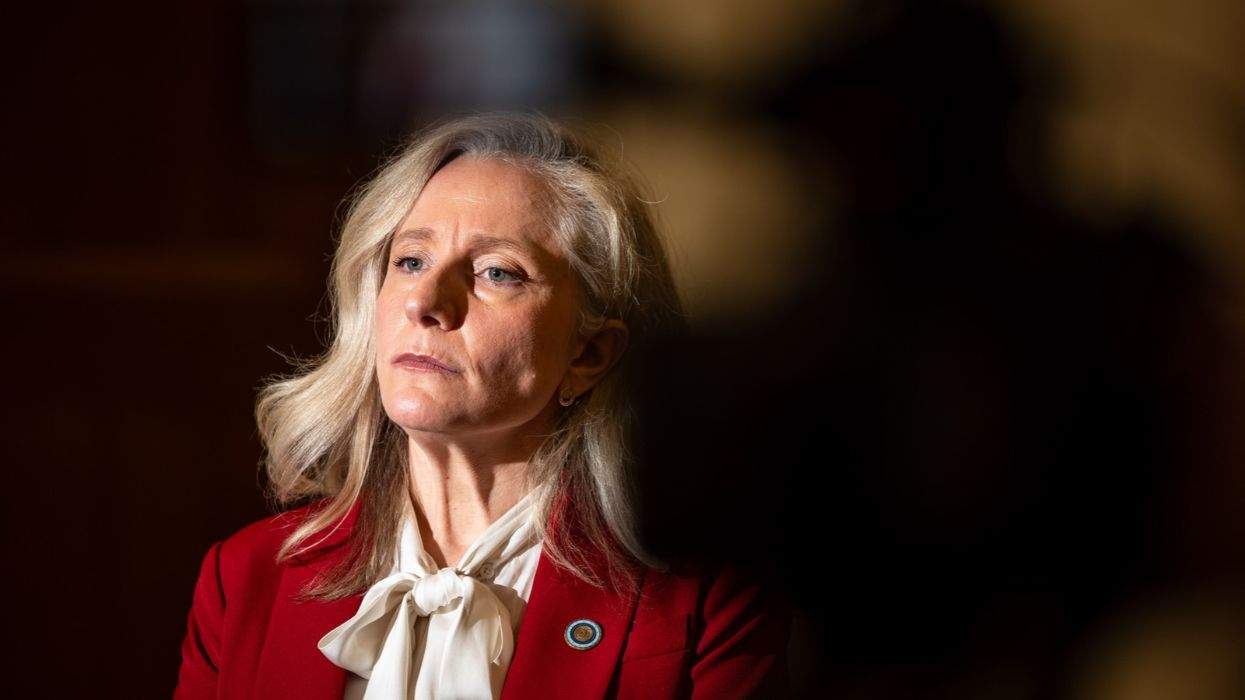
Sarah McBride, the first out trans person in Congress, called out what she sees as a corrosive dynamic within the Democratic Party, one that alienates the very voters it needs most. “I think voters feel like Democrats have sort of been assholes to them,” the Delaware congresswoman told Politico’s Dasha Burns in a new interview airing Sunday on The Conversation podcast.
Keep up with the latest in LGBTQ+ news and politics. Sign up for The Advocate's email newsletter.
“I do think that a voter asks two questions when they’re considering who to vote for,” she said. “The first question is, does this candidate, does this party like me? And by extension, do they respect me? Do they care for me? But do they like me? If you can’t answer that first question to a voter’s satisfaction, they won’t even get to the second question, which is, what does this party think? I think we’ve lost that first question.”
Related: Pete Buttigieg weighs in on ‘fairness’ of transgender kids playing girls’ sports
McBride’s warning comes as Democrats face both numerical and narrative slippage. A Gallup poll released Thursday shows the party’s favorability rating at 34 percent, the lowest in the pollster’s tracking since 1992. Support among self-identified Democrats has fallen sharply as well, with only 73 percent of Democrats viewing their party favorably. Among independents, just 27 percent express a favorable opinion of Democrats, nearly tying the party’s all-time low.
Despite these numbers, Democrats have regained a narrow advantage in party affiliation. Gallup’s second-quarter data shows 46 percent of U.S. adults identify as Democrats or lean Democratic, compared to 43 percent for Republicans. But those gains are entirely driven by independents, not a groundswell of new Democratic identifiers, and could easily evaporate.
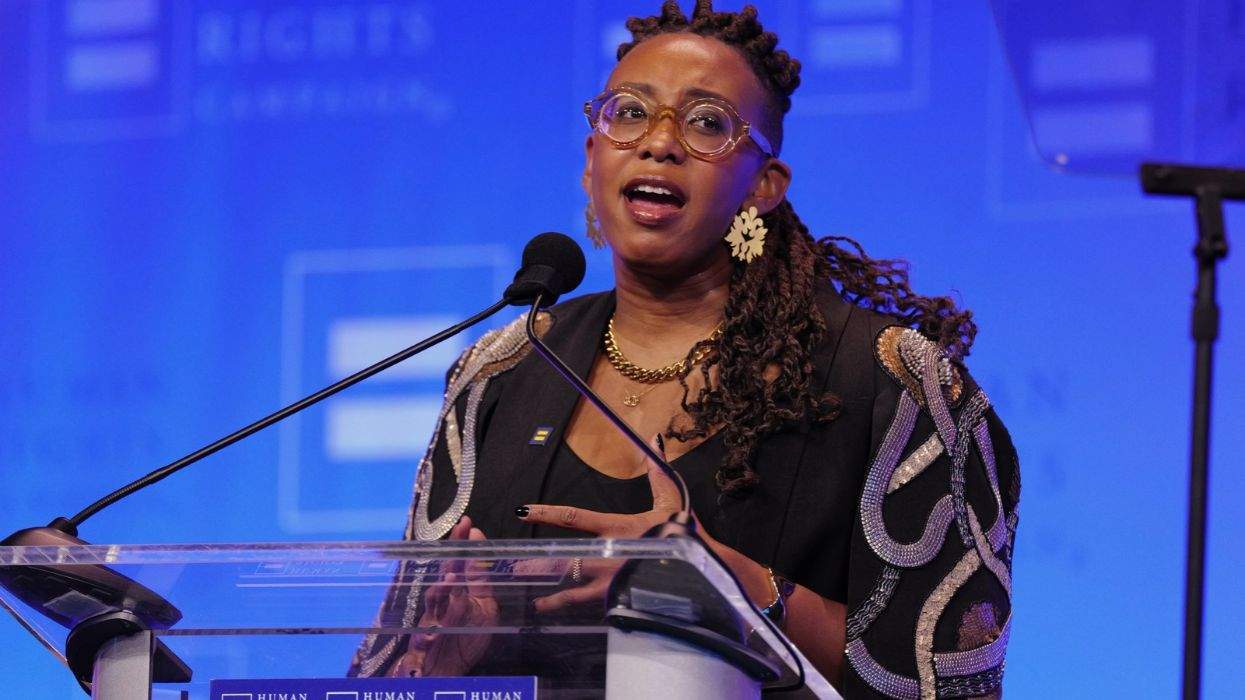
McBride, who served for five years at the Human Rights Campaign before running for the Delaware State Senate and eventually Congress, has built a career on coalition-building. As national press secretary at HRC, she was often the bridge between policy priorities and public understanding, an experience that now informs her critique of the party’s messaging and movement strategy.
“Look, the reality in today’s environment is that your party ecosystem is defined not just by politicians or the party, but also some of the loudest voices online that, in voters’ minds, reflect and represent that broader coalition,” she told Burns. “In a world where many voters get their news online… we’ve got some very loud people who are shaming and calling people who disagree with them, even in rhetoric, bigots. When we have those folks saying that to a wide swath of voters, including voters we could win, and we aren’t explicitly stating something to the contrary, then a voter will then just paint us all with one broad brush.”
Related: Sarah McBride on why support for trans rights ebbed — and how to build it back up
The point wasn’t theoretical. It’s personal and political. In June, on The Ezra Klein Show, McBride reflected on the faltering support for transgender rights, connecting it to what she called the progressive movement’s abandonment of convincingness.
“Candidly, I think we’ve lost the art of persuasion,” she said. “We’ve lost the art of change-making over the last couple of years. We’re not in this position because of trans people. There was a very clear, well-coordinated, well-funded effort to demonize trans people… and the support for trans rights was a house built on sand.”
McBride believes Democrats were lulled into complacency after Obergefell, the landmark 2015 U.S. Supreme Court ruling legalizing same-sex marriage. Many assumed progress would continue unimpeded, that the public, having come to terms with gay and lesbian rights, would naturally support trans people too.
“I think that resulted in a lot of us—a lot of our movement—stopping the conversation and ceasing doing the hard work of opening hearts and changing minds and telling stories,” she said. “We became absolutist, not just on trans rights but across the progressive movement, and we forgot that in a democracy we have to grapple with where the public authentically is and actually engage with it.”
That critique found an echo this week in remarks from former Transportation Secretary Pete Buttigieg, the first out gay person confirmed to a cabinet position by the U.S. Senate, who warned that Democrats had become “the preachy party.”
Related: Pete Buttigieg says Democrats must end ‘preachy’ politics to combat Trump’s autocratic government takeover
“It’s one thing to stand up for your values… but it’s another to make people feel like they’re bad people because of how they voted or because they didn’t say the right thing in the right way,” Buttigieg said on The People’s Cabinet podcast. He warned that this social anxiety has metastasized into something more sinister: fear of government reprisal. “That’s the defining fear of life under autocracy,” he said.
Back in June, McBride made a similar case for rebuilding support, not through litmus tests, but through compassion and clarity.
“We should be ahead of public opinion, but we have to be within arm’s reach,” she told Klein. She cited Democratic U.S. Rep. Seth Moulton of Massachusetts, who publicly expressed concern about trans women in sports but voted against a Republican bill that would have banned their participation. “He still showed up for our community,” McBride said.
That’s the kind of political pragmatism she believes the movement needs more of. “In the fight for marriage equality, we created incentives for people to grow, we created space for people to grow, and we allowed people into our tent… who weren’t already with us,” she said.
Related: Democrat Seth Moulton defends comments on trans athletes amid backlash (exclusive)
Now, she argues, the same approach is necessary—not just to win votes, but to secure rights.
“We got into this performative fighting to show our bona fides to our own in-group,” she said. “And we lost the fundamental truth that all of those things are only even possible once you’ve done the basic legwork of allowing people to see trans people as people.”
Asked by Burns what Democrats need to do next, McBride didn’t hesitate. “We have to basically create a tent that is united on three fundamental principles. One is working people need more support and help. Two, democracy and freedom are good. And three, we’re not going to be assholes to voters.”
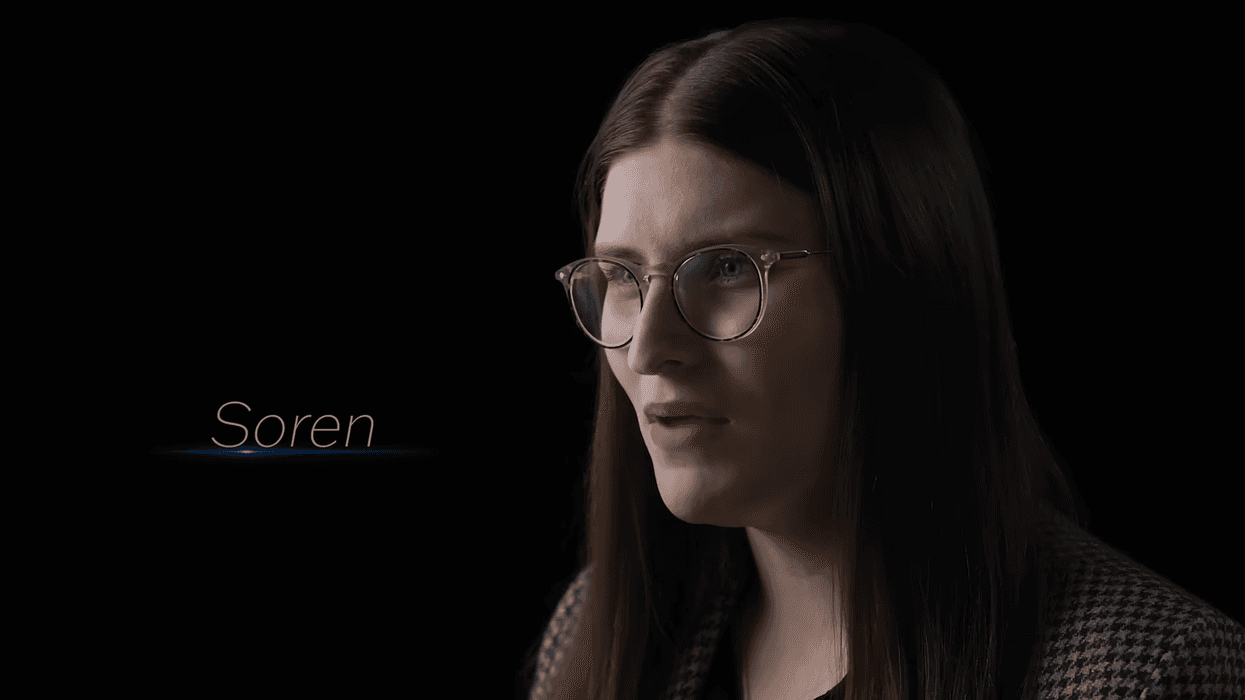
Watch a clip of Sarah McBride on The Conversation with Dasha Burns below.
- YouTube youtu.be