'%3E%3Cpath d='M16.3574 35.6519H12.9537L15.0491 18.8873L16.3574 35.6519ZM30.4229 54.0093L22.309 0.994385H7.91795L0 54.0093H10.6634L11.5802 46.3855H17.4014L17.9914 54.0093H30.4229Z' fill='%23971B20'/%3E%3Cpath d='M48.2073 41.8813C48.2073 43.4049 47.4892 44.0011 46.1144 44.0011H43.7595V11.0687H46.1144C47.4892 11.0687 48.2073 11.6636 48.2073 13.1885V41.8813ZM59.5273 43.6695V11.3326C59.5273 3.71323 53.5729 0.994385 47.8157 0.994385H31.7213V54.0093H47.8157C53.5729 54.0093 59.5273 51.29 59.5273 43.6695Z' fill='%23971B20'/%3E%3Cpath d='M90.183 0.994385H78.6039L75.0711 30.6157L71.9955 0.994385H59.4346L69.2474 54.0093H80.373L90.183 0.994385Z' fill='%23971B20'/%3E%3Cpath d='M107.063 42.3448C107.063 43.7359 105.951 44.5974 104.643 44.5974C103.269 44.5974 102.157 43.7359 102.157 42.3448V12.658C102.157 11.2676 103.269 10.4058 104.643 10.4058C105.951 10.4058 107.063 11.2676 107.063 12.658V42.3448ZM119.233 43.2723V11.7312C119.233 6.36384 112.952 -3.8147e-06 104.643 -3.8147e-06C96.2667 -3.8147e-06 89.9867 6.36384 89.9867 11.7312V43.2723C89.9867 48.6393 96.2667 55 104.643 55C112.952 55 119.233 48.6393 119.233 43.2723Z' fill='%23971B20'/%3E%3Cpath d='M150.976 43.9349V33.7309H139.069V42.3448C139.069 43.7359 137.957 44.5974 136.582 44.5974C135.076 44.5974 133.964 43.7359 133.964 42.3448V12.658C133.964 11.2676 135.076 10.4058 136.582 10.4058C137.957 10.4058 139.069 11.2676 139.069 12.658V21.2723H150.976V11.0687C150.976 5.70107 145.283 -3.8147e-06 136.582 -3.8147e-06C127.75 -3.8147e-06 121.796 5.70107 121.796 11.0687V43.9349C121.796 49.3022 127.75 55 136.582 55C145.283 55 150.976 49.3022 150.976 43.9349Z' fill='%23971B20'/%3E%3Cpath d='M167.478 35.6519H164.076L166.17 18.8873L167.478 35.6519ZM181.544 54.0093L173.432 0.994385H159.037L151.123 54.0093H161.785L162.704 46.3855H168.523L169.114 54.0093H181.544Z' fill='%23971B20'/%3E%3Cpath d='M205.412 10.4058V0.994385H177.081V10.4058H185.392V54.0093H197.428V10.4058H205.412Z' fill='%23971B20'/%3E%3Cpath d='M230.002 54.0093V43.9349H218.914V31.8746H226.635V21.8028H218.914V10.4058H230.002V0.994385H206.875V54.0093H230.002Z' fill='%23971B20'/%3E%3C/g%3E%3Cdefs%3E%3CclipPath id='clip0_260_7080'%3E%3Crect width='230' height='55' fill='white'/%3E%3C/clipPath%3E%3C/defs%3E%3C/svg%3E)

A federal judge on Thursday ordered the Trump administration to facilitate the return to the United States of people it deported to El Salvador’s Terrorism Confinement Center, or CECOT, ruling that the government violated their due process rights and must now begin to remedy the consequences of those removals.
Keep up with the latest in LGBTQ+ news and politics. Sign up for The Advocate's email newsletter.
The order, issued by D.C. U.S. District Chief Judge James E. Boasberg, arises from a class action brought by Venezuelan migrants who were deported in March 2025 under a presidential proclamation invoking the Alien Enemies Act. In earlier rulings, Boasberg concluded that the deportations were unlawful, writing that “by any measure, the detainees surely fell victim to constitutionally inadequate process.”
Related: Andry Hernández Romero on surviving CECOT: 'They told us we would die there'
Related: Gay asylum-seeker's lawyer worries for the makeup artist's safety in Salvadoran ‘hellhole’ prison
In his latest opinion, the judge addressed what the government must do to remedy that violation. Citing recent U.S. Supreme Court precedent, he wrote that when people are unlawfully removed, the government must “ensure that [their] case is handled as it would have been had [they] not been improperly sent to El Salvador.” He rejected the administration’s argument that there was no feasible way to allow the plaintiffs to proceed, warning that otherwise the government could remove people without due process and then deny them any meaningful chance to be heard simply because they are no longer in the United States.
Under the order, the government must offer “boarding letters” to plaintiffs in third countries who seek commercial air travel back to the U.S. and, in some cases, cover the cost of that travel. Boasberg noted that the situation would not exist had the government “simply afforded Plaintiffs their constitutional rights before initially deporting them.” Those who return would be taken into U.S. custody while their cases proceed and could still face deportation if their legal challenges fail.
Related: Democratic lawmakers fly to El Salvador and demand action on gay man Trump sent to CECOT prison
Related: Robert Garcia demands answers in case of gay Venezuelan migrant deported to El Salvador prison
The case involves 137 Venezuelans who were deported to CECOT. Some were later released to Venezuela as part of a prisoner exchange, but several now seek to continue pressing habeas corpus claims, arguing that the proclamation was unlawfully applied to them or that they were wrongly identified as members of the Tren de Aragua gang.
At a remedies hearing this week, the government said facilitating returns could harm U.S. foreign policy interests. Boasberg said the court would “tread lightly” in matters of foreign affairs but refused to let plaintiffs “languish in the solution-less mire Defendants propose.”
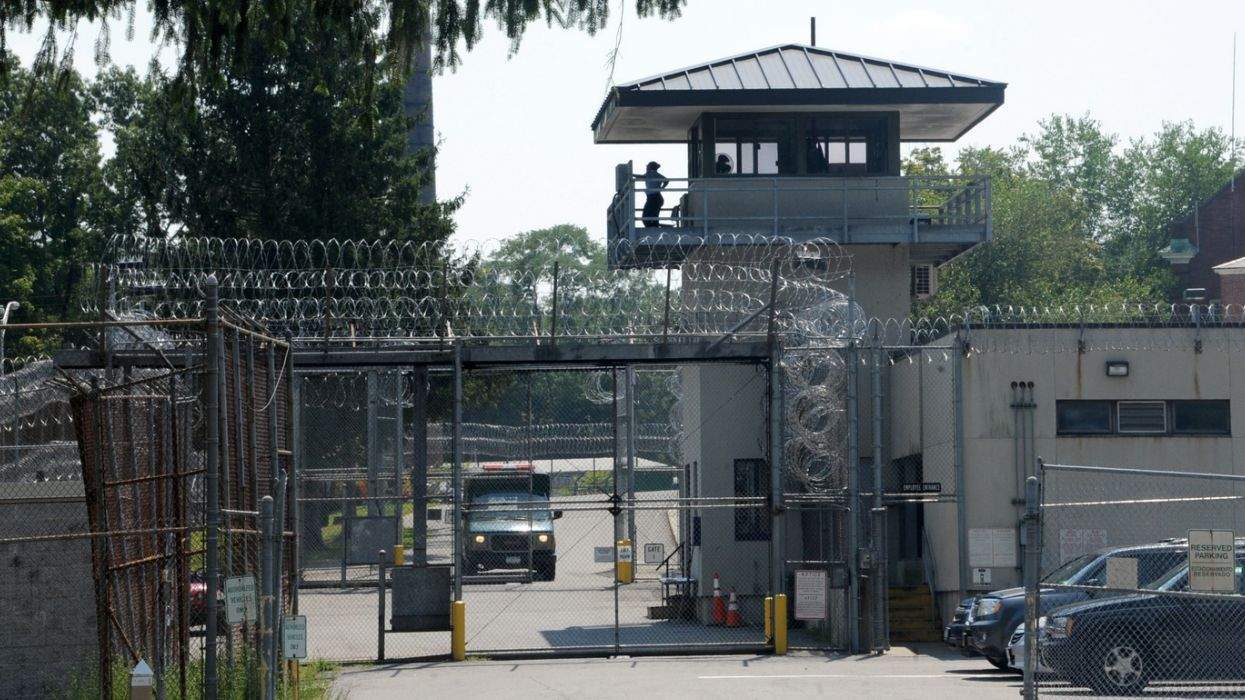
The ruling has drawn renewed attention because of conditions inside CECOT and the experiences of people sent there from the United States. One of the most closely followed cases is that of Andry Hernández Romero, a Venezuelan gay makeup artist without a criminal record, who sought asylum in the U.S. and passed a credible fear screening before being deported.
Related: Andry Hernández Romero, gay asylum seeker disappeared by Trump, part of prisoner swap
Related: Inside the movement that freed gay makeup artist Andry Hernández Romero from a hellhole
In an interview with The Advocate after his release, Hernández Romero described being detained in CECOT, suffering abuse by guards, and being held incommunicado without communication with the outside world. He was released after about four months as part of a prisoner exchange and sent to Venezuela, not returned to the United States.
“I want the world to know that being Venezuelan is not a crime," Hernández Romero told The Advocate.
Related: CECOT survivor Andry Hernández Romero, gay Venezuelan makeup artist, and his lawyer named to Out100
Related: Andry Hernández Romero explains how he survived CECOT after the U.S. government disappeared him
Advocates argue his case illustrates broader concerns that people were labeled gang members based on thin or questionable evidence and removed without a meaningful opportunity to contest those claims. Boasberg’s order does not resolve those underlying disputes, but it does require the government to provide a path for at least some plaintiffs to return and pursue them in court.
The Advocate contacted Hernández Romero’s legal team for comment on the ruling, but did not immediately receive a response.