'%3E%3Cpath d='M16.3574 35.6519H12.9537L15.0491 18.8873L16.3574 35.6519ZM30.4229 54.0093L22.309 0.994385H7.91795L0 54.0093H10.6634L11.5802 46.3855H17.4014L17.9914 54.0093H30.4229Z' fill='%23971B20'/%3E%3Cpath d='M48.2073 41.8813C48.2073 43.4049 47.4892 44.0011 46.1144 44.0011H43.7595V11.0687H46.1144C47.4892 11.0687 48.2073 11.6636 48.2073 13.1885V41.8813ZM59.5273 43.6695V11.3326C59.5273 3.71323 53.5729 0.994385 47.8157 0.994385H31.7213V54.0093H47.8157C53.5729 54.0093 59.5273 51.29 59.5273 43.6695Z' fill='%23971B20'/%3E%3Cpath d='M90.183 0.994385H78.6039L75.0711 30.6157L71.9955 0.994385H59.4346L69.2474 54.0093H80.373L90.183 0.994385Z' fill='%23971B20'/%3E%3Cpath d='M107.063 42.3448C107.063 43.7359 105.951 44.5974 104.643 44.5974C103.269 44.5974 102.157 43.7359 102.157 42.3448V12.658C102.157 11.2676 103.269 10.4058 104.643 10.4058C105.951 10.4058 107.063 11.2676 107.063 12.658V42.3448ZM119.233 43.2723V11.7312C119.233 6.36384 112.952 -3.8147e-06 104.643 -3.8147e-06C96.2667 -3.8147e-06 89.9867 6.36384 89.9867 11.7312V43.2723C89.9867 48.6393 96.2667 55 104.643 55C112.952 55 119.233 48.6393 119.233 43.2723Z' fill='%23971B20'/%3E%3Cpath d='M150.976 43.9349V33.7309H139.069V42.3448C139.069 43.7359 137.957 44.5974 136.582 44.5974C135.076 44.5974 133.964 43.7359 133.964 42.3448V12.658C133.964 11.2676 135.076 10.4058 136.582 10.4058C137.957 10.4058 139.069 11.2676 139.069 12.658V21.2723H150.976V11.0687C150.976 5.70107 145.283 -3.8147e-06 136.582 -3.8147e-06C127.75 -3.8147e-06 121.796 5.70107 121.796 11.0687V43.9349C121.796 49.3022 127.75 55 136.582 55C145.283 55 150.976 49.3022 150.976 43.9349Z' fill='%23971B20'/%3E%3Cpath d='M167.478 35.6519H164.076L166.17 18.8873L167.478 35.6519ZM181.544 54.0093L173.432 0.994385H159.037L151.123 54.0093H161.785L162.704 46.3855H168.523L169.114 54.0093H181.544Z' fill='%23971B20'/%3E%3Cpath d='M205.412 10.4058V0.994385H177.081V10.4058H185.392V54.0093H197.428V10.4058H205.412Z' fill='%23971B20'/%3E%3Cpath d='M230.002 54.0093V43.9349H218.914V31.8746H226.635V21.8028H218.914V10.4058H230.002V0.994385H206.875V54.0093H230.002Z' fill='%23971B20'/%3E%3C/g%3E%3Cdefs%3E%3CclipPath id='clip0_260_7080'%3E%3Crect width='230' height='55' fill='white'/%3E%3C/clipPath%3E%3C/defs%3E%3C/svg%3E)


Critics are heralding Milk as an exceptional film. Sean Penn was nominated for a Golden Globe and the film is up for eight Oscars including best actor, best director, and best film. Penn stars as the charismatic Harvey Milk, an Obama-like civil rights figure who builds unlikely coalitions and mobilizes the emerging gay rights movement. The film is timely as it depicts Milk's leadership in defeating a state proposition to bar gays from teaching, a ballot initiative eerily reminiscent of the recently passed Proposition 8 excluding same-sex couples from civil marriage in California. However, there's one way in which the film is not exceptional but rather utterly conventional: The gay guy ends up dead.
Dead gay men, lesbians, bisexuals, and transgender people abound in film, and they fall into two categories: ill (Tom Hanks in Philadelphia, Al Pacino in Angels in America, and Cherry Jones in What Makes a Family) or killed (Hilary Swank in Boys Don't Cry, Matthew Broderick in Torch Song Trilogy, and William Hurt in Kiss of the Spider Woman). LGBT characters who don't end up dead occupy limited and stereotypical roles: murderous (Charlize Theron in Monster and Matt Damon in The Talented Mr. Ripley), criminal (Will Smith in Six Degrees of Separation and Johnny Depp in Before Night Falls), frivolous (Martin Short in Father of the Bride and Rupert Everett in My Best Friend's Wedding), or unfulfilled (Philip Seymour Hoffman in Capote and Dennis Quaid in Far From Heaven). Judging by such films, Hollywood seems to believe the only stories about LGBT people worth telling are tragic ones.
If you think we are being selective, name three major Hollywood films without negative images of LGBT people.
These archetypes are not the product of a monolithic, homophobic Hollywood. In fact, it is often gay people and their allies who direct, produce, and act in these movies. However, when LGBT characters seen in film are disproportionately dead, dangerous, or disturbed, is it any wonder that they are considered less deserving of basic rights? These representations certainly evoke sympathy (or just pity), but perpetual victimhood can be both disenfranchising and self-fulfilling. Feeling sorry for someone doesn't make you want to treat them equally.
The problem cannot be solved by saccharine gay romantic comedies or feel-good after-school specials. There should be more nuanced and diverse representations of LGBT people in American cinema. We've seen plenty of wedding planners, activists, and writers. Where are the gay cops, judges, parents, and teachers? What about lesbian lawyers, grandmothers, singers, and bankers? What about gay people of color and interracial couples? Or bisexual and transgender people who are happy and self-assured? Where is the hard-working, family-loving, person-next-door who happens to be gay but whose role in the film is not premised on pathos?
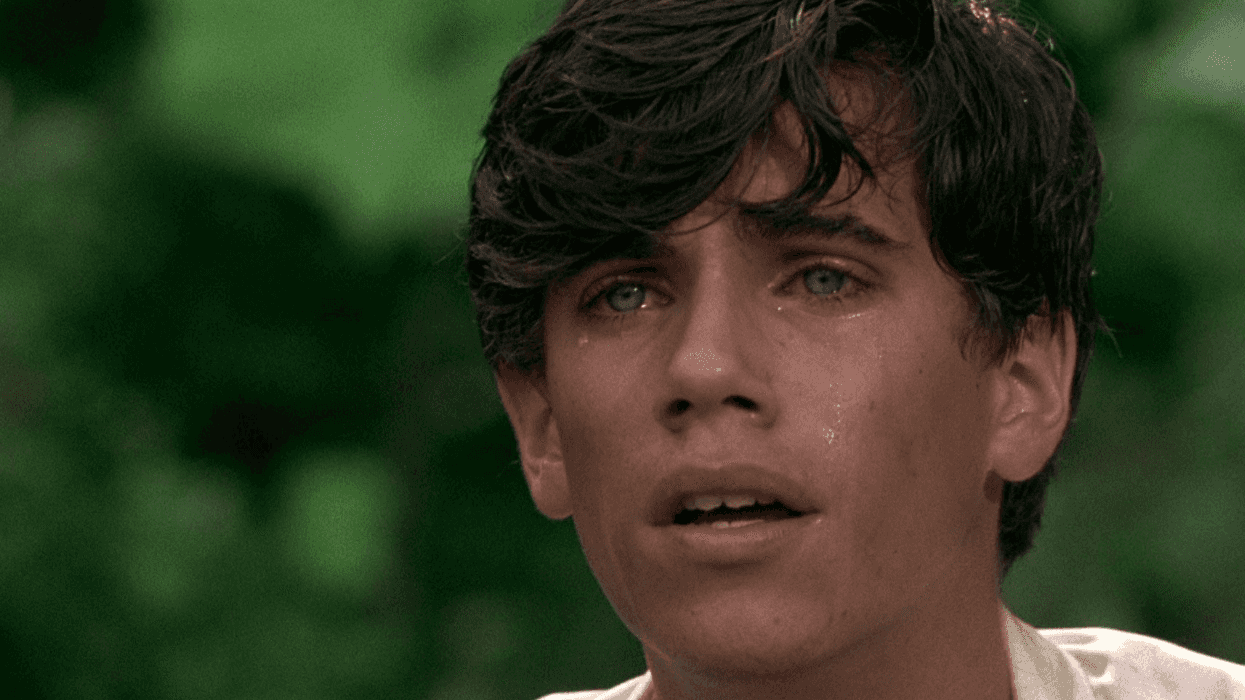
A recent exception to the stereotypical trend may be Brokeback Mountain, a sensitive and complex portrayal of the romantic relationship between two cowboys. In addition to wide critical acclaim, the film became the eighth-highest-grossing romantic drama in American film history. However, in the end, the film followed the same dead-gay-man pattern with the brutal beating of Jake Gyllenhaal's character.
Did he really need to die for it to be a great film?
These representations matter. Movies provide a lens through which we view history and understand ourselves and others. According to the Pew Research Center for the People and the Press, 60% of Americans do not have an openly gay relative or close friend, and only 25% of these people support same-sex marriage. In contrast, among the 40% of people with an openly gay relative or close friend, 55% support marriage equality.
If more film characters (and their nonfiction counterparts) come out of the closet, tell their stories, and show America that their experiences are similar to and as diverse as those of straight Americans, we might witness a time when more people in more states support equality over discrimination. Had Hollywood produced different types of gay characters on the silver screen, perhaps more people would have voted against Proposition 8 in California and other such ballot initiatives that have been passed in 30 states.
For now, though, we'll settle for a few films where the gay protagonist survives until the credits.