'%3E%3Cpath d='M16.3574 35.6519H12.9537L15.0491 18.8873L16.3574 35.6519ZM30.4229 54.0093L22.309 0.994385H7.91795L0 54.0093H10.6634L11.5802 46.3855H17.4014L17.9914 54.0093H30.4229Z' fill='%23971B20'/%3E%3Cpath d='M48.2073 41.8813C48.2073 43.4049 47.4892 44.0011 46.1144 44.0011H43.7595V11.0687H46.1144C47.4892 11.0687 48.2073 11.6636 48.2073 13.1885V41.8813ZM59.5273 43.6695V11.3326C59.5273 3.71323 53.5729 0.994385 47.8157 0.994385H31.7213V54.0093H47.8157C53.5729 54.0093 59.5273 51.29 59.5273 43.6695Z' fill='%23971B20'/%3E%3Cpath d='M90.183 0.994385H78.6039L75.0711 30.6157L71.9955 0.994385H59.4346L69.2474 54.0093H80.373L90.183 0.994385Z' fill='%23971B20'/%3E%3Cpath d='M107.063 42.3448C107.063 43.7359 105.951 44.5974 104.643 44.5974C103.269 44.5974 102.157 43.7359 102.157 42.3448V12.658C102.157 11.2676 103.269 10.4058 104.643 10.4058C105.951 10.4058 107.063 11.2676 107.063 12.658V42.3448ZM119.233 43.2723V11.7312C119.233 6.36384 112.952 -3.8147e-06 104.643 -3.8147e-06C96.2667 -3.8147e-06 89.9867 6.36384 89.9867 11.7312V43.2723C89.9867 48.6393 96.2667 55 104.643 55C112.952 55 119.233 48.6393 119.233 43.2723Z' fill='%23971B20'/%3E%3Cpath d='M150.976 43.9349V33.7309H139.069V42.3448C139.069 43.7359 137.957 44.5974 136.582 44.5974C135.076 44.5974 133.964 43.7359 133.964 42.3448V12.658C133.964 11.2676 135.076 10.4058 136.582 10.4058C137.957 10.4058 139.069 11.2676 139.069 12.658V21.2723H150.976V11.0687C150.976 5.70107 145.283 -3.8147e-06 136.582 -3.8147e-06C127.75 -3.8147e-06 121.796 5.70107 121.796 11.0687V43.9349C121.796 49.3022 127.75 55 136.582 55C145.283 55 150.976 49.3022 150.976 43.9349Z' fill='%23971B20'/%3E%3Cpath d='M167.478 35.6519H164.076L166.17 18.8873L167.478 35.6519ZM181.544 54.0093L173.432 0.994385H159.037L151.123 54.0093H161.785L162.704 46.3855H168.523L169.114 54.0093H181.544Z' fill='%23971B20'/%3E%3Cpath d='M205.412 10.4058V0.994385H177.081V10.4058H185.392V54.0093H197.428V10.4058H205.412Z' fill='%23971B20'/%3E%3Cpath d='M230.002 54.0093V43.9349H218.914V31.8746H226.635V21.8028H218.914V10.4058H230.002V0.994385H206.875V54.0093H230.002Z' fill='%23971B20'/%3E%3C/g%3E%3Cdefs%3E%3CclipPath id='clip0_260_7080'%3E%3Crect width='230' height='55' fill='white'/%3E%3C/clipPath%3E%3C/defs%3E%3C/svg%3E)
Updated: Don Lemon faces judge who rejected DOJ’s previous attempt to charge him with a crime
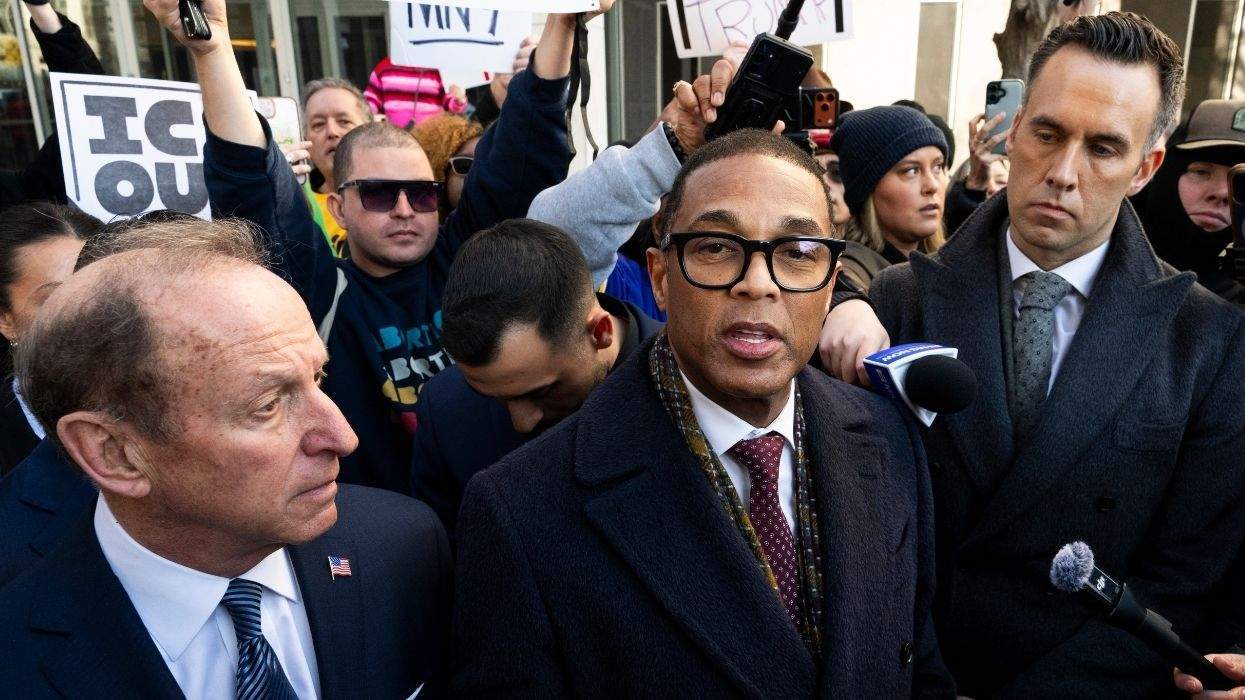
Don Lemon walked out of federal court Friday and described the day’s proceedings as something larger than a calendar entry on a criminal docket. Thanking supporters clustered near the courthouse entrance, the gay Black former CNN anchor turned independent journalist said the case “isn’t just about me,” calling the First Amendment “the bedrock of our democracy. He vowed to fight what he described as baseless charges and said he would not be intimidated.
Keep up with the latest in LGBTQ+ news and politics. Sign up for The Advocate's email newsletter.
Inside the courtroom, Lemon’s lawyers revealed a detail that gave those words a sharper edge: the Department of Homeland Security is in possession of his phone. The defense told the judge the events at issue are narrowly time-limited and said they are working to prevent the government from accessing information unrelated to the case, such as materials journalists keep on their devices to protect sources and do their work.
Related: Pam Bondi's mad after judge rejects charging Don Lemon over his Minnesota church reporting
Related: Don Lemon at HRC dinner: 'When the First Amendment becomes optional, democracy becomes hollow'
Related: White House celebrates Don Lemon’s arrest with meme as press freedom groups and Dems outraged
That dispute is not incidental. In contemporary reporting, a phone is less a tool than an archive: years of notes, source lists, drafts, and communications that often have nothing to do with any single assignment. Lemon’s attorneys argued that unfettered access risks exposing confidential sources and unrelated reporting, effectively turning a criminal case into a back-door search of a journalist’s professional life. The concern is as old as reporters’ privilege and as new as cloud backups: if sources believe their communications can be swept into an investigation, they are less likely to speak at all.
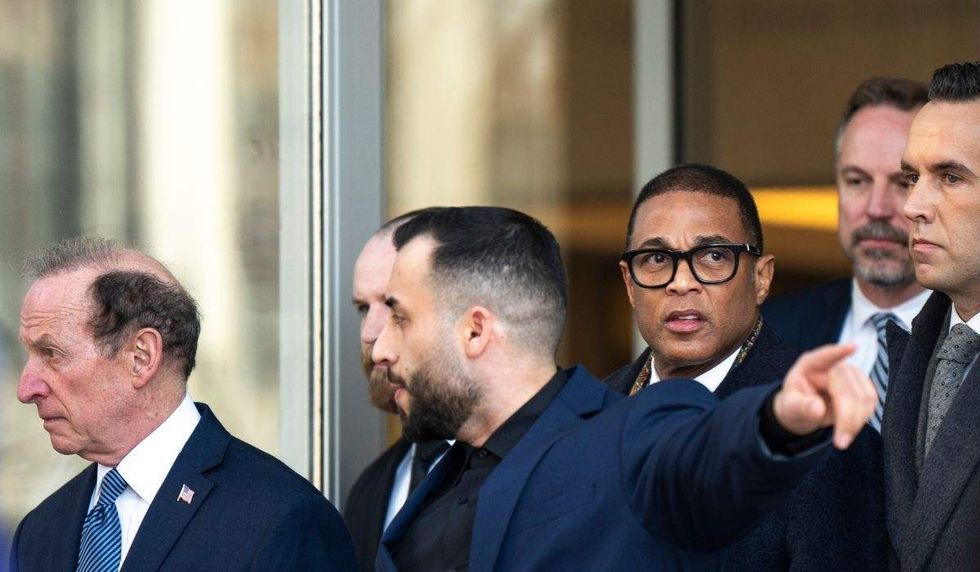 Journalist Don Lemon leaves with his legal team after an arraignment hearing at the Warren E. Burger Federal Building and U.S. Courthouse on February 13, 2026 in St. Paul, Minnesota. Stephen Maturen/Getty Images
Lemon’s remarks outside the court translated legal anxiety into civic anxiety. With his attorneys and husband, Tim Malone, by his side, Lemon said he has spent more than three decades working under the protection of the First Amendment and suggested that pressure applied through the legal proceedings can deter reporting long before any verdict is reached. He warned that “the process is the punishment.”
The case rests on the Trump Justice Department’s displeasure with Lemon’s coverage of a protest inside a Minnesota church last month. Demonstrators disrupted a worship service in St. Paul after learning that one of the church’s pastors was serving as an acting director of an ICE field office. Lemon interviewed protesters, congregants, and a pastor and livestreamed portions of the scene.
Prosecutors claim that this conduct, along with his knowledge of the protest before it happened, makes his coverage criminal. Lemon and his legal team counter that he was performing the regular functions of reporting, including observing, recording, and asking questions, and that criminalizing those acts threatens press freedom.
Related: The racist, homophobic, and frightening arrest of Don Lemon
Related: Don Lemon defiant in first remarks after arrest and release from federal custody
Related: What to know about Don Lemon, the gay journalist arrested by the Trump administration
The prosecution’s path has been unusually circuitous. Before a grand jury returned an indictment, judges declined to greenlight the government’s initial effort to proceed, forcing prosecutors to change course and seek charges through a different route. The case also swept in another journalist, Georgia Fort, who serves in leadership of the local National Association of Black Journalists chapter. Her arrest intensified concern among media organizations that the line between documenting a protest and being accused of joining it is being dangerously blurred.
Press freedom groups, including the International Women’s Media Foundation, the National Association of Black Journalists, and NLGJA: The Association of LGBTQ+ Journalists, have warned that the case risks chilling coverage of protests and other politically charged events. A person close to Lemon told The Advocate that he plans to continue hosting his regular online show and reporting as the situation progresses.
Lemon told reporters after the hearing, “I will fight these baseless charges, and I will not be silenced.”