'%3E%3Cpath d='M16.3574 35.6519H12.9537L15.0491 18.8873L16.3574 35.6519ZM30.4229 54.0093L22.309 0.994385H7.91795L0 54.0093H10.6634L11.5802 46.3855H17.4014L17.9914 54.0093H30.4229Z' fill='%23971B20'/%3E%3Cpath d='M48.2073 41.8813C48.2073 43.4049 47.4892 44.0011 46.1144 44.0011H43.7595V11.0687H46.1144C47.4892 11.0687 48.2073 11.6636 48.2073 13.1885V41.8813ZM59.5273 43.6695V11.3326C59.5273 3.71323 53.5729 0.994385 47.8157 0.994385H31.7213V54.0093H47.8157C53.5729 54.0093 59.5273 51.29 59.5273 43.6695Z' fill='%23971B20'/%3E%3Cpath d='M90.183 0.994385H78.6039L75.0711 30.6157L71.9955 0.994385H59.4346L69.2474 54.0093H80.373L90.183 0.994385Z' fill='%23971B20'/%3E%3Cpath d='M107.063 42.3448C107.063 43.7359 105.951 44.5974 104.643 44.5974C103.269 44.5974 102.157 43.7359 102.157 42.3448V12.658C102.157 11.2676 103.269 10.4058 104.643 10.4058C105.951 10.4058 107.063 11.2676 107.063 12.658V42.3448ZM119.233 43.2723V11.7312C119.233 6.36384 112.952 -3.8147e-06 104.643 -3.8147e-06C96.2667 -3.8147e-06 89.9867 6.36384 89.9867 11.7312V43.2723C89.9867 48.6393 96.2667 55 104.643 55C112.952 55 119.233 48.6393 119.233 43.2723Z' fill='%23971B20'/%3E%3Cpath d='M150.976 43.9349V33.7309H139.069V42.3448C139.069 43.7359 137.957 44.5974 136.582 44.5974C135.076 44.5974 133.964 43.7359 133.964 42.3448V12.658C133.964 11.2676 135.076 10.4058 136.582 10.4058C137.957 10.4058 139.069 11.2676 139.069 12.658V21.2723H150.976V11.0687C150.976 5.70107 145.283 -3.8147e-06 136.582 -3.8147e-06C127.75 -3.8147e-06 121.796 5.70107 121.796 11.0687V43.9349C121.796 49.3022 127.75 55 136.582 55C145.283 55 150.976 49.3022 150.976 43.9349Z' fill='%23971B20'/%3E%3Cpath d='M167.478 35.6519H164.076L166.17 18.8873L167.478 35.6519ZM181.544 54.0093L173.432 0.994385H159.037L151.123 54.0093H161.785L162.704 46.3855H168.523L169.114 54.0093H181.544Z' fill='%23971B20'/%3E%3Cpath d='M205.412 10.4058V0.994385H177.081V10.4058H185.392V54.0093H197.428V10.4058H205.412Z' fill='%23971B20'/%3E%3Cpath d='M230.002 54.0093V43.9349H218.914V31.8746H226.635V21.8028H218.914V10.4058H230.002V0.994385H206.875V54.0093H230.002Z' fill='%23971B20'/%3E%3C/g%3E%3Cdefs%3E%3CclipPath id='clip0_260_7080'%3E%3Crect width='230' height='55' fill='white'/%3E%3C/clipPath%3E%3C/defs%3E%3C/svg%3E)
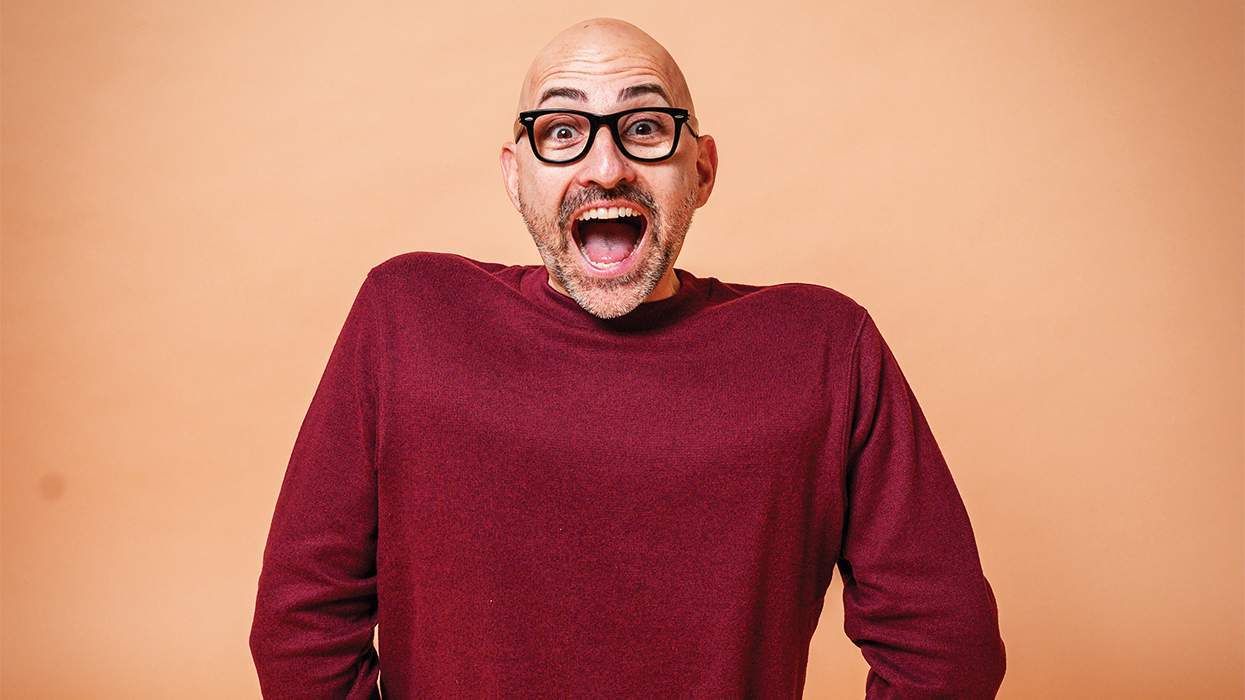

From the moment he took his first breath, Spencer West has been defying others’ expectations of him, including climbing Mount Kilimanjaro.
West was born with sacral agenesis, a congenital disorder that affects the development of the lower spine, and his legs were amputated when he was 5 years old. Though his family and doctors tried to help him walk “normally” with prosthetics, West quickly learned that walking on his hands was easier. It was then he also learned the lesson that would stick with him until adulthood, and the one he’s based his upcoming autobiography on — that it’s simply easier to be yourself than to do what others think you should.
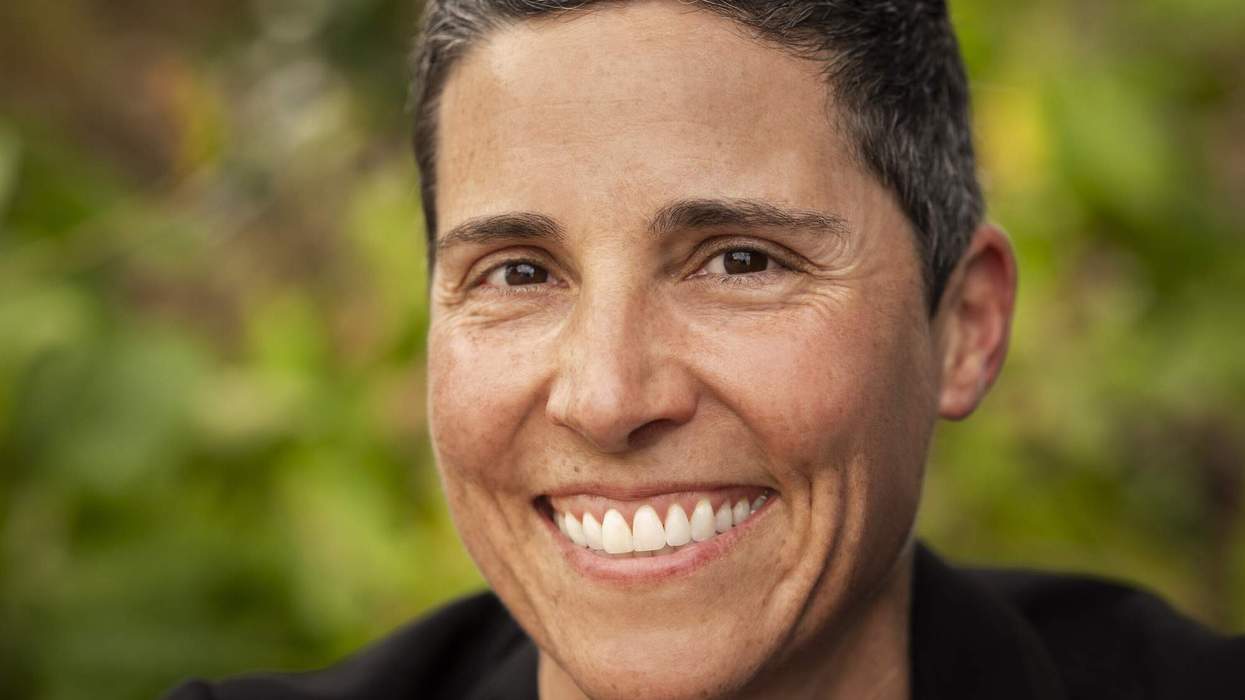
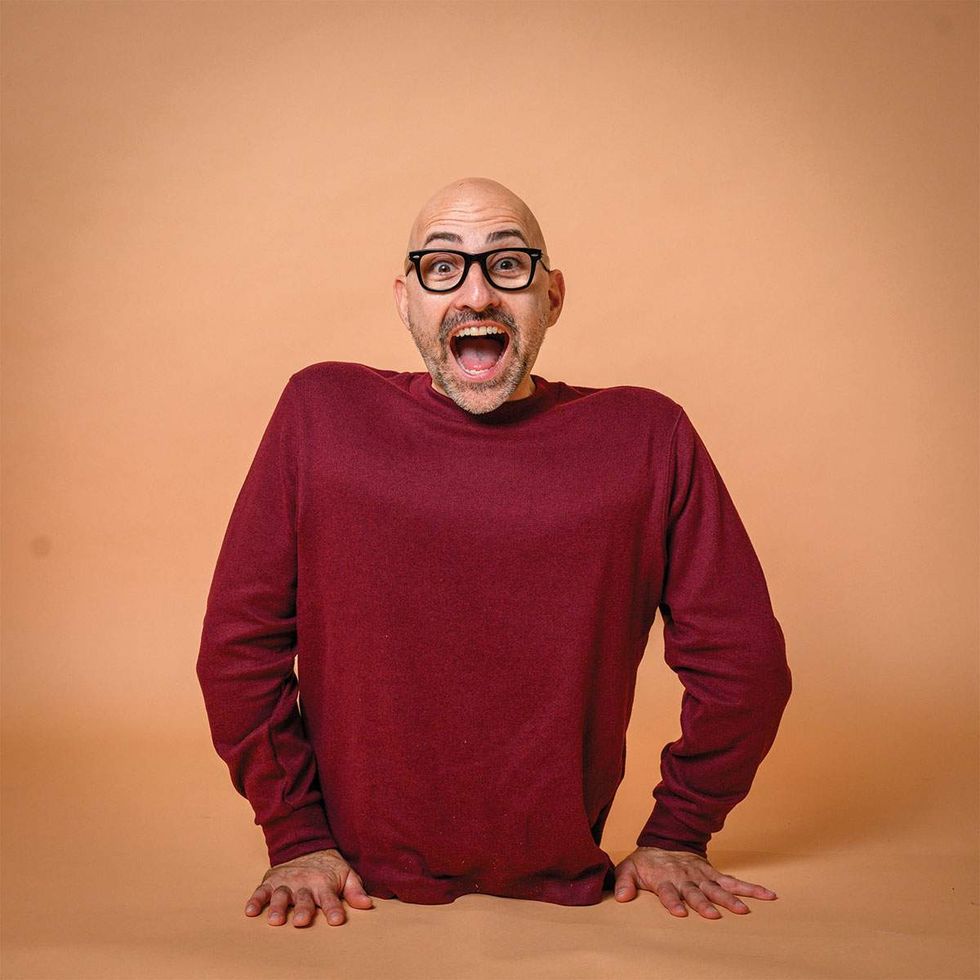 Author and disability activist Spencer WestRyan Bolton
“There are a lot of expectations that the world puts on us, specifically as queer people and disabled people,” West says. “Over the last 45 years of my life, I’ve discovered the things that helped me break out of all these expectations. From the time that I was born, people wanted me to walk. The doctor wanted me to use prosthetics, but those didn’t work for me. I had this expectation that I should marry a woman and have a family, and that wasn’t for me either. I’m a gay man, and [my partner and I] chose not to have children.”
Breaking Free: Stop Following Expectations and Start Following Yourself tells the story of West’s life, from the bullying he experienced growing up to his career as an LGBTQ+ and disability activist with over 4 million followers across platforms. Whether in the dating scene or atop Africa’s tallest mountain, West hasn’t let labels define him, though that doesn’t mean they haven’t come without challenges.
West has never thought his disability was out of the ordinary — after all, it’s what he’s used to. Instead, it was other people’s reactions that have made him feel othered. The problem persists even in LGBTQ+ spaces, known for their progressiveness and acceptance.
 Spencer West at a speaking engagementcourtesy Spencer West
“More often than not, queer spaces are not accessible,” West says. “I often feel like I’m kept out on purpose, or there will be accessibility, but you have to go in the alley or in the back. It doesn’t feel great to know that’s what you’re worth and how you’re seen.”
“I found dating challenging too until I met my partner. I never used to think that my disability was an issue, so I didn’t bring it up,” he continues.“Then, as I started dating and would disclose I have a disability, people would be so upset that I didn’t tell them that before. It often felt like a second coming-out.”
West credits his loved ones with getting him through some of life’s darker moments. The same support system would help him climb Mount Kilimanjaro in 2012, embarking together on an eight-day journey that raised over $750,000 for sustainable water in East Africa. West trained for several months in order to achieve the feat, doing exercises in his shoulders, elbows, and wrists. He initially intended to do about 50 percent of the climb in his wheelchair and 50 percent by hand, but estimates now that he ended up doing over 80 percent on his hands.
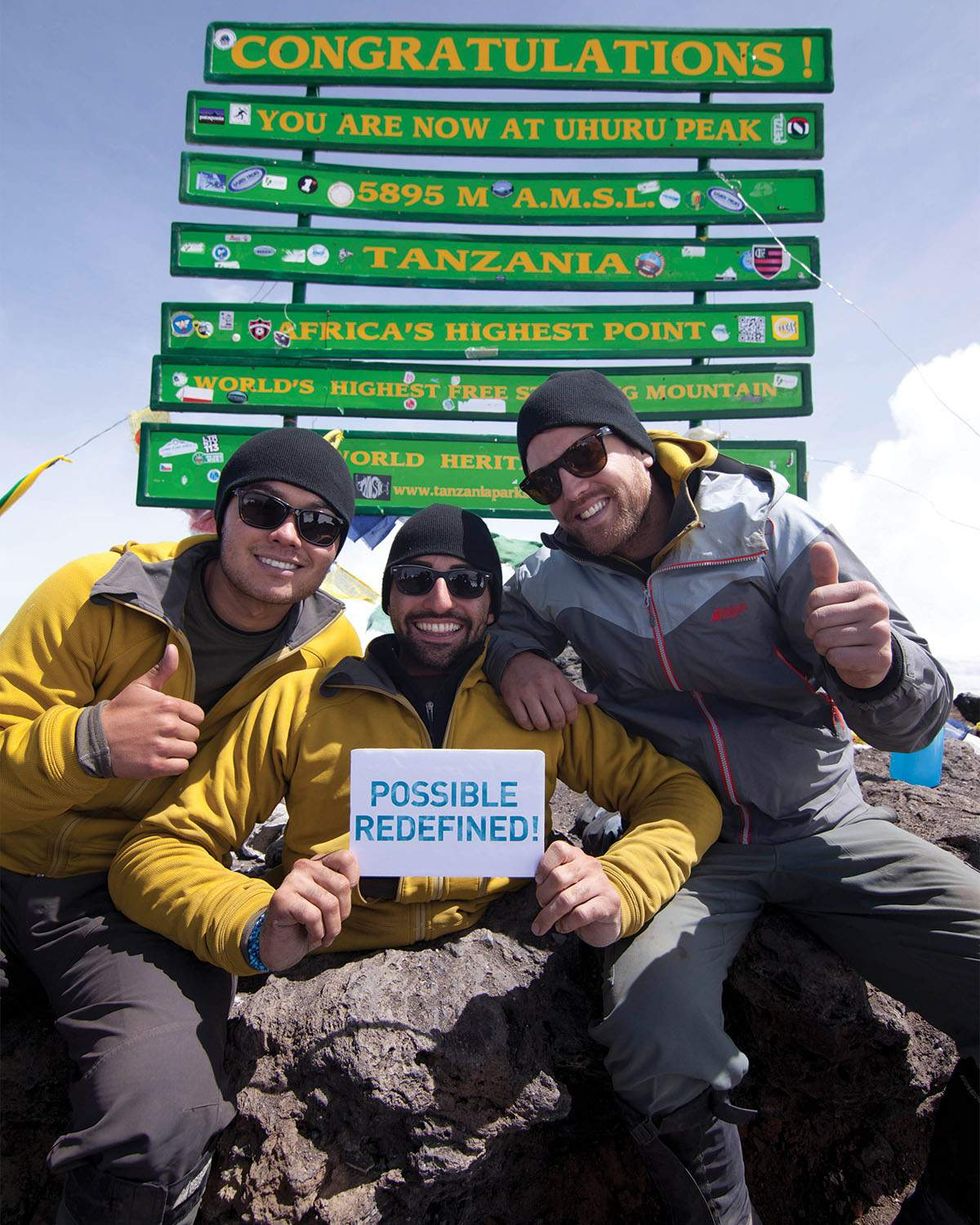 West and fellow climbers celebrate reaching the peak of Mount Kilimanjarocourtesy Spencer West
“We didn’t know what the climb was going to be like, so we wanted to take care of everything and give us our best chance to get to the top,” West says. “It’s not necessarily a technical climb, Kilimanjaro, but it’s a lot on your body.”
West believes that everyone, regardless of ability or sexuality, will be able to take something away from his autobiography, which releases May 12. He hopes readers will “stop listening to expectations and start listening to our heart and what feels right for us,” as he knows from experience that once we do, “our lives change.”
“This book is all the lessons that I’ve learned over the last 45 years of how I broke free of those expectations that other people put on me, to live the life that I wanted and to follow my heart,” West says. “Because what I found is every time that I did something that felt right to me, it worked.”
This article is part of The Advocate’s Mar-Apr 2026 print issue, now on newsstands. Support queer media and subscribe — or download the issue through Apple News+, Zinio, Nook, or PressReader.