'%3E%3Cpath d='M16.3574 35.6519H12.9537L15.0491 18.8873L16.3574 35.6519ZM30.4229 54.0093L22.309 0.994385H7.91795L0 54.0093H10.6634L11.5802 46.3855H17.4014L17.9914 54.0093H30.4229Z' fill='%23971B20'/%3E%3Cpath d='M48.2073 41.8813C48.2073 43.4049 47.4892 44.0011 46.1144 44.0011H43.7595V11.0687H46.1144C47.4892 11.0687 48.2073 11.6636 48.2073 13.1885V41.8813ZM59.5273 43.6695V11.3326C59.5273 3.71323 53.5729 0.994385 47.8157 0.994385H31.7213V54.0093H47.8157C53.5729 54.0093 59.5273 51.29 59.5273 43.6695Z' fill='%23971B20'/%3E%3Cpath d='M90.183 0.994385H78.6039L75.0711 30.6157L71.9955 0.994385H59.4346L69.2474 54.0093H80.373L90.183 0.994385Z' fill='%23971B20'/%3E%3Cpath d='M107.063 42.3448C107.063 43.7359 105.951 44.5974 104.643 44.5974C103.269 44.5974 102.157 43.7359 102.157 42.3448V12.658C102.157 11.2676 103.269 10.4058 104.643 10.4058C105.951 10.4058 107.063 11.2676 107.063 12.658V42.3448ZM119.233 43.2723V11.7312C119.233 6.36384 112.952 -3.8147e-06 104.643 -3.8147e-06C96.2667 -3.8147e-06 89.9867 6.36384 89.9867 11.7312V43.2723C89.9867 48.6393 96.2667 55 104.643 55C112.952 55 119.233 48.6393 119.233 43.2723Z' fill='%23971B20'/%3E%3Cpath d='M150.976 43.9349V33.7309H139.069V42.3448C139.069 43.7359 137.957 44.5974 136.582 44.5974C135.076 44.5974 133.964 43.7359 133.964 42.3448V12.658C133.964 11.2676 135.076 10.4058 136.582 10.4058C137.957 10.4058 139.069 11.2676 139.069 12.658V21.2723H150.976V11.0687C150.976 5.70107 145.283 -3.8147e-06 136.582 -3.8147e-06C127.75 -3.8147e-06 121.796 5.70107 121.796 11.0687V43.9349C121.796 49.3022 127.75 55 136.582 55C145.283 55 150.976 49.3022 150.976 43.9349Z' fill='%23971B20'/%3E%3Cpath d='M167.478 35.6519H164.076L166.17 18.8873L167.478 35.6519ZM181.544 54.0093L173.432 0.994385H159.037L151.123 54.0093H161.785L162.704 46.3855H168.523L169.114 54.0093H181.544Z' fill='%23971B20'/%3E%3Cpath d='M205.412 10.4058V0.994385H177.081V10.4058H185.392V54.0093H197.428V10.4058H205.412Z' fill='%23971B20'/%3E%3Cpath d='M230.002 54.0093V43.9349H218.914V31.8746H226.635V21.8028H218.914V10.4058H230.002V0.994385H206.875V54.0093H230.002Z' fill='%23971B20'/%3E%3C/g%3E%3Cdefs%3E%3CclipPath id='clip0_260_7080'%3E%3Crect width='230' height='55' fill='white'/%3E%3C/clipPath%3E%3C/defs%3E%3C/svg%3E)
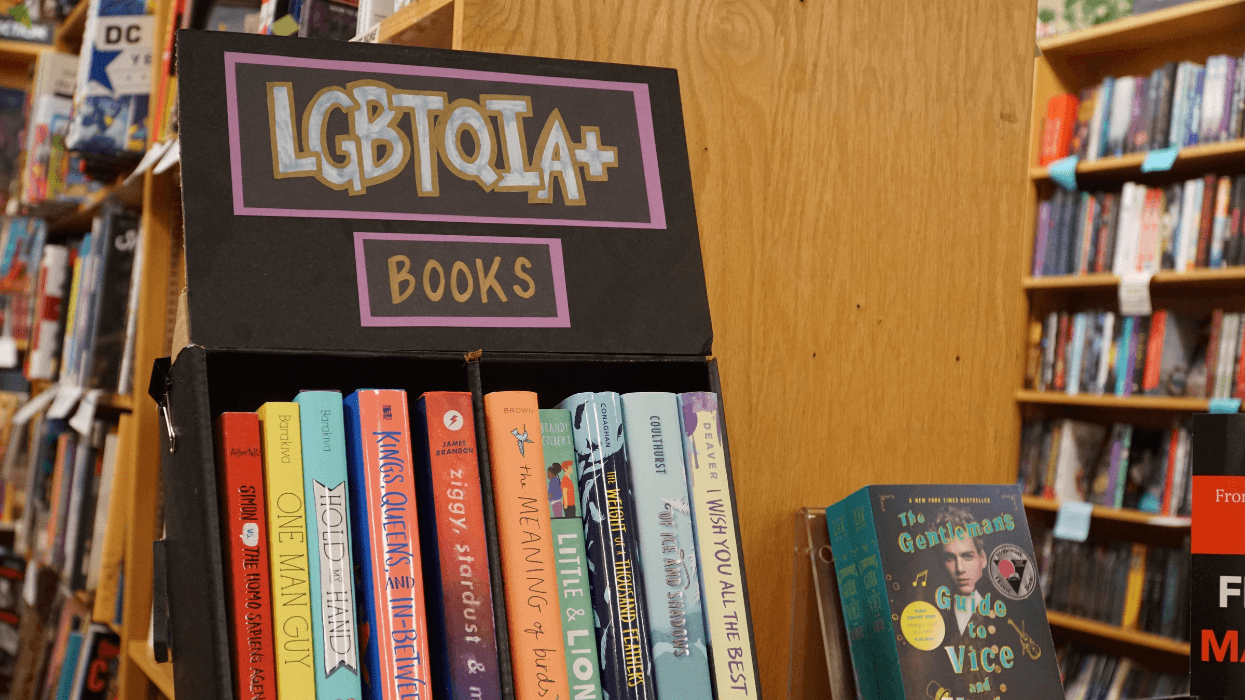
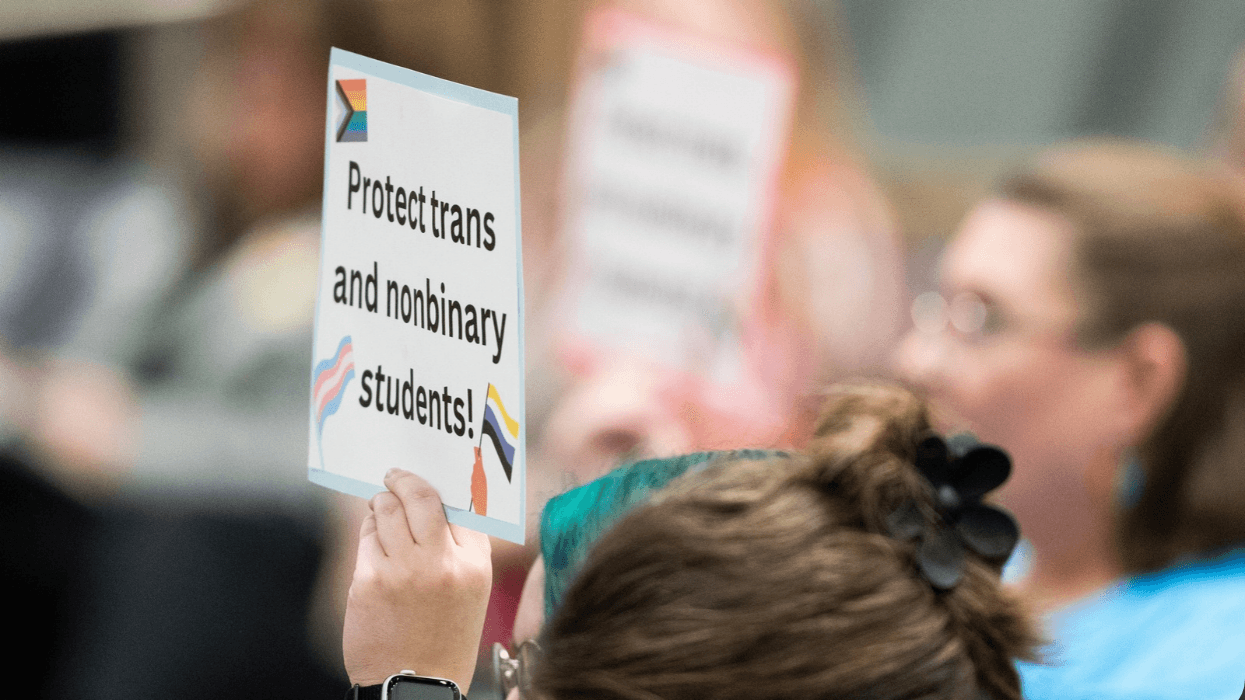
Across the U.S., a campaign to seclude and suppress queer and trans lives from public visibility is continuing to spread. In public schools, libraries, universities, art galleries, museums, government websites, and national monuments, we are seeing art, books, terms, and symbols of LGBTQ+ identity disappear at a quickening pace.
We don’t need to wonder where this is coming from or where it’s going. Wielding state power against LGBTQ+ communities has been a hallmark of authoritarian regimes.
In Nazi Germany, LGBTQ+ culture and literature was purged as “un-German.” More recently in Putin’s Russia and Orban’s Hungary, officials have claimed children need “protection” from LGBTQ+ “propaganda,” rhetoric used to justify not only strict controls on LGBTQ+ topics in schools and universities, but also restrictions on museum exhibitions and across media, film, books and advertisements.
This didn't begin with Trump’s re-election, but the current administration is applying the playbook well, declaring in executive orders that “gender ideology” is “anti-American,” and that the government needs to protect children from what they claim is “indoctrination,” – including the basic fact that queer and trans people exist. In Congress, there is now not one, but three bills gaining traction that would implement anti-LGBTQ+ restrictions on certain federal education funds.
As with Florida’s 2022 “Don’t Say Gay” law that clearly echoes Russia’s 2013 law prohibiting showing “propaganda of non-traditional sexual relations” to minors, this trio of Congressional bills (H.R. 2616, H.R. 8705, and H.R. 7661) each seeks to weaponize funding to prevent schools teaching about made-up terms, largely pulled from Trump executive orders: “gender ideology,” “transgenderism,” “divisive equity ideology,” and “sexually oriented material.” Censors often resort to vague language like this, but the intention behind it is clear: to exclude trans and queer representation in schools. All three bills have already made it past committee, and just last month, H.R. 2616, alarmingly, passed the House with a combination of votes from Republicans and several Democrats.
Authoritarians target public schools because they are a convenient site for advancing mass cultural change, a place where the government can have the most impact on what young people are allowed to learn and think. It’s an unsettling point, but if the goal is to enact an extreme agenda to enforce a homogenous national identity, schools are a good bet to mold minds.
Despite the Supreme Court’s adage that “no official, high or petty, can prescribe what shall be orthodox in politics, nationalism, religion, or other matters of opinion,” we have seen government officials use their offices to do just that, bypassing the First Amendment and passing laws and policies to exclude and erase LGBTQ+ identities from our institutions.
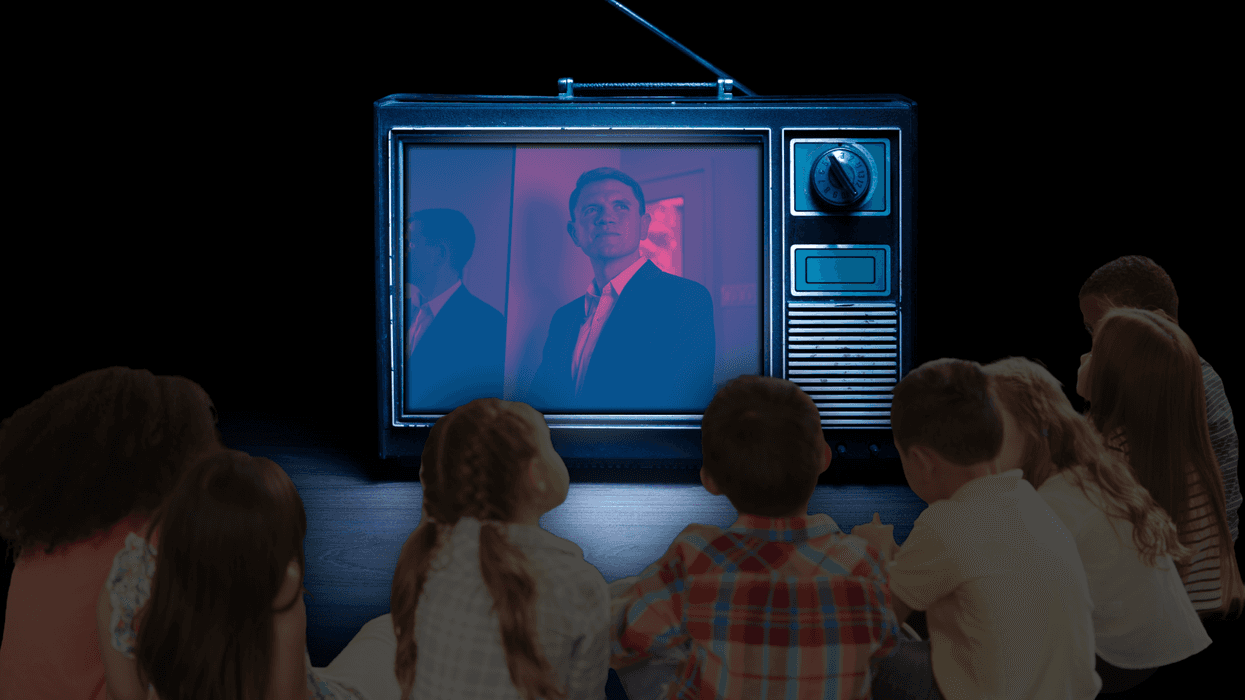
The work of remaking popular culture through official state repression cannot be accomplished overnight. That’s why the campaign to purge LGBTQ+ expression is continuing to evolve, from banning books to prohibiting music, from closing DEI offices to defunding research on LGBTQ+ public health, to dismantling gender studies as an academic field. Texas Tech university has recently moved to prohibit any teaching or student research projects that “center on” gender or sexuality whatsoever. And we are seeing public library funding threatened in more communities over books with trans or queer representation. The current FCC has taken up the cause too, recently announcing it was weighing adding viewer warnings to alert parents to any “transgender or nonbinary programming.”
These censorship tactics are moving from classrooms to campuses and from libraries to living rooms with increasing ease, because the ideologues behind this will not be satisfied until their project of suppression is complete.
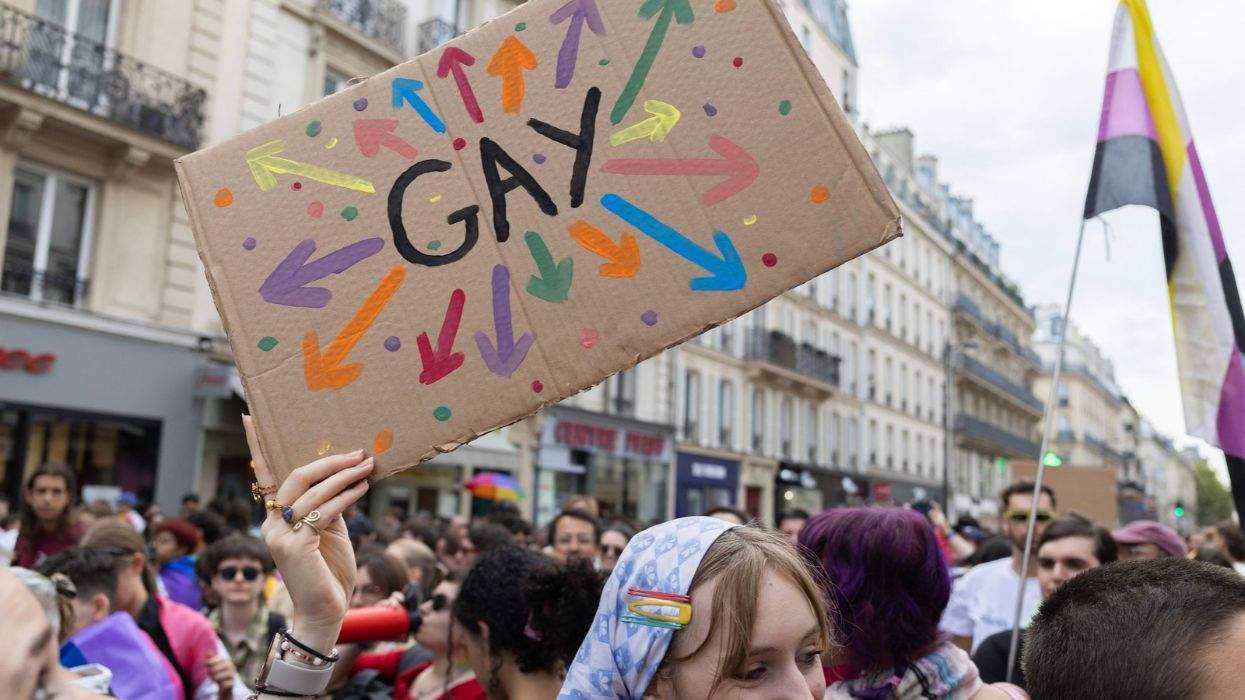
This aggressive campaign has not yet led to what we’ve seen in other authoritarian regimes –a ban on pride celebrations, prohibition of LGBTQ+ people on primetime TV, government fines for retailers selling books like Heartstopper or websites streaming shows like Heated Rivalry. But anti-LGBTQ+ policy never ends at censorship alone. Though vetoed, Hungary passed a law in 2023 that would have allowed citizens to report same-sex families and trans-affirming parents; and Russia continues to arrest and prosecute people for so much as having a rainbow pride flag on display or publishing LGBTQ+ books. In Germany, where they burned books, they later burned people.
In the U.S. we are now in danger of repeating that pattern, as progress made for LGBTQ+ rights in the decades since the “Lavender Scare” of the 1950s and the height of the AIDS epidemic is being reversed. Already at the state level, prohibitions on gender-affirming care and a law revoking state IDs for trans people have been enacted, and a number of state lawmakers are campaigning to end marriage equality.
For the LGBTQ+ community, the message from these actions is clear: we are not supposed to live authentically nor be seen or heard in public life. With our educational and cultural institutions running full steam ahead with our erasure, we know that without serious intervention, things will not stop there.
Jonathan Friedman oversees PEN America's U.S. efforts to protect free expression, including the freedom to write, read, and learn. Madison Markham is program coordinator for PEN America's Freedom to Read program, which works to combat book bans and censorship in schools and libraries.
Opinion is dedicated to featuring a wide range of inspiring personal stories and impactful opinions from the LGBTQ+ community and its allies. Visit Advocate.com/submit to learn more about submission guidelines. We welcome your thoughts and feedback on any of our stories. Email us at voices@equalpride.com. Views expressed in Voices stories are those of the guest writers, columnists, and editors, and do not directly represent the views of The Advocate or our parent company, equalpride.