'%3E%3Cpath d='M16.3574 35.6519H12.9537L15.0491 18.8873L16.3574 35.6519ZM30.4229 54.0093L22.309 0.994385H7.91795L0 54.0093H10.6634L11.5802 46.3855H17.4014L17.9914 54.0093H30.4229Z' fill='%23971B20'/%3E%3Cpath d='M48.2073 41.8813C48.2073 43.4049 47.4892 44.0011 46.1144 44.0011H43.7595V11.0687H46.1144C47.4892 11.0687 48.2073 11.6636 48.2073 13.1885V41.8813ZM59.5273 43.6695V11.3326C59.5273 3.71323 53.5729 0.994385 47.8157 0.994385H31.7213V54.0093H47.8157C53.5729 54.0093 59.5273 51.29 59.5273 43.6695Z' fill='%23971B20'/%3E%3Cpath d='M90.183 0.994385H78.6039L75.0711 30.6157L71.9955 0.994385H59.4346L69.2474 54.0093H80.373L90.183 0.994385Z' fill='%23971B20'/%3E%3Cpath d='M107.063 42.3448C107.063 43.7359 105.951 44.5974 104.643 44.5974C103.269 44.5974 102.157 43.7359 102.157 42.3448V12.658C102.157 11.2676 103.269 10.4058 104.643 10.4058C105.951 10.4058 107.063 11.2676 107.063 12.658V42.3448ZM119.233 43.2723V11.7312C119.233 6.36384 112.952 -3.8147e-06 104.643 -3.8147e-06C96.2667 -3.8147e-06 89.9867 6.36384 89.9867 11.7312V43.2723C89.9867 48.6393 96.2667 55 104.643 55C112.952 55 119.233 48.6393 119.233 43.2723Z' fill='%23971B20'/%3E%3Cpath d='M150.976 43.9349V33.7309H139.069V42.3448C139.069 43.7359 137.957 44.5974 136.582 44.5974C135.076 44.5974 133.964 43.7359 133.964 42.3448V12.658C133.964 11.2676 135.076 10.4058 136.582 10.4058C137.957 10.4058 139.069 11.2676 139.069 12.658V21.2723H150.976V11.0687C150.976 5.70107 145.283 -3.8147e-06 136.582 -3.8147e-06C127.75 -3.8147e-06 121.796 5.70107 121.796 11.0687V43.9349C121.796 49.3022 127.75 55 136.582 55C145.283 55 150.976 49.3022 150.976 43.9349Z' fill='%23971B20'/%3E%3Cpath d='M167.478 35.6519H164.076L166.17 18.8873L167.478 35.6519ZM181.544 54.0093L173.432 0.994385H159.037L151.123 54.0093H161.785L162.704 46.3855H168.523L169.114 54.0093H181.544Z' fill='%23971B20'/%3E%3Cpath d='M205.412 10.4058V0.994385H177.081V10.4058H185.392V54.0093H197.428V10.4058H205.412Z' fill='%23971B20'/%3E%3Cpath d='M230.002 54.0093V43.9349H218.914V31.8746H226.635V21.8028H218.914V10.4058H230.002V0.994385H206.875V54.0093H230.002Z' fill='%23971B20'/%3E%3C/g%3E%3Cdefs%3E%3CclipPath id='clip0_260_7080'%3E%3Crect width='230' height='55' fill='white'/%3E%3C/clipPath%3E%3C/defs%3E%3C/svg%3E)

In 2017, as the United States closed its doors to refugees from Muslim-majority countries, 60 Minutes aired a segment on Canada’s Syrian refugee program that was measured, humane, and quietly devastating in its contrast. Families were arriving, being resettled, building lives within a system that, while imperfect, still operated on the premise that refuge was something to be extended rather than withheld. Watching that from the United States, where policy had shifted toward restriction and exclusion, made it difficult to ignore the distance between what this country had long claimed to represent and what it was willing to do in practice.
At the time, I still believed that what we were seeing was a deviation rather than a transformation, a departure from a broader national identity that, at its best, positioned the United States as a place where people fleeing violence and persecution could arrive not only in safety but with some expectation of dignity. That belief was not abstract to me; it felt like one of the country’s most meaningful claims about itself, and watching it begin to erode carried a sense of loss that was both political and personal.
Around that same period, I stepped into a leadership role at the Girl Scouts of the USA, which, for the first time in my career, gave me enough institutional footing to move beyond observation and into action. I began looking for someone already doing the work, someone whose efforts could be amplified rather than invented.
Related: Lawyers alarmed by immigration judge's 'atrocious' questions for gay asylum seekers
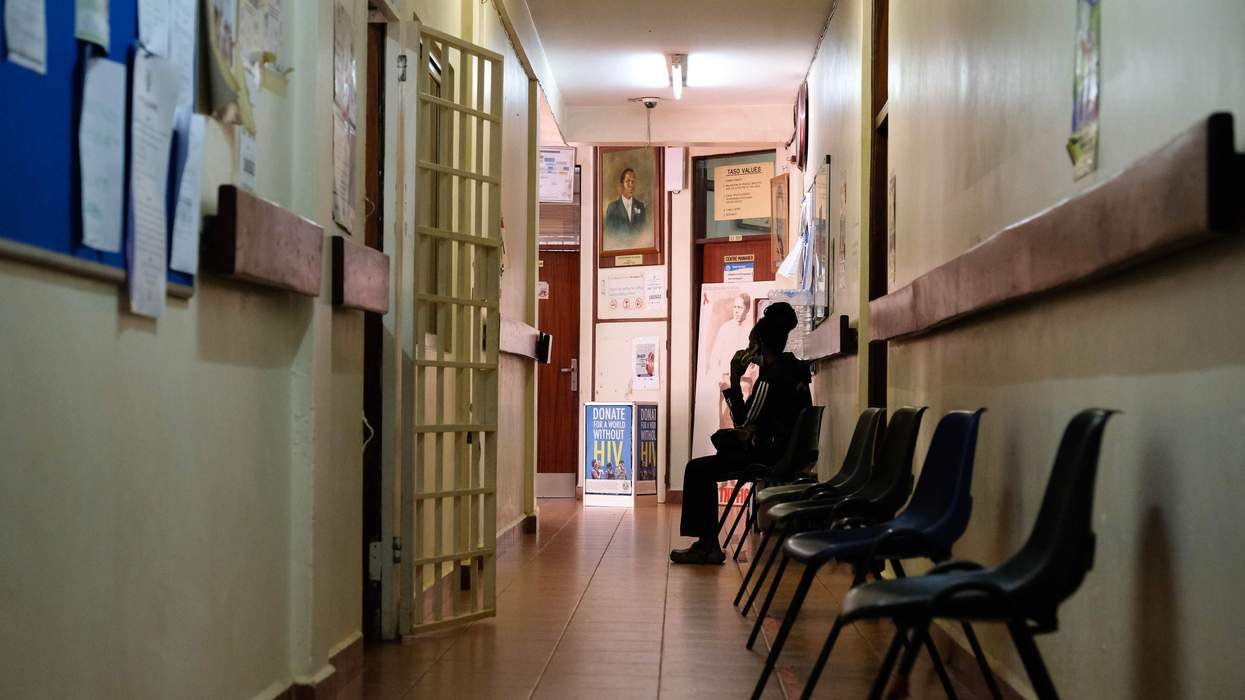
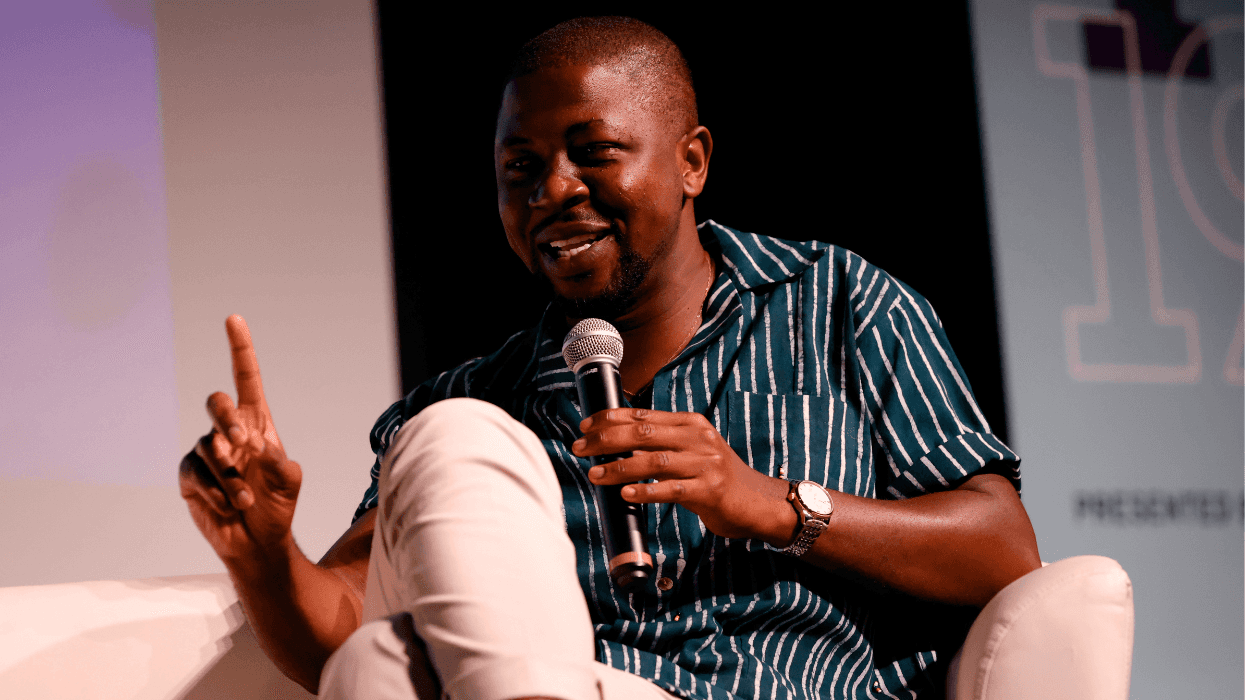
That search led me to Edafe Okporo, who had come to the United States as an asylum seeker after fleeing anti-gay violence in Nigeria and had since built a shelter supporting LGBTQ+ asylum seekers navigating a system that is as often hostile as it is bureaucratic. When I first reached out, his response was direct and entirely justified: he did not trust white people. I told him that it made complete sense and asked for the opportunity to prove otherwise. What followed was a working relationship that began on a pro bono basis and developed into a long-term collaboration focused on building visibility, shaping the narrative, and creating pressure where needed. Years later, when he decided to run for office, I was honored to join his campaign as communications director, a continuation of a partnership grounded less in strategy than in shared commitment to the work itself.
What became clear to me through working with Edafe was that the system asylum seekers encounter in the United States cannot be understood solely by its stated purpose, because what it promises and what it delivers are often in direct tension. His experience made visible something easily obscured at a distance: a structure that presents itself as a pathway to refuge while simultaneously filtering, delaying, and destabilizing the very people it is meant to protect. That contradiction is not incidental, nor has it meaningfully improved over time. It has instead become more deeply embedded, shaped by political currents that extend beyond immigration policy and into a broader redefinition of whose rights are recognized, whose identities are validated, and whose presence is treated as conditional.
The United States continues to frame itself as a global defender of human rights, frequently invoking the persecution of women and LGBTQ people abroad as justification for its posture on the international stage. Those realities are not in dispute, but the assumption that American power operates outside the same ideological forces it critiques has become increasingly difficult to sustain. Across multiple regions, including parts of Africa and Eastern Europe, some of the most aggressive anti-LGBTQ political movements have developed in close alignment with American religious and political advocacy networks that have spent years promoting a particular vision of morality and governance. These efforts do not exist at the margins; they shape legislation, influence public discourse, and reinforce structures that criminalize identity and restrict basic freedoms.
What makes that dynamic particularly difficult to ignore is that it does not remain external. The same ideological frameworks exported abroad have found renewed traction within the United States, where a growing body of legislation asserts government authority over gender identity, restricts access to health care, and narrows the conditions under which people are allowed to exist safely in public life. The language surrounding these policies reflects a shift away from pluralism and toward a form of certainty that leaves little room for complexity, difference, or dissent, aligning in troubling ways with the very absolutism the United States often claims to oppose.
That broader political collapse makes Edafe Okporo’s life in this country feel even more clarifying, because it reveals in concrete terms what the United States stands to gain when it chooses refuge over punishment and what it squanders when it does not. After arriving here as an asylum seeker and being met not with welcome but with detention, homelessness, and a system that treated his survival as a problem to be processed, he built exactly the kind of civic life this country claims to value.
He wrote Asylum, a memoir that did not simply recount his own suffering but helped humanize a population most Americans are encouraged to see only in abstraction. He founded RDJ Refugee Shelter, creating material support for LGBTQ asylum seekers and other displaced people navigating the same punishing systems he had endured. He became a public voice on immigration, housing, and queer survival in New York, and, in choosing to run for office, extended that commitment even further, treating citizenship not as a private reward for having made it through, but as an obligation to help reshape the city that gave him a chance to remain.
There is something especially stark about that trajectory at a moment when the United States continues to indulge the fantasy that people seeking refuge arrive here empty-handed, as though their presence must always be measured in cost rather than contribution. Edafe’s life offers a far more honest accounting. He has added to the civic, cultural, and moral life of this city in ways that are measurable and lasting, not despite what he survived on arrival but in full knowledge of what this country is capable of withholding. That matters, because it places pressure on one of the most persistent lies in American political life: the idea that newcomers must first prove their worth before they can be treated with dignity, when in reality the denial of dignity is often the very thing this country later congratulates itself for having overcome.
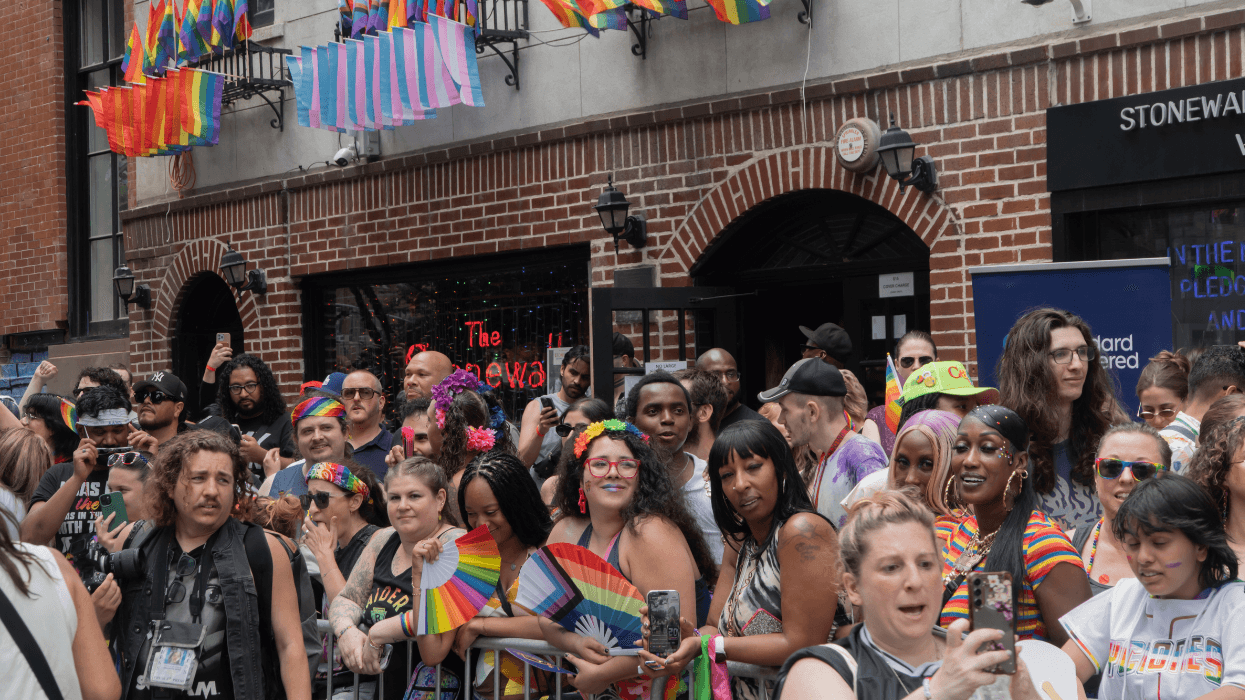
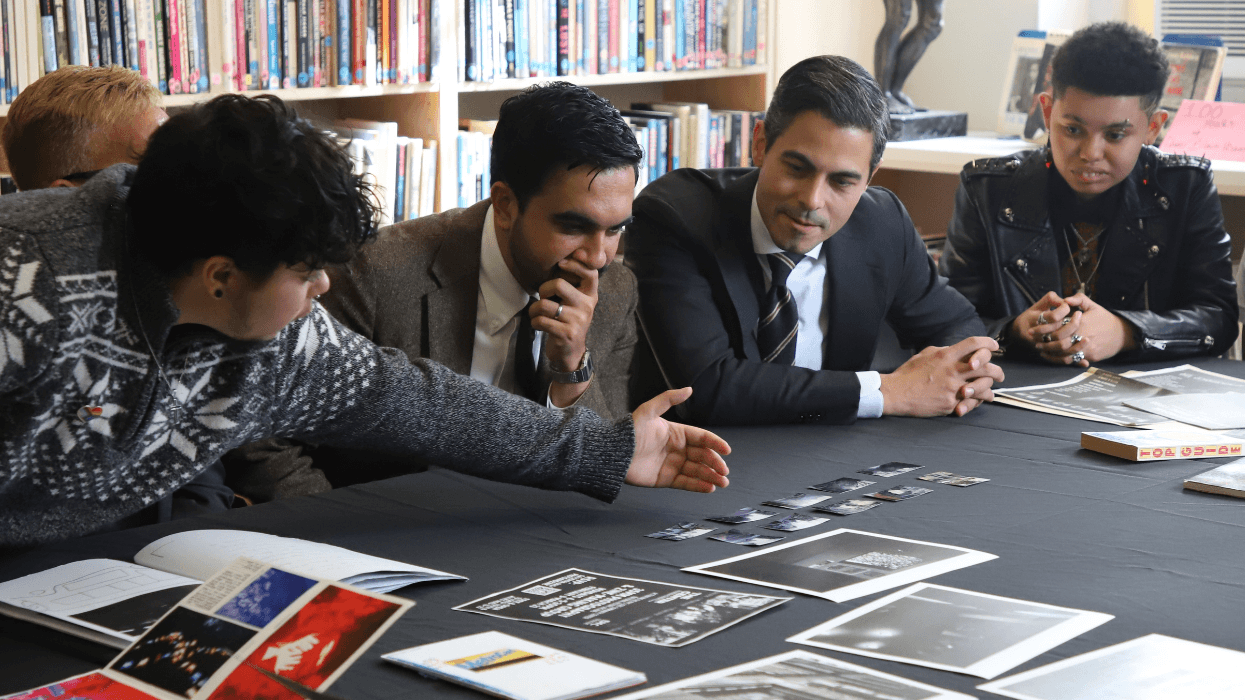
It is within that tension that organizations like Refuge America are operating, not as abstract advocates but as entities engaged in the daily, material realities of helping people survive systems that are becoming increasingly difficult to navigate. Next week, at the Stonewall National Monument Visitor Center, Refuge America will host “A More Perfect Quilt,” a gathering that brings together immigrants, LGBTQ people, and New Yorkers whose lives are shaped by movement, identity, and the ongoing search for safety and belonging. The event offers space for reflection and community, but it also functions as a reminder that the idea of the United States as a place of refuge is not self-sustaining. It depends on the labor of individuals and organizations who continue to do the work even as the structures around them grow more restrictive.
What is at stake is not simply the success of any one program or organization, but the coherence of a national identity that has long relied on the claim that this country provides refuge. That claim becomes increasingly difficult to defend as the gap between rhetoric and reality continues to widen, shaped by policies that limit access, narratives that narrow the sense of belonging, and political frameworks that treat certain lives as negotiable.
The version of the United States I believed in before 2017 has not disappeared, but it is under pressure in ways that make its future uncertain. Preserving it requires more than belief or nostalgia. It requires sustained commitment, institutional willingness, and a recognition that refuge is not an abstract value but a practice, one that must be continuously enacted if it is to remain real.
Opinion is dedicated to featuring a wide range of inspiring personal stories and impactful opinions from the LGBTQ+ community and its allies. Visit Advocate.com/submit to learn more about submission guidelines. We welcome your thoughts and feedback on any of our stories. Email us at voices@equalpride.com. Views expressed in Voices stories are those of the guest writers, columnists, and editors, and do not directly represent the views of The Advocate or our parent company, equalpride.