'%3E%3Cpath d='M16.3574 35.6519H12.9537L15.0491 18.8873L16.3574 35.6519ZM30.4229 54.0093L22.309 0.994385H7.91795L0 54.0093H10.6634L11.5802 46.3855H17.4014L17.9914 54.0093H30.4229Z' fill='%23971B20'/%3E%3Cpath d='M48.2073 41.8813C48.2073 43.4049 47.4892 44.0011 46.1144 44.0011H43.7595V11.0687H46.1144C47.4892 11.0687 48.2073 11.6636 48.2073 13.1885V41.8813ZM59.5273 43.6695V11.3326C59.5273 3.71323 53.5729 0.994385 47.8157 0.994385H31.7213V54.0093H47.8157C53.5729 54.0093 59.5273 51.29 59.5273 43.6695Z' fill='%23971B20'/%3E%3Cpath d='M90.183 0.994385H78.6039L75.0711 30.6157L71.9955 0.994385H59.4346L69.2474 54.0093H80.373L90.183 0.994385Z' fill='%23971B20'/%3E%3Cpath d='M107.063 42.3448C107.063 43.7359 105.951 44.5974 104.643 44.5974C103.269 44.5974 102.157 43.7359 102.157 42.3448V12.658C102.157 11.2676 103.269 10.4058 104.643 10.4058C105.951 10.4058 107.063 11.2676 107.063 12.658V42.3448ZM119.233 43.2723V11.7312C119.233 6.36384 112.952 -3.8147e-06 104.643 -3.8147e-06C96.2667 -3.8147e-06 89.9867 6.36384 89.9867 11.7312V43.2723C89.9867 48.6393 96.2667 55 104.643 55C112.952 55 119.233 48.6393 119.233 43.2723Z' fill='%23971B20'/%3E%3Cpath d='M150.976 43.9349V33.7309H139.069V42.3448C139.069 43.7359 137.957 44.5974 136.582 44.5974C135.076 44.5974 133.964 43.7359 133.964 42.3448V12.658C133.964 11.2676 135.076 10.4058 136.582 10.4058C137.957 10.4058 139.069 11.2676 139.069 12.658V21.2723H150.976V11.0687C150.976 5.70107 145.283 -3.8147e-06 136.582 -3.8147e-06C127.75 -3.8147e-06 121.796 5.70107 121.796 11.0687V43.9349C121.796 49.3022 127.75 55 136.582 55C145.283 55 150.976 49.3022 150.976 43.9349Z' fill='%23971B20'/%3E%3Cpath d='M167.478 35.6519H164.076L166.17 18.8873L167.478 35.6519ZM181.544 54.0093L173.432 0.994385H159.037L151.123 54.0093H161.785L162.704 46.3855H168.523L169.114 54.0093H181.544Z' fill='%23971B20'/%3E%3Cpath d='M205.412 10.4058V0.994385H177.081V10.4058H185.392V54.0093H197.428V10.4058H205.412Z' fill='%23971B20'/%3E%3Cpath d='M230.002 54.0093V43.9349H218.914V31.8746H226.635V21.8028H218.914V10.4058H230.002V0.994385H206.875V54.0093H230.002Z' fill='%23971B20'/%3E%3C/g%3E%3Cdefs%3E%3CclipPath id='clip0_260_7080'%3E%3Crect width='230' height='55' fill='white'/%3E%3C/clipPath%3E%3C/defs%3E%3C/svg%3E)
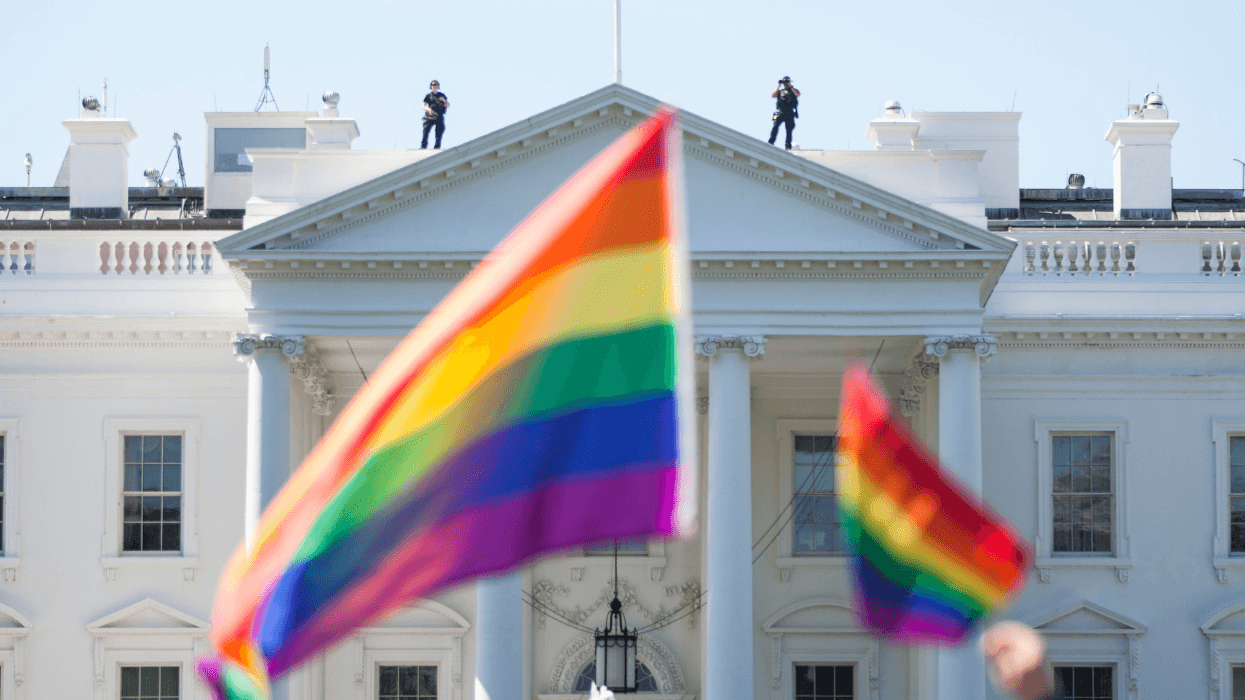

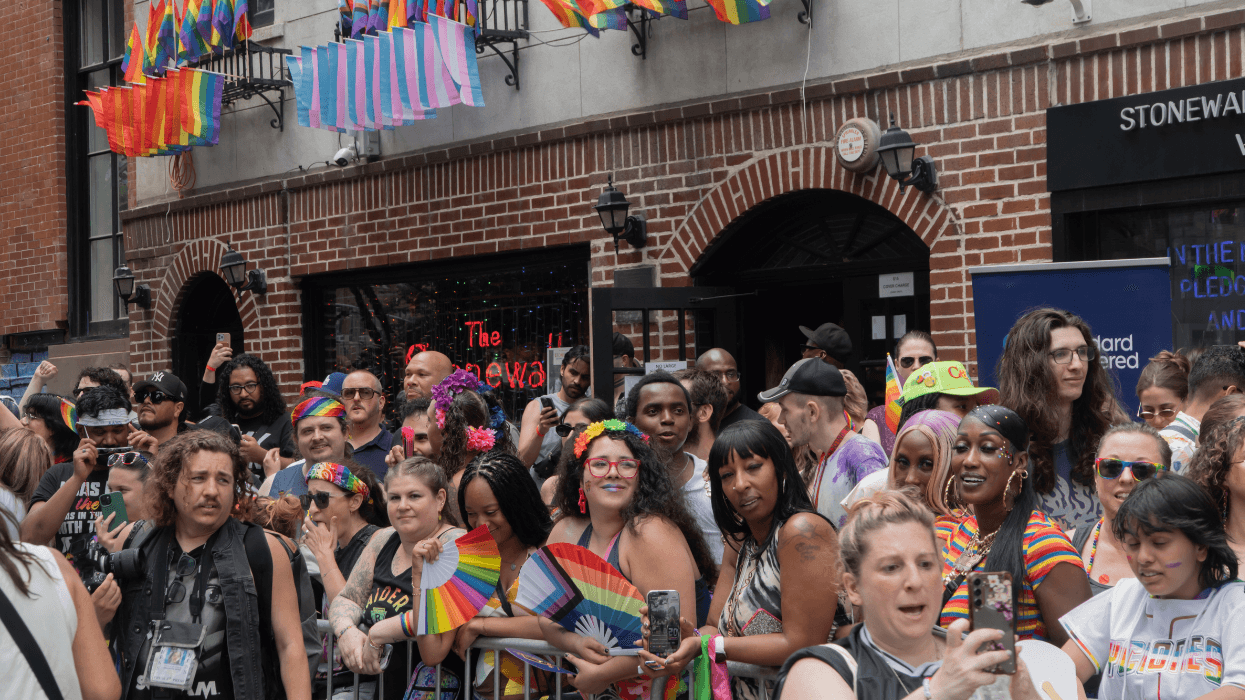
Every June, communities across the country come together to celebrate Pride Month. We celebrate visibility, progress, and the generations of LGBTQ+ people who fought for the right to live openly, participate fully in public life, and have their voices heard. But Pride is more than a celebration of how far we’ve come; it is also a reminder of the challenges that remain and the work still ahead.
This year, that reminder comes in the form of a troubling new report from LGBTQ+ Victory Institute. While LGBTQ+ representation in government continues to grow, the report reveals that LGBTQ+ candidates are facing alarming levels of harassment, threats, and political violence. Nearly nine in 10 LGBTQ+ candidates say they fear harassment or attack if they run for office. One in three report receiving death threats, while more than half have changed how or where they campaign because they do not feel safe.
These findings should concern everyone, regardless of political party or ideology. A healthy democracy depends on people from all backgrounds feeling empowered to participate in public life. When violence and intimidation become part of the political process, they do more than harm individual candidates; they discourage participation, silence voices, and weaken representative government itself.
I know the impact of political violence firsthand.
In 2011, I was a 20-year-old intern for Congresswoman Gabby Giffords when a gunman opened fire at a constituent event in Tucson. I helped keep her alive while we waited for emergency responders. Six people were killed and thirteen others were injured. That experience changed my life and reinforced my belief that public service matters. It also taught me that political violence is not an abstract concept debated in headlines or campaign talking points. It is real, traumatic, and capable of leaving lasting scars on victims, families, staff, and entire communities.
Years later, while running for Congress myself, I experienced another side of that reality. A staffer's vehicle was struck by a bullet outside our campaign office, and my family and campaign team received threats. Like many LGBTQ+ candidates, I found myself considering risks that no candidate should have to weigh: whether speaking out, showing up, or simply being visible was worth the potential danger. Unfortunately, those experiences are becoming increasingly common for candidates across the country.
Political violence does not simply target individuals. It changes who feels able to run for office in the first place. It forces candidates to devote time, energy, and resources to security rather than voter engagement. It creates additional barriers for those who may not have the financial means or institutional support to protect themselves. And it disproportionately affects communities that are already underrepresented in government, including LGBTQ+ people, candidates of color, and especially transgender candidates.
The consequences extend far beyond any single campaign. When fear drives people away from public service, communities lose voices that deserve representation. We lose leaders whose lived experiences help shape more responsive and effective policymaking. We lose perspectives that strengthen our institutions and ensure government reflects the people it serves.
That is why the findings of this report feel especially significant during Pride Month. Pride exists because generations of LGBTQ+ people fought to be seen, heard, and included in every aspect of American life. One of the clearest signs of that progress has been the growing number of openly LGBTQ+ elected officials serving at every level of government. Representation matters because it ensures communities have a seat at the table and a voice in decisions that affect their lives.
But that progress cannot continue if candidates are forced to choose between serving their communities and protecting their safety. The promise of representation becomes harder to fulfill when fear and intimidation shape who feels comfortable stepping forward to lead.
As we celebrate Pride Month, we should honor not only the achievements of the LGBTQ+ community but also our collective responsibility to protect the democratic institutions that make progress possible. That means taking political violence seriously, investing in candidate safety, supporting those facing harassment and intimidation, and holding accountable those who incite or enable threats of violence.
No one should fear for their safety because they choose to serve their community. The promise of American democracy depends on people believing their voices matter and that participation is both possible and safe. This Pride Month, while we celebrate the progress LGBTQ+ Americans have made, we must also recognize the threats that continue to undermine that progress. A democracy shaped by fear is not one that fully represents its people, and ensuring that everyone can participate safely in public life is a responsibility we all share.
Daniel Hernandez is vice president of political programs at LGBTQ+ Victory Fund, an award-winning former Arizona lawmaker, and a survivor of political violence who has long advocated for LGBTQ+ representation in public office.
Opinion is dedicated to featuring a wide range of inspiring personal stories and impactful opinions from the LGBTQ+ community and its allies. Visit Advocate.com/submit to learn more about submission guidelines. We welcome your thoughts and feedback on any of our stories. Email us at voices@equalpride.com. Views expressed in Voices stories are those of the guest writers, columnists, and editors, and do not directly represent the views of The Advocate or our parent company, equalpride.