'%3E%3Cpath d='M16.3574 35.6519H12.9537L15.0491 18.8873L16.3574 35.6519ZM30.4229 54.0093L22.309 0.994385H7.91795L0 54.0093H10.6634L11.5802 46.3855H17.4014L17.9914 54.0093H30.4229Z' fill='%23971B20'/%3E%3Cpath d='M48.2073 41.8813C48.2073 43.4049 47.4892 44.0011 46.1144 44.0011H43.7595V11.0687H46.1144C47.4892 11.0687 48.2073 11.6636 48.2073 13.1885V41.8813ZM59.5273 43.6695V11.3326C59.5273 3.71323 53.5729 0.994385 47.8157 0.994385H31.7213V54.0093H47.8157C53.5729 54.0093 59.5273 51.29 59.5273 43.6695Z' fill='%23971B20'/%3E%3Cpath d='M90.183 0.994385H78.6039L75.0711 30.6157L71.9955 0.994385H59.4346L69.2474 54.0093H80.373L90.183 0.994385Z' fill='%23971B20'/%3E%3Cpath d='M107.063 42.3448C107.063 43.7359 105.951 44.5974 104.643 44.5974C103.269 44.5974 102.157 43.7359 102.157 42.3448V12.658C102.157 11.2676 103.269 10.4058 104.643 10.4058C105.951 10.4058 107.063 11.2676 107.063 12.658V42.3448ZM119.233 43.2723V11.7312C119.233 6.36384 112.952 -3.8147e-06 104.643 -3.8147e-06C96.2667 -3.8147e-06 89.9867 6.36384 89.9867 11.7312V43.2723C89.9867 48.6393 96.2667 55 104.643 55C112.952 55 119.233 48.6393 119.233 43.2723Z' fill='%23971B20'/%3E%3Cpath d='M150.976 43.9349V33.7309H139.069V42.3448C139.069 43.7359 137.957 44.5974 136.582 44.5974C135.076 44.5974 133.964 43.7359 133.964 42.3448V12.658C133.964 11.2676 135.076 10.4058 136.582 10.4058C137.957 10.4058 139.069 11.2676 139.069 12.658V21.2723H150.976V11.0687C150.976 5.70107 145.283 -3.8147e-06 136.582 -3.8147e-06C127.75 -3.8147e-06 121.796 5.70107 121.796 11.0687V43.9349C121.796 49.3022 127.75 55 136.582 55C145.283 55 150.976 49.3022 150.976 43.9349Z' fill='%23971B20'/%3E%3Cpath d='M167.478 35.6519H164.076L166.17 18.8873L167.478 35.6519ZM181.544 54.0093L173.432 0.994385H159.037L151.123 54.0093H161.785L162.704 46.3855H168.523L169.114 54.0093H181.544Z' fill='%23971B20'/%3E%3Cpath d='M205.412 10.4058V0.994385H177.081V10.4058H185.392V54.0093H197.428V10.4058H205.412Z' fill='%23971B20'/%3E%3Cpath d='M230.002 54.0093V43.9349H218.914V31.8746H226.635V21.8028H218.914V10.4058H230.002V0.994385H206.875V54.0093H230.002Z' fill='%23971B20'/%3E%3C/g%3E%3Cdefs%3E%3CclipPath id='clip0_260_7080'%3E%3Crect width='230' height='55' fill='white'/%3E%3C/clipPath%3E%3C/defs%3E%3C/svg%3E)
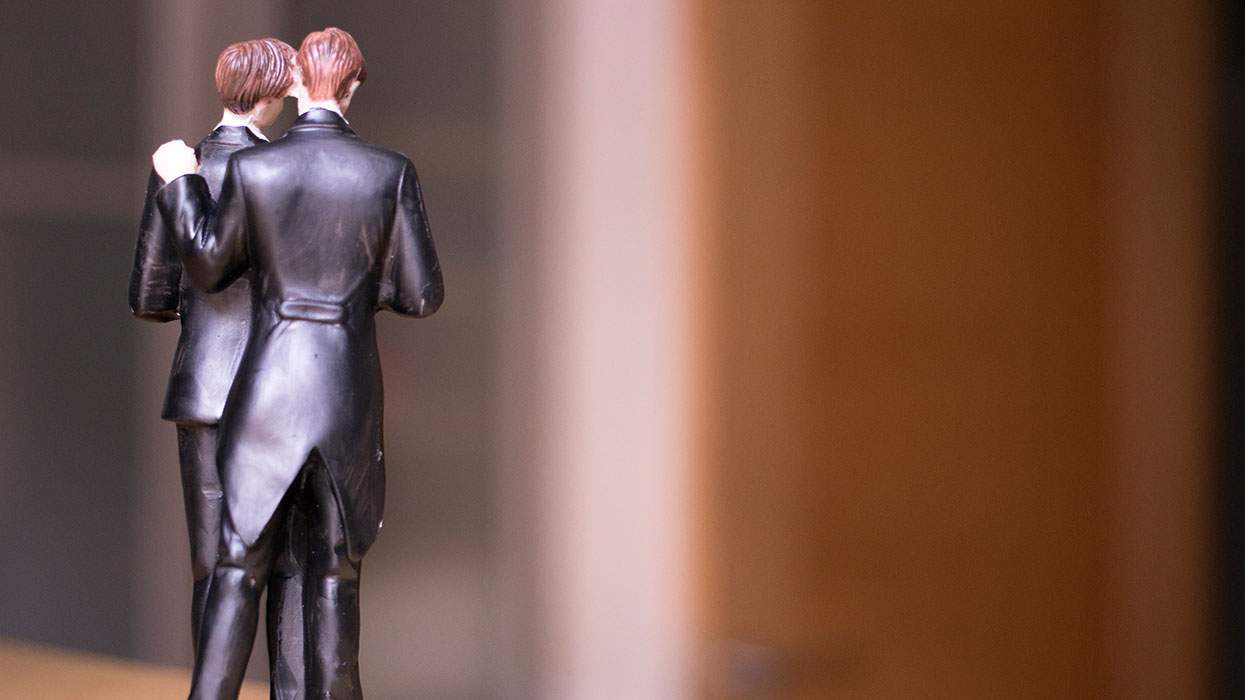

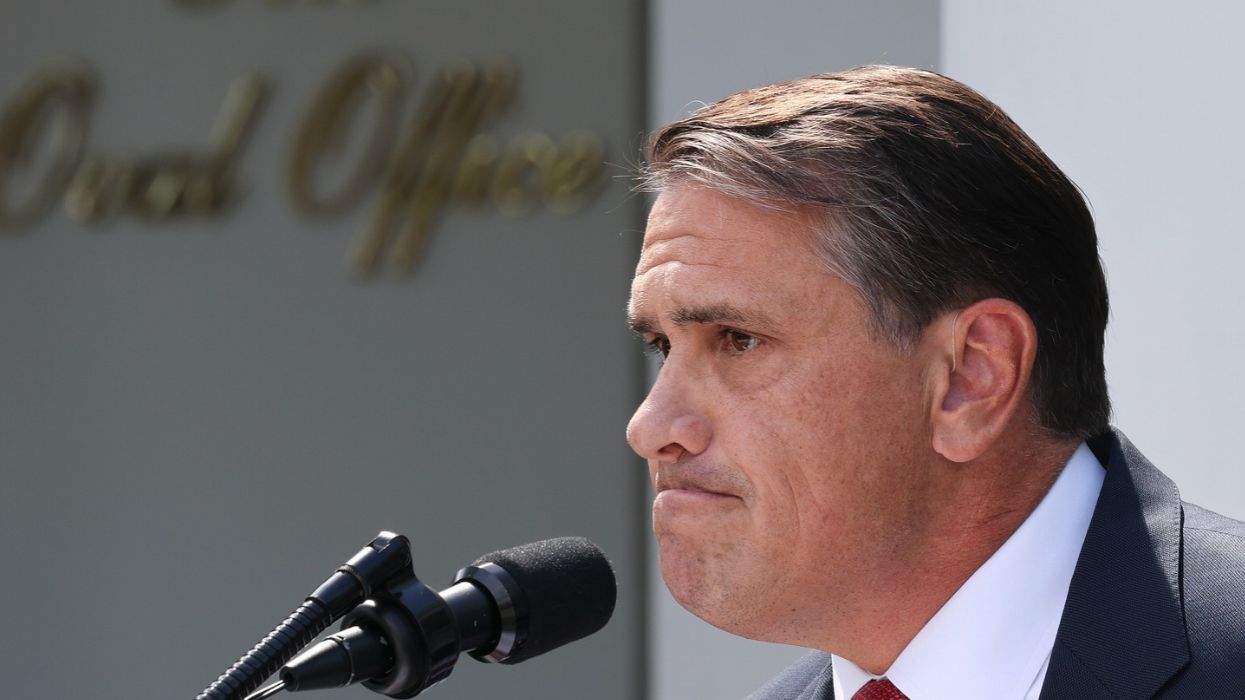
In a recent Wall Street Journal op-ed, titled "I'm gay, but that doesn't make me queer," contributor Ben Appel draws a clean line between being gay and being “queer,” casting queerness as an ideological project built on rejecting what is normal and legitimate. On its own, the argument might read like a personal distinction, but placed alongside the Journal’s broader cultural coverage, it begins to look like something more deliberate: an effort to define which versions of queer life are acceptable and which ones are not.
The problem is not that Appel’s argument is controversial. It is that it is reductive, historically thin, lazy, and casually dismissive of the very culture that made space for lives like his to exist at all. It is also, in a deeper sense, incurious. No one is asking him to identify as queer, and that has never been the point. The issue is not personal identity but the impulse to take a word shaped by decades of survival, art, resistance, and community, and flatten it into something so narrow that it reflects only what feels comfortable to him.
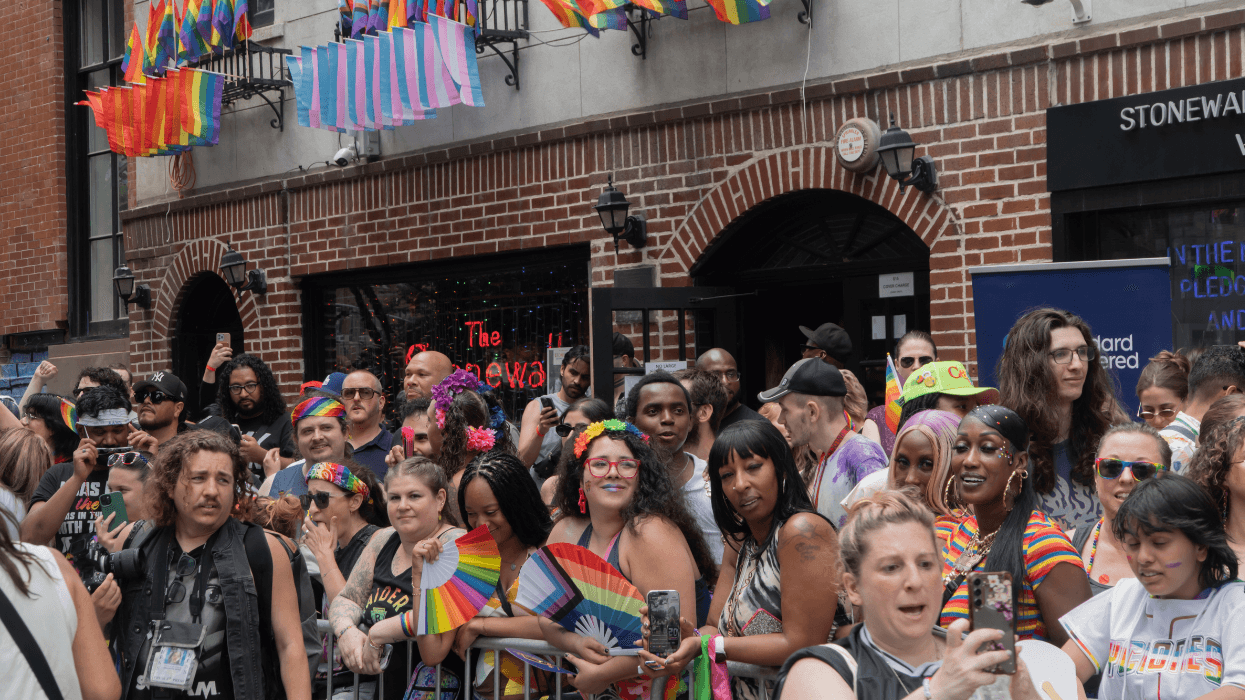
What he describes as ideological overreach is, for many people, simply the refusal to shrink themselves to fit inside a version of gay life that has always been more palatable to the straight world. Queer culture did not emerge from theory classrooms but from exclusion, from people building lives in the margins because the center was never designed to hold them. It has always been messy, confrontational, contradictory, and alive in ways that resist neat definition, which is precisely what makes it so easy to misrepresent.
In many places, the modern queer project has been reduced to a performance of acceptability, especially among gay men who have been rewarded for signaling that they are not too loud, not too feminine, not too political, and not too complicated. After decades spent fighting for visibility, there is now a parallel instinct to discipline that visibility, to smooth it out and make it legible in ways that align with dominant expectations. The pressure in queer life is not to be radical but to be acceptable, and acceptability has always come with terms.
Those terms are visible in the hyper-focus on masculinity, in the worship of straight-coded desirability, and in the quiet but persistent message that there is something inherently undesirable about being visibly queer. What gets framed as preference often functions as a hierarchy, one that mirrors the same cultural standards that once excluded us, only now internalized and reproduced within our own communities. Over time, that process does not produce liberation so much as adaptation, and adaptation, left unexamined, has a way of turning into erasure.
What disappears in this reduction is not ideology but people, including those whose identities, expressions, or histories complicate the idea that queer life can be seamlessly integrated into dominant culture without friction. Femininity, racial difference, and nonconformity are not incidental to queer culture; they are central to it. And yet these qualities are often the first things to be pushed aside when acceptance becomes contingent on resemblance.
This dynamic does not exist in a vacuum. The same outlet publishing arguments about “normal” gay identity is also curating a version of queer life that is increasingly aestheticized, domesticated, and easy to consume. A recent Wall Street Journal feature on a wealthy white throuple renovating a luxury home treats non-monogamy less as a challenge to social norms than as a design problem to be solved, folding it neatly into a framework of property, ownership, and aspirational living. Even deviation becomes acceptable when it can be presented in ways that remain legible to the systems that have always determined who gets to belong.
Erasure operates by selectively absorbing what can be made palatable while quietly sidelining everything else, producing not broader freedom but a narrower range of visibility in which inclusion depends on how closely one can approximate an existing standard.
Framing queerness as a kind of ideological imposition, as Appel does more broadly, requires ignoring something essential: Queer culture has never functioned as a system of enforcement. It has been a space of expansion, created by people who could not survive inside the rigid definitions of normal that he now appears so eager to defend. What he describes as a rejection of normalcy is, for many, simply a refusal to disappear into it.
The irony is that the version of gay life he is defending is not under threat. It has, in many ways, already achieved a level of acceptance that would have been unimaginable not long ago, as long as it adheres to the dominant culture that once excluded it. That acceptance, however, is not neutral. It is structured, conditional, and reinforced by boundaries that determine who remains visible and who does not.
It is worth acknowledging that I am not especially far removed from the version of gay life Appel is describing. I am a cis white gay man, married, professionally successful, living a life that is easily legible and broadly accepted within the dominant culture. I have benefited from that legibility. But that vantage point does not lead to the conclusions he draws. It clarifies what his argument leaves out, because the story he is telling only holds if you ignore the people who were never granted access to that version of belonging in the first place.
Appel’s argument does real damage by reinforcing a hierarchy of belonging that privileges proximity to straightness, rewards conformity, and marginalizes anyone who cannot or will not meet its terms. That hierarchy does not stop at respectability. It extends into a broader pattern of exclusion, particularly toward transgender people, whose existence is often recast not as part of queer life but as evidence of its excesses. That framing is not just inaccurate. It is actively harmful, because it narrows the definition of who is allowed to belong while placing some of the most vulnerable people in the community under intensified scrutiny.
No one is asking him to label himself as queer, but queerness is not his to redefine into something smaller, safer, or more convenient, detached from the people and histories that have always made it more expansive and more difficult to contain.
What he describes as ideology, many people recognize as survival, as a way of naming and sustaining forms of life that have never fit neatly within dominant expectations. And what he calls normal has never been neutral, having always been shaped by power, enforced through exclusion, and maintained through decisions about who is allowed to belong without question and who is expected to adjust.
If queer culture has a future, it will not be because it successfully proves its respectability or secures its place within a narrow definition of legitimacy. It will be because it continues to resist that narrowing, demanding open space for the people and expressions that do not fit cleanly into anyone else’s framework. That resistance is not a threat to stability or coherence but the very condition that made queer life visible in the first place, and it remains the reason it continues to exist at all.
Josh Ackley is a political strategist and the frontman of the queerpunk band The Dead Betties. Follow at @momdarkness and listen to music on Spotify.
Opinion is dedicated to featuring a wide range of inspiring personal stories and impactful opinions from the LGBTQ+ community and its allies. Visit Advocate.com/submit to learn more about submission guidelines. We welcome your thoughts and feedback on any of our stories. Email us at voices@equalpride.com. Views expressed in Voices stories are those of the guest writers, columnists, and editors, and do not directly represent the views of The Advocate or our parent company, equalpride.