'%3E%3Cpath d='M16.3574 35.6519H12.9537L15.0491 18.8873L16.3574 35.6519ZM30.4229 54.0093L22.309 0.994385H7.91795L0 54.0093H10.6634L11.5802 46.3855H17.4014L17.9914 54.0093H30.4229Z' fill='%23971B20'/%3E%3Cpath d='M48.2073 41.8813C48.2073 43.4049 47.4892 44.0011 46.1144 44.0011H43.7595V11.0687H46.1144C47.4892 11.0687 48.2073 11.6636 48.2073 13.1885V41.8813ZM59.5273 43.6695V11.3326C59.5273 3.71323 53.5729 0.994385 47.8157 0.994385H31.7213V54.0093H47.8157C53.5729 54.0093 59.5273 51.29 59.5273 43.6695Z' fill='%23971B20'/%3E%3Cpath d='M90.183 0.994385H78.6039L75.0711 30.6157L71.9955 0.994385H59.4346L69.2474 54.0093H80.373L90.183 0.994385Z' fill='%23971B20'/%3E%3Cpath d='M107.063 42.3448C107.063 43.7359 105.951 44.5974 104.643 44.5974C103.269 44.5974 102.157 43.7359 102.157 42.3448V12.658C102.157 11.2676 103.269 10.4058 104.643 10.4058C105.951 10.4058 107.063 11.2676 107.063 12.658V42.3448ZM119.233 43.2723V11.7312C119.233 6.36384 112.952 -3.8147e-06 104.643 -3.8147e-06C96.2667 -3.8147e-06 89.9867 6.36384 89.9867 11.7312V43.2723C89.9867 48.6393 96.2667 55 104.643 55C112.952 55 119.233 48.6393 119.233 43.2723Z' fill='%23971B20'/%3E%3Cpath d='M150.976 43.9349V33.7309H139.069V42.3448C139.069 43.7359 137.957 44.5974 136.582 44.5974C135.076 44.5974 133.964 43.7359 133.964 42.3448V12.658C133.964 11.2676 135.076 10.4058 136.582 10.4058C137.957 10.4058 139.069 11.2676 139.069 12.658V21.2723H150.976V11.0687C150.976 5.70107 145.283 -3.8147e-06 136.582 -3.8147e-06C127.75 -3.8147e-06 121.796 5.70107 121.796 11.0687V43.9349C121.796 49.3022 127.75 55 136.582 55C145.283 55 150.976 49.3022 150.976 43.9349Z' fill='%23971B20'/%3E%3Cpath d='M167.478 35.6519H164.076L166.17 18.8873L167.478 35.6519ZM181.544 54.0093L173.432 0.994385H159.037L151.123 54.0093H161.785L162.704 46.3855H168.523L169.114 54.0093H181.544Z' fill='%23971B20'/%3E%3Cpath d='M205.412 10.4058V0.994385H177.081V10.4058H185.392V54.0093H197.428V10.4058H205.412Z' fill='%23971B20'/%3E%3Cpath d='M230.002 54.0093V43.9349H218.914V31.8746H226.635V21.8028H218.914V10.4058H230.002V0.994385H206.875V54.0093H230.002Z' fill='%23971B20'/%3E%3C/g%3E%3Cdefs%3E%3CclipPath id='clip0_260_7080'%3E%3Crect width='230' height='55' fill='white'/%3E%3C/clipPath%3E%3C/defs%3E%3C/svg%3E)
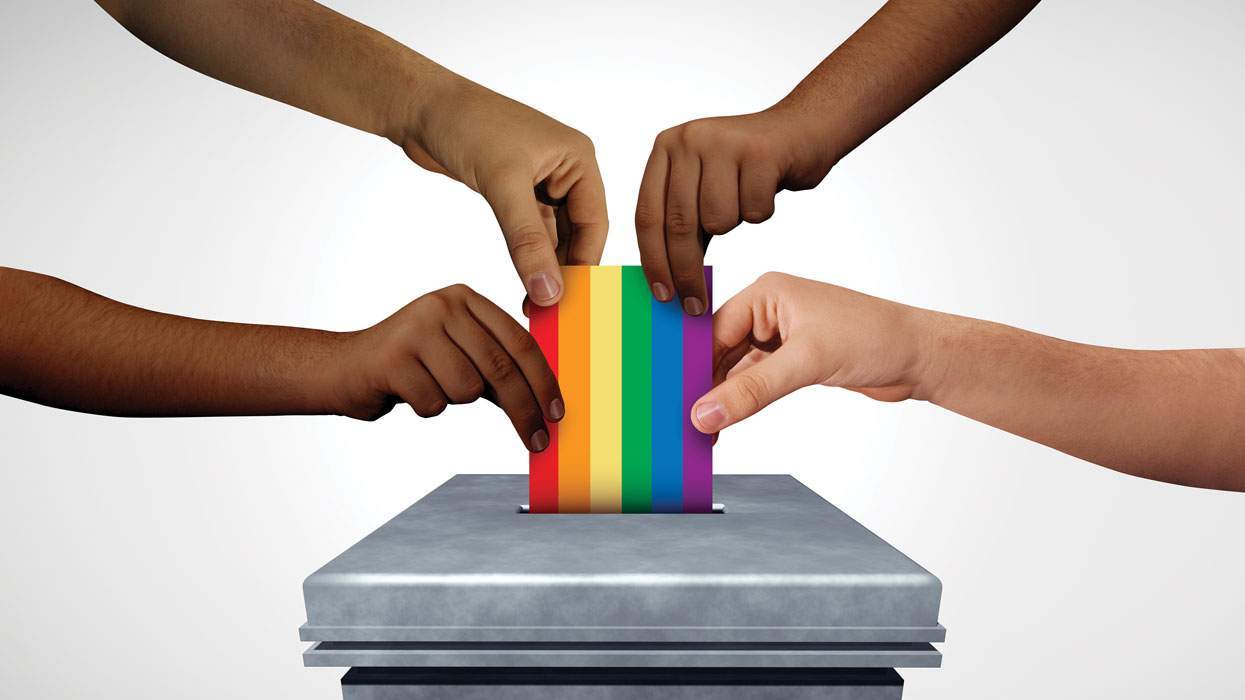

The midterm elections on November 3 will test the narrow congressional majority held by Republicans since President Donald Trump took office last year. They also come as the president pushes to change how elections are conducted nationwide, falsely portraying fraud as a pervasive issue.
The Trump administration has called for a federal voter database using citizen data, plus new ID requirements spurred by false claims of noncitizen voting. In July, Trump also gutted a bipartisan commission created to uphold election integrity across the United States.
Voting rights advocates have sounded the alarm on moves like these, noting they may make it harder for some eligible citizens to cast their ballots. As the national voting landscape continues to change, The Advocate has compiled a list of tips and safety recommendations pertinent to this year’s election cycle.
 Pexels/Edmond Dantes
Registering to Vote
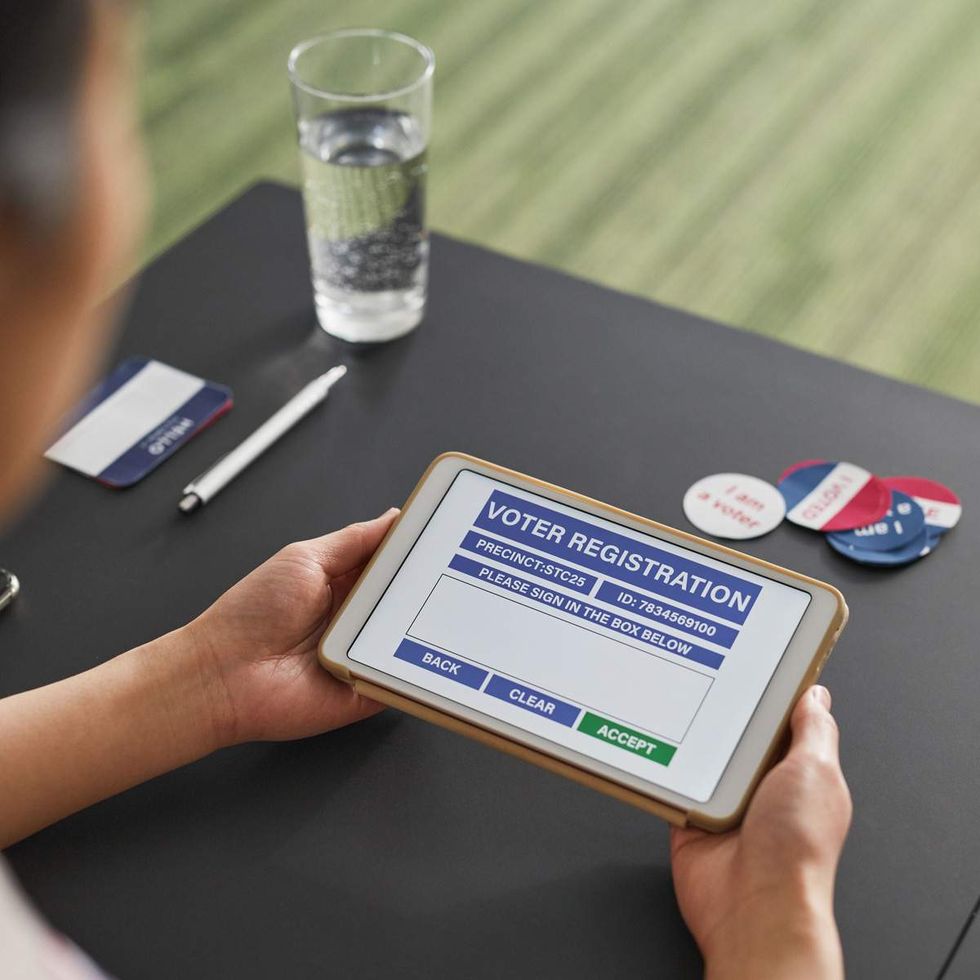
For some, this may go without saying. But to cast a ballot, you must register to vote in advance. The process varies state by state and some areas allow same-day registration. Check your secretary of state’s office or election board website to learn more. Go to vote.gov to easily find details about your state.
Ballot Delivery
Voting laws vary widely across the country. Some states have stringent in-person voting laws, whereas others offer more flexibility around mail-in and absentee ballots.
States generally have voter lookup tools on their government websites, which voters can use to confirm ballot types, find in-person voting locations, and sometimes even consult sample ballots with all candidates listed prior to Election Day.
Voting on Time
For mail-in ballots, some states need ballots to arrive by Election Day, whereas others require only that they be postmarked by then. For in-person voting, states may require you to arrive at your designated polling site at different times. Check your voting precinct’s policies in advance.
 Pexels/Edmond Dantes
Voter ID Laws
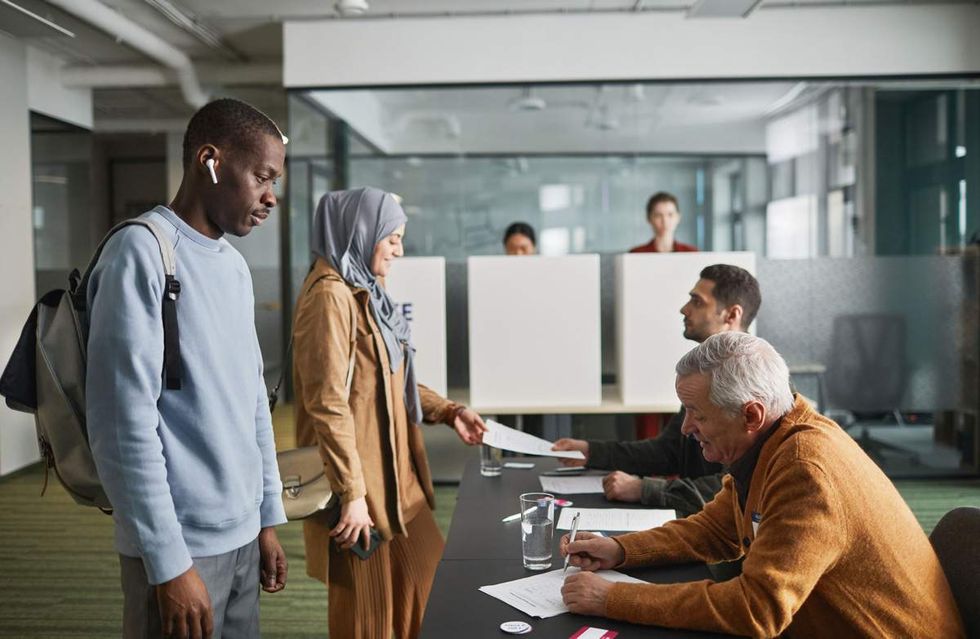
As Republicans across state and federal offices look to tighten laws around voting accessibility, be sure to check if your state requires photo ID or other forms of identification at the polls. Twenty-five states currently require photo ID, mostly in the South and Midwest, and numerous others require ID that may or may not include your photo, according to Ballotpedia.
For trans voters, showing ID may be more nerve-wracking if the gender marker listed does not match your gender expression on Election Day. But according to voting advocacy nonprofit VoteRiders, ID checks just confirm that certain information on your ID, like your name, matches your voter registration.
That does not preclude trans voters from discrimination by poll workers, or misplaced challenges to the authenticity of their ID, as the trans rights advocacy group Advocates for Trans Equality notes. The organization says bringing multiple forms of ID can be helpful in some circumstances, but poll workers are not entitled to ask questions about a voter’s gender identity status or medical history. For more information on navigating Election Day challenges around voter ID laws, visit transequality.org.
Conduct at Poll Sites
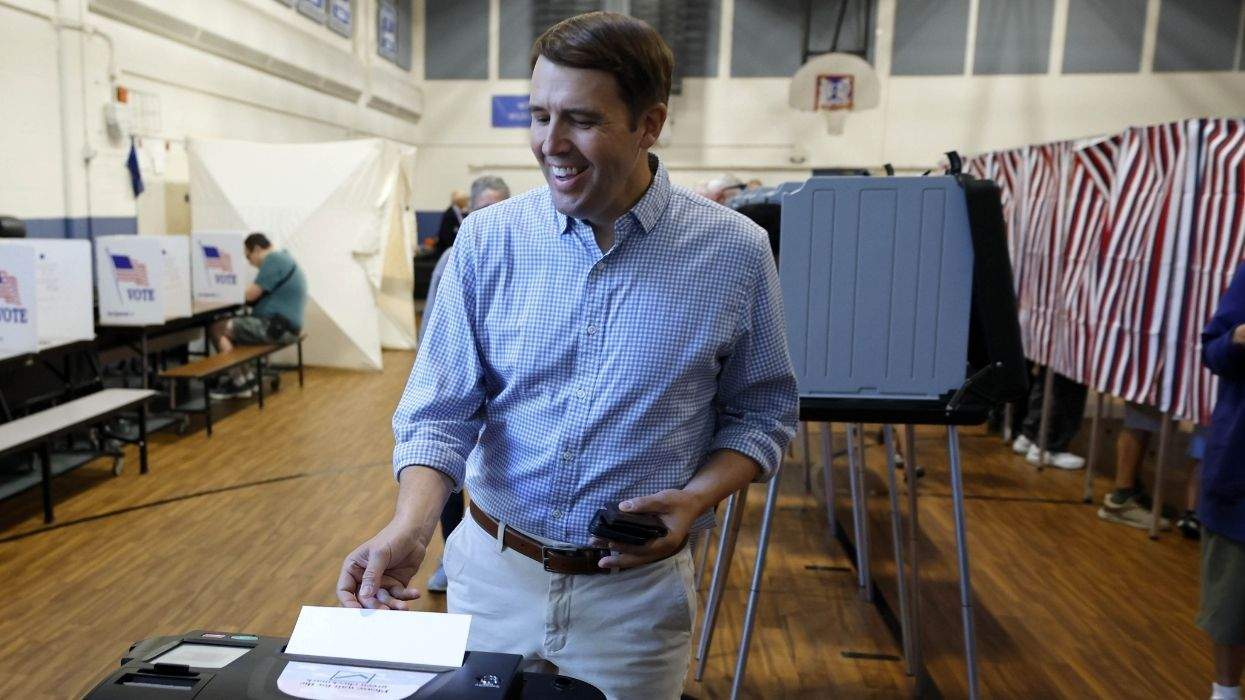
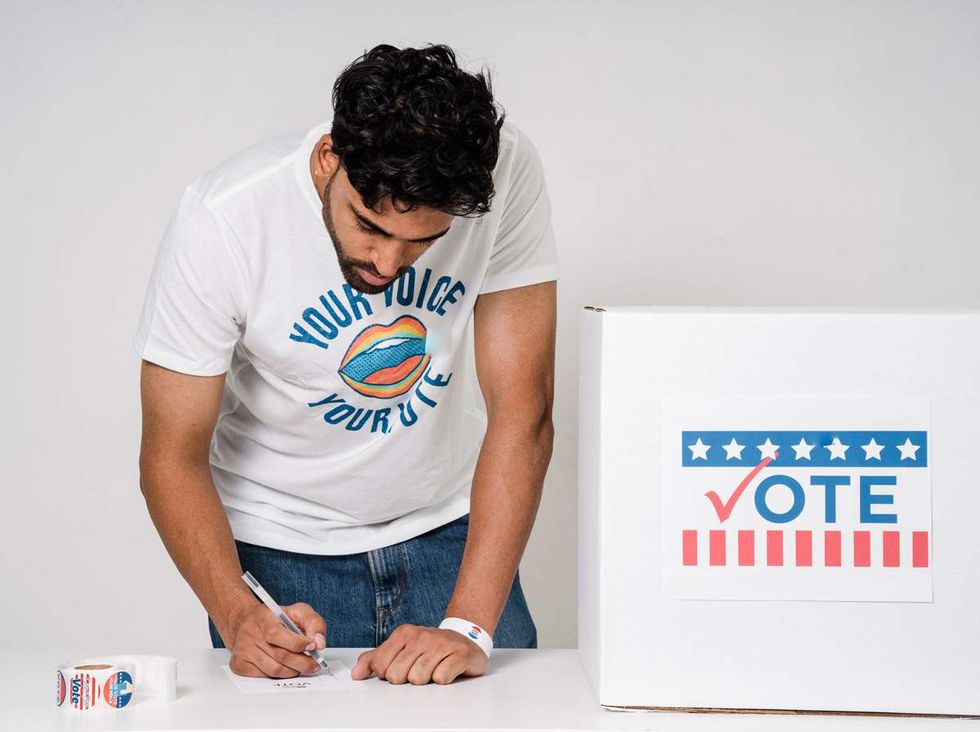
There are generally strict policies around conduct at polling sites. Many states prohibit wearing political insignias, campaign buttons, stickers, or other messaging at a voting location. And on-site electioneering — or trying to persuade voters one way or another — is also widely prohibited. Rules about photography, including ballot selfies, also vary widely. If you are voting in person, be sure to adhere to a high standard of conduct to ensure you can successfully cast your ballot. Check your secretary of state’s website for the most current information about conduct and other voting guidelines.
 Pexels/Sora Shimazaki
Staying in Line
If you’re still in line when the polls close, you still have the ability to vote. Stay in the queue, and make your voice heard. If you’re anticipating a long wait, it’s also a good idea to bring along water and snacks. Some states have prohibitions against “line warming,” or handing out water and snacks to others, so be sure to know your local laws before volunteering in this way.
Everyone Makes Mistakes
Make a mistake on your ballot? Ask for a new one. This is your right. Crossing out anything on your form will create confusion and may result in your vote not being counted as you’d like.
This article is part of The Advocate’s Sept-Oct 2026 print issue, on newsstands now. Support queer media and subscribe — or download the issue through Apple News+, Zinio, Nook, or PressReader.