'%3E%3Cpath d='M16.3574 35.6519H12.9537L15.0491 18.8873L16.3574 35.6519ZM30.4229 54.0093L22.309 0.994385H7.91795L0 54.0093H10.6634L11.5802 46.3855H17.4014L17.9914 54.0093H30.4229Z' fill='%23971B20'/%3E%3Cpath d='M48.2073 41.8813C48.2073 43.4049 47.4892 44.0011 46.1144 44.0011H43.7595V11.0687H46.1144C47.4892 11.0687 48.2073 11.6636 48.2073 13.1885V41.8813ZM59.5273 43.6695V11.3326C59.5273 3.71323 53.5729 0.994385 47.8157 0.994385H31.7213V54.0093H47.8157C53.5729 54.0093 59.5273 51.29 59.5273 43.6695Z' fill='%23971B20'/%3E%3Cpath d='M90.183 0.994385H78.6039L75.0711 30.6157L71.9955 0.994385H59.4346L69.2474 54.0093H80.373L90.183 0.994385Z' fill='%23971B20'/%3E%3Cpath d='M107.063 42.3448C107.063 43.7359 105.951 44.5974 104.643 44.5974C103.269 44.5974 102.157 43.7359 102.157 42.3448V12.658C102.157 11.2676 103.269 10.4058 104.643 10.4058C105.951 10.4058 107.063 11.2676 107.063 12.658V42.3448ZM119.233 43.2723V11.7312C119.233 6.36384 112.952 -3.8147e-06 104.643 -3.8147e-06C96.2667 -3.8147e-06 89.9867 6.36384 89.9867 11.7312V43.2723C89.9867 48.6393 96.2667 55 104.643 55C112.952 55 119.233 48.6393 119.233 43.2723Z' fill='%23971B20'/%3E%3Cpath d='M150.976 43.9349V33.7309H139.069V42.3448C139.069 43.7359 137.957 44.5974 136.582 44.5974C135.076 44.5974 133.964 43.7359 133.964 42.3448V12.658C133.964 11.2676 135.076 10.4058 136.582 10.4058C137.957 10.4058 139.069 11.2676 139.069 12.658V21.2723H150.976V11.0687C150.976 5.70107 145.283 -3.8147e-06 136.582 -3.8147e-06C127.75 -3.8147e-06 121.796 5.70107 121.796 11.0687V43.9349C121.796 49.3022 127.75 55 136.582 55C145.283 55 150.976 49.3022 150.976 43.9349Z' fill='%23971B20'/%3E%3Cpath d='M167.478 35.6519H164.076L166.17 18.8873L167.478 35.6519ZM181.544 54.0093L173.432 0.994385H159.037L151.123 54.0093H161.785L162.704 46.3855H168.523L169.114 54.0093H181.544Z' fill='%23971B20'/%3E%3Cpath d='M205.412 10.4058V0.994385H177.081V10.4058H185.392V54.0093H197.428V10.4058H205.412Z' fill='%23971B20'/%3E%3Cpath d='M230.002 54.0093V43.9349H218.914V31.8746H226.635V21.8028H218.914V10.4058H230.002V0.994385H206.875V54.0093H230.002Z' fill='%23971B20'/%3E%3C/g%3E%3Cdefs%3E%3CclipPath id='clip0_260_7080'%3E%3Crect width='230' height='55' fill='white'/%3E%3C/clipPath%3E%3C/defs%3E%3C/svg%3E)

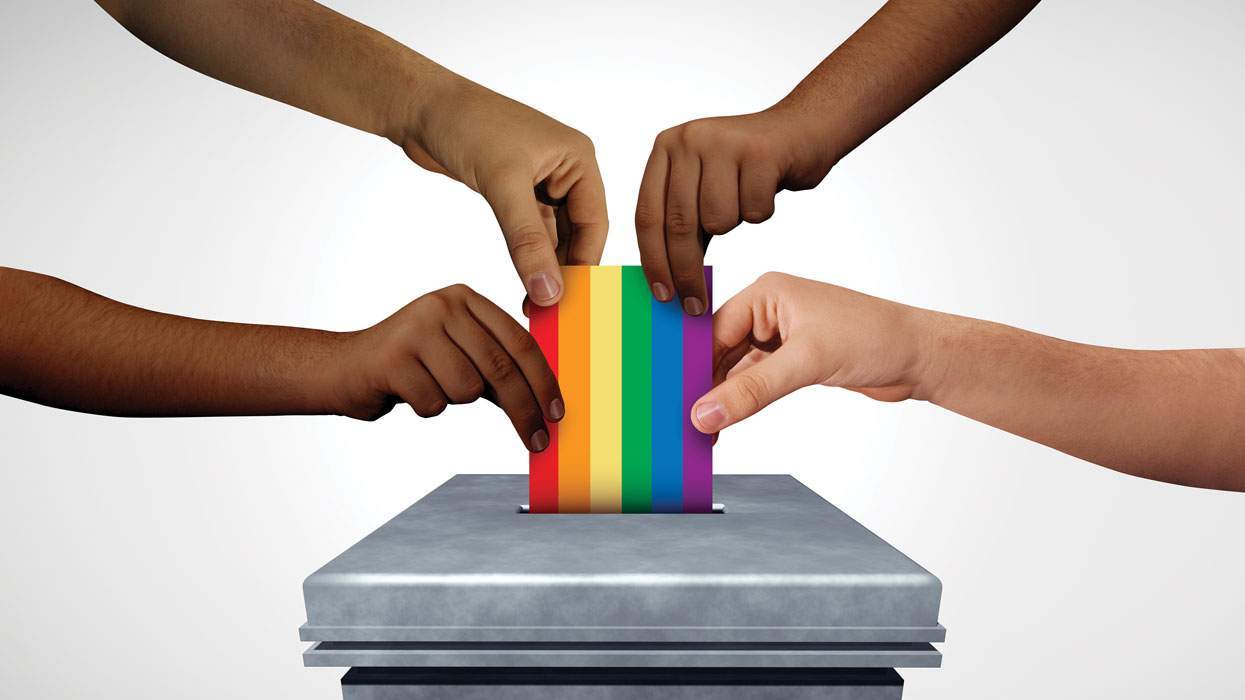
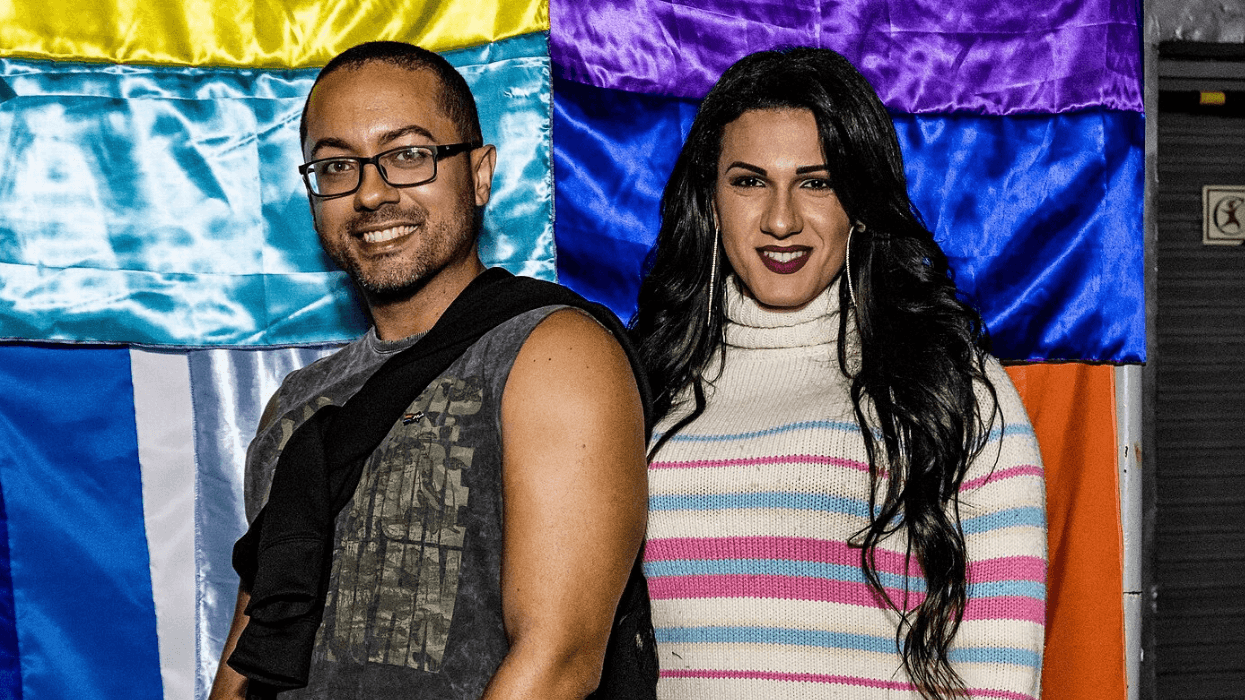
Already under attack by the Trump administration and other leaders across the country, transgender voters may also face barriers to making their voices heard on Election Day.
The Williams Institute at UCLA School of Law estimates there are 2.8 million people ages 13 and older who identify as transgender in the United States, including about 1.3 million adults eligible to vote. As USA Today reported, the institute estimates voter ID laws could create barriers for nearly 324,000 eligible voters, with more than 113,000 facing potential disenfranchisement in states with strict photo ID requirements.
Jody Herman, the institute’s senior scholar of public policy and a co-author of the report, told USA Today that restricting eligible voters’ access undermines democracy and “undermines transgender citizens having a voice in the electoral process.”
Related: Voting 101: 7 ways to make your midterm ballot count
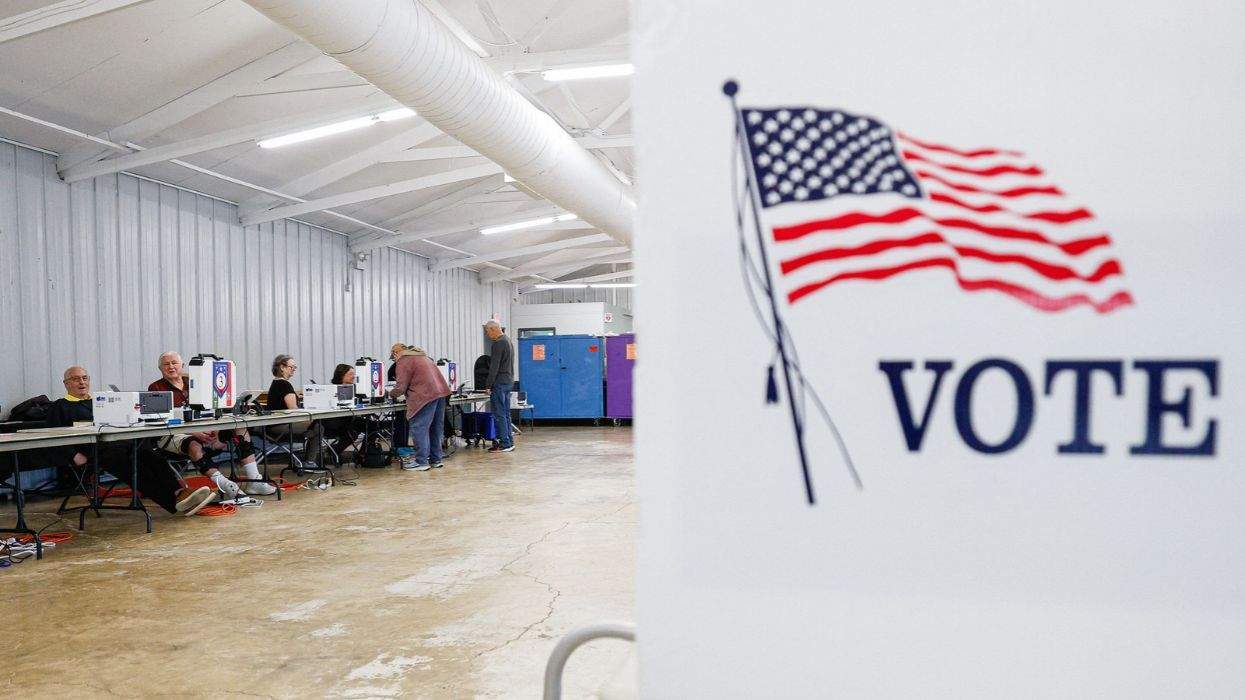
Currently, 36 states have voter ID laws, and 33 of those conduct their elections primarily in person. The report says about 657,300 voting-eligible transgender Americans live in those 33 states. As of July, eight states prohibited gender marker updates on driver’s licenses, and 10 prohibited such changes on original birth certificates.
Five states — Texas, Florida, Kansas, Indiana, and Tennessee — both prohibit gender marker updates on driver’s licenses and birth certificates and require a photo ID to vote. Those overlapping restrictions can compound the challenges transgender voters face in obtaining identification that reflects their names or gender identities.
For example, a lawsuit in Kansas seeks to block Senate Bill 244, a law that invalidates driver’s licenses bearing gender markers that differ from a person’s sex assigned at birth and restricts restroom use in government buildings. As The Advocate reported, state officials said roughly 1,700 intersex and transgender Kansans received notices that their licenses were invalid when the law took effect.
The Texas Department of Public Safety, which is responsible for issuing driver’s licenses and state IDs, stopped accepting court orders in 2024 that “change the sex of an individual or ‘combined’ orders that issue a name change and a gender marker change in the same document,” according to the Texas State Law Library. The policy preceded the 2025 passage of House Bill 229, which defines male and female for state government purposes based on sex assigned at birth rather than gender identity.
Nearly half of voting-eligible transgender people living in the 33 states with in-person elections and voter ID laws lack identification that accurately reflects their name or gender, according to the Williams Institute. The report also notes that “transgender people of color, young adults, students, and those with low incomes or disabilities are more likely to not have accurate IDs for voting.”
Related: Voting while transgender: Here’s what you need to know
Federal passport restrictions further limit access to documents that reflect transgender people’s identities. The State Department now issues passports with an M or F marker matching a person’s sex at birth and no longer issues passports with an X marker. Previously issued passports, including those with an X marker or a marker that differs from the holder’s sex assigned at birth, remain valid until they expire, are replaced, or are invalidated under federal regulations. The policy does not itself make those existing passports unusable as identification.
Separately, the U.S. Supreme Court has allowed the Trump administration to revive an expanded federal citizenship-checking system while litigation continues. State and local officials can again use the expanded Systematic Alien Verification for Entitlements program, known as SAVE, which President Donald Trump directed the Department of Homeland Security in 2025 to expand to check the citizenship of registered voters and people applying to register. The court has not issued a final ruling on whether the expansion is lawful.
Justice Ketanji Brown Jackson warned in dissent that the court’s action could put eligible voters at risk. LGBTQ+ advocates have also raised concerns about the documentation transgender voters could be required to provide.
“Even for those who have [legally changed their names], it is unclear what documentation states will require to prove the name change, and doing so will disclose a former name and, likely, the person’s transgender status, to a local election office,” Shannon Minter, legal director of the National Center for LGBTQ+ Rights, told The Advocate.
Available data suggest that many transgender people face barriers to having their names accurately reflected on official identification. In a 2022 KFF/The Washington Post survey, roughly one in four transgender adults reported having completed a legal name change on an identifying document. Findings from the 2022 U.S. Transgender Survey measure a different aspect of that documentation gap. Nearly half of respondents with at least one identity document said none displayed the name they wanted to use.
Voters in at least 19 states face new voting restrictions that were not in place in 2024, according to the Williams Institute. Trump has also pushed Congress to pass the SAVE America Act, which would require documentary proof of U.S. citizenship to register and photo identification to vote in federal elections.
The barriers come as transgender rights themselves face a vote. In an opinion essay published by The Advocate, LGBTQ+ advocacy leaders warned that anti-transgender ballot measures in five states could restrict rights this November and shape political strategies for 2028.