'%3E%3Cpath d='M16.3574 35.6519H12.9537L15.0491 18.8873L16.3574 35.6519ZM30.4229 54.0093L22.309 0.994385H7.91795L0 54.0093H10.6634L11.5802 46.3855H17.4014L17.9914 54.0093H30.4229Z' fill='%23971B20'/%3E%3Cpath d='M48.2073 41.8813C48.2073 43.4049 47.4892 44.0011 46.1144 44.0011H43.7595V11.0687H46.1144C47.4892 11.0687 48.2073 11.6636 48.2073 13.1885V41.8813ZM59.5273 43.6695V11.3326C59.5273 3.71323 53.5729 0.994385 47.8157 0.994385H31.7213V54.0093H47.8157C53.5729 54.0093 59.5273 51.29 59.5273 43.6695Z' fill='%23971B20'/%3E%3Cpath d='M90.183 0.994385H78.6039L75.0711 30.6157L71.9955 0.994385H59.4346L69.2474 54.0093H80.373L90.183 0.994385Z' fill='%23971B20'/%3E%3Cpath d='M107.063 42.3448C107.063 43.7359 105.951 44.5974 104.643 44.5974C103.269 44.5974 102.157 43.7359 102.157 42.3448V12.658C102.157 11.2676 103.269 10.4058 104.643 10.4058C105.951 10.4058 107.063 11.2676 107.063 12.658V42.3448ZM119.233 43.2723V11.7312C119.233 6.36384 112.952 -3.8147e-06 104.643 -3.8147e-06C96.2667 -3.8147e-06 89.9867 6.36384 89.9867 11.7312V43.2723C89.9867 48.6393 96.2667 55 104.643 55C112.952 55 119.233 48.6393 119.233 43.2723Z' fill='%23971B20'/%3E%3Cpath d='M150.976 43.9349V33.7309H139.069V42.3448C139.069 43.7359 137.957 44.5974 136.582 44.5974C135.076 44.5974 133.964 43.7359 133.964 42.3448V12.658C133.964 11.2676 135.076 10.4058 136.582 10.4058C137.957 10.4058 139.069 11.2676 139.069 12.658V21.2723H150.976V11.0687C150.976 5.70107 145.283 -3.8147e-06 136.582 -3.8147e-06C127.75 -3.8147e-06 121.796 5.70107 121.796 11.0687V43.9349C121.796 49.3022 127.75 55 136.582 55C145.283 55 150.976 49.3022 150.976 43.9349Z' fill='%23971B20'/%3E%3Cpath d='M167.478 35.6519H164.076L166.17 18.8873L167.478 35.6519ZM181.544 54.0093L173.432 0.994385H159.037L151.123 54.0093H161.785L162.704 46.3855H168.523L169.114 54.0093H181.544Z' fill='%23971B20'/%3E%3Cpath d='M205.412 10.4058V0.994385H177.081V10.4058H185.392V54.0093H197.428V10.4058H205.412Z' fill='%23971B20'/%3E%3Cpath d='M230.002 54.0093V43.9349H218.914V31.8746H226.635V21.8028H218.914V10.4058H230.002V0.994385H206.875V54.0093H230.002Z' fill='%23971B20'/%3E%3C/g%3E%3Cdefs%3E%3CclipPath id='clip0_260_7080'%3E%3Crect width='230' height='55' fill='white'/%3E%3C/clipPath%3E%3C/defs%3E%3C/svg%3E)
The LGBTQ+ Victory Fund on Monday endorsed 35 candidates across 19 states, expanding its push to build LGBTQ+ political power as rights face renewed challenges in the 2026 election cycle.
Keep up with the latest in LGBTQ+ news and politics. Sign up for The Advocate's email newsletter.
At a glance, the list reads like a catalog of local and state races, city councils, county commissions, statehouses, and a mayoral bid in Reno. But taken together, it sketches a deliberate effort to seed LGBTQ+ representation throughout the machinery of the American government at a moment when that presence is being tested and, in some places, rolled back.
The March endorsements bring the group’s total for the 2026 cycle to 163 candidates nationwide, an expanding bench that reflects years of investment in building a pipeline from local office to national influence.
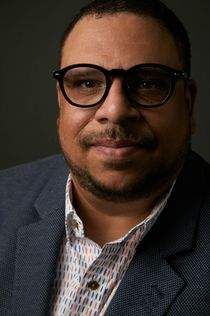
That long-game approach has taken on new urgency. Evan Low, in a recent interview with The Advocate, described the coming elections as a stress test for LGBTQ+ political power, unfolding amid a climate of fear, distortion, and an unprecedented wave of anti-LGBTQ+ legislation.
Related: Joe Biden says MAGA Republicans want to make LGBTQ+ people ‘into something scary’
He has been making that case for months. In December, at the LGBTQ+ Victory Institute’s International LGBTQ+ Leaders Conference, where former President Joe Biden was honored for what organizers called his administration’s “historic leadership” on LGBTQ+ equality, Low described the moment as one of “urgency and hope,” even as the community faces “laser-focused” efforts to “legislate us out of existence.”
In Connecticut, State Treasurer Erick Russell, the first out gay Black man elected to statewide office in the United States, is seeking to continue a tenure the Victory Fund describes as steady and fiscally grounded. In Illinois, Precious Brady-Davis, the first Black out trans woman elected to public office in Cook County history, is running for reelection as a commissioner on the Metropolitan Water Reclamation District of Greater Chicago after building a profile around environmental policy and public health.
Elsewhere, the races are more local, but no less telling. Nevadan Devon Reese, a Reno city councilmember, is running for mayor on a platform rooted in downtown revitalization, community policing, and addressing the high cost of living. In North Carolina, State Rep. Deb Butler remains a fixture in legislative fights over equality measures. And in Wisconsin, Madison Common Councilmember Dina Nina Martinez-Rutherford is running for the State Assembly's 76th District, a race that, if she wins, would make her the first transgender person elected to the Wisconsin Legislature.
Related: LGBTQ+ elected officials are facing mental health challenges. A new initiative wants to support them
Related: If 2025 tested our resolve, 2026 will prove our resilience
The geography is as notable as the candidates. The slate stretches across states where LGBTQ+ rights are broadly protected and those where they are actively contested, with Texas and Tennessee alongside California and New York.
To earn the Victory Fund’s endorsement, candidates must be out as LGBTQ+, support equality and bodily autonomy, and demonstrate a viable path to victory. Founded in 1991, the Victory Fund has helped elect thousands of LGBTQ+ candidates. That success has reshaped American politics in ways that now feel almost taken for granted.
And yet, as Low suggested in both his interview and at the December gathering, the question facing 2026 is not simply how many candidates run, but whether the political conditions that made their rise possible are beginning to erode.