'%3E%3Cpath d='M16.3574 35.6519H12.9537L15.0491 18.8873L16.3574 35.6519ZM30.4229 54.0093L22.309 0.994385H7.91795L0 54.0093H10.6634L11.5802 46.3855H17.4014L17.9914 54.0093H30.4229Z' fill='%23971B20'/%3E%3Cpath d='M48.2073 41.8813C48.2073 43.4049 47.4892 44.0011 46.1144 44.0011H43.7595V11.0687H46.1144C47.4892 11.0687 48.2073 11.6636 48.2073 13.1885V41.8813ZM59.5273 43.6695V11.3326C59.5273 3.71323 53.5729 0.994385 47.8157 0.994385H31.7213V54.0093H47.8157C53.5729 54.0093 59.5273 51.29 59.5273 43.6695Z' fill='%23971B20'/%3E%3Cpath d='M90.183 0.994385H78.6039L75.0711 30.6157L71.9955 0.994385H59.4346L69.2474 54.0093H80.373L90.183 0.994385Z' fill='%23971B20'/%3E%3Cpath d='M107.063 42.3448C107.063 43.7359 105.951 44.5974 104.643 44.5974C103.269 44.5974 102.157 43.7359 102.157 42.3448V12.658C102.157 11.2676 103.269 10.4058 104.643 10.4058C105.951 10.4058 107.063 11.2676 107.063 12.658V42.3448ZM119.233 43.2723V11.7312C119.233 6.36384 112.952 -3.8147e-06 104.643 -3.8147e-06C96.2667 -3.8147e-06 89.9867 6.36384 89.9867 11.7312V43.2723C89.9867 48.6393 96.2667 55 104.643 55C112.952 55 119.233 48.6393 119.233 43.2723Z' fill='%23971B20'/%3E%3Cpath d='M150.976 43.9349V33.7309H139.069V42.3448C139.069 43.7359 137.957 44.5974 136.582 44.5974C135.076 44.5974 133.964 43.7359 133.964 42.3448V12.658C133.964 11.2676 135.076 10.4058 136.582 10.4058C137.957 10.4058 139.069 11.2676 139.069 12.658V21.2723H150.976V11.0687C150.976 5.70107 145.283 -3.8147e-06 136.582 -3.8147e-06C127.75 -3.8147e-06 121.796 5.70107 121.796 11.0687V43.9349C121.796 49.3022 127.75 55 136.582 55C145.283 55 150.976 49.3022 150.976 43.9349Z' fill='%23971B20'/%3E%3Cpath d='M167.478 35.6519H164.076L166.17 18.8873L167.478 35.6519ZM181.544 54.0093L173.432 0.994385H159.037L151.123 54.0093H161.785L162.704 46.3855H168.523L169.114 54.0093H181.544Z' fill='%23971B20'/%3E%3Cpath d='M205.412 10.4058V0.994385H177.081V10.4058H185.392V54.0093H197.428V10.4058H205.412Z' fill='%23971B20'/%3E%3Cpath d='M230.002 54.0093V43.9349H218.914V31.8746H226.635V21.8028H218.914V10.4058H230.002V0.994385H206.875V54.0093H230.002Z' fill='%23971B20'/%3E%3C/g%3E%3Cdefs%3E%3CclipPath id='clip0_260_7080'%3E%3Crect width='230' height='55' fill='white'/%3E%3C/clipPath%3E%3C/defs%3E%3C/svg%3E)
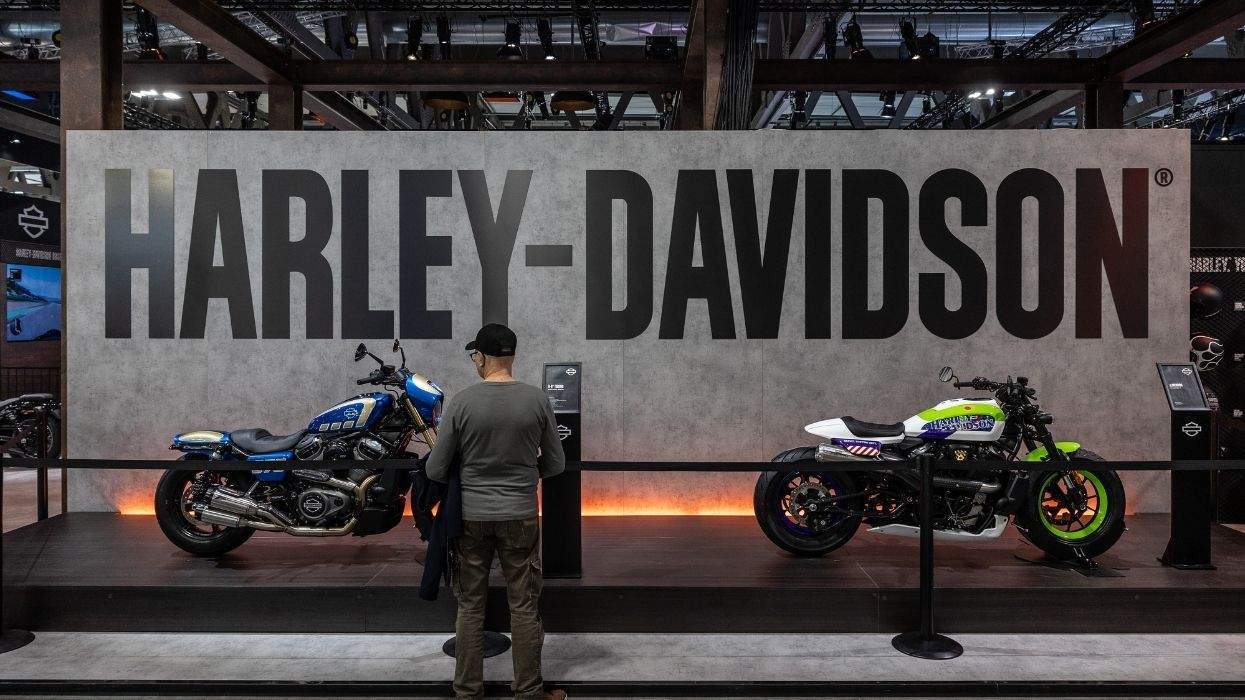

Far-right influencers launched what appeared to be a coordinated campaign to deride Harley-Davidson as “gay” and “woke.” Many of the attacks promoted the same competitor as a supposedly more "based" alternative.
Ironically, the latest round of criticism comes less than two years after Harley-Davidson abandoned its diversity, equity, and inclusion initiatives following pressure from far-right activist Robby Starbuck, who had branded the programs as “woke.”
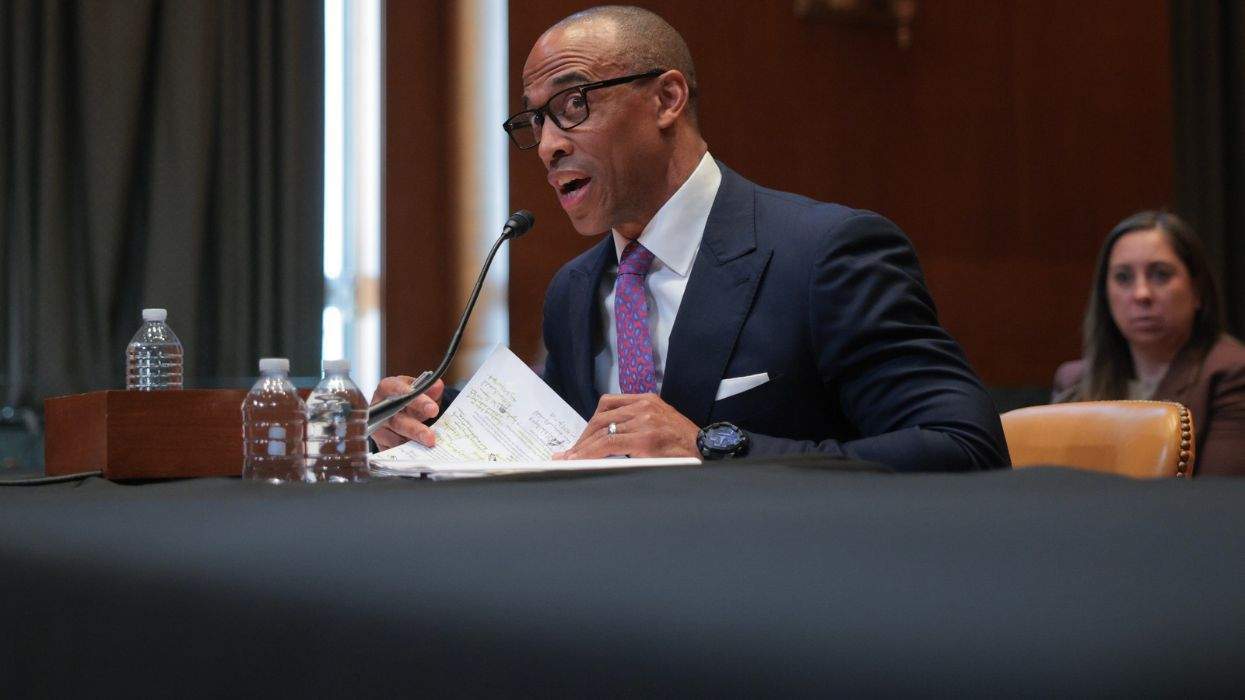
Starbuck on Thursday posted what he claimed was new evidence that Harley-Davidson’s new CEO has a history of supporting DEI initiatives. But Starbuck appeared to be arriving late to a backlash that had already erupted across right-wing social media, where multiple influencers had begun targeting the company in near-unison.
As The Bulwark's Will Sommer noted, the sudden fixation on Harley-Davidson’s willingness to sell motorcycles to LGBTQ+ riders appeared to gain momentum after several influencers repeatedly highlighted the same alternative brand: Indian Motorcycle.
Related: Companies dropping DEI will face consequences — 80% of LGBTQ+ adults support boycotts: report
Most notably, mixed martial arts fighter Sean Strickland took a swipe at Harley-Davidson while promoting Indian as an apolitical alternative.
“Officially made the switch to Indian Motorcycle. What does Indian stand for? No f***ing clue, the way it should be,” Strickland posted on his 971,000 X followers. “Every time I got on my Harley I was indirectly supporting radical ideology that (is) actually pushing radical ideology on children. There is no going back from that.”
The Bulwark noted that Strickland also claimed he was ditching his Harley-Davidson motorcycles in 2024, but did not revisit the issue publicly until he began promoting Indian.
Days later, the account Gunther Eagleman, which boasts 1.7 million X followers, also posted about both brands.
“Why support a company that lectures you while their business collapses? Harley-Davidson chose woke over customers. Now they’re paying the price,” Eagleman wrote. “Buy Indian Motorcycle. Built by Americans for Americans who just want to ride free. No compromise.
Related: Major companies are ending DEI programs. Here's how an LGBTQ+ group is taking them to task
An account, which is affiliated with far-right commentator Jack Posobiec, called Jack Unheard, which reaches more than 208,000 followers on X, attacked Harley-Davidson’s support for LGBTQ+ organizations before pivoting to praise a specific competitor.
“This is so based. Harley Davidson has gone full woke. Here's a taste,” the Jack account posted. “Founding sponsor of the Wisconsin LGBTQ+ Chamber of Commerce Entrepreneur Bootcamp. 'United for Ukraine,' they even sell a T-shirt. Everyone should dump their Harleys and ride bikes that are actually made in the United States. Indian Motorcycles is doing it right.”
A search of X shows dozens of right-wing and anti-LGBTQ+ accounts — many verified and monetized — pairing attacks on Harley-Davidson’s alleged “woke” policies with endorsements of Indian Motorcycle. Many highlighted Indian’s 125th anniversary or emphasized that the company manufactures its motorcycles in the United States.
Related: Jack Daniel's and Harley-Davidson drop DEI programs after conservatives whine
Indian did not respond to a request for comment from The Bulwark, but the company did post a video the same day as Strickland’s post of the professional athlete on his new motorcycle.
“When the UFC Middleweight Champion says he's excited about a motorcycle, you know it's legit,” a social media post states.
Harley-Davidson issued a statement about the issue.
"Harley-Davidson is one of the most iconic brands in the world for a simple reason: we build the best bikes on the planet, PERIOD. Our riders, dealers, and employees are grounded in freedom and community. This is our way of life," the statement reads.
"Since stepping into the role eight months ago, CEO Artie Starrs has spent time across the country listening directly to our riders, dealers, employees and unions. One of the first things Artie did as CEO was bringing back our legacy bar and shield logo. As our dealers and employees can attest, our only agenda is getting back to basics: building great motorcycles, strengthening our network of 500+ U.S. dealers, and supporting a workforce that is proud of the product they put on the road. We have made meaningful improvements and changes, and that work continues."