'%3E%3Cpath d='M16.3574 35.6519H12.9537L15.0491 18.8873L16.3574 35.6519ZM30.4229 54.0093L22.309 0.994385H7.91795L0 54.0093H10.6634L11.5802 46.3855H17.4014L17.9914 54.0093H30.4229Z' fill='%23971B20'/%3E%3Cpath d='M48.2073 41.8813C48.2073 43.4049 47.4892 44.0011 46.1144 44.0011H43.7595V11.0687H46.1144C47.4892 11.0687 48.2073 11.6636 48.2073 13.1885V41.8813ZM59.5273 43.6695V11.3326C59.5273 3.71323 53.5729 0.994385 47.8157 0.994385H31.7213V54.0093H47.8157C53.5729 54.0093 59.5273 51.29 59.5273 43.6695Z' fill='%23971B20'/%3E%3Cpath d='M90.183 0.994385H78.6039L75.0711 30.6157L71.9955 0.994385H59.4346L69.2474 54.0093H80.373L90.183 0.994385Z' fill='%23971B20'/%3E%3Cpath d='M107.063 42.3448C107.063 43.7359 105.951 44.5974 104.643 44.5974C103.269 44.5974 102.157 43.7359 102.157 42.3448V12.658C102.157 11.2676 103.269 10.4058 104.643 10.4058C105.951 10.4058 107.063 11.2676 107.063 12.658V42.3448ZM119.233 43.2723V11.7312C119.233 6.36384 112.952 -3.8147e-06 104.643 -3.8147e-06C96.2667 -3.8147e-06 89.9867 6.36384 89.9867 11.7312V43.2723C89.9867 48.6393 96.2667 55 104.643 55C112.952 55 119.233 48.6393 119.233 43.2723Z' fill='%23971B20'/%3E%3Cpath d='M150.976 43.9349V33.7309H139.069V42.3448C139.069 43.7359 137.957 44.5974 136.582 44.5974C135.076 44.5974 133.964 43.7359 133.964 42.3448V12.658C133.964 11.2676 135.076 10.4058 136.582 10.4058C137.957 10.4058 139.069 11.2676 139.069 12.658V21.2723H150.976V11.0687C150.976 5.70107 145.283 -3.8147e-06 136.582 -3.8147e-06C127.75 -3.8147e-06 121.796 5.70107 121.796 11.0687V43.9349C121.796 49.3022 127.75 55 136.582 55C145.283 55 150.976 49.3022 150.976 43.9349Z' fill='%23971B20'/%3E%3Cpath d='M167.478 35.6519H164.076L166.17 18.8873L167.478 35.6519ZM181.544 54.0093L173.432 0.994385H159.037L151.123 54.0093H161.785L162.704 46.3855H168.523L169.114 54.0093H181.544Z' fill='%23971B20'/%3E%3Cpath d='M205.412 10.4058V0.994385H177.081V10.4058H185.392V54.0093H197.428V10.4058H205.412Z' fill='%23971B20'/%3E%3Cpath d='M230.002 54.0093V43.9349H218.914V31.8746H226.635V21.8028H218.914V10.4058H230.002V0.994385H206.875V54.0093H230.002Z' fill='%23971B20'/%3E%3C/g%3E%3Cdefs%3E%3CclipPath id='clip0_260_7080'%3E%3Crect width='230' height='55' fill='white'/%3E%3C/clipPath%3E%3C/defs%3E%3C/svg%3E)
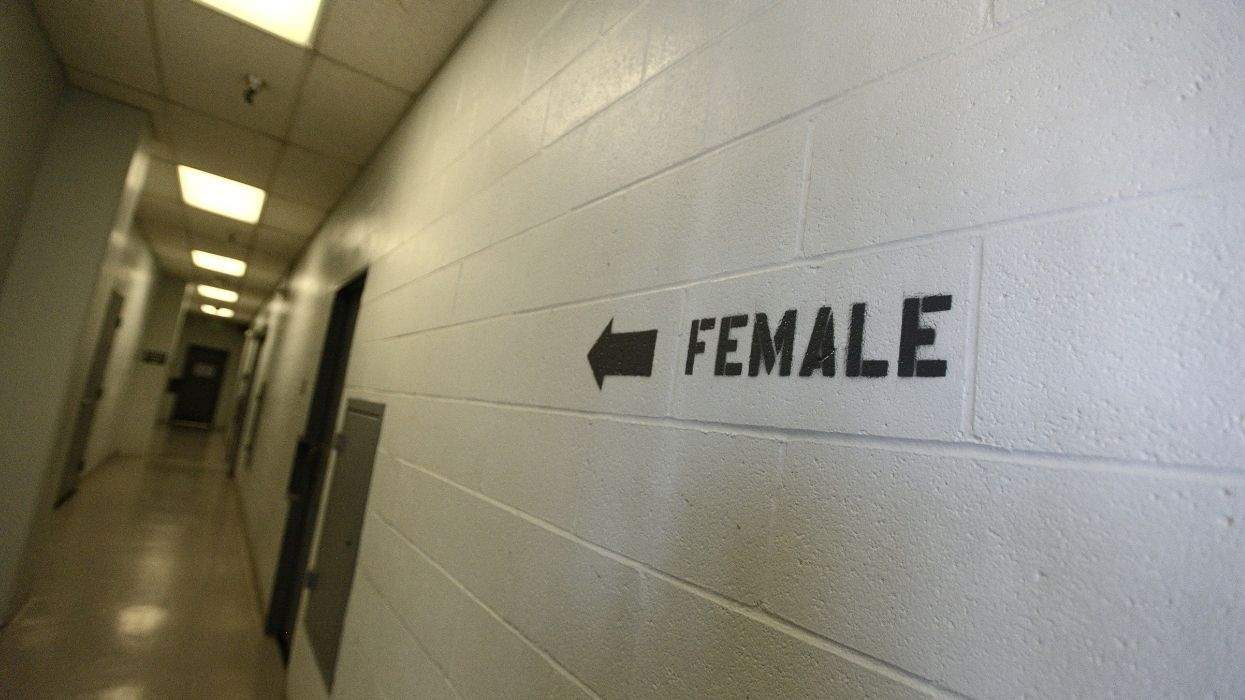

The Trump administration moved transgender women in federal custody into segregated housing despite a court order barring their transfer out of women’s facilities.
An attorney for the inmates told U.S. District Judge Royce Lamberth that the administration had violated the court’s May order by moving the women into segregated units, according to the Associated Press. Lamberth is now considering how to enforce his injunction.
When Lamberth pressed Justice Department attorneys on whether the action violated his prior court order, administration attorneys said they had complied with the letter of the ruling.
“Based on the words of your order, there was no violation,” Justice Department attorney Jared Littman said.
Justice Department officials argued that Lamberth’s prior order did not require the transgender women to be housed in the general population with other women and only prohibited their transfer to men’s facilities.
But attorneys for the transgender inmates challenging the administration’s policy say they should remain in the general population.
The case lists plaintiffs under “Jane Doe” pseudonyms and shields many of the briefs outlining the inmates’ specific circumstances from public view. But Lamberth has ruled in prior orders that the case can proceed as a class-action lawsuit and that transgender people constitute a legal class for the purposes of the case. That means the case could have far-reaching consequences for the treatment of transgender inmates nationwide.
Related: Court rules Trump can’t move transgender women to men’s prisons
Under President Donald Trump, the Justice Department has ordered transgender inmates to be housed in prisons based on their sex assigned at birth. Advocates say that policy directly violates provisions of the Prison Rape Elimination Act aimed at protecting transgender inmates from sexual abuse. The federal law was passed unanimously by Congress in 2003 following years of reported sexual violence in U.S. prisons.
Attorneys for the inmates say placing the women in segregated units violates the spirit of Lamberth’s order. They said the segregation had contributed to emotional distress and exacerbated depression tied to the women’s medically diagnosed gender dysphoria.
“This is a backdoor attempt to implement the executive order,” attorney Alexander Shalom argued in court. “The conditions are not in any way comparable to a women’s facility.”