'%3E%3Cpath d='M16.3574 35.6519H12.9537L15.0491 18.8873L16.3574 35.6519ZM30.4229 54.0093L22.309 0.994385H7.91795L0 54.0093H10.6634L11.5802 46.3855H17.4014L17.9914 54.0093H30.4229Z' fill='%23971B20'/%3E%3Cpath d='M48.2073 41.8813C48.2073 43.4049 47.4892 44.0011 46.1144 44.0011H43.7595V11.0687H46.1144C47.4892 11.0687 48.2073 11.6636 48.2073 13.1885V41.8813ZM59.5273 43.6695V11.3326C59.5273 3.71323 53.5729 0.994385 47.8157 0.994385H31.7213V54.0093H47.8157C53.5729 54.0093 59.5273 51.29 59.5273 43.6695Z' fill='%23971B20'/%3E%3Cpath d='M90.183 0.994385H78.6039L75.0711 30.6157L71.9955 0.994385H59.4346L69.2474 54.0093H80.373L90.183 0.994385Z' fill='%23971B20'/%3E%3Cpath d='M107.063 42.3448C107.063 43.7359 105.951 44.5974 104.643 44.5974C103.269 44.5974 102.157 43.7359 102.157 42.3448V12.658C102.157 11.2676 103.269 10.4058 104.643 10.4058C105.951 10.4058 107.063 11.2676 107.063 12.658V42.3448ZM119.233 43.2723V11.7312C119.233 6.36384 112.952 -3.8147e-06 104.643 -3.8147e-06C96.2667 -3.8147e-06 89.9867 6.36384 89.9867 11.7312V43.2723C89.9867 48.6393 96.2667 55 104.643 55C112.952 55 119.233 48.6393 119.233 43.2723Z' fill='%23971B20'/%3E%3Cpath d='M150.976 43.9349V33.7309H139.069V42.3448C139.069 43.7359 137.957 44.5974 136.582 44.5974C135.076 44.5974 133.964 43.7359 133.964 42.3448V12.658C133.964 11.2676 135.076 10.4058 136.582 10.4058C137.957 10.4058 139.069 11.2676 139.069 12.658V21.2723H150.976V11.0687C150.976 5.70107 145.283 -3.8147e-06 136.582 -3.8147e-06C127.75 -3.8147e-06 121.796 5.70107 121.796 11.0687V43.9349C121.796 49.3022 127.75 55 136.582 55C145.283 55 150.976 49.3022 150.976 43.9349Z' fill='%23971B20'/%3E%3Cpath d='M167.478 35.6519H164.076L166.17 18.8873L167.478 35.6519ZM181.544 54.0093L173.432 0.994385H159.037L151.123 54.0093H161.785L162.704 46.3855H168.523L169.114 54.0093H181.544Z' fill='%23971B20'/%3E%3Cpath d='M205.412 10.4058V0.994385H177.081V10.4058H185.392V54.0093H197.428V10.4058H205.412Z' fill='%23971B20'/%3E%3Cpath d='M230.002 54.0093V43.9349H218.914V31.8746H226.635V21.8028H218.914V10.4058H230.002V0.994385H206.875V54.0093H230.002Z' fill='%23971B20'/%3E%3C/g%3E%3Cdefs%3E%3CclipPath id='clip0_260_7080'%3E%3Crect width='230' height='55' fill='white'/%3E%3C/clipPath%3E%3C/defs%3E%3C/svg%3E)
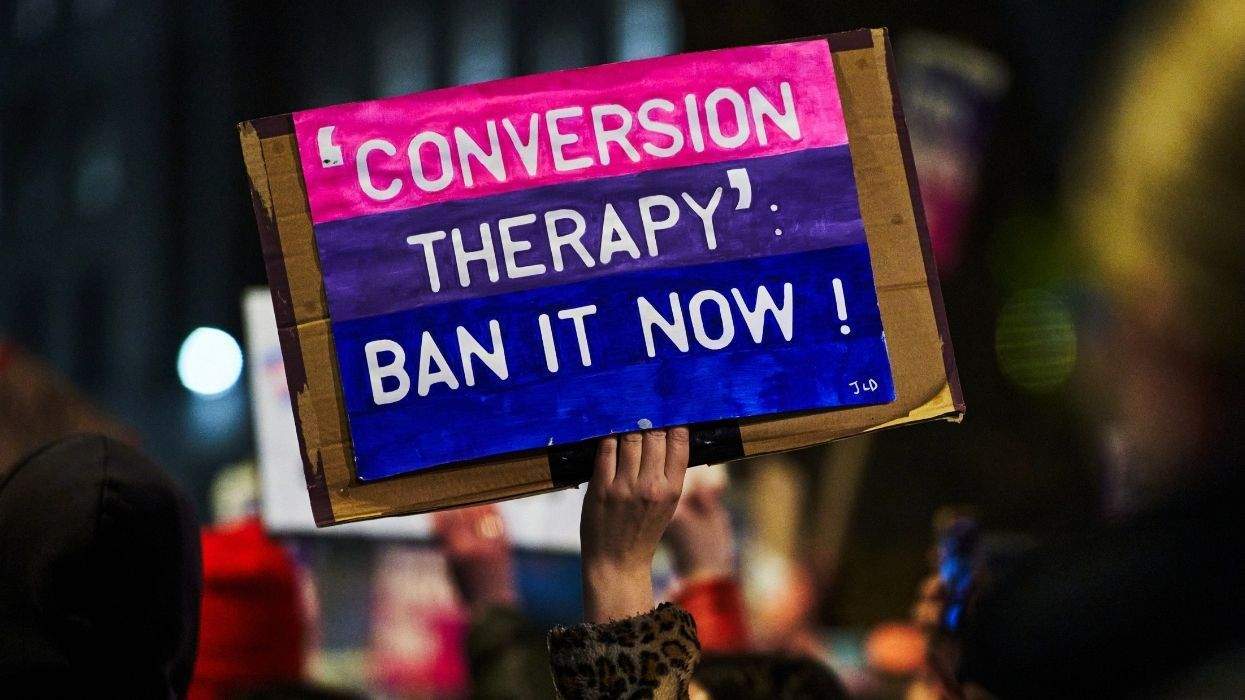
In the wake of a recent U.S. Supreme Court decision that curtailed states’ ability to prohibit so-called “conversion therapy” outright, Colorado lawmakers are advancing a bill to deter the practice through civil liability rather than direct bans.
The proposal, House Bill 26-1322, would allow people who say they were subjected to conversion therapy to sue licensed mental health providers, as well as those who employ or supervise them, with no statute of limitations, according to the bill’s text. Lawmakers say that change reflects the reality that many survivors do not come forward until years, sometimes decades, after the harm.
The bill is both a response to and a test of the Supreme Court’s March 31 Chiles v. Salazar ruling, which found that talk therapy is protected speech under the First Amendment. As previously reported by The Advocate, the decision did not question the medical consensus that conversion therapy is ineffective and harmful. Instead, it drew a constitutional boundary around what the government can regulate: not the practice’s outcomes, but the words used in a therapeutic setting.
Related: Kids can be subjected to harmful 'conversion therapy,’ U.S. Supreme Court rules
Related: Appeals court denies attempt to block Colorado’s conversion therapy ban
That distinction has forced states like Colorado to rethink how to intervene.
Rather than banning conversion therapy directly, the bill treats it as professional misconduct with consequences that unfold in civil court. The aim, its sponsors say, is to make offering the practice legally and financially risky enough to prompt providers to abandon it.
State Rep. Karen McCormick, a Democrat sponsoring the bill, has called the action a necessary adaptation to a shifting legal landscape, one that still leaves LGBTQ+ people, especially young people, vulnerable, according to Sentinel Colorado. The measure applies only to licensed mental health professionals, leaving clergy and most religious counselors outside its reach.
One survivor, now 60, described carrying the effects of conversion therapy for decades, telling lawmakers they spent years trying to prove they were “worthy,” according to Sentinel Colorado.
Related: The fight to eradicate dangerous ‘conversion therapy’ isn’t over, alarming new report warns
Related: Almost 200 members of Congress call on the Supreme Court to uphold bans on conversion therapy
Advocates say those experiences remain widespread. A 2024 survey by The Trevor Project found more than one in 10 LGBTQ+ young people in Colorado reported being subjected to or threatened with conversion therapy in the past year.
“Unfortunately, we very much know that conversion therapy is alive and well,” Casey Pick, the Trevor Project’s senior director of law and policy, told Sentinel Colorado.
Legal advocates have emphasized that the Supreme Court’s ruling was narrower than it may appear. Legal director at the National Center for LGBTQ Rights, Shannon Minter, previously told The Advocate that the decision “was not endorsing conversion therapy,” but agreed that it complicates how states can regulate conversion therapy.