'%3E%3Cpath d='M16.3574 35.6519H12.9537L15.0491 18.8873L16.3574 35.6519ZM30.4229 54.0093L22.309 0.994385H7.91795L0 54.0093H10.6634L11.5802 46.3855H17.4014L17.9914 54.0093H30.4229Z' fill='%23971B20'/%3E%3Cpath d='M48.2073 41.8813C48.2073 43.4049 47.4892 44.0011 46.1144 44.0011H43.7595V11.0687H46.1144C47.4892 11.0687 48.2073 11.6636 48.2073 13.1885V41.8813ZM59.5273 43.6695V11.3326C59.5273 3.71323 53.5729 0.994385 47.8157 0.994385H31.7213V54.0093H47.8157C53.5729 54.0093 59.5273 51.29 59.5273 43.6695Z' fill='%23971B20'/%3E%3Cpath d='M90.183 0.994385H78.6039L75.0711 30.6157L71.9955 0.994385H59.4346L69.2474 54.0093H80.373L90.183 0.994385Z' fill='%23971B20'/%3E%3Cpath d='M107.063 42.3448C107.063 43.7359 105.951 44.5974 104.643 44.5974C103.269 44.5974 102.157 43.7359 102.157 42.3448V12.658C102.157 11.2676 103.269 10.4058 104.643 10.4058C105.951 10.4058 107.063 11.2676 107.063 12.658V42.3448ZM119.233 43.2723V11.7312C119.233 6.36384 112.952 -3.8147e-06 104.643 -3.8147e-06C96.2667 -3.8147e-06 89.9867 6.36384 89.9867 11.7312V43.2723C89.9867 48.6393 96.2667 55 104.643 55C112.952 55 119.233 48.6393 119.233 43.2723Z' fill='%23971B20'/%3E%3Cpath d='M150.976 43.9349V33.7309H139.069V42.3448C139.069 43.7359 137.957 44.5974 136.582 44.5974C135.076 44.5974 133.964 43.7359 133.964 42.3448V12.658C133.964 11.2676 135.076 10.4058 136.582 10.4058C137.957 10.4058 139.069 11.2676 139.069 12.658V21.2723H150.976V11.0687C150.976 5.70107 145.283 -3.8147e-06 136.582 -3.8147e-06C127.75 -3.8147e-06 121.796 5.70107 121.796 11.0687V43.9349C121.796 49.3022 127.75 55 136.582 55C145.283 55 150.976 49.3022 150.976 43.9349Z' fill='%23971B20'/%3E%3Cpath d='M167.478 35.6519H164.076L166.17 18.8873L167.478 35.6519ZM181.544 54.0093L173.432 0.994385H159.037L151.123 54.0093H161.785L162.704 46.3855H168.523L169.114 54.0093H181.544Z' fill='%23971B20'/%3E%3Cpath d='M205.412 10.4058V0.994385H177.081V10.4058H185.392V54.0093H197.428V10.4058H205.412Z' fill='%23971B20'/%3E%3Cpath d='M230.002 54.0093V43.9349H218.914V31.8746H226.635V21.8028H218.914V10.4058H230.002V0.994385H206.875V54.0093H230.002Z' fill='%23971B20'/%3E%3C/g%3E%3Cdefs%3E%3CclipPath id='clip0_260_7080'%3E%3Crect width='230' height='55' fill='white'/%3E%3C/clipPath%3E%3C/defs%3E%3C/svg%3E)
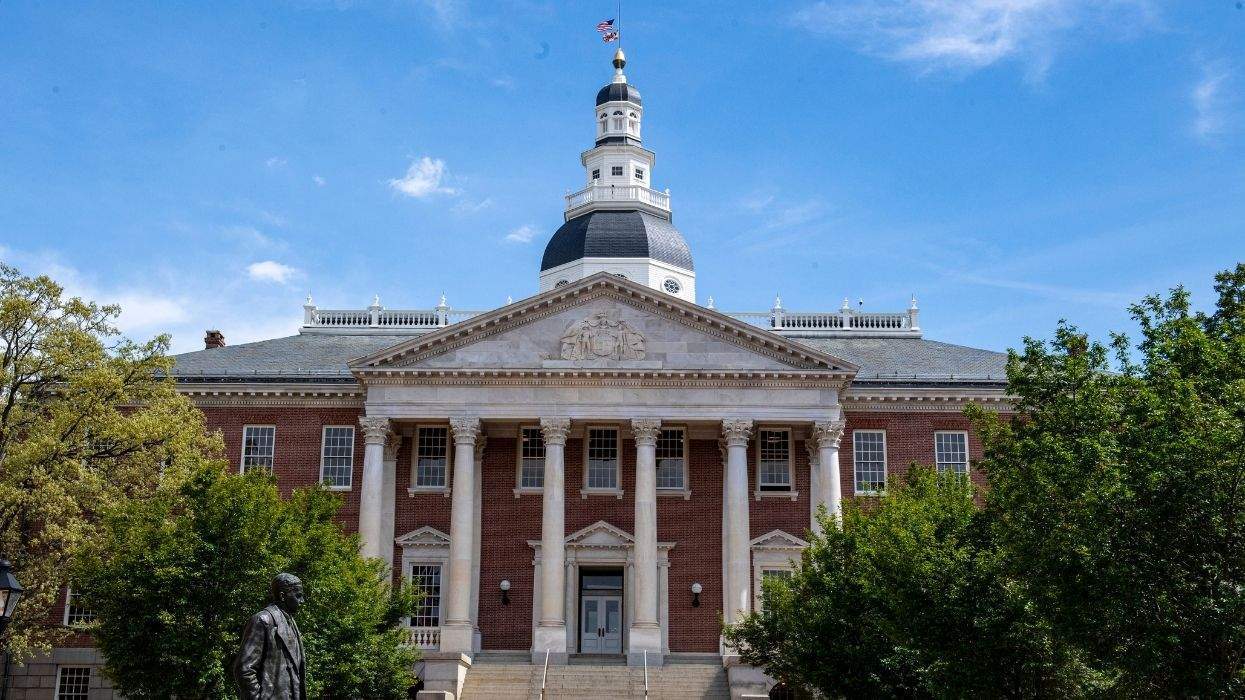
Maryland lawmakers are advancing legislation that would expand anti-discrimination protections across the state's education system, explicitly covering all students, including transgender youth, as advocates warn that both federal enforcement and school conditions for LGBTQ+ students are deteriorating.
Keep up with the latest in LGBTQ+ news and politics. Sign up for The Advocate's email newsletter.
House Bill 649, the "Advancing Equal Educational Opportunities for All Students in Maryland" Act, passed the House of Delegates 100-35 on March 23 and is now before the Senate, where a hearing was held on April 1.
The bill would authorize the Maryland Commission on Civil Rights to enforce a prohibition on discrimination and retaliation in educational institutions and establish a private right of action, allowing students and families to sue schools directly.
Related: Supreme Court allows Maryland parents to opt their kids out of LGBTQ+ lessons in schools
At its core, the measure creates a new statewide enforcement structure. Students who believe they have been excluded from participation in, denied the benefits of, or subjected to discrimination in an educational program may file complaints with the state superintendent or the civil rights commission, or ultimately pursue claims in court.
The protections are broad. The bill bars discrimination based on race, color, national origin, ethnicity, ancestry, religion, sex, pregnancy, sexual orientation, gender identity, disability, age, or marital status, applying to virtually every part of school life, from admissions to athletics to facilities. The legislation applies to any educational program that leads to a certificate, diploma, or degree, covering not only K-12 schools but also colleges, universities, and other postsecondary programs statewide.
If discrimination is found and not remedied, the state could ultimately withhold funding from a school or program and require corrective action to eliminate the violation.
Supporters say the bill is necessary as the U.S. Department of Education’s Office for Civil Rights, long the primary venue for discrimination complaints, has been severely diminished by President Donald Trump and his Education Secretary Linda McMahon. Seven regional offices have been closed entirely, and the remaining staff have been redeployed away from the complaint investigations that the offices were built to handle.
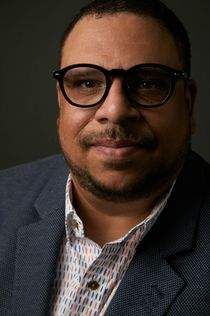
"This bill addresses a state-level enforcement gap in education discrimination, particularly in higher education," Cleveland Horton II, executive director of the Maryland Commission on Civil Rights, told lawmakers, Baltimore Fox affiliate WBFF reports. "This bill is not intended to replace the Office of Civil Rights, but again, to provide a state-level parallel safeguard, and to reduce the over-reliance on federal capacity."
In testimony submitted to lawmakers, the American Civil Liberties Union of Maryland warned that "with the dismantling of USDE and OCR, Maryland must fill the gap to ensure that the civil rights of all Maryland students are protected and upheld."
The National Women’s Law Center Action Fund described a federal enforcement system in deeper retreat, telling lawmakers that "over half of the regional ED-OCR offices have shut down" and that in 2025 the agency "completed zero resolution agreements to protect K-12 women and girls from sex harassment and assault in school." The group added that federal investigators have instead "focused on ideological priorities, including punishing schools for transgender-inclusive policies," leaving LGBTQ+ students "without recourse."
That shift in federal enforcement has been accompanied by a more aggressive posture toward transgender students specifically. Since 2025, the Trump administration has directed agencies to scrutinize schools that allow trans students to participate in sports or access facilities aligned with their gender identity, opening Title IX investigations and threatening funding consequences.
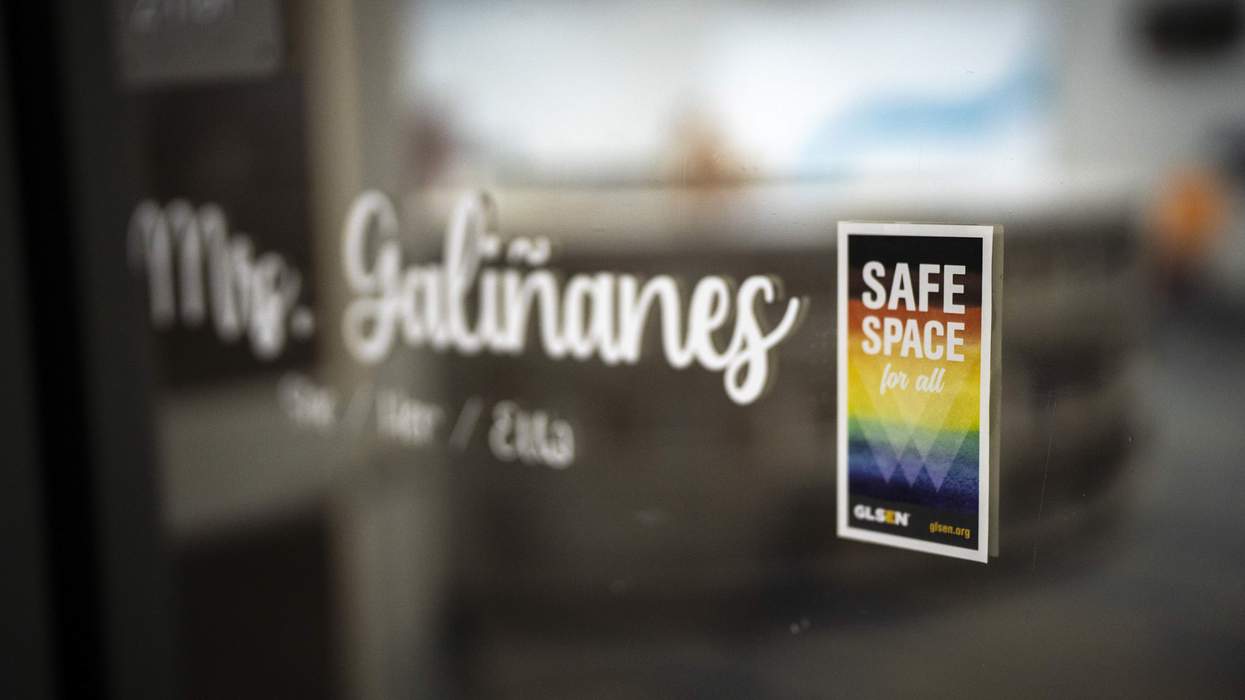
Those federal moves have coincided with worsening conditions in schools, according to Glisten, the organization formerly known as GLSEN that rebranded in February. The group’s 2025 National School Climate Survey, based on responses from 2,800 students, found that two in three LGBTQ+ students reported feeling unsafe at school because of their sexual orientation, gender identity, or gender expression during the 2023-24 school year. The survey also found that 86 percent of transgender and gender-expansive students avoided certain school spaces, and 62 percent experienced harassment or assault tied to their sexual orientation.
Opponents, including some religious and private school groups, argue the measure could expose schools to increased litigation and infringe on institutional autonomy. Supporters counter that it establishes baseline civil rights protections while preserving existing legal safeguards for religious institutions.