'%3E%3Cpath d='M16.3574 35.6519H12.9537L15.0491 18.8873L16.3574 35.6519ZM30.4229 54.0093L22.309 0.994385H7.91795L0 54.0093H10.6634L11.5802 46.3855H17.4014L17.9914 54.0093H30.4229Z' fill='%23971B20'/%3E%3Cpath d='M48.2073 41.8813C48.2073 43.4049 47.4892 44.0011 46.1144 44.0011H43.7595V11.0687H46.1144C47.4892 11.0687 48.2073 11.6636 48.2073 13.1885V41.8813ZM59.5273 43.6695V11.3326C59.5273 3.71323 53.5729 0.994385 47.8157 0.994385H31.7213V54.0093H47.8157C53.5729 54.0093 59.5273 51.29 59.5273 43.6695Z' fill='%23971B20'/%3E%3Cpath d='M90.183 0.994385H78.6039L75.0711 30.6157L71.9955 0.994385H59.4346L69.2474 54.0093H80.373L90.183 0.994385Z' fill='%23971B20'/%3E%3Cpath d='M107.063 42.3448C107.063 43.7359 105.951 44.5974 104.643 44.5974C103.269 44.5974 102.157 43.7359 102.157 42.3448V12.658C102.157 11.2676 103.269 10.4058 104.643 10.4058C105.951 10.4058 107.063 11.2676 107.063 12.658V42.3448ZM119.233 43.2723V11.7312C119.233 6.36384 112.952 -3.8147e-06 104.643 -3.8147e-06C96.2667 -3.8147e-06 89.9867 6.36384 89.9867 11.7312V43.2723C89.9867 48.6393 96.2667 55 104.643 55C112.952 55 119.233 48.6393 119.233 43.2723Z' fill='%23971B20'/%3E%3Cpath d='M150.976 43.9349V33.7309H139.069V42.3448C139.069 43.7359 137.957 44.5974 136.582 44.5974C135.076 44.5974 133.964 43.7359 133.964 42.3448V12.658C133.964 11.2676 135.076 10.4058 136.582 10.4058C137.957 10.4058 139.069 11.2676 139.069 12.658V21.2723H150.976V11.0687C150.976 5.70107 145.283 -3.8147e-06 136.582 -3.8147e-06C127.75 -3.8147e-06 121.796 5.70107 121.796 11.0687V43.9349C121.796 49.3022 127.75 55 136.582 55C145.283 55 150.976 49.3022 150.976 43.9349Z' fill='%23971B20'/%3E%3Cpath d='M167.478 35.6519H164.076L166.17 18.8873L167.478 35.6519ZM181.544 54.0093L173.432 0.994385H159.037L151.123 54.0093H161.785L162.704 46.3855H168.523L169.114 54.0093H181.544Z' fill='%23971B20'/%3E%3Cpath d='M205.412 10.4058V0.994385H177.081V10.4058H185.392V54.0093H197.428V10.4058H205.412Z' fill='%23971B20'/%3E%3Cpath d='M230.002 54.0093V43.9349H218.914V31.8746H226.635V21.8028H218.914V10.4058H230.002V0.994385H206.875V54.0093H230.002Z' fill='%23971B20'/%3E%3C/g%3E%3Cdefs%3E%3CclipPath id='clip0_260_7080'%3E%3Crect width='230' height='55' fill='white'/%3E%3C/clipPath%3E%3C/defs%3E%3C/svg%3E)
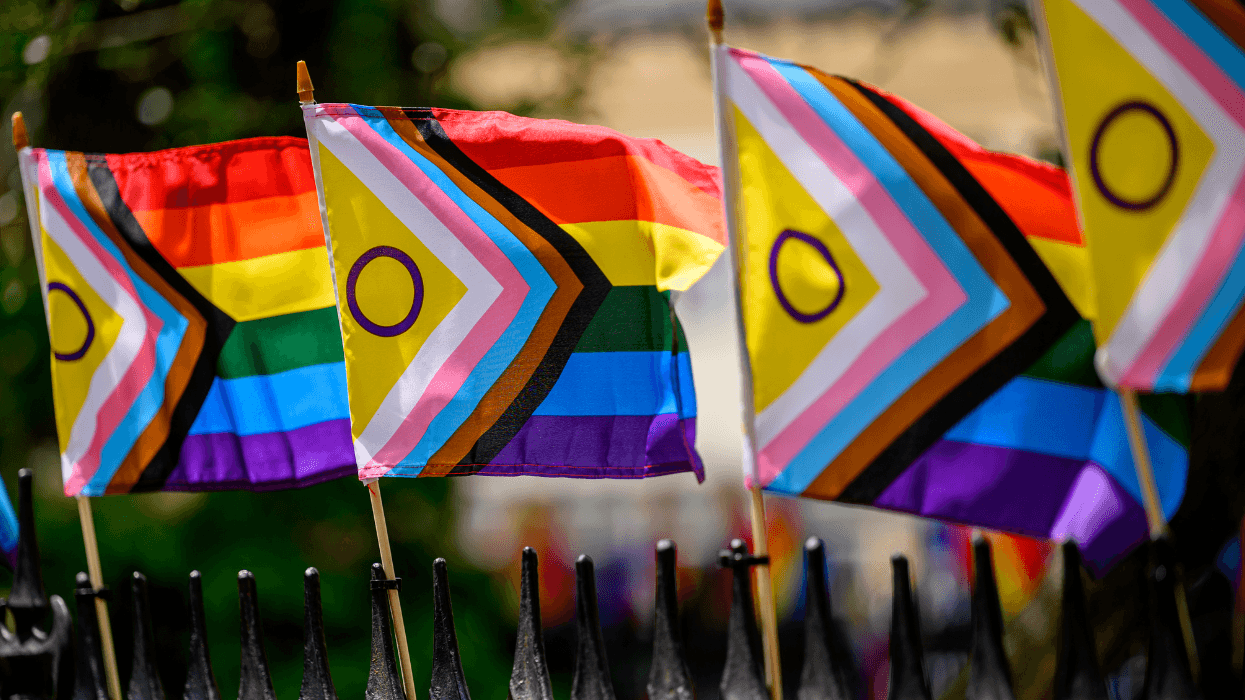
In Washington, D.C., where more than one in seven adults identifies as LGBTQ+, the most local layer of elected government still does not reliably reflect the people it represents. Capital Stonewall Democrats is trying to change that, beginning block by block.
The LGBTQ+ political organization has launched Queering ANCs, a digital program designed to recruit, train and support LGBTQ+ people and allies seeking seats on the District’s Advisory Neighborhood Commissions. The group describes it as the country’s most ambitious effort to build an LGBTQ+ candidate pipeline through hyperlocal government.
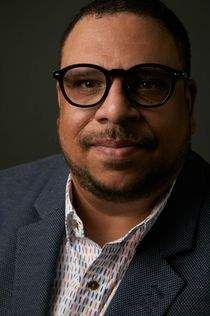
“Queering ANCs is an online, web-based tool that’s designed really to simply move people from interest in running to actually getting their name on the ballot,” Capital Stonewall Democrats President Stevie McCarty told The Advocate in an interview.
The District has the largest proportion of LGBTQ+ adults of any U.S. jurisdiction, according to the Williams Institute at UCLA School of Law. Its 2023 analysis, based on 2020 and 2021 federal health survey data, estimated that 14.3 percent of adults in D.C. — about 81,400 people — identify as LGBTQ+. The national figure was 5.5 percent.
But demographic presence does not automatically produce political representation, especially in offices that many residents may not know exist.
The power of neighborhood government
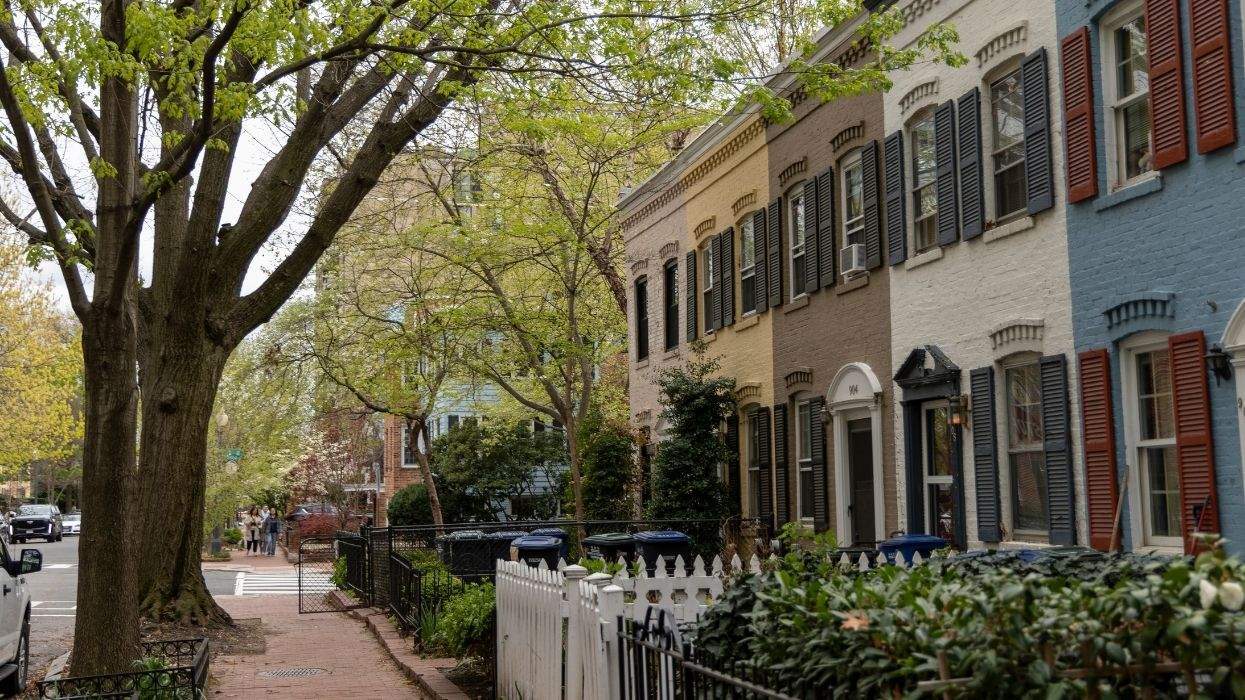
D.C. has 46 Advisory Neighborhood Commissions divided into 345 single-member districts. Commissioners consider matters that shape daily life, including housing, zoning, liquor licenses, traffic, parking, public safety, sanitation and street improvements. Although they do not pass city laws, District agencies are required to give their formal recommendations “great weight.”
“ANCs really do touch just about every daily aspect of our neighbors’ lives,” McCarty said.
McCarty chairs ANC 2G, which includes parts of Shaw and Mount Vernon Square, and is finishing his second term as a commissioner. He pointed to an intersection at 10th Street and Massachusetts Avenue Northwest, where a pedestrian was struck and killed in 2022, as an example of the slow, consequential work commissioners undertake.
McCarty said he spent four years pressing the city for safety improvements at the intersection, which he crosses while walking his dogs with his husband.
“It could have been us. It could have been any of my other neighbors,” he said. “I don’t like to think that the D.C. government is legislating on luck and chance.”
Commissioners can also influence whether new housing is built, how much is allowed on a property and whether bars and restaurants obtain licenses. That authority can become particularly important for LGBTQ-owned businesses and queer events when neighbors oppose their presence, McCarty said.
A low barrier to the ballot
The offices are nonpartisan and carry two-year terms. Getting on the ballot requires signatures from only 25 registered voters in a candidate’s single-member district. Petitions for the 2026 election became available July 6 and must be submitted to the D.C. Board of Elections by 5 p.m. August 5. The election is November 3.
There is no filing fee, and campaigns can be run with little money. Contributions from an individual to an ANC candidate are capped at $25, although candidates may contribute unlimited amounts to their own campaign.
Yet many of the seats go uncontested or attract no candidate at all. McCarty said about 55 districts had no candidate during the previous election cycle. “We’re not talking one or two or a couple seats,” he said. “Those are quite a large number of seats that are going completely vacant and unrepresented.”
Turning interest into candidacies
Queering ANCs is meant to make the process less intimidating. Prospective candidates can take a roughly 60-second readiness quiz, create a profile and access training modules, planning tools and reminders. A goal tracker allows users to set petition or campaign targets and receive what McCarty called “gentle nudges” to keep them moving.
The program also plans in-person office hours before the filing deadline and a cohort training session in September. Residents who are not ready to run can nominate a neighbor, volunteer as a mentor, or use an organizing kit to recruit candidates in their communities.
Safety resources address another potential barrier: the exposure that comes with running for office at a time when LGBTQ+ people, particularly transgender candidates, can face targeted harassment. The program includes guidance on privacy, digital footprints and preparing for threats.
Counting who is already at the table
McCarty estimates that about 15 of the District’s current advisory neighborhood commissioners are out as LGBTQ+, though he cautioned that no organization has conducted a definitive count.
That uncertainty is part of what Queering ANCs is designed to address. McCarty said the program will collect and monitor data while protecting participants’ privacy, giving organizers a clearer picture of where LGBTQ+ commissioners are serving and where representation remains absent.
“You don’t know what you don’t know until you ask,” he said. “And we’re going to be that group that asks these folks to run.”
Building power beyond one election
For Capital Stonewall Democrats, the goal extends beyond achieving proportional representation on neighborhood commissions. McCarty sees ANCs as a place where future candidates can learn how government works and sometimes does not before seeking the D.C. Council or another office.
That effort carries greater urgency, he said, because the District lacks statehood and remains subject to an increasingly hostile federal government. When Congress can override Washington’s autonomy, McCarty said, residents must make full use of every form of representation available to them.
“This is about democracy,” he said. “We need to make sure that we’re taking advantage of any representation we have anywhere because that’s literally how things get done in D.C.”
Where traditional candidate organizations may concentrate on one election, Queering ANCs is designed as a longer political project.
“They see a cycle, and they don’t see a movement or a trajectory of power building over years,” McCarty said. “That’s really where we want to set the foundation.”