
'%3E%3Cpath d='M16.3574 35.6519H12.9537L15.0491 18.8873L16.3574 35.6519ZM30.4229 54.0093L22.309 0.994385H7.91795L0 54.0093H10.6634L11.5802 46.3855H17.4014L17.9914 54.0093H30.4229Z' fill='%23971B20'/%3E%3Cpath d='M48.2073 41.8813C48.2073 43.4049 47.4892 44.0011 46.1144 44.0011H43.7595V11.0687H46.1144C47.4892 11.0687 48.2073 11.6636 48.2073 13.1885V41.8813ZM59.5273 43.6695V11.3326C59.5273 3.71323 53.5729 0.994385 47.8157 0.994385H31.7213V54.0093H47.8157C53.5729 54.0093 59.5273 51.29 59.5273 43.6695Z' fill='%23971B20'/%3E%3Cpath d='M90.183 0.994385H78.6039L75.0711 30.6157L71.9955 0.994385H59.4346L69.2474 54.0093H80.373L90.183 0.994385Z' fill='%23971B20'/%3E%3Cpath d='M107.063 42.3448C107.063 43.7359 105.951 44.5974 104.643 44.5974C103.269 44.5974 102.157 43.7359 102.157 42.3448V12.658C102.157 11.2676 103.269 10.4058 104.643 10.4058C105.951 10.4058 107.063 11.2676 107.063 12.658V42.3448ZM119.233 43.2723V11.7312C119.233 6.36384 112.952 -3.8147e-06 104.643 -3.8147e-06C96.2667 -3.8147e-06 89.9867 6.36384 89.9867 11.7312V43.2723C89.9867 48.6393 96.2667 55 104.643 55C112.952 55 119.233 48.6393 119.233 43.2723Z' fill='%23971B20'/%3E%3Cpath d='M150.976 43.9349V33.7309H139.069V42.3448C139.069 43.7359 137.957 44.5974 136.582 44.5974C135.076 44.5974 133.964 43.7359 133.964 42.3448V12.658C133.964 11.2676 135.076 10.4058 136.582 10.4058C137.957 10.4058 139.069 11.2676 139.069 12.658V21.2723H150.976V11.0687C150.976 5.70107 145.283 -3.8147e-06 136.582 -3.8147e-06C127.75 -3.8147e-06 121.796 5.70107 121.796 11.0687V43.9349C121.796 49.3022 127.75 55 136.582 55C145.283 55 150.976 49.3022 150.976 43.9349Z' fill='%23971B20'/%3E%3Cpath d='M167.478 35.6519H164.076L166.17 18.8873L167.478 35.6519ZM181.544 54.0093L173.432 0.994385H159.037L151.123 54.0093H161.785L162.704 46.3855H168.523L169.114 54.0093H181.544Z' fill='%23971B20'/%3E%3Cpath d='M205.412 10.4058V0.994385H177.081V10.4058H185.392V54.0093H197.428V10.4058H205.412Z' fill='%23971B20'/%3E%3Cpath d='M230.002 54.0093V43.9349H218.914V31.8746H226.635V21.8028H218.914V10.4058H230.002V0.994385H206.875V54.0093H230.002Z' fill='%23971B20'/%3E%3C/g%3E%3Cdefs%3E%3CclipPath id='clip0_260_7080'%3E%3Crect width='230' height='55' fill='white'/%3E%3C/clipPath%3E%3C/defs%3E%3C/svg%3E)
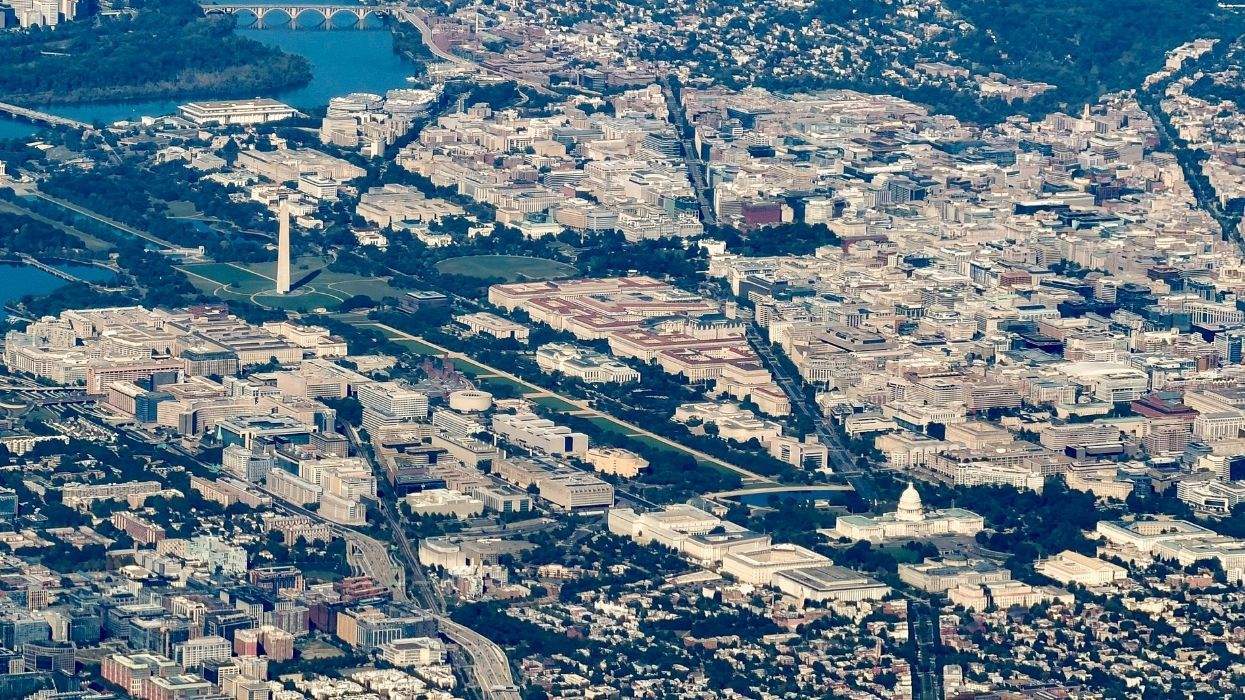
Washington, D.C., has the highest concentration of LGBTQ+ adults in the United States. But a new survey suggests many of the city’s young queer and transgender residents are struggling to afford housing, access mental healthcare, and envision a stable future in the nation’s capital.
A report published Wednesday by the Wanda Alston Foundation and Loyola Marymount University’s LGBTQ+ Politics Research Initiative found that 79 percent of LGBTQ+ young adults in Washington reported difficulty paying rent or a mortgage in the past year, nearly half struggled to afford basic necessities, and almost one-third had considered leaving the District because of housing insecurity. More than half rated their mental health as fair or poor, while more than 80 percent reported feelings of loneliness or isolation.
According to the Williams Institute at UCLA School of Law, an estimated 14.5 percent of adults in the District identify as LGBTQ+, the highest share in the nation. Nationally, the institute estimates that 5.5 percent of U.S. adults, or nearly 13.9 million people, identify as LGBTQ+.
Related: This gay D.C. Council candidate wants Washington to live up to its progressive image
District officials acknowledged the concerns while pointing to housing investments and LGBTQ+-specific support programs.
“The findings regarding housing affordability and economic insecurity among LGBTQIA+ young adults are concerning, but they also reinforce the importance of the work underway across the District,” Gaby Vincent, communications director for the D.C. Mayor’s Office of Community Affairs, said in a statement to The Advocate.
The report is based on responses from 304 LGBTQ+ residents ages 18 to 30 collected in March and April. Researchers said the project comes as LGBTQ+ information has been removed from hundreds of federal data systems and as lawmakers across the country continue advancing anti-LGBTQ+ legislation.
Despite high rates of employment and health insurance coverage, many respondents reported economic hardship. Eighty-one percent said they worked full-time, and 91 percent had health insurance, yet 48 percent struggled to afford basic necessities such as housing, food, and utilities. More than two-thirds reported having to choose between paying for basic needs and saving money during the previous year, while one-quarter worried about having enough food for themselves or their households.
Related: A gay man in D.C. was attacked in his home with a rock. He believes it was a hate crime
Among employed respondents, 46 percent said they believed they were underpaid relative to their experience and qualifications. Among those unemployed and seeking work, 70 percent described their job search as difficult.
Housing emerged as one of the report’s central concerns. Twenty-six percent of respondents reported experiencing housing instability during their lifetimes. Among those individuals, 67 percent experienced instability in the previous 12 months. Eight percent sought access to emergency shelter or transitional housing during the past year, and one-third of those seeking assistance reported being unable to obtain it.
The report notes that LGBTQ+ youth account for roughly 40 percent of unhoused young people in the District. Nearly one-third of respondents said they had considered leaving Washington due to housing insecurity, and affordable housing ranked as the most important factor influencing their decision to stay.
“The District’s ‘safe haven’ status is under threat,” the authors wrote.
Vincent said Mayor Muriel Bowser has invested more than $1.5 billion in affordable housing since taking office, helping build or preserve approximately 24,000 affordable homes.
She also pointed to LGBTQIA+-affirming housing programs that include emergency, transitional, and permanent supportive housing, housing navigation, and homelessness prevention services.
Related: New Book 'Secret City' Delves Into the Gay Underground of D.C.
“While these investments place DC ahead of many jurisdictions nationwide, we know that this work must continue to grow, particularly for LGBTQIA+ youth, who continue to experience disproportionately high rates of housing instability and homelessness,” she said.
The survey also found significant mental health challenges. More than half of respondents rated their mental health as fair, poor, or very poor, and 13 percent said they had been unable to access mental health care when they wanted it. Cost, provider shortages, and a lack of LGBTQ+-affirming providers were among the most commonly cited barriers.
More than 80 percent of respondents reported feeling isolated, left out, or lacking companionship at least some of the time.
“I wish decision makers understood how hard it is to access affordable mental health care that is truly LGBTQ affirming,” one respondent wrote. “Many of us want therapy, but cost, long waitlists, and fear of being misunderstood stop us from getting help.”
“We know that housing stability, economic security, mental health, and community connection are deeply interconnected,” Vincent said.
The survey also found that 37 percent of respondents experienced discrimination in the previous year, most commonly in public spaces, housing, workplaces, online environments, and health care settings. Researchers called for expanded housing investments, stronger mental health infrastructure, improved awareness of available assistance programs, and a coordinated strategy focused on LGBTQ+ economic security.
“Our goal is for Washington, DC to be not only the most welcoming city for LGBTQIA+ people,” Vincent said, “but also a city where LGBTQIA+ residents of all ages can afford to stay, access opportunity, and thrive.”






11 times J.K. Rowling did something wildly transphobic, ranked
J.K. Rowling attends day four of Royal Ascot at Ascot Racecourse on June 20, 2025 in Ascot, England.