'%3E%3Cpath d='M16.3574 35.6519H12.9537L15.0491 18.8873L16.3574 35.6519ZM30.4229 54.0093L22.309 0.994385H7.91795L0 54.0093H10.6634L11.5802 46.3855H17.4014L17.9914 54.0093H30.4229Z' fill='%23971B20'/%3E%3Cpath d='M48.2073 41.8813C48.2073 43.4049 47.4892 44.0011 46.1144 44.0011H43.7595V11.0687H46.1144C47.4892 11.0687 48.2073 11.6636 48.2073 13.1885V41.8813ZM59.5273 43.6695V11.3326C59.5273 3.71323 53.5729 0.994385 47.8157 0.994385H31.7213V54.0093H47.8157C53.5729 54.0093 59.5273 51.29 59.5273 43.6695Z' fill='%23971B20'/%3E%3Cpath d='M90.183 0.994385H78.6039L75.0711 30.6157L71.9955 0.994385H59.4346L69.2474 54.0093H80.373L90.183 0.994385Z' fill='%23971B20'/%3E%3Cpath d='M107.063 42.3448C107.063 43.7359 105.951 44.5974 104.643 44.5974C103.269 44.5974 102.157 43.7359 102.157 42.3448V12.658C102.157 11.2676 103.269 10.4058 104.643 10.4058C105.951 10.4058 107.063 11.2676 107.063 12.658V42.3448ZM119.233 43.2723V11.7312C119.233 6.36384 112.952 -3.8147e-06 104.643 -3.8147e-06C96.2667 -3.8147e-06 89.9867 6.36384 89.9867 11.7312V43.2723C89.9867 48.6393 96.2667 55 104.643 55C112.952 55 119.233 48.6393 119.233 43.2723Z' fill='%23971B20'/%3E%3Cpath d='M150.976 43.9349V33.7309H139.069V42.3448C139.069 43.7359 137.957 44.5974 136.582 44.5974C135.076 44.5974 133.964 43.7359 133.964 42.3448V12.658C133.964 11.2676 135.076 10.4058 136.582 10.4058C137.957 10.4058 139.069 11.2676 139.069 12.658V21.2723H150.976V11.0687C150.976 5.70107 145.283 -3.8147e-06 136.582 -3.8147e-06C127.75 -3.8147e-06 121.796 5.70107 121.796 11.0687V43.9349C121.796 49.3022 127.75 55 136.582 55C145.283 55 150.976 49.3022 150.976 43.9349Z' fill='%23971B20'/%3E%3Cpath d='M167.478 35.6519H164.076L166.17 18.8873L167.478 35.6519ZM181.544 54.0093L173.432 0.994385H159.037L151.123 54.0093H161.785L162.704 46.3855H168.523L169.114 54.0093H181.544Z' fill='%23971B20'/%3E%3Cpath d='M205.412 10.4058V0.994385H177.081V10.4058H185.392V54.0093H197.428V10.4058H205.412Z' fill='%23971B20'/%3E%3Cpath d='M230.002 54.0093V43.9349H218.914V31.8746H226.635V21.8028H218.914V10.4058H230.002V0.994385H206.875V54.0093H230.002Z' fill='%23971B20'/%3E%3C/g%3E%3Cdefs%3E%3CclipPath id='clip0_260_7080'%3E%3Crect width='230' height='55' fill='white'/%3E%3C/clipPath%3E%3C/defs%3E%3C/svg%3E)

School has long been where American culture wars are rehearsed before they play out everywhere else. This year, LGBTQ+ students are once again the rehearsal’s central subject — and, as usual, its least consulted party. Lawmakers are debating over queer kids in hundreds of bills, yet strikingly few adults have thought to ask what the students themselves make of it.
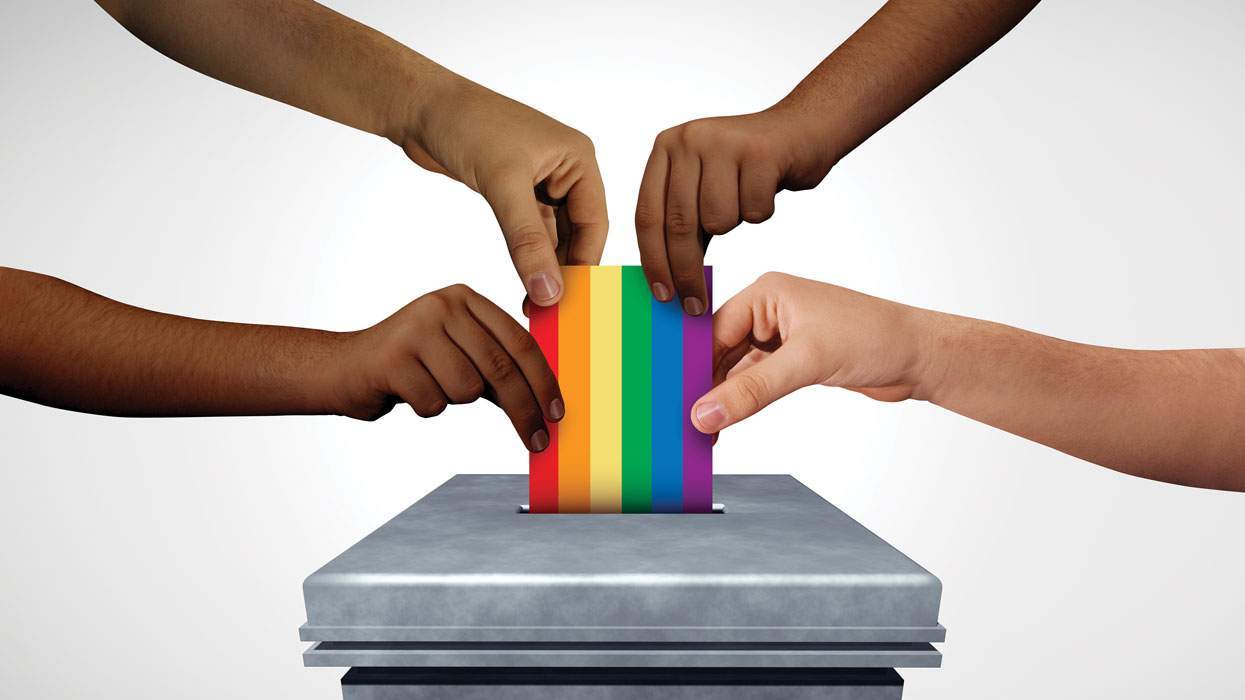
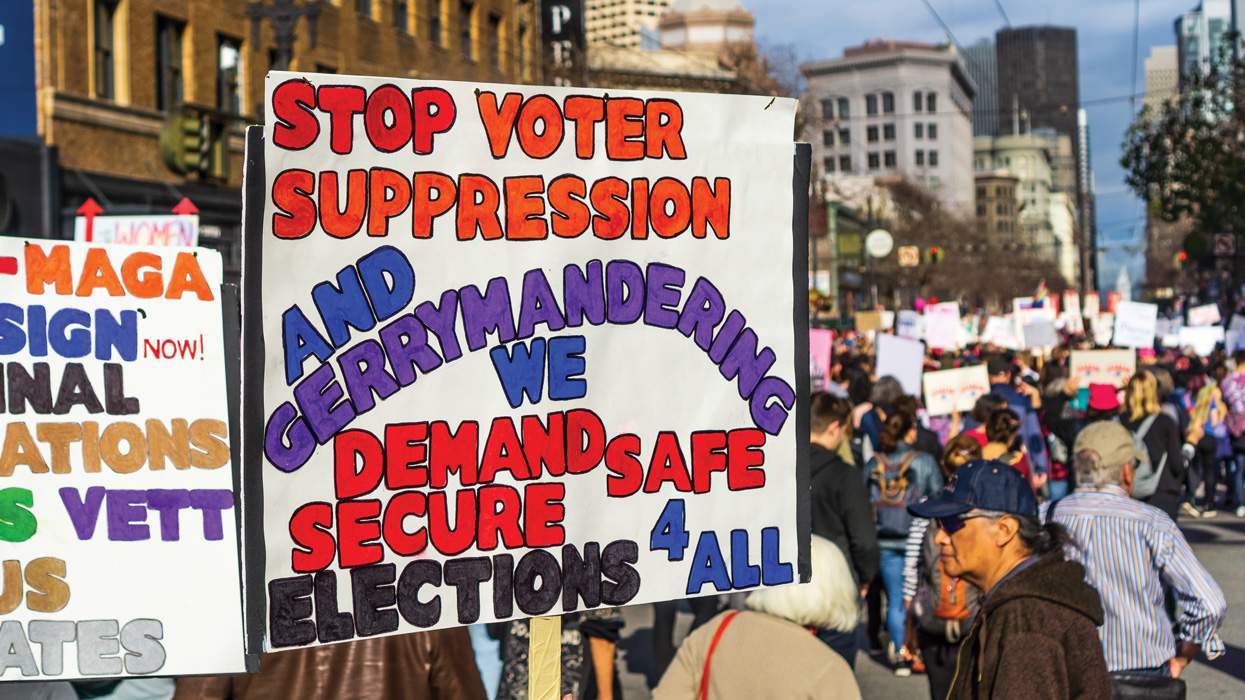
The scale is enormous. The ACLU is currently tracking roughly 500 anti-LGBTQ+ bills moving through state legislatures, and the Trans Legislation Tracker counts just over 800 bills nationwide aimed at trans and gender-nonconforming people in 2026, with proposed education and health care legislation making up about half of that total.
Glisten’s newest National School Climate Survey offers a glimpse into student lives. Two in three LGBTQ+ students say they’ve felt unsafe at school because of who they are. Only one in three look forward to school with any regularity. More than half report LGBTQ-related discrimination. And students in schools with a supportive teacher, an inclusive policy, or an active Gender and Sexuality Alliance report better grades, a stronger sense of belonging, and fewer absences.
Talk to the students directly, though, and the picture complicates, as lived experience always adds nuance to a headline.
Jay, 16, a transgender boy in California who is equally serious about computer science and obstacle course racing, says he reads about people like him being discussed “as if we’re like a national security threat.” What actually changes his day, he says, is smaller than any bill. It’s a teacher who asks for pronouns, a Pride flag taped to a wall. “Things that are so, so small that really don’t take that much of their time or effort,” he says, “to me, as a queer kid, it was just enormous.”
Ash, 17, genderqueer, in Ohio, says the defining question among their LGBTQ+ friends is arithmetic: “How long can I survive in this space where adults aren’t making it safe for me?” Rather than wait for an answer, Ash’s circle raises money for friends’ gender-affirming care, links up with a local LGBTQ+ center, and has testified before Ohio legislators. “We are talked about a lot,” Ash says, “but when we talk amongst ourselves, we have solutions for things. We’re just not able to present them because nobody wants to talk to us.”
Christopher, 17, a gay Black senior in Virginia, locates the problem in unfamiliarity more than malice. “Ignorance is a lot of the reason why we get discriminated against today,” he says, describing classmates who reduce him to a joke or a stereotype rather than a person. His response was to found a club, Diversity Advocates, built around conversations broad enough to draw in students who’d never walk into an explicitly queer space. He has never felt fully safe at school. He says one supportive teacher still “does make me feel more confident in being able to voice myself.”
Sophia, 17, started Dear Queer Youth after failing to find any youth-led organization that reflected her daily reality. She says her friends worry about the ordinary things — schoolwork, money, their futures, immigration enforcement — not the bathroom fights consuming statehouses. Of the adults fixated on those battles, she says, “Talk to a trans kid or talk to a queer kid. You realize that you’re more similar than different.”
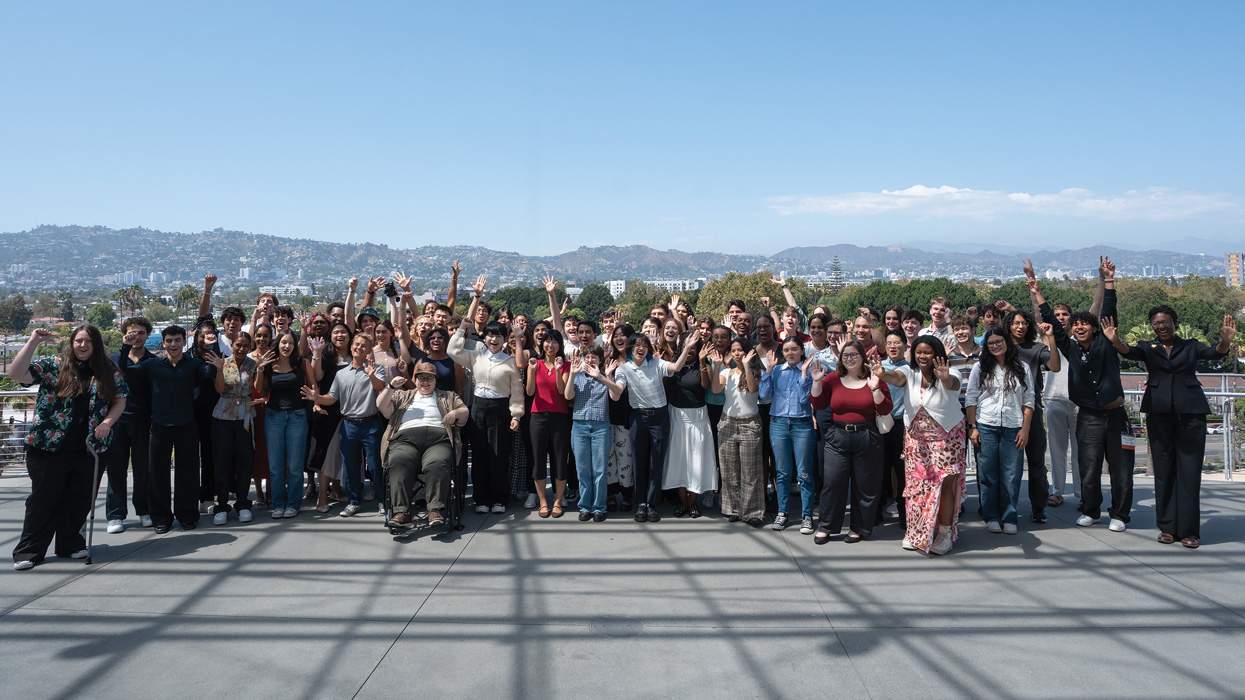
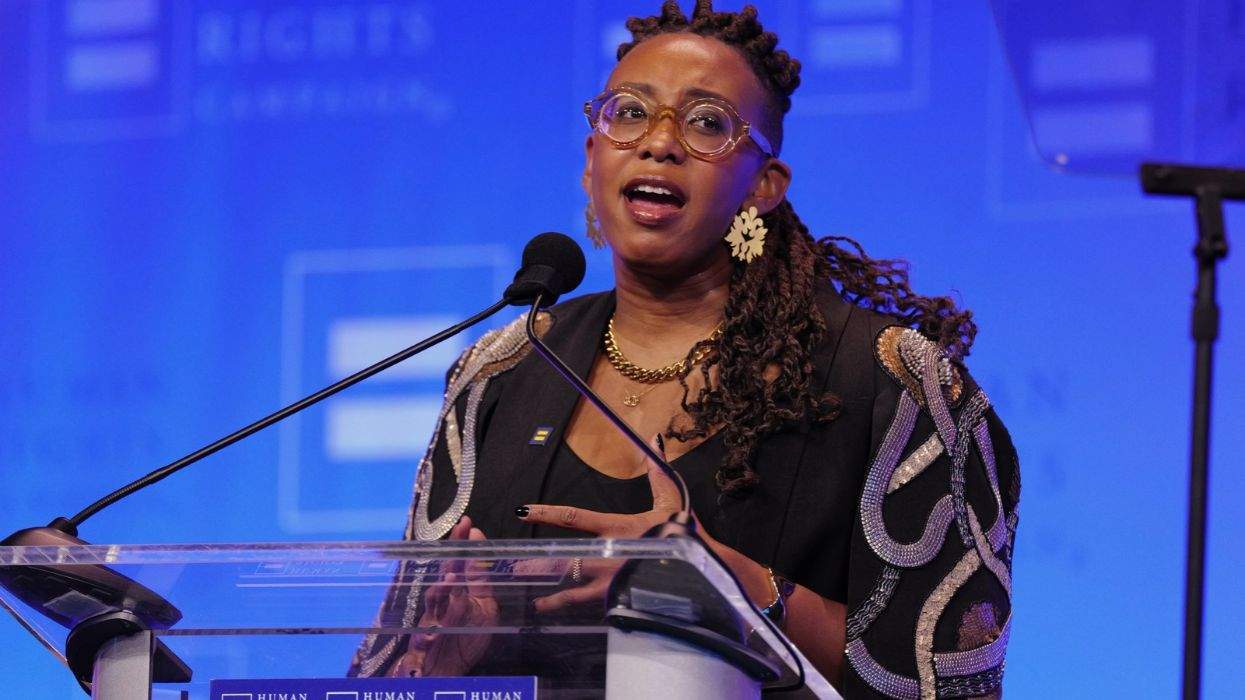
Melanie Willingham-Jaggers, Glisten’s executive director, warns against looking at these students solely as victims. “Our students are not waiting to be rescued,” she says. “They are organizing. They are clear-eyed. They are interested in leading because they understand the future is coming.”
That, more than any bill number, may be the year’s real finding. It’s a generation of students building the infrastructure adults keep failing to provide, and asking, plainly, to be included in a conversation that has been happening loudly around them for years.
This article is part of The Advocate's Sept-Oct 2026 print issue, on newsstands September 1. Support queer media and subscribe — or download the issue through Apple News+, Zinio, Nook, or PressReader starting August 20.
 Nancy Pelosi photographed for The Advocate's September-October cover. Photography by Mike Nelson