'%3E%3Cpath d='M16.3574 35.6519H12.9537L15.0491 18.8873L16.3574 35.6519ZM30.4229 54.0093L22.309 0.994385H7.91795L0 54.0093H10.6634L11.5802 46.3855H17.4014L17.9914 54.0093H30.4229Z' fill='%23971B20'/%3E%3Cpath d='M48.2073 41.8813C48.2073 43.4049 47.4892 44.0011 46.1144 44.0011H43.7595V11.0687H46.1144C47.4892 11.0687 48.2073 11.6636 48.2073 13.1885V41.8813ZM59.5273 43.6695V11.3326C59.5273 3.71323 53.5729 0.994385 47.8157 0.994385H31.7213V54.0093H47.8157C53.5729 54.0093 59.5273 51.29 59.5273 43.6695Z' fill='%23971B20'/%3E%3Cpath d='M90.183 0.994385H78.6039L75.0711 30.6157L71.9955 0.994385H59.4346L69.2474 54.0093H80.373L90.183 0.994385Z' fill='%23971B20'/%3E%3Cpath d='M107.063 42.3448C107.063 43.7359 105.951 44.5974 104.643 44.5974C103.269 44.5974 102.157 43.7359 102.157 42.3448V12.658C102.157 11.2676 103.269 10.4058 104.643 10.4058C105.951 10.4058 107.063 11.2676 107.063 12.658V42.3448ZM119.233 43.2723V11.7312C119.233 6.36384 112.952 -3.8147e-06 104.643 -3.8147e-06C96.2667 -3.8147e-06 89.9867 6.36384 89.9867 11.7312V43.2723C89.9867 48.6393 96.2667 55 104.643 55C112.952 55 119.233 48.6393 119.233 43.2723Z' fill='%23971B20'/%3E%3Cpath d='M150.976 43.9349V33.7309H139.069V42.3448C139.069 43.7359 137.957 44.5974 136.582 44.5974C135.076 44.5974 133.964 43.7359 133.964 42.3448V12.658C133.964 11.2676 135.076 10.4058 136.582 10.4058C137.957 10.4058 139.069 11.2676 139.069 12.658V21.2723H150.976V11.0687C150.976 5.70107 145.283 -3.8147e-06 136.582 -3.8147e-06C127.75 -3.8147e-06 121.796 5.70107 121.796 11.0687V43.9349C121.796 49.3022 127.75 55 136.582 55C145.283 55 150.976 49.3022 150.976 43.9349Z' fill='%23971B20'/%3E%3Cpath d='M167.478 35.6519H164.076L166.17 18.8873L167.478 35.6519ZM181.544 54.0093L173.432 0.994385H159.037L151.123 54.0093H161.785L162.704 46.3855H168.523L169.114 54.0093H181.544Z' fill='%23971B20'/%3E%3Cpath d='M205.412 10.4058V0.994385H177.081V10.4058H185.392V54.0093H197.428V10.4058H205.412Z' fill='%23971B20'/%3E%3Cpath d='M230.002 54.0093V43.9349H218.914V31.8746H226.635V21.8028H218.914V10.4058H230.002V0.994385H206.875V54.0093H230.002Z' fill='%23971B20'/%3E%3C/g%3E%3Cdefs%3E%3CclipPath id='clip0_260_7080'%3E%3Crect width='230' height='55' fill='white'/%3E%3C/clipPath%3E%3C/defs%3E%3C/svg%3E)

This essay discusses rape, sexual assault, and intimate partner violence. If you or someone you know needs support, please contact the National Sexual Assault Hotline at 800-656-4673 or visit RAINN.org.
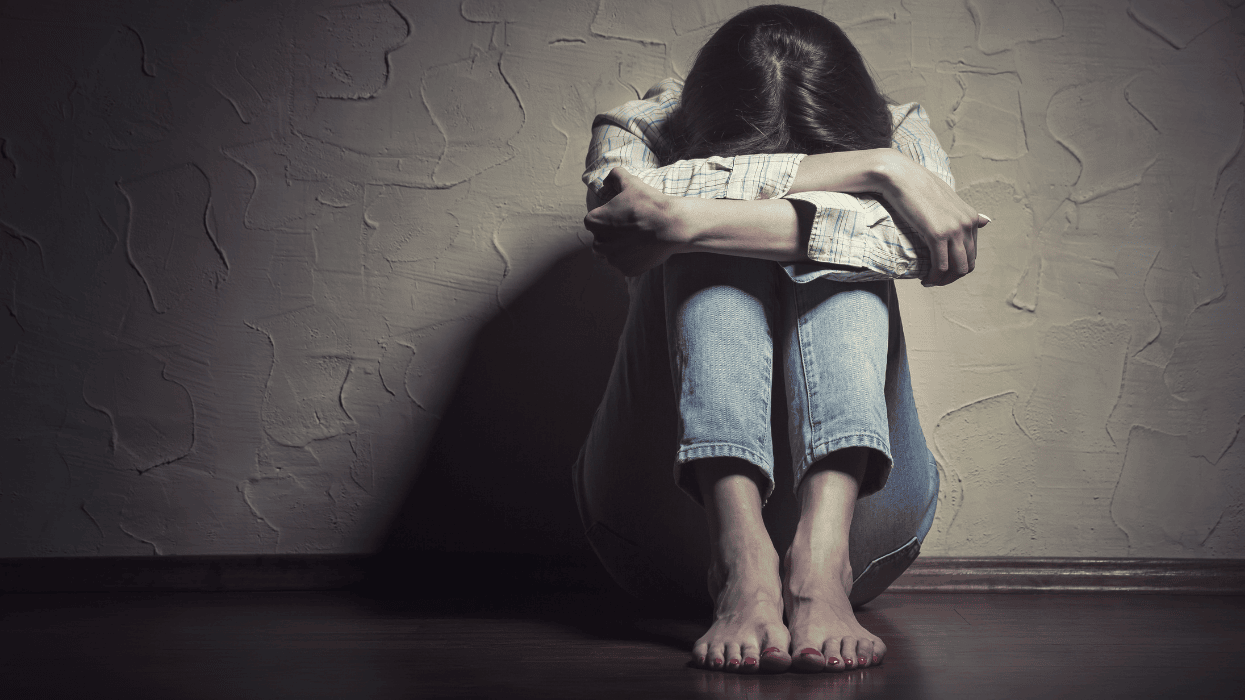
I am a proud survivor. I have experienced both rape and assault: first by a man, and later by a woman. There is no easy way to begin this. Even now, as I type, I feel the familiar weight of silence pushing back and the fear of judgment not just from the world, but from my own community.
Talking about being raped by a man felt easier to talk about, though none of this is ever easy. It fits a narrative people recognize: men harm, women and queer people suffer. There's room for that story. There's language for it. There's sympathy for it. There are even movements for it. But when I say a woman in a queer relationship later assaulted me, the air changes. There's discomfort. There's silence. There's deflection, an unspoken disbelief that a woman could assault another woman.
Being queer means constantly navigating a world that wants to erase us. We fight laws designed to disappear us, politicians defunding the very lifelines meant to keep our youth alive, and an administration that openly vilifies trans and queer people. In that battle, there's an unspoken rule: keep our pain politically convenient, and never take up too much space. We're told that to be queer is to prove our worth. To show strength, beauty, love, and resilience. And speaking about harm within our community feels like betrayal. It's deemed another thing to divide us. But what greater betrayal is there than forcing each other to suffer in silence? To not hold each other accountable?
When a woman assaulted me, it didn't just break my body's sense of safety. It broke my idea of what safety meant. I couldn't take comfort in believing queerness itself was a sanctuary. I wanted it to be true. It wasn't, not for me. And that truth isolated me for years, and to this very day, I still struggle with it.
There's a contradiction in how we talk about trauma in our own spaces. We say "believe survivors," but only when the story fits the script of oppressor and oppressed that feels comfortable. We say "safe spaces," but only if the truths shared there don't complicate the narrative we want to show the world.
A prime example of this is the term "gender-based violence". Gender-based violence was meant to be an inclusive term. Yet, it's often used against same-gender and same-sex relationships entirely. In trying to give everything an inclusive name, we sometimes fail to see everyone, and as a result, actually become the very problem we sought to prevent or resolve.
To be clear: violence within the queer community does not mean we are inherently violent. Violence crosses every gender, race, and orientation. But pretending it doesn't exist among us doesn't protect us: it only isolates the people already hurting, and perpetuates abusive behaviors.
We can't build true solidarity from silence. We can't heal while avoiding the messy, uncomfortable truths that exist within us. We also have a responsibility to ensure that we support survivors once the abuse has been called out. My story is not an exception. There are queer survivors holding pain they're too afraid to share because they don't want to be disowned by the community. Some may be afraid to be ostracized because our communities are so small. We deserve better. We deserve to be seen, believed, and held in the full complexity of who we are.
If we want queer liberation, it has to include the parts of us that don't make for perfect headlines. No survivor is the ideal survivor, and every survivor deserves support.
Our healing can't be conditional or biased. It's unacceptable to remain ignorant or to lack the education on what abusive behavior is and how to best support survivors. Our love can't be performative or based on popularity. Our truth can't be convenient or calculated.
Real liberation starts when we stop being afraid of our reflection, embrace self-awareness, and keep learning to evolve, grow, and, more importantly, hold each other accountable.
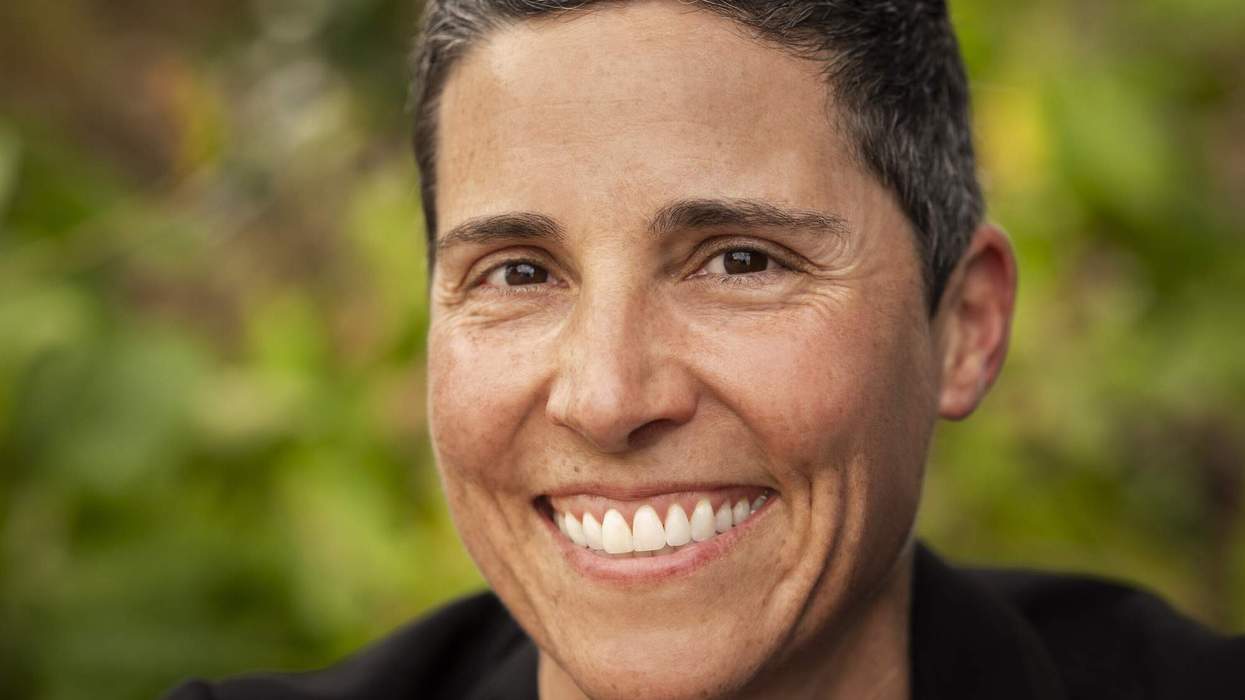
Titeänyä Rodríguez is a queer Afro-Latinx and Indigenous writer, producer, and advocate based between Los Angeles, CA, and Cabo Rojo, PR.
Opinion is dedicated to featuring a wide range of inspiring personal stories and impactful opinions from the LGBTQ+ community and its allies. Visit Advocate.com/submit to learn more about submission guidelines. We welcome your thoughts and feedback on any of our stories. Email us at voices@equalpride.com. Views expressed in Voices stories are those of the guest writers, columnists, and editors, and do not directly represent the views of The Advocate or our parent company, equalpride.